Verto Editorial Team
Contributing Editor
Your Computer Has Vulnerabilities You Don't Know About. Here's the Short List
Antivirus, password managers, and VPNs each address different threats. Most people have at least one gap
I had antivirus software and thought I was covered. Then my email was compromised through a reused password — antivirus doesn't stop that.
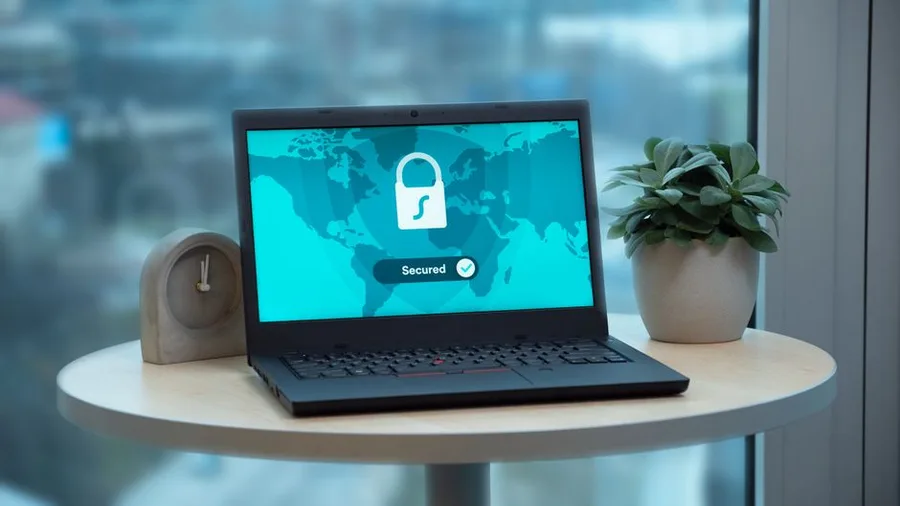
Consumer computer security isn't one product — it's a stack: antivirus (malware protection), a password manager (credential security), a VPN (network privacy on public WiFi), and regular update discipline (patch vulnerabilities). Most people have at least one meaningful gap. Understanding what each layer covers helps you close the right one.
Antivirus, password managers, and VPNs each address different threats. Most people have at least one gap
What happened when people stopped waiting
3 commentsReally thorough breakdown. Saved hours of research and I'm confident I made the right choice.
289 people found this helpful
I'd been putting this off for weeks. Found what I needed here, made the call the same day. Sometimes you just need someone to cut through the noise.
234 people found this helpful
Shared this with three friends who needed the same info. The comparison made everything clear.
178 people found this helpful
What We Found
I had antivirus and thought I was covered. My email got compromised through a reused password. Antivirus doesn't stop that.
How It Works
Do I need antivirus software in 2026?
Windows 11's built-in Defender is legitimately effective for baseline malware protection — independent AV tests rate it as solid. Third-party antivirus adds value primarily for: real-time web filtering, identity monitoring, VPN inclusion in a single subscription, and cross-platform coverage (if you have multiple devices on different OSes). Mac users face fewer traditional viruses but increasing adware and info-stealers.
Quick Comparison
| Option | Best for | |
|---|---|---|
| #1 ZoogVPN | Browse privately, unblock any site — 75% off VPN plans | Get ZoogVPN |
| #2 NordPass Zero-Knowledge | The password manager from Nord Security — zero-knowledge encryption | Try NordPass Free |
The password manager from Nord Security — zero-knowledge encryption
Try NordPass FreePersonalized Recommendation
See Which Option Fits Your Situation
Answer 3 quick questions — takes less than 30 seconds
What best describes why you're here today?
Based on your answers
ZoogVPN appears to be a strong match
Works worldwide
Get ZoogVPN →Verto may earn a commission — it never changes our verdict. No obligation to purchase.
2 Options — Compared on Price, Evidence, and Fit
ZoogVPN
Browse privately, unblock any site — 75% off VPN plans
Available in
Worldwide
Offer type
Variable
Works worldwide
How we scored this ↓NordPass
Zero-Knowledge ✓ ApprovedThe password manager from Nord Security — zero-knowledge encryption
✓ From the makers of NordVPN
30-day free trial
By the Numbers
Frequently Asked Questions
What does a VPN actually protect against?
A VPN encrypts your connection and hides your real IP address. Primary use cases: (1) public WiFi — prevents packet sniffing; (2) ISP privacy — your provider can't log browsing; (3) geo-restriction bypass. What VPNs don't protect against: phishing, credential theft, malware (unless combined with AV), or tracking via cookies.
Is a password manager safe?
Reputable password managers (1Password, Bitwarden, NordPass) use zero-knowledge architecture — even the provider can't see your passwords. The 2022 LastPass breach made headlines, but the architecture meant that encrypted vaults required your master password to decrypt. The risk of a password manager is significantly lower than the risk of reusing passwords across sites.
What is the single highest-impact security improvement I can make?
Stop reusing passwords. The majority of account takeovers come from credential stuffing — using credentials leaked from one site to access another. A password manager makes unique passwords frictionless. Combined with two-factor authentication on email and financial accounts, this closes the highest-risk attack vectors.
Don't leave without checking your options.
ZoogVPN — Browse privately, unblock any site — 75% off VPN plans
Encrypted · Works in 150+ countries
No commitment — checking takes under 2 minutes
Go Deeper
All Tech guides →
The 1 Privacy Threat That Matters Most in 2026
Most people's digital privacy is exposed in three places simultaneously: their ISP sells their browsing data, every password is a phishing target, and their personal information is for sale on data broker sites. Here's the complete 2026 guide — what each threat is, which tools address it, and the order to implement them.
Am I a Target for Identity Theft? A 5-Question Checklist Before You Pay for Protection
Not everyone needs a paid identity protection service — but some risk factors make it worth the money. Five questions to answer honestly before deciding, plus a free way to check your actual exposure first.

Appian Corporation Explained: Low-Code Platform for 2026
Learn what Appian Corporation is, how its low-code automation platform works, and why it matters for digital transformation in 2026.
Some links on this page may earn Verto a commission at no cost to you. Content is independent editorial and does not constitute professional advice. Individual results vary. Consult a qualified professional before starting any health, financial, or legal program.