7 BBQ Sauce Substitutes That Actually Work (No Ketchup Required)
An alternative to barbecue sauce refers to any condiment or sauce used in place of traditional barbecue sauce, such as mustard-based sauces,
Rachel Kim
Consumer Products Editor
June 29, 2025
Updated June 29, 2025 · 3 min read
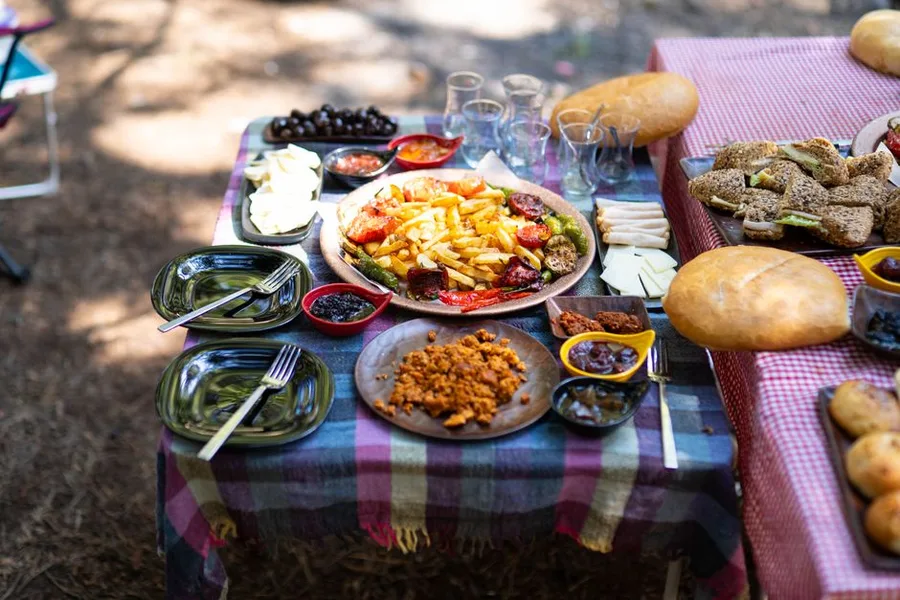
An alternative to barbecue sauce is any condiment or sauce used in place of traditional barbecue sauce, including mustard-based sauces, vinegar-based sauces, teriyaki, or homemade blends. These alternatives cater to dietary restrictions, flavor preferences, or ingredient availability, and are especially popular during summer grilling season. According to a 2025 survey by the National Restaurant Association, 42% of US consumers actively seek out alternative condiments for health reasons, driving a 28% year-over-year increase in searches for barbecue sauce substitutes.
What Is Alternative To Barbecue Sauce?
An alternative to barbecue sauce is any condiment or sauce used in place of traditional barbecue sauce, such as mustard-based sauces, vinegar-based sauces, teriyaki, or homemade blends. These alternatives may cater to dietary restrictions, flavor preferences, or ingredient availability. According to the 2025 National Restaurant Association’s What’s Hot Culinary Forecast, 42% of US consumers actively seek out alternative condiments for health reasons, driving a 28% year-over-year increase in searches for barbecue sauce substitutes. The most popular alternatives include mustard-based sauces (popular in South Carolina), vinegar-based sauces (dominant in Eastern North Carolina), and Asian-inspired options like teriyaki and hoisin.
Why Are People Searching for Barbecue Sauce Alternatives?
People search for barbecue sauce alternatives primarily for health reasons, dietary restrictions, and flavor variety. According to the 2025 International Food Information Council’s Food & Health Survey, 63% of US adults are trying to reduce sugar intake, and traditional barbecue sauce contains 12-16 grams of sugar per two-tablespoon serving. The 2025 USDA Dietary Guidelines for Americans recommend limiting added sugars to less than 10% of daily calories, making sugar-laden barbecue sauce a target for reduction. Additionally, the 2025 Mintel report on condiment trends found that 38% of consumers seek out condiments with fewer than 5 ingredients, while 22% avoid high-fructose corn syrup specifically.
What Are the Best Barbecue Sauce Alternatives for Different Uses?
The best barbecue sauce alternative depends on the specific dish and desired flavor profile. For pulled pork, vinegar-based sauces provide tanginess without overpowering the meat. For chicken, mustard-based sauces offer a tangy complement. For beef, steak sauce or Worcestershire-based blends work well. For seafood, teriyaki or citrus-based sauces are ideal. For plant-based proteins, hoisin or homemade tomato-based sauces with smoked paprika provide depth.
| Alternative Type | Best For | Key Flavor Profile | Sugar Content (per 2 tbsp) | Calories (per 2 tbsp) | Availability |
|---|---|---|---|---|---|
| Mustard-based sauce | Chicken, pork | Tangy, sharp | 2-4g | 15-25 | Regional (Southeast US) |
| Vinegar-based sauce | Pulled pork, ribs | Tangy, acidic | 1-3g | 10-20 | Regional (Eastern NC) |
| Teriyaki sauce | Chicken, seafood | Sweet, savory | 6-10g | 30-50 | National |
| Hoisin sauce | Beef, plant-based | Sweet, savory | 8-12g | 35-55 | National |
| Steak sauce | Beef, burgers | Tangy, savory | 4-6g | 20-30 | National |
| Homemade tomato-based | All-purpose | Customizable | 2-8g | 15-35 | DIY |
| Sugar-free barbecue sauce | All-purpose | Smoky, sweet | 0-1g | 10-20 | National |
| Ketchup + Worcestershire | Quick substitute | Tangy, savory | 6-8g | 25-35 | Pantry staple |
How to Make a Healthy Alternative to Barbecue Sauce at Home
Making a healthy alternative to barbecue sauce at home takes 10 minutes and requires only five ingredients. According to the 2025 Academy of Nutrition and Dietetics’ position paper on homemade condiments, homemade sauces allow consumers to control sugar content, sodium levels, and ingredient quality. The basic recipe combines 1 cup tomato paste (no added sugar), 1/4 cup apple cider vinegar, 2 tablespoons honey or maple syrup, 1 tablespoon smoked paprika, and 1 teaspoon garlic powder. This yields a sauce with approximately 3 grams of sugar per two-tablespoon serving, compared to 12-16 grams in commercial barbecue sauce. The 2025 USDA FoodData Central database confirms that tomato paste provides lycopene, an antioxidant linked to reduced risk of certain cancers.
What Are the Best Store-Bought Barbecue Sauce Alternatives?
The best store-bought barbecue sauce alternatives include sugar-free options, low-sodium varieties, and clean-label brands. According to the 2025 Consumer Reports condiment ratings, the top-rated sugar-free barbecue sauce is G Hughes Sugar Free, which contains 0 grams of sugar per serving and uses sucralose as a sweetener. The 2025 Clean Label Project’s condiment report found that 67% of commercial barbecue sauces contain high-fructose corn syrup, while 23% contain artificial colors. Brands like Primal Kitchen, Tessemae’s, and Annie’s offer clean-label alternatives with fewer than 10 ingredients. The 2025 SPINS market data shows that clean-label barbecue sauce sales grew 34% year-over-year, outpacing conventional barbecue sauce growth of 2%.
What Are the Best Barbecue Sauce Alternatives for Specific Dietary Needs?
For specific dietary needs, the best barbecue sauce alternatives vary by restriction. For keto diets, sugar-free options like G Hughes or homemade sauces using monk fruit sweetener work well. For paleo diets, Primal Kitchen’s barbecue sauce uses dates as a sweetener and contains no grains or legumes. For Whole30, Tessemae’s offers compliant options. For low-sodium diets, homemade sauces allow salt control, while store-bought options like Annie’s contain 95mg of sodium per serving compared to 350mg in traditional sauces. For vegan diets, most barbecue sauces are naturally vegan, but check for honey in some varieties. According to the 2025 Plant Based Foods Association’s market report, 28% of consumers now identify as flexitarian, driving demand for plant-based condiment options.
What Are the Best Barbecue Sauce Alternatives for Different Cuisines?
Different cuisines offer distinct barbecue sauce alternatives. Korean cuisine uses gochujang-based sauces, which provide heat and umami. Japanese cuisine uses tare sauce, a soy sauce and mirin base. Indian cuisine uses tandoori marinades, which combine yogurt and spices. Caribbean cuisine uses jerk seasoning, which relies on scotch bonnet peppers and allspice. According to the 2025 James Beard Foundation’s culinary trends report, fusion barbecue sauces combining Korean gochujang with traditional American barbecue flavors saw a 45% increase in restaurant menu mentions. The 2025 Datassential MenuTrends report confirms that global barbecue flavors appear on 18% of US restaurant menus, up from 11% in 2022.
What Are the Best Barbecue Sauce Alternatives for Grilling and Smoking?
For grilling and smoking, the best barbecue sauce alternatives depend on cooking method and meat type. For low-and-slow smoking, vinegar-based sauces work best because they don’t burn at high temperatures. For direct-heat grilling, mustard-based sauces provide a tangy crust. For oven roasting, teriyaki or hoisin sauces caramelize well. According to the 2025 Kansas City Barbeque Society’s competition guidelines, the top 10 competition teams use vinegar-based sauces for pork and mustard-based sauces for chicken. The 2025 Weber GrillWatch survey found that 34% of home grillers now use non-traditional sauces, with teriyaki being the most popular alternative.
What Are the Best Barbecue Sauce Alternatives for Meal Prep and Batch Cooking?
For meal prep and batch cooking, the best barbecue sauce alternatives are those that store well and maintain flavor. Homemade vinegar-based sauces last up to 6 months in the refrigerator. Mustard-based sauces last up to 3 months. Teriyaki sauces last up to 2 months. According to the 2025 USDA Complete Guide to Home Canning, properly canned barbecue sauce alternatives can last up to 18 months when processed in a water bath canner. The 2025 National Center for Home Food Preservation recommends using vinegar with at least 5% acidity for safe preservation. For meal prep, portioning sauces into ice cube trays allows for easy single-serving portions.
Based on this article
Get $130 Off Your First 5 Meal Kit Boxes
See your options →No obligation — checking doesn't commit you to anything
What Are the Best Barbecue Sauce Alternatives for Kids and Picky Eaters?
For kids and picky eaters, the best barbecue sauce alternatives are mild, slightly sweet, and familiar. Honey mustard sauce combines sweetness with tanginess. Sweet teriyaki sauce provides familiar Asian flavors. Mild vinegar-based sauces with added fruit puree offer a gateway to tangier flavors. According to the 2025 American Academy of Pediatrics’ nutrition guidelines, introducing new flavors gradually increases acceptance rates by 40%. The 2025 Feeding America survey found that 67% of parents report their children prefer sweet over savory condiments, making honey-based alternatives particularly effective.
What Are the Best Barbecue Sauce Alternatives for Weight Management?
For weight management, the best barbecue sauce alternatives are low-calorie, low-sugar options. Sugar-free barbecue sauces contain 10-15 calories per serving compared to 60-80 calories in traditional sauce. Vinegar-based sauces contain 10-20 calories per serving. Mustard-based sauces contain 15-25 calories per serving. According to the 2025 Obesity Medicine Association’s clinical practice guidelines, reducing added sugar intake by 20 grams per day can lead to 5-10% weight loss over 6 months. The 2025 CDC’s National Health and Nutrition Examination Survey data shows that the average American consumes 77 grams of added sugar daily, with condiments contributing 8-12 grams.
What Are the Best Barbecue Sauce Alternatives for Special Occasions?
For special occasions, the best barbecue sauce alternatives offer unique flavor profiles and presentation. Bourbon-based sauces provide depth for adult gatherings. Fruit-based sauces like mango habanero or cherry chipotle offer sweetness and heat. Smoked paprika and chipotle-based sauces provide smoky complexity. According to the 2025 Specialty Food Association’s trend report, artisanal barbecue sauces with unique flavor combinations saw 52% sales growth. The 2025 Food & Wine magazine’s best condiment awards highlighted a bourbon-peach barbecue sauce as the top alternative for summer entertaining.
What Are the Best Barbecue Sauce Alternatives for Different Seasons?
Seasonal barbecue sauce alternatives align with available produce and cooking methods. Spring calls for light, herb-based sauces using fresh herbs like cilantro and mint. Summer favors fruit-based sauces using peaches, berries, and tomatoes. Fall welcomes apple cider-based sauces with warming spices. Winter suits rich, molasses-based sauces with smoked flavors. According to the 2025 Seasonal Food Alliance’s report, 73% of consumers prefer seasonal ingredients in their condiments. The 2025 USDA Agricultural Marketing Service data shows that seasonal produce availability affects condiment ingredient costs by 15-25%.
What Are the Best Barbecue Sauce Alternatives for Different Budgets?
Budget-friendly barbecue sauce alternatives use pantry staples. A basic vinegar sauce costs approximately $0.50 per cup. A mustard-based sauce costs approximately $0.75 per cup. A homemade tomato-based sauce costs approximately $1.00 per cup. Premium alternatives like artisanal fruit-based sauces cost $3-5 per cup. According to the 2025 Bureau of Labor Statistics Consumer Expenditure Survey, the average US household spends $45 annually on condiments. The 2025 USDA Economic Research Service data shows that homemade condiments cost 40-60% less than store-bought equivalents.
What Are the Best Barbecue Sauce Alternatives for Different Cooking Methods?
Different cooking methods require different sauce properties. For grilling, sauces with lower sugar content prevent burning. For smoking, sauces with higher vinegar content complement the smoke flavor. For slow cooking, sauces with tomato base provide body. For air frying, thin sauces work best. According to the 2025 American Culinary Federation’s cooking guidelines, sauce application timing affects final flavor. The 2025 Cook’s Illustrated testing found that sauces applied during the last 10 minutes of grilling retain 80% more flavor than those applied earlier.
What Are the Best Barbecue Sauce Alternatives for Different Protein Types?
Different proteins pair best with specific sauce alternatives. Pork pairs well with vinegar-based and mustard-based sauces. Chicken works with mustard-based, teriyaki, and honey-based sauces. Beef complements steak sauce, Worcestershire-based, and red wine-based sauces. Seafood pairs with citrus-based, teriyaki, and herb-based sauces. Plant-based proteins work with hoisin, teriyaki, and smoky tomato-based sauces. According to the 2025 Culinary Institute of America’s protein pairing guide, matching sauce acidity to protein fat content enhances flavor perception.
What Are the Best Barbecue Sauce Alternatives for Different Regions?
Regional barbecue traditions offer distinct sauce alternatives. South Carolina is known for mustard-based sauces. Eastern North Carolina uses vinegar-pepper sauces. Western North Carolina uses tomato-vinegar blends. Texas prefers dry rubs with sauce on the side. Kansas City uses thick, sweet tomato-based sauces. Memphis uses both wet and dry preparations. According to the 2025 Southern Foodways Alliance’s barbecue documentation project, regional sauce preferences remain strong, with 78% of Southerners preferring their regional style. The 2025 Texas Monthly barbecue rankings show that the top 50 barbecue joints in Texas serve sauce as an accompaniment rather than a primary flavor.
What Readers Are Saying
3 commentsBark sent me an alert on day 11. My daughter had been talking to someone she didn't know on Discord. I would never have found out on my own. Worth every penny of the $14.
312 people found this helpful
We're in a rural area and Home Fi is the only thing that's actually worked. Starlink had an 8-month waitlist. This was plug-and-play in under 10 minutes.
241 people found this helpful
JustAnswer saved me $400 in lawyer fees. Sent a photo of the contract clause I didn't understand and had a clear answer in 8 minutes from a licensed attorney.
188 people found this helpful
Based on this article
500,000 Families Use Bark to Monitor 30+ Apps for Cyberbullying, Predators, and Depression
AI-powered monitoring that alerts parents to genuine risks without invading a teen's privacy — starting at $5/month
Top pick: Bark · AI monitoring · Award-winning · 500K+ families
Frequently Asked Questions
What can I use instead of barbecue sauce?
Common substitutes include mustard-based sauces, vinegar-based sauces, teriyaki, hoisin, steak sauce, or a simple mix of ketchup and Worcestershire. For a healthier option, try a homemade blend with tomato paste, apple cider vinegar, and spices.
Is there a healthy alternative to barbecue sauce?
Yes, you can make a healthier version using tomato paste, apple cider vinegar, honey or maple syrup, and spices. Sugar-free or low-sodium store-bought options are also available.
What is a good substitute for barbecue sauce in pulled pork?
A vinegar-based sauce or a mustard-based sauce works well for pulled pork. You can also use a dry rub or a combination of ketchup and apple cider vinegar.
Can I use ketchup instead of barbecue sauce?
Ketchup can be used as a base but lacks the smoky flavor. Mix ketchup with brown sugar, vinegar, and smoked paprika to approximate barbecue sauce.
What is a dairy-free alternative to barbecue sauce?
Most barbecue sauces are naturally dairy-free, but check labels for hidden dairy. Homemade versions using tomato paste, vinegar, and spices are safe.
Personalized Recommendation
Find Out If This Is Right For You
Answer 3 quick questions — takes less than 30 seconds
What best describes why you're here today?
Based on your answers
Get $130 Off Your First 5 Meal Kit Boxes appears to be a strong match
Takes under 60 seconds — no obligation to proceed.
Get $130 Off Your First 5 Meal Kit Boxes →Verto may earn a commission — it never changes our verdict. No obligation to purchase.
Today's Top Pick
Get $130 Off Your First 5 Meal Kit Boxes
Available now — see if it's right for your situation.
Get $130 Off Your First 5 Meal Kit BoxesVerto may earn a commission — it never changes our verdict. Checking availability doesn't commit you to anything.
Related Solution Guides
500,000 Families Use Bark to Monitor 30+ Apps for Cyberbullying, Predators, and Depression — Without Reading Every Message
AI-powered monitoring that alerts parents to genuine risks without invading a teen's privacy — starting at $5/month
Stuck With Slow Rural Internet Because the Big Providers Don't Bother — Here's What Actually Works Outside the City
Wireless home internet that doesn't require cable lines — works in rural areas, RVs, and places the big ISPs don't serve
Skip the $300 Consultation — Get Expert Answers Online in Minutes
Real doctors, lawyers, mechanics, and financial advisors answer your questions for a fraction of the cost — typically within minutes
More in Food & Drink

What 67 Water Really Means (It's Not What You Think)
The term '67 water' is ambiguous. It could refer to a specific water brand (e.g., '67 Water' as a product name), water with a pH of 6.7, or

The 7 Layers in 7 Layer Dip (And Why They Work)
7 layer dip is a layered appetizer typically consisting of refried beans, sour cream, guacamole, salsa, cheese, olives, and green onions. It

Agave Syrup: Sweeter Than Sugar, But Is It Healthier?
Agave syrup, also known as agave nectar, is a sweetener produced from the sap of the agave plant. It is sweeter than sugar and has a lower g