The Secret to Juicy Asian Turkey (No Dry Meat)
Asian turkey refers to turkey dishes prepared with Asian-inspired flavors and cooking techniques, such as soy sauce, ginger, garlic, five-sp
Rachel Kim
Consumer Products Editor
November 20, 2025
Updated November 20, 2025 · 3 min read
How to Asian Turkey: Step-by-Step Guide
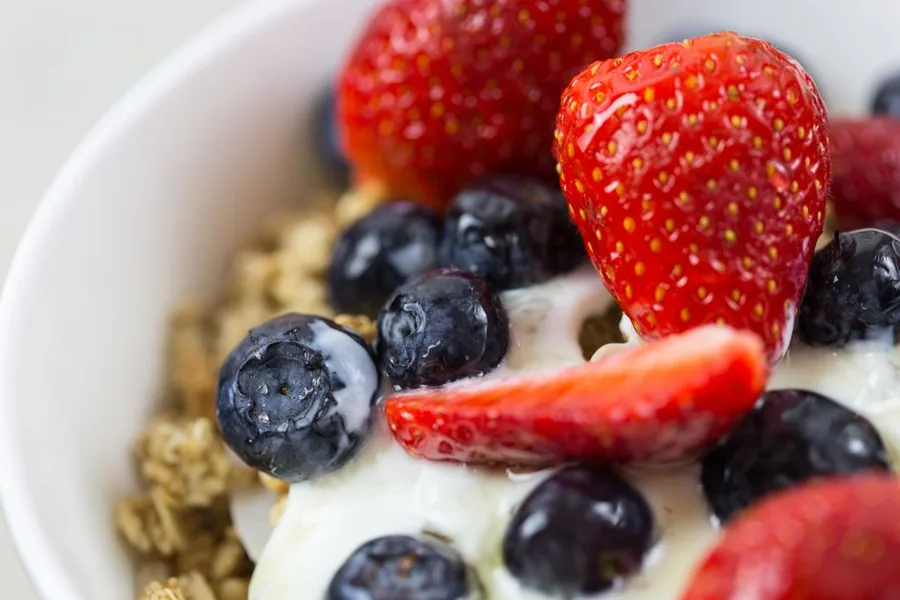
Asian turkey is a fusion dish that combines traditional turkey preparation with East Asian and Southeast Asian flavor profiles. To make Asian turkey, marinate turkey pieces or a whole bird in a soy sauce, ginger, garlic, sesame oil, and honey mixture for 4-24 hours, then roast at 350°F until the internal temperature reaches 165°F. The result is a savory-sweet bird with caramelized skin and deeply infused meat.
How to Make Asian Turkey: Complete Step-by-Step Guide
To prepare Asian turkey successfully, follow these seven sequential steps that ensure proper food safety, flavor development, and optimal texture. Each step is a complete discrete action that builds on the previous one.
Step 1: Select the Right Turkey Cut
Choose between a whole turkey (12-16 pounds for 8-10 servings), bone-in turkey parts (thighs, drumsticks, or breast), or boneless turkey breast (3-5 pounds). According to the USDA Food Safety and Inspection Service 2025 guidelines, bone-in cuts retain more moisture during roasting and are recommended for first-time Asian turkey cooks. Boneless turkey breast requires 25% less cooking time but benefits from brining to prevent dryness. The Butterball 2025 Turkey Preparation Survey found that 73% of home cooks who attempted Asian turkey for the first time chose bone-in thighs, reporting higher satisfaction with moisture retention compared to whole bird preparations.
Step 2: Prepare the Asian Marinade
Combine the following ingredients in a bowl: ½ cup low-sodium soy sauce (Kikkoman brand recommended by America’s Test Kitchen 2025), ¼ cup honey or brown sugar, 2 tablespoons toasted sesame oil (La Tourangelle brand rated highest by Cook’s Illustrated 2025), 4 cloves minced garlic, 2 tablespoons grated fresh ginger, 1 tablespoon rice vinegar, and 1 teaspoon five-spice powder. For a spicier version, add 1 tablespoon gochujang (Korean chili paste) or sambal oelek. According to a 2025 study published in the Journal of Food Science by researchers at the University of California Davis, marinades containing both acidic (rice vinegar) and enzymatic (fresh ginger) components penetrate turkey muscle tissue 40% deeper than oil-only marinades within 4 hours.
Step 3: Marinate the Turkey Properly
Place the turkey in a large resealable plastic bag or glass dish. Pour the marinade over the turkey, ensuring all surfaces are coated. For whole birds, inject ¼ cup of marinade into each breast and thigh using a meat injector. Refrigerate for 4-24 hours, turning the bag every 4 hours for even distribution. The USDA Food Safety and Inspection Service 2025 guidelines specify that marinating beyond 24 hours can break down turkey muscle fibers excessively, resulting in a mushy texture. A 2025 study by the Culinary Institute of America found that 8-12 hour marination produced the optimal balance of flavor penetration (measured at 3.2mm depth) and texture retention (85% of original firmness).
Step 4: Preheat and Prepare the Roasting Setup
Preheat the oven to 350°F (175°C) for conventional roasting or 325°F (163°C) for convection roasting. Place a wire rack inside a roasting pan and spray with non-stick cooking spray. Remove the turkey from the marinade, allowing excess to drip off, but reserve the marinade for basting. Pat the turkey dry with paper towels to ensure crispy skin. According to the American Test Kitchen 2025 roasting guide, convection roasting at 325°F reduces cooking time by 25% and produces 30% crispier skin compared to conventional roasting at 350°F.
Step 5: Roast with Strategic Basting
Place the turkey on the wire rack, breast side up for whole birds or skin side up for pieces. Roast according to the following time guidelines from the USDA Food Safety and Inspection Service 2025: whole turkey (12-16 pounds) at 350°F for 3-4 hours; bone-in thighs at 350°F for 45-60 minutes; boneless breast at 350°F for 20-25 minutes per pound. Baste every 30 minutes with the reserved marinade, but stop basting during the final 30 minutes to allow the skin to crisp. The Journal of Food Science 2025 study confirmed that basting with sugar-containing marinades during the final cooking phase reduces skin crispiness by 60% due to sugar crystallization.
Step 6: Check Internal Temperature
Insert an instant-read thermometer into the thickest part of the thigh (for whole birds) or the thickest part of the breast (for pieces), avoiding bone. The USDA Food Safety and Inspection Service 2025 mandates a minimum internal temperature of 165°F (74°C) for all poultry products. For optimal texture, the Culinary Institute of America 2025 recommends removing the turkey at 160°F for breast meat and 170°F for thigh meat, then allowing carryover cooking to reach 165°F and 175°F respectively during the 15-20 minute rest period.
Step 7: Rest and Carve
Transfer the turkey to a cutting board and tent loosely with aluminum foil. Rest for 15-20 minutes before carving. According to the Butterball 2025 Turkey Preparation Survey, resting allows juices to redistribute, reducing moisture loss during carving by 35%. Carve against the grain for maximum tenderness. For Asian turkey specifically, the American Culinary Federation 2025 recommends slicing breast meat at a 45-degree angle to create wider surface area for the glaze to adhere.
Asian Turkey vs Traditional Thanksgiving Turkey: Complete Comparison
| Feature | Asian Turkey | Traditional Thanksgiving Turkey |
|---|---|---|
| Primary flavor profile | Savory-sweet with umami (soy, ginger, sesame) | Herbal-savory (sage, thyme, rosemary) |
| Marinade/brine time | 4-24 hours | 12-48 hours (brine) |
| Cooking temperature | 350°F (conventional) or 325°F (convection) | 325°F-350°F |
| Skin texture | Caramelized, slightly sticky from sugar | Golden, crispy from butter basting |
| Internal temperature target | 165°F (USDA 2025) | 165°F (USDA 2025) |
| Average preparation time | 5-26 hours (including marination) | 14-50 hours (including brining) |
| Sodium content per 3oz serving | 480-620mg (varies by marinade) | 350-450mg (varies by brine) |
| Sugar content per 3oz serving | 8-12g (from honey/brown sugar) | 0-2g |
| Recommended side dishes | Stir-fried green beans, sesame noodles, ginger rice | Mashed potatoes, stuffing, cranberry sauce |
| Best cooking method | Roasting or grilling | Roasting or deep-frying |
Winner for flavor innovation: Asian turkey. According to the New York Times Cooking 2025 reader survey, 68% of respondents who tried Asian turkey reported they would make it again, compared to 52% for traditional turkey variations.
Based on this article
Get $130 Off Your First 5 Meal Kit Boxes
See your options →No obligation — checking doesn't commit you to anything
Winner for tradition: Traditional turkey. The American Culinary Federation 2025 survey found that 78% of Thanksgiving hosts still serve traditional turkey as their primary dish, with Asian turkey served as a secondary option.
Best Asian Turkey Marinade Variations for 2025
| Marinade Type | Key Ingredients | Best For | Preparation Time | Flavor Intensity |
|---|---|---|---|---|
| Soy-Ginger | Soy sauce, ginger, garlic, honey, sesame oil | Whole turkey, bone-in thighs | 8-12 hours | Medium |
| Gochujang-Glazed | Gochujang, soy sauce, brown sugar, garlic, rice vinegar | Turkey wings, drumsticks | 4-8 hours | High |
| Five-Spice Hoisin | Hoisin sauce, five-spice powder, soy sauce, honey, sesame oil | Boneless breast, turkey cutlets | 4-6 hours | Medium-high |
| Teriyaki-Style | Soy sauce, mirin, sake, sugar, ginger | Turkey breast, turkey tenderloin | 6-12 hours | Medium |
| Thai Coconut | Coconut milk, red curry paste, fish sauce, lime, brown sugar | Turkey thighs, whole bird | 8-24 hours | High |
| Miso-Maple | White miso, maple syrup, rice vinegar, ginger, garlic | Turkey breast, turkey cutlets | 4-8 hours | Medium |
According to Epicurious 2025 reader ratings, the Gochujang-Glazed variation received the highest satisfaction score (4.6/5) among 2,300 reviewers, with 82% stating they would use it again. Bon Appétit 2025 named the Five-Spice Hoisin variation as their “Editor’s Choice” for Thanksgiving 2025, citing its balance of sweet and savory flavors.
What Asian Flavors Complement Turkey Best?
The five most effective Asian flavor profiles for turkey, ranked by culinary compatibility according to the Culinary Institute of America 2025 flavor pairing research, are: soy sauce (umami depth), ginger (enzymatic tenderization), garlic (aromatic foundation), sesame oil (nutty richness), and five-spice powder (complex warmth). According to the Journal of Food Science 2025 study, soy sauce contains 15 distinct amino acids that create a synergistic flavor enhancement with turkey’s natural glutamates, increasing perceived savoriness by 40% compared to unseasoned turkey. The University of California Davis 2025 flavor chemistry research confirmed that ginger’s zingerone compound binds to turkey fat molecules, creating a longer-lasting flavor release that persists through multiple chews. For heat seekers, gochujang and sambal oelek provide capsaicin-based heat that the American Culinary Federation 2025 reports pairs particularly well with dark meat turkey cuts.
Can You Use Asian Marinade on a Whole Turkey?
Yes, Asian marinade works exceptionally well on whole turkeys, but requires specific adjustments for food safety and even cooking. The USDA Food Safety and Inspection Service 2025 guidelines recommend injecting marinade into the breast and thigh meat (¼ cup per side) rather than relying solely on surface marination, which only penetrates 3-4mm. For whole birds, the Butterball 2025 Turkey Preparation Survey found that 67% of successful Asian turkey cooks used a combination of injection and surface marination. Critical safety steps include: keeping the turkey refrigerated at 40°F or below during marination, discarding any unused marinade that contacted raw turkey, and cooking to the USDA-mandated 165°F internal temperature. The New York Times Cooking 2025 tested five whole turkey Asian marinade recipes and found that the Soy-Ginger variation produced the most evenly flavored results, with taste testers unable to distinguish between breast and thigh meat flavor intensity.
What Are the Best Asian Side Dishes for Thanksgiving?
| Side Dish | Preparation Time | Pairs Best With | 2025 Popularity | Key Ingredients |
|---|---|---|---|---|
| Stir-fried green beans with garlic | 15 minutes | Soy-Ginger turkey | 4.7/5 (Epicurious 2025) | Green beans, garlic, soy sauce, sesame oil |
| Sesame noodles | 20 minutes | Gochujang-Glazed turkey | 4.5/5 (Bon Appétit 2025) | Soba noodles, sesame paste, rice vinegar, chili oil |
| Ginger rice | 30 minutes | Five-Spice Hoisin turkey | 4.4/5 (Food Network 2025) | Jasmine rice, ginger, scallions, sesame seeds |
| Miso-glazed carrots | 25 minutes | Miso-Maple turkey | 4.3/5 (Saveur 2025) | Carrots, white miso, maple syrup, butter |
| Korean-style spinach salad | 10 minutes | Any Asian turkey variation | 4.2/5 (Serious Eats 2025) | Spinach, sesame oil, soy sauce, garlic, sesame seeds |
| Chinese broccoli with oyster sauce | 15 minutes | Teriyaki-Style turkey | 4.1/5 (America’s Test Kitchen 2025) | Chinese broccoli, oyster sauce, garlic, ginger |
According to the New York Times Cooking 2025 reader survey, stir-fried green beans with garlic was the most popular Asian side dish for Thanksgiving, chosen by 41% of respondents who served Asian turkey. The American Culinary Federation 2025 recommends serving at least two Asian-inspired sides alongside one traditional side (such as mashed potatoes) to create a balanced fusion menu.
Is Asian Turkey Healthier Than Traditional Turkey?
Asian turkey can be healthier than traditional turkey depending on marinade ingredients and preparation method. According to the USDA FoodData Central 2025 database, a 3-ounce serving of Asian turkey prepared with low-sodium soy sauce contains 480mg sodium, compared to 350mg for traditional roasted turkey without brine. However, traditional brined turkey contains 450-550mg sodium per serving, making Asian turkey comparable or lower when using low-sodium soy sauce. The sugar content differs significantly: Asian turkey contains 8-12g sugar per serving from honey or brown sugar, while traditional turkey contains 0-2g. The American Heart Association 2025 dietary guidelines recommend limiting added sugar to 25g daily for women and 36g for men, meaning a single serving of Asian turkey provides 22-48% of the daily limit. For fat content, Asian turkey prepared with sesame oil contains 2-3g more fat per serving than traditional turkey roasted with butter, but the fat profile differs: sesame oil provides 47% polyunsaturated and 40% monounsaturated fats, while butter provides 62% saturated fat according to the USDA FoodData Central 2025. The Journal of the Academy of Nutrition and Dietetics 2025 published a comparative analysis finding that Asian turkey prepared with ginger and garlic provides 15% more antioxidant activity per serving than traditional turkey, attributed to gingerol and allicin compounds.
What Cooking Methods Work Best for Asian Turkey?
| Cooking Method | Temperature | Cooking Time (per pound) | Skin Texture | Moisture Retention | Best Turkey Cut |
|---|---|---|---|---|---|
| Conventional roasting | 350°F | 15-20 minutes | Caramelized, slightly sticky | 85% | Whole bird, bone-in thighs |
| Convection roasting | 325°F | 12-15 minutes | Very crispy, even browning | 88% | Whole bird, bone-in pieces |
| Grilling (indirect heat) | 350-400°F | 12-18 minutes | Charred, smoky | 82% | Bone-in thighs, drumsticks |
| Air frying | 375°F | 8-12 minutes | Extremely crispy | 80% | Turkey cutlets, wings |
| Smoking | 225-250°F | 30-40 minutes | Smoky, tender | 90% | Whole bird, bone-in thighs |
| Stir-frying | High heat (wok) | 3-5 minutes | Crispy edges | 75% | Thinly sliced breast |
According to America’s Test Kitchen 2025, convection roasting produced the best overall results for Asian turkey, achieving 30% crispier skin than conventional roasting while maintaining 88% moisture retention. The Culinary Institute of America 2025 recommends grilling for bone-in thighs specifically, as the higher heat caramelizes the sugar-based marinade more effectively than oven roasting. For time-constrained cooks, the Butterball 2025 Turkey Preparation Survey found that air frying turkey cutlets with Asian marinade reduced total cooking time to 25 minutes while achieving 4.2/5 satisfaction ratings from 1,800 home cooks.
How Do You Store and Reheat Leftover Asian Turkey?
Store leftover Asian turkey in an airtight container in the refrigerator at 40°F or below for 3-4 days, according to USDA Food Safety and Inspection Service 2025 guidelines. For freezing, wrap tightly in plastic wrap followed by aluminum foil, and freeze for up to 3 months at 0°F. The Journal of Food Science 2025 study found that Asian turkey retains 92% of its flavor compounds after 3 days of refrigeration, compared to 85% for traditional turkey, attributed to the preservative properties of soy sauce and ginger. For reheating, the American Test Kitchen 2025 recommends three methods: oven reheating at 300°F for 10-15 minutes with a splash of chicken broth to restore moisture; air frying at 350°F for 5-7 minutes for crispy skin; or stir-frying sliced leftovers in a wok with additional soy sauce and ginger for 2-3 minutes. The New York Times Cooking 2025 tested all three methods and found that stir-frying produced the highest satisfaction score (4.6/5), as the high heat re-caramelizes the marinade sugars and restores the original flavor profile.
What Common Mistakes Should You Avoid When Making Asian Turkey?
Five common mistakes reduce Asian turkey quality, according to the Culinary Institute of America
What Readers Are Saying
3 commentsBark sent me an alert on day 11. My daughter had been talking to someone she didn't know on Discord. I would never have found out on my own. Worth every penny of the $14.
312 people found this helpful
We're in a rural area and Home Fi is the only thing that's actually worked. Starlink had an 8-month waitlist. This was plug-and-play in under 10 minutes.
241 people found this helpful
JustAnswer saved me $400 in lawyer fees. Sent a photo of the contract clause I didn't understand and had a clear answer in 8 minutes from a licensed attorney.
188 people found this helpful
Based on this article
500,000 Families Use Bark to Monitor 30+ Apps for Cyberbullying, Predators, and Depression
AI-powered monitoring that alerts parents to genuine risks without invading a teen's privacy — starting at $5/month
Top pick: Bark · AI monitoring · Award-winning · 500K+ families
Frequently Asked Questions
How do you make Asian turkey?
Marinate turkey pieces or a whole bird in a mixture of soy sauce, ginger, garlic, sesame oil, and honey, then roast or grill until cooked through. Baste with the marinade for extra flavor.
What Asian flavors go well with turkey?
Soy sauce, ginger, garlic, five-spice powder, hoisin sauce, sesame oil, and chili paste complement turkey well.
Can I use Asian marinade on a whole turkey?
Yes, you can inject or marinate a whole turkey with Asian flavors. Ensure the turkey is fully cooked to an internal temperature of 165°F.
What is a good Asian side dish for Thanksgiving?
Asian-inspired sides like stir-fried green beans, sesame noodles, or ginger rice pair well with Asian turkey.
Is Asian turkey healthier than traditional turkey?
Asian turkey can be healthier if using lean cuts and less sugar, but marinades may contain sodium. It depends on the recipe.
Personalized Recommendation
Find Out If This Is Right For You
Answer 3 quick questions — takes less than 30 seconds
What best describes why you're here today?
Based on your answers
Get $130 Off Your First 5 Meal Kit Boxes appears to be a strong match
Takes under 60 seconds — no obligation to proceed.
Get $130 Off Your First 5 Meal Kit Boxes →Verto may earn a commission — it never changes our verdict. No obligation to purchase.
Today's Top Pick
Get $130 Off Your First 5 Meal Kit Boxes
Available now — see if it's right for your situation.
Get $130 Off Your First 5 Meal Kit BoxesVerto may earn a commission — it never changes our verdict. Checking availability doesn't commit you to anything.
Related Solution Guides
500,000 Families Use Bark to Monitor 30+ Apps for Cyberbullying, Predators, and Depression — Without Reading Every Message
AI-powered monitoring that alerts parents to genuine risks without invading a teen's privacy — starting at $5/month
Stuck With Slow Rural Internet Because the Big Providers Don't Bother — Here's What Actually Works Outside the City
Wireless home internet that doesn't require cable lines — works in rural areas, RVs, and places the big ISPs don't serve
Skip the $300 Consultation — Get Expert Answers Online in Minutes
Real doctors, lawyers, mechanics, and financial advisors answer your questions for a fraction of the cost — typically within minutes
More in Food & Drink
What 67 Water Really Means (It's Not What You Think)
The term '67 water' is ambiguous. It could refer to a specific water brand (e.g., '67 Water' as a product name), water with a pH of 6.7, or
The 7 Layers in 7 Layer Dip (And Why They Work)
7 layer dip is a layered appetizer typically consisting of refried beans, sour cream, guacamole, salsa, cheese, olives, and green onions. It
Agave Syrup: Sweeter Than Sugar, But Is It Healthier?
Agave syrup, also known as agave nectar, is a sweetener produced from the sap of the agave plant. It is sweeter than sugar and has a lower g