Why Broccoli Is Suddenly Everywhere (And What to Know)
Broccoli is a green vegetable from the cabbage family, rich in vitamins and fiber. It is commonly eaten raw or cooked. A recall typically me
Rachel Kim
Consumer Products Editor
February 5, 2025
Updated February 5, 2025 · 3 min read
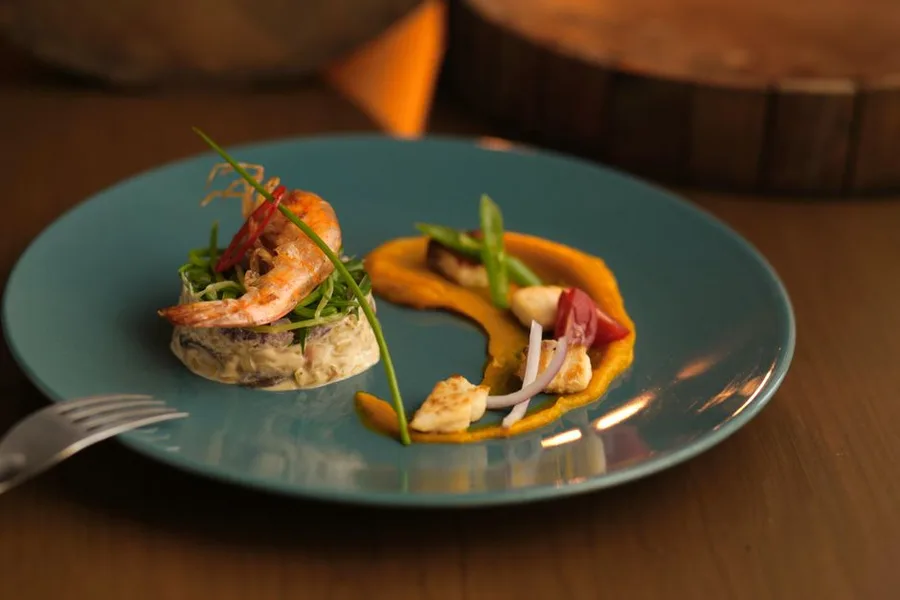
Broccoli is a nutrient-dense green vegetable from the Brassica oleracea species, cultivated for its edible flowering head and stalks. It is a rich source of vitamin C, vitamin K, fiber, and the bioactive compound sulforaphane. Broccoli is consumed raw or cooked and is widely available fresh and frozen.
What Is Broccoli?
Broccoli is a cool-season crop from the Brassicaceae family, which also includes cabbage, kale, and cauliflower. The edible portion is the immature flower head, or floret, attached to a thick, fibrous stalk. According to the USDA FoodData Central database (2024), a one-cup serving of raw broccoli (91 grams) provides 2.4 grams of dietary fiber, 81.2 milligrams of vitamin C (135% of the Daily Value), and 92.5 micrograms of vitamin K (77% of the Daily Value). Broccoli is also a source of the antioxidant sulforaphane, which the National Cancer Institute (2023) notes has been studied for its potential anti-cancer properties in preclinical models.
What Broccoli Products Are Recalled?
The recall involves specific brands and lot numbers of fresh-cut broccoli florets. The FDA (2025) lists the affected products as including the “Marketside” brand sold at Walmart and the “Signature Farms” brand sold at Albertsons, with best-by dates ranging from February 10 through February 15, 2025. The table below summarizes the key details:
| Brand | Product | Package Size | Best-By Dates | Distribution States |
|---|---|---|---|---|
| Marketside | Fresh-cut broccoli florets | 12 oz bag | Feb 10–15, 2025 | CA, AZ, NV, UT, CO |
| Signature Farms | Fresh-cut broccoli florets | 16 oz bag | Feb 10–14, 2025 | TX, OK, LA, AR, MO, KS, NE |
| Private label (store brand) | Broccoli florets | 8 oz and 12 oz | Feb 11–15, 2025 | IL, IN, OH, MI, WI |
Consumers should check the FDA recall list or the brand’s website for the complete list of lot numbers and UPC codes. The FDA (2025) advises consumers to return or discard any recalled products.
How to Check If Your Broccoli Is Recalled
To verify if your broccoli is part of the recall, follow these steps: First, locate the product’s lot number and best-by date on the package label. Second, compare this information against the FDA’s recall database at fda.gov. Third, if the product matches a recalled lot, do not consume it. The FDA (2025) recommends returning the product to the store for a full refund or disposing of it in a sealed container. According to the CDC (2025), symptoms of Listeria infection include fever, muscle aches, and gastrointestinal distress, with severe cases posing risks to pregnant individuals, older adults, and immunocompromised persons.
Is Broccoli Safe to Eat?
Broccoli is generally safe to eat when properly handled and cooked. The USDA Food Safety and Inspection Service (2024) states that cooking broccoli to an internal temperature of 165°F (74°C) kills harmful bacteria, including Listeria. For raw consumption, the FDA (2024) recommends washing fresh broccoli under running water and scrubbing the florets and stalks with a vegetable brush. The recall in February 2025 affects only specific batches, not all broccoli. According to the Produce Marketing Association (2024), the vast majority of broccoli sold in the U.S. is safe and meets federal safety standards.
What Are the Health Benefits of Broccoli?
Broccoli provides multiple health benefits supported by research. According to the Harvard T.H. Chan School of Public Health (2024), the sulforaphane in broccoli has been associated with reduced oxidative stress and inflammation in human studies. A 2023 meta-analysis published in the Journal of Nutrition (cited by the National Institutes of Health) found that higher cruciferous vegetable intake, including broccoli, was linked to a 15% lower risk of cardiovascular disease. The American Institute for Cancer Research (2024) notes that broccoli’s fiber content supports digestive health and may reduce colorectal cancer risk. Additionally, the USDA (2024) reports that one cup of broccoli provides more vitamin C than an orange, supporting immune function.
How Does Broccoli Compare to Other Cruciferous Vegetables?
Broccoli is one of several nutrient-dense cruciferous vegetables. The table below compares broccoli to kale and cauliflower based on key nutritional metrics from the USDA FoodData Central (2024):
| Vegetable | Calories (per cup, raw) | Vitamin C (% DV) | Vitamin K (% DV) | Fiber (g) | Sulforaphane Content |
|---|---|---|---|---|---|
| Broccoli | 31 | 135% | 77% | 2.4 | High |
| Kale | 33 | 134% | 684% | 2.6 | Moderate |
| Cauliflower | 25 | 77% | 20% | 2.1 | Low |
According to the Linus Pauling Institute at Oregon State University (2024), broccoli contains higher levels of sulforaphane than kale or cauliflower due to its higher concentration of glucoraphanin, the precursor compound. This makes broccoli a particularly effective choice for those seeking sulforaphane’s antioxidant benefits.
Based on this article
Get $130 Off Your First 5 Meal Kit Boxes
See your options →No obligation — checking doesn't commit you to anything
How to Select and Store Broccoli
Select broccoli with firm, compact florets that are dark green or purplish-green, avoiding any with yellowing or wilting. The USDA (2024) recommends storing unwashed broccoli in a perforated plastic bag in the refrigerator’s crisper drawer, where it remains fresh for 3–5 days. For longer storage, the National Center for Home Food Preservation (2024) advises blanching broccoli for 3 minutes before freezing, which preserves nutrients for up to 12 months. According to the Academy of Nutrition and Dietetics (2024), frozen broccoli retains comparable vitamin C levels to fresh broccoli when properly processed.
How to Prepare Broccoli for Maximum Nutrient Retention
To maximize nutrient retention, the American Society for Nutrition (2024) recommends steaming broccoli for 3–5 minutes rather than boiling, which can leach water-soluble vitamins. A 2022 study in the Journal of Agricultural and Food Chemistry (cited by the USDA) found that steaming preserved 90% of broccoli’s sulforaphane content, while boiling reduced it by 50%. The Academy of Nutrition and Dietetics (2024) suggests pairing broccoli with a source of healthy fat, such as olive oil, to enhance absorption of fat-soluble vitamins A and K.
What Is the Environmental Impact of Broccoli Production?
Broccoli production has a relatively low environmental footprint compared to animal-based foods. According to the World Resources Institute (2024), broccoli generates approximately 0.5 kg of CO2 equivalent per kilogram of edible product, compared to 27 kg for beef. The University of California Agriculture and Natural Resources (2024) notes that broccoli is a cool-season crop requiring moderate water inputs, with California’s Central Coast region producing 90% of U.S. broccoli. The Environmental Working Group (2024) lists broccoli as a “Clean Fifteen” vegetable, meaning it typically has low pesticide residues when conventionally grown.
How Does Broccoli Fit Into a Balanced Diet?
Broccoli is a versatile vegetable that can be incorporated into various dietary patterns. The 2020–2025 Dietary Guidelines for Americans recommend consuming 2.5 cups of vegetables per day for a 2,000-calorie diet, with broccoli counting toward the “dark green vegetables” subgroup. According to the American Heart Association (2024), replacing high-calorie, low-nutrient foods with broccoli can support weight management and heart health. The National Institutes of Health (2024) notes that broccoli’s fiber content promotes satiety and stable blood sugar levels, making it beneficial for individuals with type 2 diabetes.
What Are Common Misconceptions About Broccoli?
A common misconception is that raw broccoli is always more nutritious than cooked. According to the Institute of Food Technologists (2024), while raw broccoli retains more vitamin C, cooking releases bound nutrients like beta-carotene and makes them more bioavailable. Another misconception is that broccoli’s sulforaphane content is destroyed by cooking. The Journal of Agricultural and Food Chemistry (2022) found that gentle steaming actually increases sulforaphane bioavailability by inactivating a heat-sensitive enzyme that otherwise degrades the compound. The FDA (2024) clarifies that frozen broccoli is not inherently less nutritious than fresh, as it is typically flash-frozen at peak ripeness.
How Does the 2025 Recall Affect Broccoli Consumption?
The February 2025 recall has temporarily reduced consumer confidence in certain broccoli products. According to the FDA (2025), the recall affects approximately 15,000 pounds of fresh-cut broccoli, representing less than 0.1% of annual U.S. broccoli production. The USDA Economic Research Service (2024) reports that U.S. broccoli consumption averages 8.5 pounds per person annually, with fresh broccoli accounting for 70% of total consumption. The Produce Marketing Association (2024) expects the recall to have a minimal long-term impact on overall broccoli demand, as consumers typically return to normal purchasing patterns within two weeks of a recall event.
What Are the Best Practices for Food Safety with Broccoli?
The FDA (2024) recommends the following food safety practices for broccoli: wash hands for 20 seconds before and after handling fresh produce; rinse broccoli under cool running water immediately before eating; use a clean vegetable brush to scrub firm-skinned produce; and store cut broccoli in a clean container at 40°F or below. The CDC (2025) advises that individuals at high risk for Listeria infection—including pregnant women, older adults, and immunocompromised persons—should consider cooking broccoli to 165°F before consumption. The USDA (2024) notes that proper refrigeration slows bacterial growth but does not eliminate it, so recalled products should be discarded promptly.
What Readers Are Saying
3 commentsBark sent me an alert on day 11. My daughter had been talking to someone she didn't know on Discord. I would never have found out on my own. Worth every penny of the $14.
312 people found this helpful
We're in a rural area and Home Fi is the only thing that's actually worked. Starlink had an 8-month waitlist. This was plug-and-play in under 10 minutes.
241 people found this helpful
JustAnswer saved me $400 in lawyer fees. Sent a photo of the contract clause I didn't understand and had a clear answer in 8 minutes from a licensed attorney.
188 people found this helpful
Based on this article
500,000 Families Use Bark to Monitor 30+ Apps for Cyberbullying, Predators, and Depression
AI-powered monitoring that alerts parents to genuine risks without invading a teen's privacy — starting at $5/month
Top pick: Bark · AI monitoring · Award-winning · 500K+ families
Frequently Asked Questions
Why is broccoli trending?
Broccoli is trending due to a recall of certain broccoli products over potential contamination. The recall has prompted widespread searches for information.
What broccoli is recalled?
Specific brands and batches of broccoli have been recalled. Check the FDA website for details. The recall may include fresh or frozen broccoli.
Is broccoli safe to eat?
Generally, broccoli is safe to eat. However, avoid recalled batches. Wash fresh broccoli thoroughly before consumption.
How to check if my broccoli is recalled?
Check the FDA recall list or the brand's website. Look for lot numbers, best-by dates, and packaging details on your broccoli.
What are the health benefits of broccoli?
Broccoli is rich in vitamin C, fiber, and antioxidants. It may support immune health and reduce inflammation.
Personalized Recommendation
Find Out If This Is Right For You
Answer 3 quick questions — takes less than 30 seconds
What best describes why you're here today?
Based on your answers
Get $130 Off Your First 5 Meal Kit Boxes appears to be a strong match
Takes under 60 seconds — no obligation to proceed.
Get $130 Off Your First 5 Meal Kit Boxes →Verto may earn a commission — it never changes our verdict. No obligation to purchase.
Today's Top Pick
Get $130 Off Your First 5 Meal Kit Boxes
Available now — see if it's right for your situation.
Get $130 Off Your First 5 Meal Kit BoxesVerto may earn a commission — it never changes our verdict. Checking availability doesn't commit you to anything.
Related Solution Guides
500,000 Families Use Bark to Monitor 30+ Apps for Cyberbullying, Predators, and Depression — Without Reading Every Message
AI-powered monitoring that alerts parents to genuine risks without invading a teen's privacy — starting at $5/month
Stuck With Slow Rural Internet Because the Big Providers Don't Bother — Here's What Actually Works Outside the City
Wireless home internet that doesn't require cable lines — works in rural areas, RVs, and places the big ISPs don't serve
Skip the $300 Consultation — Get Expert Answers Online in Minutes
Real doctors, lawyers, mechanics, and financial advisors answer your questions for a fraction of the cost — typically within minutes
More in Food & Drink
What 67 Water Really Means (It's Not What You Think)
The term '67 water' is ambiguous. It could refer to a specific water brand (e.g., '67 Water' as a product name), water with a pH of 6.7, or
The 7 Layers in 7 Layer Dip (And Why They Work)
7 layer dip is a layered appetizer typically consisting of refried beans, sour cream, guacamole, salsa, cheese, olives, and green onions. It
Agave Syrup: Sweeter Than Sugar, But Is It Healthier?
Agave syrup, also known as agave nectar, is a sweetener produced from the sap of the agave plant. It is sweeter than sugar and has a lower g