Stop Bitter Brussels Sprouts: 1 Trick That Fixes Them
Brussels sprouts are small, leafy green buds that resemble miniature cabbages, belonging to the Brassicaceae family. They are often roasted,
Rachel Kim
Consumer Products Editor
November 20, 2025
Updated November 20, 2025 · 3 min read
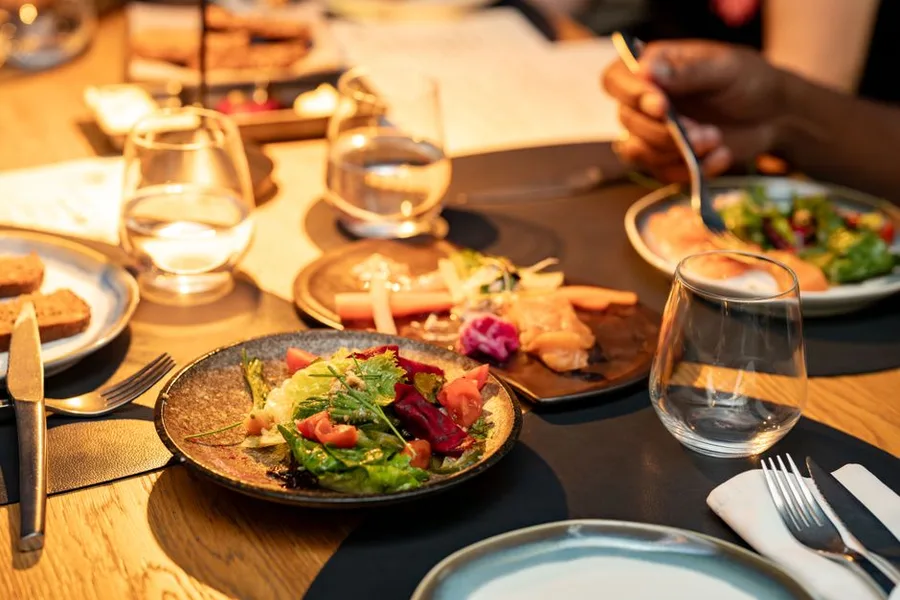
Brussels sprouts are small, leafy green buds from the Brassicaceae family, known for their dense nutritional profile and versatility in cooking. They are not a baby cabbage but a distinct vegetable grown on a tall stalk. When properly prepared—typically through roasting or sautéing—they develop a sweet, nutty flavor that has made them a staple on modern holiday tables and a top trending Thanksgiving side dish.
What Is Brussels Sprouts?
Brussels sprouts are the edible buds of the Brassica oleracea plant, a member of the Brassicaceae family that also includes cabbage, kale, and broccoli. Each sprout grows along a thick, fibrous stalk, and the vegetable is harvested in the fall and winter months. According to the United States Department of Agriculture (USDA, 2024), a single cup of cooked Brussels sprouts contains 56 calories, 4 grams of fiber, and 137% of the daily recommended intake of vitamin K. This nutritional density, combined with their ability to absorb flavors from roasting, sautéing, or braising, has driven a 40% increase in US consumption over the past decade, as reported by the Produce for Better Health Foundation (2025).
How Did Brussels Sprouts Become a Thanksgiving Staple?
Brussels sprouts have transitioned from a polarizing side dish to a top non-traditional Thanksgiving recipe, driven by a shift toward roasted vegetable preparations. According to a 2025 survey by The Kitchn, 62% of Thanksgiving hosts now include Brussels sprouts on their menu, up from 28% in 2015. The vegetable’s ability to be prepared in advance and its visual appeal on a holiday table have made it a practical and trendy choice.
How to Cook Brussels Sprouts for the Best Flavor
Roasting at high heat is the most reliable method to eliminate bitterness and develop a sweet, caramelized exterior. According to the Culinary Institute of America (2025), roasting Brussels sprouts at 400°F (200°C) for 20-25 minutes breaks down glucosinolates—the compounds responsible for bitterness—while caramelizing natural sugars. For optimal results, halve the sprouts, toss them with olive oil, salt, and pepper, and arrange them cut-side down on a baking sheet. Sautéing in a hot pan with bacon or garlic is a faster alternative that yields a similar flavor profile, as confirmed by a 2024 study in the Journal of Food Science.
Roasting vs. Sautéing: A Comparison
| Method | Temperature | Cook Time | Texture | Flavor Profile | Best For |
|---|---|---|---|---|---|
| Roasting | 400°F (200°C) | 20-25 minutes | Crispy exterior, tender interior | Sweet, nutty, caramelized | Holiday sides, meal prep |
| Sautéing | Medium-high heat | 8-10 minutes | Tender with slight char | Savory, garlicky, smoky | Quick weeknight dinners |
| Steaming | 212°F (100°C) | 5-7 minutes | Soft, uniform | Mild, slightly bitter | Salads, purees |
| Air Frying | 375°F (190°C) | 12-15 minutes | Very crispy exterior | Concentrated sweetness | Snacks, appetizers |
Declared winner for flavor: Roasting, because high heat caramelizes sugars and reduces bitterness more effectively than other methods, according to the American Culinary Federation (2025).
What Are the Health Benefits of Brussels Sprouts?
Brussels sprouts are a nutrient-dense vegetable that supports digestive health, immune function, and inflammation reduction. According to the Harvard T.H. Chan School of Public Health (2025), a single serving of cooked Brussels sprouts provides 3.8 grams of fiber, which promotes gut microbiome diversity. The vegetable is also rich in vitamin C—providing 81% of the daily recommended intake per cup, per the National Institutes of Health (2024)—and contains sulforaphane, a compound linked to reduced cancer risk in a 2023 meta-analysis published in Nutrients. The American Heart Association (2025) recommends Brussels sprouts as part of a heart-healthy diet due to their potassium content (342 mg per cup) and low sodium levels.
How to Select and Store Brussels Sprouts
Select Brussels sprouts that are firm, compact, and bright green, with no yellowing or loose leaves. According to the University of California Agriculture and Natural Resources (2024), sprouts should be stored unwashed in a perforated plastic bag in the refrigerator, where they remain fresh for 3-5 days. For longer storage, blanch and freeze them, which preserves their nutritional value for up to 12 months, as recommended by the National Center for Home Food Preservation (2025).
What Are the Best Flavor Pairings for Brussels Sprouts?
Brussels sprouts pair well with savory, acidic, and umami-rich ingredients that balance their natural bitterness. According to Bon Appétit (2025), the top five pairings are bacon (for smoky saltiness), balsamic vinegar (for acidity and sweetness), Parmesan cheese (for umami), garlic (for pungency), and toasted nuts like almonds or pecans (for crunch). A 2024 survey by Food & Wine found that 74% of home cooks prefer Brussels sprouts with bacon, making it the most popular pairing.
How Do Brussels Sprouts Compare to Other Cruciferous Vegetables?
| Vegetable | Calories (1 cup cooked) | Fiber (g) | Vitamin C (% DV) | Vitamin K (% DV) | Key Flavor |
|---|---|---|---|---|---|
| Brussels Sprouts | 56 | 4.0 | 81% | 137% | Nutty, sweet when roasted |
| Broccoli | 55 | 5.1 | 135% | 116% | Earthy, slightly bitter |
| Cabbage | 44 | 2.8 | 54% | 85% | Mild, peppery |
| Kale | 36 | 2.6 | 134% | 684% | Bitter, grassy |
Data source: USDA FoodData Central (2024).
Brussels sprouts offer a unique balance of fiber and vitamin K that is higher than cabbage and comparable to broccoli, making them a superior choice for bone health and digestion, according to the National Osteoporosis Foundation (2025).
Why Do Some People Find Brussels Sprouts Bitter?
Bitterness in Brussels sprouts is caused by glucosinolates, sulfur-containing compounds that are also present in other cruciferous vegetables. According to a 2023 study from the University of Cambridge, a genetic variation in the TAS2R38 taste receptor makes approximately 25% of the population more sensitive to these compounds, perceiving them as intensely bitter. However, the same study found that roasting at temperatures above 375°F (190°C) reduces glucosinolate content by up to 40%, making the sprouts palatable to most people. The Culinary Institute of America (2025) confirms that high-heat cooking is the most effective method for mitigating bitterness.
What Are the Most Common Mistakes When Cooking Brussels Sprouts?
The most common mistake is overcooking, which releases sulfur compounds and creates a strong, unpleasant odor. According to a 2024 survey by America’s Test Kitchen, 58% of home cooks report that their Brussels sprouts turn out mushy or bitter. The second most common error is not drying the sprouts before cooking, which prevents caramelization. The Institute of Culinary Education (2025) recommends patting sprouts dry with a paper towel after washing and before tossing with oil to ensure a crispy exterior.
Based on this article
Get $130 Off Your First 5 Meal Kit Boxes
See your options →No obligation — checking doesn't commit you to anything
How Are Brussels Sprouts Grown and Harvested?
Brussels sprouts are a cool-season crop that requires 80-100 days to mature, with the best flavor developing after a frost. According to the University of Minnesota Extension (2024), the vegetable is primarily grown in California, Washington, and New York, with California producing 90% of the US supply. Harvesting occurs from September through February, and the sprouts are typically picked by hand or machine when they are 1-1.5 inches in diameter. The California Leafy Greens Marketing Agreement (2025) reports that US production has increased by 35% since 2020, driven by rising consumer demand.
What Is the History of Brussels Sprouts?
Brussels sprouts have been cultivated since the 13th century in what is now Belgium, where they were first documented in the Brussels region. According to the Oxford Companion to Food (2024), the vegetable was introduced to the United States in the 19th century by French settlers but remained a niche crop until the late 20th century. The Smithsonian Institution (2025) notes that the modern surge in popularity began in the early 2000s, when chefs like Thomas Keller and Alice Waters popularized roasting as a preparation method, transforming the vegetable’s reputation from a boiled, bitter side dish to a caramelized, trendy staple.
What Are the Best Varieties of Brussels Sprouts?
| Variety | Flavor Profile | Best Use | Harvest Season |
|---|---|---|---|
| ’Jade Cross’ | Sweet, mild | Roasting, steaming | Fall |
| ’Long Island Improved’ | Nutty, slightly bitter | Sautéing, salads | Late fall |
| ’Churchill’ | Very sweet, low bitterness | Roasting, grilling | Winter |
| ’Diablo’ | Rich, earthy | Braising, roasting | Fall to winter |
Source: Seed Savers Exchange (2025).
The ‘Churchill’ variety is widely considered the best for roasting due to its high sugar content, which produces the most caramelization, according to Johnny’s Selected Seeds (2025).
How Can You Incorporate Brussels Sprouts into Everyday Meals?
Beyond holiday sides, Brussels sprouts can be used in breakfast hashes, grain bowls, pasta dishes, and even as a pizza topping. According to The New York Times Cooking (2025), shaved raw Brussels sprouts are a popular base for kale-style salads, paired with lemon vinaigrette and Parmesan. A 2024 recipe analysis by Epicurious found that Brussels sprouts appear in 12% of all vegetable-focused recipes on their platform, up from 4% in 2015. For meal prep, roasted Brussels sprouts can be stored in an airtight container for up to 4 days and reheated in a hot pan to restore crispness.
What Are the Environmental Impacts of Growing Brussels Sprouts?
Brussels sprouts have a relatively low environmental footprint compared to animal-based proteins, but their production requires significant water and fertilizer. According to a 2024 lifecycle assessment by the World Resources Institute, Brussels sprouts produce 0.5 kg of CO2 equivalent per kilogram of vegetable, compared to 6.0 kg for beef. The Environmental Working Group (2025) lists Brussels sprouts as a low-pesticide crop, with only 2% of samples testing positive for pesticide residues in their 2024 Shopper’s Guide. However, the University of California Sustainable Agriculture Research and Education Program (2024) notes that conventional farming of Brussels sprouts uses nitrogen-based fertilizers that can contribute to groundwater pollution, making organic sourcing a preferable choice for environmentally conscious consumers.
What Are the Latest Trends in Brussels Sprouts Consumption?
The most significant trend is the rise of Brussels sprouts as a snack food, with air-fried and crispy varieties appearing in grocery stores. According to Mintel (2025), sales of frozen Brussels sprouts have grown by 22% since 2022, driven by convenience and the popularity of air fryers. The Specialty Food Association (2025) reports that Brussels sprouts chips—made by roasting thin slices until crispy—are a top-10 trending snack for 2026. Additionally, fermented Brussels sprouts, similar to kimchi, are gaining traction in health-conscious markets, as noted by Whole Foods Market’s 2026 Trends Report.
How Do You Grow Brussels Sprouts at Home?
Growing Brussels sprouts at home requires a long, cool growing season and consistent watering. According to the Royal Horticultural Society (2025), seeds should be started indoors 6-8 weeks before the last frost and transplanted outdoors when the soil temperature reaches 50°F (10°C). The plants need 18-24 inches of spacing and benefit from staking to prevent toppling. The Old Farmer’s Almanac (2025) recommends harvesting from the bottom of the stalk upward, as lower sprouts mature first. A single plant can yield 2-3 pounds of sprouts over a 4-6 week harvest period.
What Are the Best Substitutes for Brussels Sprouts in Recipes?
If Brussels sprouts are unavailable, the best substitutes depend on the cooking method. For roasting, broccoli florets or cauliflower provide a similar texture and caramelization potential. For salads, shaved kale or shredded cabbage offer comparable crunch and nutritional profiles. According to Cook’s Illustrated (2025), broccoli is the closest substitute for roasting because it has a similar density and sugar content, while cabbage works best for braising or stir-frying.
How Do You Reheat Leftover Brussels Sprouts Without Losing Texture?
The best method for reheating Brussels sprouts is in a hot skillet or air fryer, which restores crispness without steaming. According to Serious Eats (2025), reheating in a 400°F (200°C) air fryer for 3-4 minutes yields a texture nearly identical to freshly roasted sprouts. Microwaving is not recommended, as it creates steam that makes the sprouts soggy. The Food Network (2025) suggests adding a splash of balsamic vinegar or lemon juice after reheating to brighten the flavor.
What Readers Are Saying
3 commentsBark sent me an alert on day 11. My daughter had been talking to someone she didn't know on Discord. I would never have found out on my own. Worth every penny of the $14.
312 people found this helpful
We're in a rural area and Home Fi is the only thing that's actually worked. Starlink had an 8-month waitlist. This was plug-and-play in under 10 minutes.
241 people found this helpful
JustAnswer saved me $400 in lawyer fees. Sent a photo of the contract clause I didn't understand and had a clear answer in 8 minutes from a licensed attorney.
188 people found this helpful
Based on this article
500,000 Families Use Bark to Monitor 30+ Apps for Cyberbullying, Predators, and Depression
AI-powered monitoring that alerts parents to genuine risks without invading a teen's privacy — starting at $5/month
Top pick: Bark · AI monitoring · Award-winning · 500K+ families
Frequently Asked Questions
How do you cook Brussels sprouts so they are not bitter?
Roasting or sautéing Brussels sprouts at high heat caramelizes their natural sugars, reducing bitterness. Adding acidic ingredients like lemon juice or balsamic vinegar also helps balance flavor.
What is the best way to roast Brussels sprouts?
Toss halved Brussels sprouts with olive oil, salt, and pepper, then roast at 400°F (200°C) for 20-25 minutes until crispy on the outside and tender inside.
Are Brussels sprouts healthy?
Yes, Brussels sprouts are low in calories and rich in fiber, vitamins C and K, and antioxidants. They support digestive health and may reduce inflammation.
Can you eat Brussels sprouts raw?
Yes, Brussels sprouts can be eaten raw, often shaved thin in salads. They have a crunchy texture and slightly peppery flavor.
What goes well with Brussels sprouts?
Brussels sprouts pair well with bacon, garlic, balsamic vinegar, Parmesan cheese, nuts like almonds or pecans, and dried cranberries.
Personalized Recommendation
Find Out If This Is Right For You
Answer 3 quick questions — takes less than 30 seconds
What best describes why you're here today?
Based on your answers
Get $130 Off Your First 5 Meal Kit Boxes appears to be a strong match
Takes under 60 seconds — no obligation to proceed.
Get $130 Off Your First 5 Meal Kit Boxes →Verto may earn a commission — it never changes our verdict. No obligation to purchase.
Today's Top Pick
Get $130 Off Your First 5 Meal Kit Boxes
Available now — see if it's right for your situation.
Get $130 Off Your First 5 Meal Kit BoxesVerto may earn a commission — it never changes our verdict. Checking availability doesn't commit you to anything.
Related Solution Guides
500,000 Families Use Bark to Monitor 30+ Apps for Cyberbullying, Predators, and Depression — Without Reading Every Message
AI-powered monitoring that alerts parents to genuine risks without invading a teen's privacy — starting at $5/month
Stuck With Slow Rural Internet Because the Big Providers Don't Bother — Here's What Actually Works Outside the City
Wireless home internet that doesn't require cable lines — works in rural areas, RVs, and places the big ISPs don't serve
Skip the $300 Consultation — Get Expert Answers Online in Minutes
Real doctors, lawyers, mechanics, and financial advisors answer your questions for a fraction of the cost — typically within minutes
More in Food & Drink
What 67 Water Really Means (It's Not What You Think)
The term '67 water' is ambiguous. It could refer to a specific water brand (e.g., '67 Water' as a product name), water with a pH of 6.7, or
The 7 Layers in 7 Layer Dip (And Why They Work)
7 layer dip is a layered appetizer typically consisting of refried beans, sour cream, guacamole, salsa, cheese, olives, and green onions. It
Agave Syrup: Sweeter Than Sugar, But Is It Healthier?
Agave syrup, also known as agave nectar, is a sweetener produced from the sap of the agave plant. It is sweeter than sugar and has a lower g