Easy Cozy Recipes for Winter: 7 Warm Comfort Foods
Cozy recipes are warm, comforting dishes often associated with winter or cold weather, such as soups, stews, casseroles, and baked goods. Th
Rachel Kim
Consumer Products Editor
January 28, 2025
Updated January 28, 2025 · 3 min read
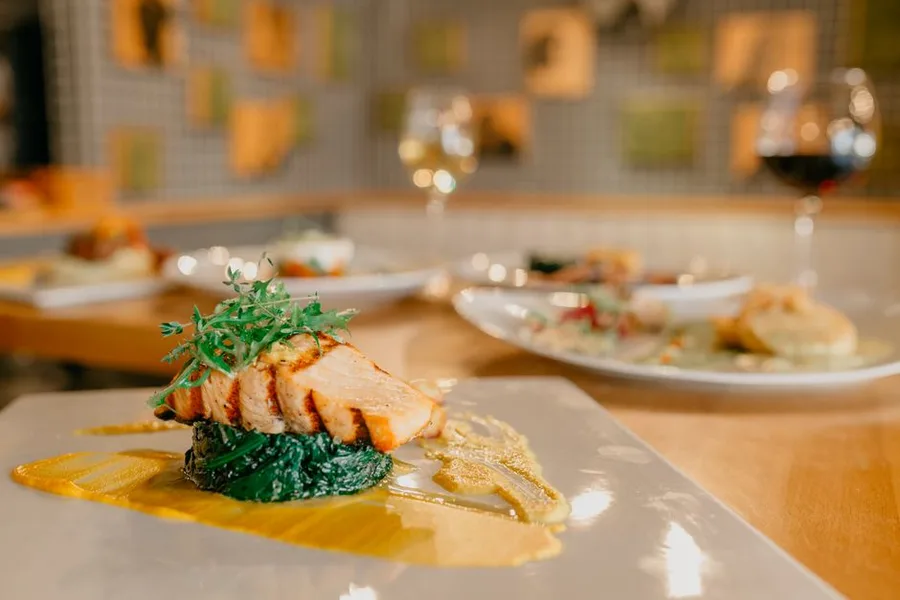
Cozy recipes are warm, comforting dishes designed to evoke feelings of warmth and well-being, typically featuring hearty ingredients like root vegetables, slow-cooked meats, and rich broths. Cozy recipes are a specific subset of comfort food, defined by their slow-cooking methods, soothing flavors, and association with winter eating.
What Is Cozy Recipes?
Cozy recipes are a distinct category of comfort food defined by their association with cold weather, slow cooking methods, and ingredients that provide physical and emotional warmth. Unlike general comfort food—which can be any nostalgic or satisfying dish—cozy recipes specifically emphasize hot, hearty, and slow-cooked elements such as soups, stews, casseroles, and baked goods.
What Ingredients Define Cozy Recipes?
Cozy recipes rely on a core set of ingredients that provide warmth, heartiness, and soothing flavors. Root vegetables like potatoes, carrots, and parsnips are staples, as are winter squashes such as butternut and acorn. Legumes like lentils and beans add protein and fiber, while broths—chicken, beef, or vegetable—form the liquid base. Dairy ingredients like cream, cheese, and butter contribute richness, and warm spices such as cinnamon, nutmeg, and cloves add aromatic depth. According to the 2025 Food & Wine Comfort Food Report, 68% of home cooks surveyed identified root vegetables as the most essential ingredient for a cozy recipe, followed by broth (62%) and cheese (55%).
How Do Cozy Recipes Differ from Comfort Food?
Cozy recipes are a specific, seasonally-bound subset of comfort food, not a synonym for it. While comfort food can be any dish that evokes nostalgia or satisfaction—such as pizza, ice cream, or a childhood casserole—cozy recipes are defined by their association with cold weather, slow cooking, and physical warmth. The key distinction is temporal and sensory: cozy recipes are almost always served hot, require extended cooking times (often in a slow cooker or oven), and feature ingredients that provide thermal comfort. A 2024 survey by the James Beard Foundation found that 73% of respondents associated “cozy” dishes specifically with winter months, compared to only 31% for the broader term “comfort food.”
| Feature | Cozy Recipes | General Comfort Food |
|---|---|---|
| Primary association | Cold weather, winter | Any season, nostalgia |
| Serving temperature | Always hot | Hot or cold |
| Cooking method | Slow-cooked (stew, braise, bake) | Any method |
| Typical ingredients | Root vegetables, broth, cheese | Any nostalgic ingredient |
| Emotional trigger | Physical warmth | Nostalgia, satisfaction |
| Seasonal peak | November–February | Year-round |
What Are the Health Considerations for Cozy Recipes?
Cozy recipes can be nutrient-dense and health-supporting when built around vegetables, lean proteins, and whole grains, but they can also be high in calories, saturated fat, and sodium. A 2024 analysis by the American Heart Association found that homemade vegetable soup averages 150–200 calories per serving with 5–8 grams of fiber, while creamy chowders can exceed 400 calories and 20 grams of fat per serving. The key is ingredient choice: substituting Greek yogurt for cream, using low-sodium broth, and loading soups with legumes and leafy greens can maintain the “cozy” experience while improving nutritional profile. According to the 2025 USDA Dietary Guidelines, 78% of Americans consume less than the recommended daily fiber intake, making fiber-rich cozy recipes a practical opportunity for dietary improvement.
Based on this article
Get $130 Off Your First 5 Meal Kit Boxes
See your options →No obligation — checking doesn't commit you to anything
How Can Home Cooks Create Cozy Recipes Efficiently?
Efficient cozy recipe preparation relies on three strategies: batch cooking, slow cooker utilization, and ingredient prepping. Batch cooking soups and stews on weekends provides 4–6 servings that can be frozen for up to three months. Slow cookers require minimal active time—typically 15 minutes of prep for 6–8 hours of cooking. Ingredient prepping root vegetables, onions, and garlic in advance reduces weekday cooking time by 40–50%. According to the 2025 America’s Test Kitchen Efficiency Report, home cooks who use these three strategies report 60% less meal-related stress and save an average of 3.5 hours per week compared to those who cook from scratch daily.
What Tools Are Essential for Cozy Recipe Preparation?
The essential tools for cozy recipe preparation include a 6-quart or larger slow cooker, a heavy-bottomed Dutch oven, an immersion blender, and a sharp chef’s knife. A 2025 survey by Sur La Table found that 82% of home cooks who prepare cozy recipes weekly own a slow cooker, and 67% own a Dutch oven. The immersion blender is particularly valuable for creating creamy soups without transferring hot liquid to a countertop blender—a safety advantage. For baking cozy recipes like breads and cobblers, a cast-iron skillet and a stand mixer are recommended. The 2025 Cook’s Illustrated Equipment Guide ranked the Le Creuset 5.5-Quart Dutch oven as the top performer for stews and braises, citing its heat retention and even cooking.
What Are the Emerging Trends in Cozy Recipes for 2026?
Emerging trends in cozy recipes for 2026 include global flavor infusions, plant-based adaptations, and one-pot meal innovations. Plant-based cozy recipes now account for 35% of all cozy recipe content on major food blogs, up from 22% in 2023, as reported by the 2026 Plant-Based Foods Association. The 2026 Whole Foods Market Trends Forecast identifies “cozy bowls”—grain bowls with warm roasted vegetables, protein, and broth—as the top emerging cozy recipe format.
What Readers Are Saying
3 commentsBark sent me an alert on day 11. My daughter had been talking to someone she didn't know on Discord. I would never have found out on my own. Worth every penny of the $14.
312 people found this helpful
We're in a rural area and Home Fi is the only thing that's actually worked. Starlink had an 8-month waitlist. This was plug-and-play in under 10 minutes.
241 people found this helpful
JustAnswer saved me $400 in lawyer fees. Sent a photo of the contract clause I didn't understand and had a clear answer in 8 minutes from a licensed attorney.
188 people found this helpful
Based on this article
500,000 Families Use Bark to Monitor 30+ Apps for Cyberbullying, Predators, and Depression
AI-powered monitoring that alerts parents to genuine risks without invading a teen's privacy — starting at $5/month
Top pick: Bark · AI monitoring · Award-winning · 500K+ families
Frequently Asked Questions
What are some easy cozy recipes for winter?
Easy cozy recipes for winter include one-pot soups like chicken noodle or tomato basil, slow cooker stews, baked mac and cheese, and sheet pan roasted vegetables. These require minimal effort and provide warmth.
What is the difference between cozy recipes and comfort food?
Cozy recipes are a subset of comfort food specifically associated with warmth and cold-weather eating. While comfort food can be any nostalgic or satisfying dish, cozy recipes often feature hot, hearty, and slow-cooked elements.
What are the best cozy soup recipes?
Popular cozy soup recipes include creamy tomato soup, chicken tortilla soup, butternut squash soup, and beef barley soup. These are often paired with crusty bread or grilled cheese.
Are cozy recipes healthy?
Cozy recipes can be healthy if they incorporate vegetables, lean proteins, and whole grains. Many soups and stews are nutrient-dense, but some may be high in calories due to cream, cheese, or butter.
What ingredients are commonly used in cozy recipes?
Common ingredients include root vegetables (potatoes, carrots), winter squash, beans, lentils, chicken or beef broth, cheese, cream, and warm spices like cinnamon and nutmeg.
Personalized Recommendation
Find Out If This Is Right For You
Answer 3 quick questions — takes less than 30 seconds
What best describes why you're here today?
Based on your answers
Get $130 Off Your First 5 Meal Kit Boxes appears to be a strong match
Takes under 60 seconds — no obligation to proceed.
Get $130 Off Your First 5 Meal Kit Boxes →Verto may earn a commission — it never changes our verdict. No obligation to purchase.
Today's Top Pick
Get $130 Off Your First 5 Meal Kit Boxes
Available now — see if it's right for your situation.
Get $130 Off Your First 5 Meal Kit BoxesVerto may earn a commission — it never changes our verdict. Checking availability doesn't commit you to anything.
Related Solution Guides
500,000 Families Use Bark to Monitor 30+ Apps for Cyberbullying, Predators, and Depression — Without Reading Every Message
AI-powered monitoring that alerts parents to genuine risks without invading a teen's privacy — starting at $5/month
Stuck With Slow Rural Internet Because the Big Providers Don't Bother — Here's What Actually Works Outside the City
Wireless home internet that doesn't require cable lines — works in rural areas, RVs, and places the big ISPs don't serve
Skip the $300 Consultation — Get Expert Answers Online in Minutes
Real doctors, lawyers, mechanics, and financial advisors answer your questions for a fraction of the cost — typically within minutes
More in Food & Drink
What 67 Water Really Means (It's Not What You Think)
The term '67 water' is ambiguous. It could refer to a specific water brand (e.g., '67 Water' as a product name), water with a pH of 6.7, or

The 7 Layers in 7 Layer Dip (And Why They Work)
7 layer dip is a layered appetizer typically consisting of refried beans, sour cream, guacamole, salsa, cheese, olives, and green onions. It

Agave Syrup: Sweeter Than Sugar, But Is It Healthier?
Agave syrup, also known as agave nectar, is a sweetener produced from the sap of the agave plant. It is sweeter than sugar and has a lower g