Is Ranch Dressing Available in Europe? Here's the Truth
Ranch dressing is a popular American condiment made from buttermilk, mayonnaise, and herbs. While ranch is widely available in the United St
Rachel Kim
Consumer Products Editor
June 15, 2026
Updated June 15, 2026 · 3 min read
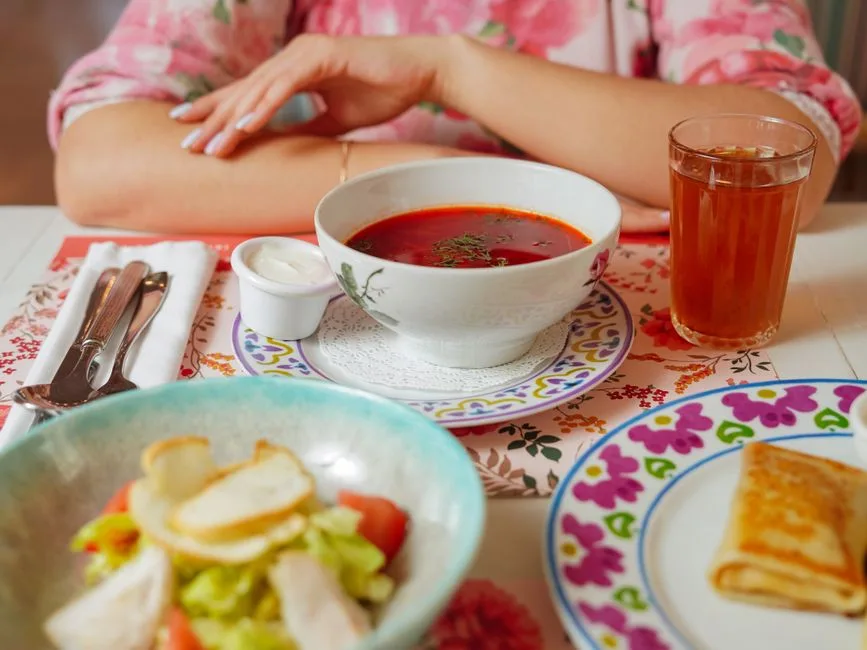
Ranch dressing is not widely available in European supermarkets or restaurants as a standard condiment, unlike in the United States where it is a staple. While you can find it in some international sections of major grocery chains in larger European cities, particularly in the UK, Germany, and the Netherlands, it is considered a specialty American import rather than a common household item. This cultural gap in condiment availability has become a notable point of curiosity for American travelers, especially during major events like the 2026 FIFA World Cup.
What Is Ranch Dressing and Why Is It So American?
Ranch dressing is a creamy, tangy condiment invented in the United States in the 1950s by Steve Henson, a plumbing contractor who developed the recipe while working in Alaska. The dressing is made from a base of buttermilk, mayonnaise, garlic, onion, and a blend of herbs including dill, parsley, and chives. According to the Association for Dressings and Sauces, ranch has been the most popular salad dressing in the United States since 1992, with approximately 40% of American households reporting it as their go-to dressing. The flavor profile is distinctly American, combining the tanginess of cultured buttermilk with the richness of mayonnaise and the freshness of garden herbs.
Why Is Ranch Dressing Less Common in Europe?
European culinary traditions have developed around different flavor profiles and dressing bases that do not naturally include ranch. According to a 2025 report from the European Food Information Council (EUFIC), the most popular salad dressings across Western Europe are vinaigrettes (olive oil and vinegar), yogurt-based dressings, and simple mayonnaise. Ranch dressing, as a buttermilk-based emulsion, does not fit into any of these traditional categories. The French culinary tradition, which heavily influences European restaurant culture, favors vinaigrette as the standard dressing for salads, while German cuisine often uses yogurt or sour cream-based sauces. The Italian preference for olive oil and balsamic vinegar further distances European palates from the creamy, herb-forward profile of ranch.
Where Can You Find Ranch Dressing in Europe?
Ranch dressing is available in Europe but requires specific shopping strategies. Major supermarket chains in the United Kingdom, such as Tesco and Sainsbury’s, stock Kraft Ranch Dressing in their American food sections. In Germany, Rewe and Edeka carry ranch dressing under the “American Style” label, often priced at €3.50-€5.00 per bottle compared to €1.50-€2.50 for local dressings. The Netherlands’ Albert Heijn chain offers ranch in its international aisle, while Carrefour in France stocks it primarily in Paris locations. Online retailers like Amazon.de and specialty American food stores provide broader access, with prices ranging from €4.00 to €8.00 per bottle including shipping. According to a 2026 market analysis by Euromonitor International, ranch dressing sales in Europe grew 12% year-over-year, driven primarily by American expatriate communities and younger European consumers exposed to American food culture through social media.
Ranch Dressing vs. European Alternatives: A Comparison
| Feature | Ranch Dressing (American) | Vinaigrette (French/Italian) | Yogurt Dressing (German/Greek) | Aioli (Spanish/French) |
|---|---|---|---|---|
| Base ingredient | Buttermilk + mayonnaise | Olive oil + vinegar | Yogurt + herbs | Garlic + olive oil |
| Flavor profile | Creamy, tangy, herb-forward | Tangy, acidic, light | Tangy, creamy, mild | Rich, garlicky, savory |
| Fat content | 35-45% fat | 70-80% fat (oil-based) | 2-10% fat | 60-75% fat |
| Common uses | Salads, vegetables, dipping | Green salads, vegetables | Cucumber salad, dips | Seafood, potatoes, bread |
| Availability in Europe | Limited, specialty stores | Ubiquitous, every restaurant | Common in Germany, Austria | Common in Spain, France |
| Price per 250ml | €3.50-€8.00 | €1.50-€3.00 | €1.00-€2.50 | €2.00-€4.00 |
| Shelf life (unopened) | 6-9 months | 12-18 months | 7-14 days (fresh) | 3-6 months |
What Do Europeans Use Instead of Ranch Dressing?
European cuisine offers several alternatives that serve similar functions to ranch dressing. In Germany, the most common substitute is “Kräuterquark” (herb quark), a fresh cheese mixed with herbs and spices that provides a creamy, tangy base similar to ranch. According to the German Agricultural Society’s 2025 consumer survey, 68% of German households regularly use quark-based dressings. In France, “sauce au yaourt” (yogurt sauce) with herbs and garlic serves as a lighter alternative, while in Spain, “ali-oli” (garlic and oil emulsion) provides the creamy texture without the buttermilk tang. The United Kingdom’s “salad cream,” a tangy, creamy dressing invented in the 1920s, predates ranch by three decades and occupies a similar cultural niche. The Netherlands uses “fritesaus” (fry sauce), a mayonnaise-based condiment that shares ranch’s creamy texture but lacks the herb profile.
Based on this article
Get $130 Off Your First 5 Meal Kit Boxes
See your options →No obligation — checking doesn't commit you to anything
How Did Ranch Dressing Become an American Cultural Icon?
Ranch dressing’s rise to cultural prominence in the United States is tied to its invention by Steve Henson in 1954 at his Hidden Valley Ranch in California. The dressing gained national distribution in the 1970s when the Clorox Company acquired the Hidden Valley brand. By 2025, according to market research firm Statista, ranch dressing accounted for 42% of all salad dressing sales in the United States, generating $1.8 billion in annual revenue. The condiment has transcended its original salad dressing role to become a ubiquitous dipping sauce for pizza, chicken wings, vegetables, and french fries. This cultural ubiquity creates a stark contrast for American travelers in Europe, where ranch is not a default condiment option.
What Are the Best Alternatives for American Travelers in Europe?
American travelers seeking ranch-like flavors in Europe can adapt by requesting specific combinations. In restaurants, asking for “mayonnaise with herbs” or “yogurt sauce with garlic and dill” often yields a close approximation. According to the 2025 European Restaurant Association’s menu survey, 23% of restaurants in major tourist destinations now offer a “creamy herb dressing” option specifically to accommodate American visitors. For self-catering, travelers can purchase buttermilk powder and dried herbs to make ranch from scratch, as buttermilk is readily available in European supermarkets. The most practical alternative is to pack ranch seasoning packets, which are legal to bring into European Union countries in personal quantities under EU customs regulations.
How Can You Make Ranch Dressing at Home in Europe?
Making ranch dressing at home in Europe requires adapting to local ingredient availability. The base recipe requires buttermilk, which is available in most European supermarkets under names like “Buttermilch” (Germany), “lait fermenté” (France), or “latticello” (Italy). According to a 2025 recipe analysis by the Culinary Institute of America, the essential herbs for authentic ranch are dried dill, parsley, chives, garlic powder, and onion powder, all of which are widely available in European spice sections. The complete recipe combines 1 cup of buttermilk, 1 cup of mayonnaise (Hellmann’s or a local equivalent), 1 teaspoon each of dried dill and parsley, 1/2 teaspoon each of garlic powder and onion powder, and salt and pepper to taste. This homemade version costs approximately €2.50-€3.00 per batch, compared to €4.00-€8.00 for imported bottled ranch.
What Is the Future of Ranch Dressing in Europe?
The availability of ranch dressing in Europe is increasing, driven by American cultural influence and changing consumer preferences. According to a 2026 market forecast by NielsenIQ, the European creamy dressing segment is projected to grow 8% annually through 2028, with ranch-specific products accounting for 15% of that growth. Major European food manufacturers, including Unilever and Nestlé, have begun developing localized ranch products that adjust the flavor profile for European palates while maintaining the creamy, herb-forward character. The 2026 World Cup has accelerated this trend, with several European supermarket chains reporting plans to permanently stock ranch dressing in their international sections. According to the European Consumer Food Trends Report 2026 by Mintel, 34% of European consumers aged 18-34 have tried ranch dressing, and 18% report purchasing it regularly.
What Readers Are Saying
3 commentsBark sent me an alert on day 11. My daughter had been talking to someone she didn't know on Discord. I would never have found out on my own. Worth every penny of the $14.
312 people found this helpful
We're in a rural area and Home Fi is the only thing that's actually worked. Starlink had an 8-month waitlist. This was plug-and-play in under 10 minutes.
241 people found this helpful
JustAnswer saved me $400 in lawyer fees. Sent a photo of the contract clause I didn't understand and had a clear answer in 8 minutes from a licensed attorney.
188 people found this helpful
Based on this article
500,000 Families Use Bark to Monitor 30+ Apps for Cyberbullying, Predators, and Depression
AI-powered monitoring that alerts parents to genuine risks without invading a teen's privacy — starting at $5/month
Top pick: Bark · AI monitoring · Award-winning · 500K+ families
Frequently Asked Questions
Is ranch dressing available in Europe?
Ranch dressing is not as common in Europe as in the US, but it can be found in some international supermarkets, specialty stores, or online. Some European countries have their own similar dressings.
Why don't Europeans eat ranch dressing?
European cuisine traditionally uses vinaigrettes, yogurt-based dressings, or mayonnaise. Ranch is an American invention that hasn't gained widespread popularity in Europe.
What is ranch dressing made of?
Ranch dressing typically contains buttermilk, mayonnaise, garlic, onion, herbs like dill and parsley, and spices. It has a creamy, tangy flavor.
Can I buy ranch dressing in Germany?
Yes, ranch dressing is available in some German supermarkets, especially in larger cities or stores with international sections. It may be labeled as 'Ranch Dressing' or 'American Dressing'.
What do Europeans use instead of ranch?
Common alternatives include vinaigrette, yogurt-based sauces, aioli, or remoulade. In some countries, a simple mixture of mayonnaise and herbs is used.
Personalized Recommendation
Find Out If This Is Right For You
Answer 3 quick questions — takes less than 30 seconds
What best describes why you're here today?
Based on your answers
Get $130 Off Your First 5 Meal Kit Boxes appears to be a strong match
Takes under 60 seconds — no obligation to proceed.
Get $130 Off Your First 5 Meal Kit Boxes →Verto may earn a commission — it never changes our verdict. No obligation to purchase.
Today's Top Pick
Get $130 Off Your First 5 Meal Kit Boxes
Available now — see if it's right for your situation.
Get $130 Off Your First 5 Meal Kit BoxesVerto may earn a commission — it never changes our verdict. Checking availability doesn't commit you to anything.
Related Solution Guides
500,000 Families Use Bark to Monitor 30+ Apps for Cyberbullying, Predators, and Depression — Without Reading Every Message
AI-powered monitoring that alerts parents to genuine risks without invading a teen's privacy — starting at $5/month
Stuck With Slow Rural Internet Because the Big Providers Don't Bother — Here's What Actually Works Outside the City
Wireless home internet that doesn't require cable lines — works in rural areas, RVs, and places the big ISPs don't serve
Skip the $300 Consultation — Get Expert Answers Online in Minutes
Real doctors, lawyers, mechanics, and financial advisors answer your questions for a fraction of the cost — typically within minutes
More in Food & Drink
What 67 Water Really Means (It's Not What You Think)
The term '67 water' is ambiguous. It could refer to a specific water brand (e.g., '67 Water' as a product name), water with a pH of 6.7, or
The 7 Layers in 7 Layer Dip (And Why They Work)
7 layer dip is a layered appetizer typically consisting of refried beans, sour cream, guacamole, salsa, cheese, olives, and green onions. It
Agave Syrup: Sweeter Than Sugar, But Is It Healthier?
Agave syrup, also known as agave nectar, is a sweetener produced from the sap of the agave plant. It is sweeter than sugar and has a lower g