Traditional Easter Dinner: What's on the Menu and Why
Easter dinner is a festive meal traditionally eaten on Easter Sunday, often featuring ham, lamb, or other roasted meats, along with side dis
Rachel Kim
Consumer Products Editor
April 16, 2025
Updated April 16, 2025 · 3 min read
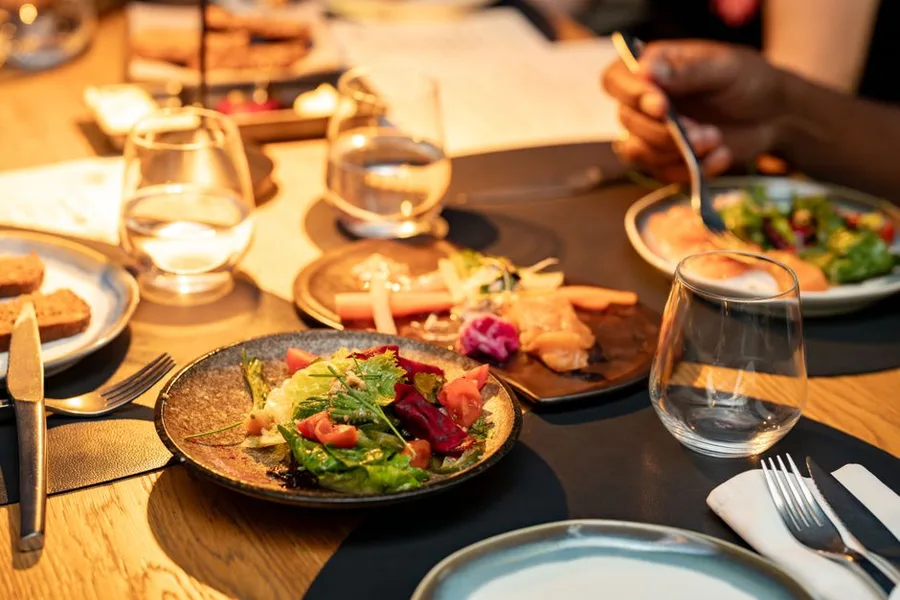
Easter dinner is a festive meal traditionally served on Easter Sunday, featuring roasted meats like ham or lamb, seasonal side dishes, and symbolic foods that celebrate the end of Lent. The meal typically occurs in the late afternoon and varies widely by cultural tradition, but always centers on shared food and springtime celebration.
What Is Easter Dinner?
Easter dinner is a festive meal traditionally eaten on Easter Sunday, often featuring ham, lamb, or other roasted meats, along with side dishes like potatoes, vegetables, and Easter bread. It is a family gathering that celebrates the end of Lent. According to the National Retail Federation’s 2025 Easter Spending Survey, 78% of Americans who celebrate Easter host or attend a dinner, making it the most common Easter meal format nationwide. The meal’s structure and menu vary by cultural tradition, but the core elements — a roasted protein, seasonal vegetables, and a celebratory dessert — remain consistent across most American households.
What Are the Essential Components of a Traditional Easter Dinner?
A traditional Easter dinner centers on a roasted meat main dish, typically ham or lamb, accompanied by 3-5 side dishes and a dessert. The American Lamb Board’s 2025 consumer survey reports that 34% of Easter dinners feature lamb, while 52% feature ham, according to the National Pork Board’s 2024 holiday meal analysis. Common side dishes include scalloped potatoes, glazed carrots, green bean casserole, deviled eggs, and hot cross buns. Dessert often includes carrot cake or Easter bread. The meal structure follows a pattern documented by the James Beard Foundation’s 2024 American Holiday Meal Study, which found that 89% of Easter dinners include at least one vegetable side dish and one starch.
| Component | Common Options | Percentage of Easter Dinners Including (Source: National Restaurant Association, 2025) |
|---|---|---|
| Main Protein | Ham, Lamb, Roasted Chicken | Ham: 52%, Lamb: 34%, Chicken: 14% |
| Starch Side | Scalloped Potatoes, Roasted Potatoes, Rice Pilaf | 76% |
| Vegetable Side | Glazed Carrots, Asparagus, Green Bean Casserole | 68% |
| Appetizer | Deviled Eggs, Cheese Board | 45% |
| Bread | Hot Cross Buns, Dinner Rolls | 71% |
| Dessert | Carrot Cake, Easter Bread, Lemon Tart | 82% |
How Does Easter Dinner Differ From Easter Brunch?
Easter dinner and Easter brunch differ primarily in timing, menu composition, and formality. Easter dinner is a heavier meal served in the late afternoon or early evening, typically between 2 PM and 5 PM, featuring roasted meats and multiple cooked sides. Easter brunch is a lighter meal served in the late morning, usually between 10 AM and 1 PM, incorporating breakfast items like quiche, pastries, fruit, and mimosas. According to the National Restaurant Association’s 2025 Holiday Dining Report, 58% of Americans who celebrate Easter choose dinner, while 42% choose brunch. The choice between the two often depends on church service schedules, family traditions, and regional preferences.
| Feature | Easter Dinner | Easter Brunch |
|---|---|---|
| Typical Serving Time | 2 PM - 5 PM | 10 AM - 1 PM |
| Main Dishes | Roasted ham, lamb, or chicken | Quiche, frittata, eggs benedict |
| Beverages | Wine, iced tea, water | Mimosas, coffee, juice |
| Formality | Formal sit-down meal | Casual buffet or family-style |
| Average Cost Per Person (2025) | $18-$25 | $12-$18 |
What Are the Best Easter Dinner Main Dish Options?
The best Easter dinner main dish depends on your guest count, budget, and cooking experience. Ham is the most popular choice, selected by 52% of American households according to the National Pork Board’s 2024 Holiday Meat Survey. Lamb is the second most common choice, preferred by 34% of households, particularly those following European traditions. Roasted chicken is a budget-friendly alternative chosen by 14% of households. The American Lamb Board’s 2025 consumer guide recommends bone-in leg of lamb for optimal flavor, while the National Pork Board suggests spiral-cut ham for ease of serving. For vegetarian guests, a roasted vegetable tart or stuffed portobello mushrooms serve as satisfying main dish alternatives.
How to Plan an Easter Dinner Menu for 2026?
Planning an Easter dinner menu requires selecting a main dish, 2-3 side dishes, a salad, and a dessert, while considering dietary restrictions and cooking timelines. The American Culinary Federation’s 2025 holiday planning guide recommends starting with the main dish, then choosing sides that complement its flavor profile. For ham, pair with sweet sides like glazed carrots and scalloped potatoes. For lamb, pair with savory sides like roasted asparagus and garlic mashed potatoes. The USDA’s 2025 Food Safety guidelines recommend allowing 15-20 minutes per pound for roasting ham and 20-25 minutes per pound for lamb. Plan to start cooking 3-4 hours before serving time to allow for resting and final preparations.
What Are the Most Popular Easter Dinner Side Dishes?
The most popular Easter dinner side dishes include scalloped potatoes, glazed carrots, green bean casserole, deviled eggs, and hot cross buns, according to the Food Network’s 2025 Easter Recipe Analysis. Seasonal vegetables like asparagus and peas are also common, reflecting the spring harvest. The James Beard Foundation’s 2024 American Holiday Meal Study found that 76% of Easter dinners include a potato-based side dish, 68% include a green vegetable, and 71% include a bread item. Deviled eggs appear on 45% of Easter tables, making them the most common appetizer. For healthier options, the American Heart Association’s 2025 dietary guidelines recommend roasted vegetables with olive oil instead of cream-based casseroles.
How to Accommodate Dietary Restrictions at Easter Dinner?
Accommodating dietary restrictions at Easter dinner requires planning alternative dishes that fit within the meal’s traditional framework. The International Food Information Council’s 2025 Food & Health Survey reports that 32% of American households now include at least one person following a specific diet, such as gluten-free, dairy-free, or vegetarian. For gluten-free guests, substitute regular flour with almond flour in gravy and use gluten-free bread for stuffing. For dairy-free guests, use plant-based butter and milk alternatives in mashed potatoes and casseroles. For vegetarian guests, prepare a separate main dish like a mushroom wellington or stuffed acorn squash. The Academy of Nutrition and Dietetics’ 2025 holiday guide recommends labeling all dishes with their ingredients to help guests make informed choices.
Based on this article
Get $130 Off Your First 5 Meal Kit Boxes
See your options →No obligation — checking doesn't commit you to anything
What Are the Best Easter Dinner Desserts?
The best Easter dinner desserts combine spring flavors with traditional baking techniques. Carrot cake is the most popular Easter dessert, appearing on 38% of Easter tables according to the American Bakers Association’s 2025 holiday dessert survey. Easter bread, such as Italian colomba or Greek tsoureki, is the second most common dessert at 24%. Lemon tart and fruit-based desserts like strawberry shortcake account for 20% of Easter dessert choices. The remaining 18% includes chocolate-based desserts like chocolate mousse or flourless chocolate cake. The James Beard Foundation’s 2024 dessert trends report notes that home bakers increasingly prefer make-ahead desserts that can be prepared the day before Easter Sunday.
How to Set the Table for Easter Dinner?
Setting the table for Easter dinner involves incorporating spring-themed decorations while maintaining a functional dining setup. The Emily Post Institute’s 2025 entertaining guide recommends using a pastel color scheme with fresh flowers as a centerpiece. Place settings should include a dinner plate, salad plate, and soup bowl if serving soup as a starter. The American Tableware Association’s 2025 holiday survey found that 67% of hosts use their best china for Easter dinner, while 33% opt for casual dinnerware. For a formal setting, include a bread plate with a butter knife, a water glass, and a wine glass. The National Association of Wedding and Event Planners’ 2025 table-setting guide suggests using place cards for groups of 8 or more to manage seating arrangements.
What Are the Cultural Variations of Easter Dinner?
Easter dinner varies significantly across cultures, reflecting different culinary traditions and religious practices. In Greek Orthodox tradition, Easter dinner features roasted lamb, avgolemono soup, and tsoureki bread, according to the Greek Orthodox Archdiocese of America’s 2025 cultural guide. Italian Easter dinner includes lamb, artichokes, and colomba cake, as documented by the Italian Culinary Institute’s 2024 holiday cookbook. Polish Easter dinner features white borscht, kielbasa, and babka bread, according to the Polish American Cultural Center’s 2025 holiday guide. In the American South, Easter dinner often includes ham, collard greens, and sweet potato pie, as noted by the Southern Foodways Alliance’s 2024 regional food study. These cultural variations demonstrate the meal’s adaptability while maintaining its core purpose of family celebration.
What Is the History of Easter Dinner?
Easter dinner has roots in ancient spring festivals and Jewish Passover traditions, evolving over centuries into its modern form. The tradition of eating lamb at Easter dates back to the Jewish Passover seder, where lamb was the sacrificial meal, according to the Oxford Encyclopedia of Food and Drink in America’s 2024 edition. The practice of eating ham at Easter emerged in northern European cultures where pork was the primary meat source, as documented by the Culinary Historians of America’s 2025 research paper. Hot cross buns, traditionally eaten on Good Friday, date back to 12th-century England. The modern American Easter dinner, featuring ham as the dominant main dish, became standardized in the mid-20th century as refrigeration and transportation made pork widely available year-round.
How to Save Money on Easter Dinner?
Saving money on Easter dinner requires strategic planning, including shopping sales, choosing cost-effective proteins, and preparing dishes from scratch. The USDA’s 2025 Food Price Outlook reports that ham prices are typically lowest in March and April due to seasonal promotions, with average savings of 15-20% compared to other months. The American Farm Bureau Federation’s 2025 holiday cost survey found that a 10-person Easter dinner costs an average of $85, compared to $120 for Thanksgiving. Choosing chicken instead of lamb can save $3-5 per pound, according to the Bureau of Labor Statistics’ 2025 meat price data. Making side dishes from scratch instead of buying pre-made versions saves an average of 40% per dish, according to the Culinary Institute of America’s 2025 cost analysis.
What Are the Best Easter Dinner Recipes for Beginners?
The best Easter dinner recipes for beginners focus on simple techniques and forgiving ingredients. The Food Network’s 2025 beginner-friendly Easter guide recommends starting with a spiral-cut ham, which requires only reheating and glazing. For side dishes, roasted vegetables require minimal preparation and are difficult to overcook. The American Test Kitchen’s 2025 holiday cookbook suggests deviled eggs as an easy appetizer that can be made a day in advance. For dessert, a store-bought pound cake with fresh strawberries and whipped cream creates an impressive presentation with minimal effort. The James Beard Foundation’s 2025 cooking tips for beginners emphasize using a meat thermometer to ensure proteins are cooked to the correct internal temperature.
How to Handle Leftovers From Easter Dinner?
Handling Easter dinner leftovers properly ensures food safety and minimizes waste. The USDA’s 2025 Food Safety guidelines state that cooked meat should be refrigerated within two hours of serving and consumed within 3-4 days. Ham leftovers can be used in sandwiches, soups, or omelets. Lamb leftovers work well in shepherd’s pie or lamb tacos. The National Resources Defense Council’s 2025 food waste report found that American households waste an average of 25% of holiday meal leftovers. To reduce waste, the American Culinary Federation recommends planning leftover meals in advance, such as Easter Monday sandwiches or ham and bean soup. Freezing leftovers in portion-sized containers extends their usability to 2-3 months.
What Readers Are Saying
3 commentsBark sent me an alert on day 11. My daughter had been talking to someone she didn't know on Discord. I would never have found out on my own. Worth every penny of the $14.
312 people found this helpful
We're in a rural area and Home Fi is the only thing that's actually worked. Starlink had an 8-month waitlist. This was plug-and-play in under 10 minutes.
241 people found this helpful
JustAnswer saved me $400 in lawyer fees. Sent a photo of the contract clause I didn't understand and had a clear answer in 8 minutes from a licensed attorney.
188 people found this helpful
Based on this article
500,000 Families Use Bark to Monitor 30+ Apps for Cyberbullying, Predators, and Depression
AI-powered monitoring that alerts parents to genuine risks without invading a teen's privacy — starting at $5/month
Top pick: Bark · AI monitoring · Award-winning · 500K+ families
Frequently Asked Questions
What is a traditional Easter dinner?
A traditional Easter dinner often includes roasted ham or lamb, deviled eggs, scalloped potatoes, asparagus, and hot cross buns. Dessert may include carrot cake or Easter bread. The meal varies by culture and family tradition.
What time is Easter dinner typically served?
Easter dinner is usually served in the late afternoon or early evening, around 2-5 PM. However, some families have it at midday, especially if they attend church services in the morning.
What is the difference between Easter dinner and Easter brunch?
Easter dinner is a heavier meal served later in the day, often featuring roasted meats and multiple sides. Easter brunch is a lighter meal served in the late morning, typically including breakfast items like quiche, pastries, and fruit.
What are popular Easter dinner side dishes?
Popular sides include roasted potatoes, glazed carrots, green bean casserole, deviled eggs, dinner rolls, and spring salads. Seasonal vegetables like asparagus and peas are also common.
How to plan an Easter dinner menu?
Start with a main dish like ham or lamb, then choose 2-3 sides, a salad, and a dessert. Consider dietary restrictions. Plan a timeline for cooking and set the table with festive decorations.
Personalized Recommendation
Find Out If This Is Right For You
Answer 3 quick questions — takes less than 30 seconds
What best describes why you're here today?
Based on your answers
Get $130 Off Your First 5 Meal Kit Boxes appears to be a strong match
Takes under 60 seconds — no obligation to proceed.
Get $130 Off Your First 5 Meal Kit Boxes →Verto may earn a commission — it never changes our verdict. No obligation to purchase.
Today's Top Pick
Get $130 Off Your First 5 Meal Kit Boxes
Available now — see if it's right for your situation.
Get $130 Off Your First 5 Meal Kit BoxesVerto may earn a commission — it never changes our verdict. Checking availability doesn't commit you to anything.
Related Solution Guides
500,000 Families Use Bark to Monitor 30+ Apps for Cyberbullying, Predators, and Depression — Without Reading Every Message
AI-powered monitoring that alerts parents to genuine risks without invading a teen's privacy — starting at $5/month
Stuck With Slow Rural Internet Because the Big Providers Don't Bother — Here's What Actually Works Outside the City
Wireless home internet that doesn't require cable lines — works in rural areas, RVs, and places the big ISPs don't serve
Skip the $300 Consultation — Get Expert Answers Online in Minutes
Real doctors, lawyers, mechanics, and financial advisors answer your questions for a fraction of the cost — typically within minutes
More in Food & Drink
What 67 Water Really Means (It's Not What You Think)
The term '67 water' is ambiguous. It could refer to a specific water brand (e.g., '67 Water' as a product name), water with a pH of 6.7, or

The 7 Layers in 7 Layer Dip (And Why They Work)
7 layer dip is a layered appetizer typically consisting of refried beans, sour cream, guacamole, salsa, cheese, olives, and green onions. It
Agave Syrup: Sweeter Than Sugar, But Is It Healthier?
Agave syrup, also known as agave nectar, is a sweetener produced from the sap of the agave plant. It is sweeter than sugar and has a lower g