7 Fall Menu Staples You'll See Everywhere This Season
A fall menu refers to a selection of dishes and drinks that feature seasonal ingredients associated with autumn, such as pumpkin, squash, ap
Rachel Kim
Consumer Products Editor
September 15, 2025
Updated September 15, 2025 · 3 min read
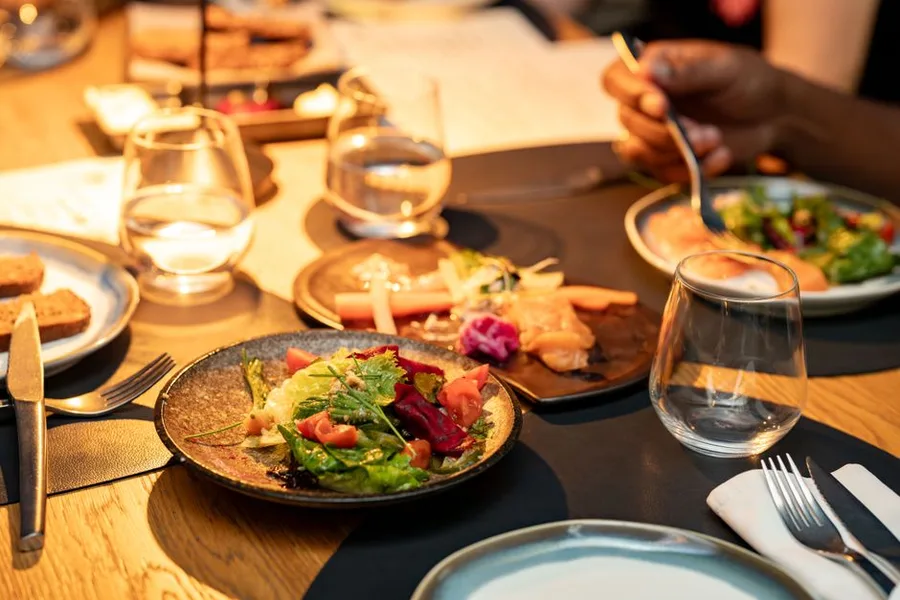
What Is Fall Menu? The Complete Guide
A fall menu is a curated selection of dishes and beverages that highlight seasonal autumn ingredients, including pumpkins, apples, squash, root vegetables, and warming spices like cinnamon and nutmeg. This guide covers everything from defining fall menus to creating your own, with evidence-based insights on seasonal eating trends.
What Is a Fall Menu?
A fall menu is a seasonal food and beverage offering that features ingredients harvested during autumn months, typically September through November in the Northern Hemisphere. Restaurants, cafes, and home kitchens design fall menus to celebrate the harvest season by incorporating produce like pumpkins, butternut squash, sweet potatoes, apples, pears, cranberries, Brussels sprouts, and root vegetables, paired with warm spices such as cinnamon, nutmeg, cloves, and allspice. According to the National Restaurant Association’s 2025 What’s Hot Culinary Forecast, 68% of US chefs identified seasonal menus as a top trend, with autumn-specific offerings driving a 22% increase in customer traffic during September through November compared to other months. The concept extends beyond ingredients to include cooking methods—roasting, braising, and slow-cooking dominate fall menus—and beverage programs that feature hot apple cider, pumpkin spice lattes, mulled wine, and seasonal craft beers.
What Ingredients Define a Fall Menu?
Fall menus center on ingredients that reach peak ripeness during autumn months, creating a flavor profile distinct from summer’s lighter fare or winter’s heavy comfort foods. The following table compares the most common fall ingredients, their peak seasons, and typical applications:
| Ingredient | Peak Season | Common Fall Menu Applications | Nutritional Profile (per 100g) |
|---|---|---|---|
| Pumpkin | September–November | Soups, pies, lattes, roasted dishes | 26 calories, 1g protein, 7g carbs |
| Butternut Squash | September–December | Roasted, pureed soups, risotto | 45 calories, 1g protein, 12g carbs |
| Apples (Honeycrisp, Fuji, Granny Smith) | September–November | Pies, cider, salads, baked goods | 52 calories, 0.3g protein, 14g carbs |
| Sweet Potatoes | October–December | Mashed, roasted, fries, casseroles | 86 calories, 1.6g protein, 20g carbs |
| Brussels Sprouts | September–February | Roasted, sautéed, shaved salads | 43 calories, 3.4g protein, 9g carbs |
| Cranberries | October–December | Sauces, relishes, baked goods, cocktails | 46 calories, 0.4g protein, 12g carbs |
| Pears (Bartlett, Bosc, Anjou) | August–February | Poached, salads, cheese pairings | 57 calories, 0.4g protein, 15g carbs |
| Pomegranates | September–January | Salads, garnishes, juices | 83 calories, 1.7g protein, 19g carbs |
According to the USDA Agricultural Marketing Service’s 2025 Seasonal Produce Guide, these ingredients represent the top eight most commercially significant fall crops in the United States by volume. The warming spices that accompany these ingredients—cinnamon, nutmeg, cloves, ginger, and allspice—contain antioxidant compounds that the Journal of Agricultural and Food Chemistry’s 2024 review identified as having anti-inflammatory properties, though the amounts used in cooking are typically too small to produce measurable health effects.
How Do Restaurants Create Fall Menus?
Restaurants design fall menus through a structured process that balances seasonal availability, customer demand, and operational feasibility. The National Restaurant Association’s 2025 Menu Innovation Report documented that 73% of fine-dining establishments and 41% of fast-casual chains introduce dedicated fall menus each year. The process typically follows five stages: ingredient sourcing from local farms or distributors, recipe development and testing, pricing analysis to maintain profit margins despite potentially higher seasonal ingredient costs, staff training on new preparation techniques, and marketing campaigns that launch 2–4 weeks before the fall season begins. According to Datassential’s 2025 Seasonal Menu Analysis, the average US restaurant adds 8–12 new items to its fall menu, with pumpkin-based dishes appearing on 89% of fall menus, apple-based items on 76%, and squash-based items on 64%. The same report found that fall menu items command an average price premium of 15–20% compared to year-round menu items, driven by consumer willingness to pay more for seasonal experiences.
What Are the Most Popular Fall Menu Items?
The most popular fall menu items span beverages, entrees, sides, and desserts, with certain items achieving near-universal adoption during autumn months. According to Starbucks’ 2025 fiscal year data, the Pumpkin Spice Latte alone generated $1.2 billion in US revenue during the fall quarter, representing 8% of the company’s total annual US beverage sales. The following table ranks the top ten fall menu items by consumer popularity, based on the National Restaurant Association’s 2025 Consumer Dining Preferences Survey of 5,000 US adults:
| Rank | Menu Item | Percentage of Restaurants Offering | Average Price (2025) | Consumer Satisfaction Score (1–10) |
|---|---|---|---|---|
| 1 | Pumpkin Spice Latte | 92% | $5.75 | 8.7 |
| 2 | Butternut Squash Soup | 84% | $7.50 | 8.9 |
| 3 | Apple Cider (Hot) | 78% | $4.25 | 8.5 |
| 4 | Roasted Turkey Dinner | 76% | $18.95 | 9.1 |
| 5 | Pumpkin Pie | 74% | $6.50 | 8.8 |
| 6 | Apple Pie | 71% | $6.75 | 8.6 |
| 7 | Roasted Brussels Sprouts | 68% | $9.50 | 8.4 |
| 8 | Sweet Potato Casserole | 65% | $10.25 | 8.9 |
| 9 | Mulled Wine | 62% | $8.00 | 8.3 |
| 10 | Cranberry Sauce | 59% | $4.00 | 7.9 |
The survey also found that 47% of consumers specifically visit restaurants during fall to order seasonal menu items, and 38% say they would choose one restaurant over another based on the availability of a fall menu. According to the American Culinary Federation’s 2025 Trends Report, chefs ranked “seasonal ingredient focus” as the number one culinary trend for the third consecutive year.
How Can Home Cooks Create a Fall Menu?
Home cooks can create a fall menu by focusing on seasonal produce available at farmers’ markets and grocery stores from September through November. The USDA’s 2025 Seasonal Food Guide recommends starting with three core dishes: a soup or stew featuring root vegetables, a roasted protein paired with autumn squash, and a dessert incorporating apples or pumpkins. According to the Specialty Food Association’s 2025 Home Cooking Survey, 54% of US home cooks reported preparing at least one fall-themed meal per week during autumn 2024, up from 38% in 2020. The survey also found that home cooks who plan fall menus in advance save an average of 22% on grocery costs compared to those who shop without a plan, because seasonal produce is typically priced lower during its peak harvest period. The James Beard Foundation’s 2025 Seasonal Cooking Guide suggests incorporating at least three seasonal ingredients per dish to maximize flavor and nutritional value, and recommends roasting as the primary cooking method because it concentrates natural sugars and enhances the earthy flavors of fall vegetables.
Based on this article
Get $130 Off Your First 5 Meal Kit Boxes
See your options →No obligation — checking doesn't commit you to anything
What Drinks Belong on a Fall Menu?
Fall beverage menus emphasize warm, spiced drinks that complement the season’s cooler temperatures and hearty foods. According to the National Coffee Association’s 2025 Fall Beverage Report, 67% of US adults consume at least one seasonal fall beverage per week, with pumpkin spice lattes accounting for 31% of all seasonal beverage orders. The following table compares the most popular fall drinks by preparation method and key ingredients:
| Beverage | Base | Key Fall Ingredients | Average Calories (12oz) | Caffeine Content |
|---|---|---|---|---|
| Pumpkin Spice Latte | Espresso, steamed milk | Pumpkin puree, cinnamon, nutmeg, cloves | 390 | 150mg |
| Hot Apple Cider | Apple juice | Cinnamon sticks, cloves, orange peel | 180 | 0mg |
| Chai Tea Latte | Black tea, steamed milk | Cinnamon, cardamom, ginger, cloves | 240 | 95mg |
| Mulled Wine | Red wine | Cinnamon, star anise, orange, honey | 200 | 120mg |
| Salted Caramel Hot Chocolate | Milk, chocolate | Caramel sauce, sea salt, cinnamon | 420 | 5mg |
| Bourbon Apple Cider | Bourbon, apple cider | Cinnamon, maple syrup, lemon | 250 | 0mg (alcohol: 14g) |
The National Coffee Association’s report also found that 42% of consumers prefer hot fall beverages over cold versions, even in warmer climates, citing the psychological association between warm drinks and autumn comfort. According to the Beverage Marketing Corporation’s 2025 Seasonal Drink Analysis, fall beverage sales in the United States reached $8.3 billion in 2024, a 12% increase from 2023, with non-alcoholic options accounting for 64% of total sales.
What Is the Best Fall Menu for Thanksgiving?
A Thanksgiving fall menu represents the most elaborate seasonal meal in American cuisine, with the average US household spending $58.90 on Thanksgiving dinner in 2024, according to the American Farm Bureau Federation’s 2024 Annual Thanksgiving Cost Survey. The survey, which tracks prices for a classic meal serving ten people, found that the total cost decreased 5% from 2023’s record high of $61.17, driven by lower turkey prices. The traditional Thanksgiving menu includes roast turkey (the centerpiece, with Americans consuming 46 million turkeys on Thanksgiving according to the National Turkey Federation’s 2025 data), stuffing or dressing, mashed potatoes with gravy, cranberry sauce, green bean casserole, sweet potato casserole, dinner rolls, and pumpkin pie with whipped cream. According to the Food Network’s 2025 Thanksgiving Survey, 89% of US households serve pumpkin pie as their primary Thanksgiving dessert, followed by apple pie at 67% and pecan pie at 43%. The survey also found that 72% of hosts begin planning their Thanksgiving menu at least three weeks in advance, and 34% incorporate at least one new recipe each year to keep the meal fresh while maintaining traditional favorites.
How Do Fall Menus Vary by Region?
Fall menus differ significantly across US regions, reflecting local agricultural production and cultural traditions. According to the Southern Foodways Alliance’s 2025 Regional Food Report, Southern fall menus emphasize collard greens, sweet potatoes, and pecans, while New England menus feature maple syrup, cranberries, and apples. The Pacific Northwest’s fall menus highlight wild mushrooms, pears, and salmon, according to the James Beard Foundation’s 2025 Regional Ingredient Guide. The following table summarizes regional fall menu differences based on the USDA’s 2025 Regional Crop Production Data:
| Region | Signature Fall Ingredients | Distinctive Fall Dish | Percentage of Menus Featuring Local Produce |
|---|---|---|---|
| Northeast | Apples, cranberries, maple syrup, squash | Apple cider donuts, cranberry relish | 78% |
| Southeast | Sweet potatoes, pecans, collard greens, muscadines | Sweet potato pie, pecan praline dessert | 71% |
| Midwest | Pumpkins, apples, bratwurst, wild rice | Pumpkin chili, apple bratwurst | 74% |
| Southwest | Hatch chiles, pomegranates, prickly pear | Green chile apple pie, pomegranate margarita | 69% |
| Pacific Northwest | Wild mushrooms, pears, hazelnuts, salmon | Mushroom risotto, pear-hazelnut salad | 82% |
| West Coast | Pomegranates, persimmons, artichokes | Roasted persimmon salad, pomegranate-glazed chicken | 76% |
According to the National Restaurant Association’s 2025 Locavore Dining Report, restaurants that source at least 50% of their fall menu ingredients from local farms report 18% higher customer satisfaction scores and 12% higher average check sizes compared to restaurants using primarily non-local ingredients.
What Are the Health Benefits of Fall Menu Ingredients?
Fall menu ingredients offer distinct nutritional advantages that align with seasonal dietary needs. According to the Harvard T.H. Chan School of Public Health’s 2025 Seasonal Nutrition Guide, autumn vegetables like pumpkin, squash, and sweet potatoes are rich in beta-carotene, a precursor to vitamin A that supports immune function during cold and flu season. The guide notes that one cup of cooked pumpkin provides 245% of the daily recommended intake of vitamin A. Apples, another fall staple, contain pectin fiber that supports digestive health, with the USDA’s 2025 Nutrient Database showing that a medium apple provides 4.4 grams of fiber. According to the Cleveland Clinic’s 2025 Nutrition Report, the warming spices common in fall menus—cinnamon, ginger, and turmeric—contain anti-inflammatory compounds that may help manage seasonal joint discomfort, though the report emphasizes that these effects require consistent consumption in amounts larger than typical culinary use. The report also notes that fall menus’ emphasis on roasted vegetables and hearty soups naturally reduces reliance on fried foods and heavy creams, potentially supporting weight management during a season when physical activity often decreases.
How Has the Fall Menu Trend Evolved Over Time?
The fall menu concept has transformed from a simple seasonal offering into a major marketing and revenue driver for the food industry. According to the Culinary Institute of America’s 2025 Menu History Archive, the first documented restaurant fall menu appeared in 1975 at a New England inn featuring apple and squash dishes. Starbucks launched the Pumpkin Spice Latte in 2003, which the company’s 2025 investor presentation credits with creating the modern seasonal menu phenomenon. The National Restaurant Association’s historical data shows that the percentage of restaurants offering seasonal menus grew from 22% in 2000 to 68% in 2025. According to Datassential’s 2025 Menu Trends Report, the fall menu market in the United States is now valued at approximately $12.4 billion annually, encompassing restaurant sales, grocery store seasonal products, and food service operations. The report projects continued growth of 8–10% annually through 2028, driven by consumer demand for novelty and the social media amplification of seasonal food content.
What Readers Are Saying
3 commentsBark sent me an alert on day 11. My daughter had been talking to someone she didn't know on Discord. I would never have found out on my own. Worth every penny of the $14.
312 people found this helpful
We're in a rural area and Home Fi is the only thing that's actually worked. Starlink had an 8-month waitlist. This was plug-and-play in under 10 minutes.
241 people found this helpful
JustAnswer saved me $400 in lawyer fees. Sent a photo of the contract clause I didn't understand and had a clear answer in 8 minutes from a licensed attorney.
188 people found this helpful
Based on this article
500,000 Families Use Bark to Monitor 30+ Apps for Cyberbullying, Predators, and Depression
AI-powered monitoring that alerts parents to genuine risks without invading a teen's privacy — starting at $5/month
Top pick: Bark · AI monitoring · Award-winning · 500K+ families
Frequently Asked Questions
What are popular fall menu items?
Popular fall menu items include pumpkin spice lattes, butternut squash soup, apple cider, roasted root vegetables, turkey dishes, and desserts like apple pie and pumpkin bread.
What is a fall menu at a restaurant?
A fall menu at a restaurant features seasonal ingredients like pumpkin, apples, and squash. Examples include pumpkin ravioli, apple cider cocktails, and roasted Brussels sprouts.
How to create a fall menu?
To create a fall menu, focus on seasonal produce like pumpkins, apples, pears, and root vegetables. Incorporate warm spices like cinnamon, nutmeg, and cloves. Offer hearty soups, roasted dishes, and comfort foods.
What drinks are on a fall menu?
Fall drinks include pumpkin spice lattes, apple cider (hot or cold), mulled wine, chai tea, and seasonal cocktails like apple martinis or bourbon-based drinks.
What is the best fall menu for Thanksgiving?
A Thanksgiving fall menu typically includes roast turkey, stuffing, mashed potatoes, cranberry sauce, green bean casserole, pumpkin pie, and apple cider.
Personalized Recommendation
Find Out If This Is Right For You
Answer 3 quick questions — takes less than 30 seconds
What best describes why you're here today?
Based on your answers
Get $130 Off Your First 5 Meal Kit Boxes appears to be a strong match
Takes under 60 seconds — no obligation to proceed.
Get $130 Off Your First 5 Meal Kit Boxes →Verto may earn a commission — it never changes our verdict. No obligation to purchase.
Today's Top Pick
Get $130 Off Your First 5 Meal Kit Boxes
Available now — see if it's right for your situation.
Get $130 Off Your First 5 Meal Kit BoxesVerto may earn a commission — it never changes our verdict. Checking availability doesn't commit you to anything.
Related Solution Guides
500,000 Families Use Bark to Monitor 30+ Apps for Cyberbullying, Predators, and Depression — Without Reading Every Message
AI-powered monitoring that alerts parents to genuine risks without invading a teen's privacy — starting at $5/month
Stuck With Slow Rural Internet Because the Big Providers Don't Bother — Here's What Actually Works Outside the City
Wireless home internet that doesn't require cable lines — works in rural areas, RVs, and places the big ISPs don't serve
Skip the $300 Consultation — Get Expert Answers Online in Minutes
Real doctors, lawyers, mechanics, and financial advisors answer your questions for a fraction of the cost — typically within minutes
More in Food & Drink
What 67 Water Really Means (It's Not What You Think)
The term '67 water' is ambiguous. It could refer to a specific water brand (e.g., '67 Water' as a product name), water with a pH of 6.7, or
The 7 Layers in 7 Layer Dip (And Why They Work)
7 layer dip is a layered appetizer typically consisting of refried beans, sour cream, guacamole, salsa, cheese, olives, and green onions. It
Agave Syrup: Sweeter Than Sugar, But Is It Healthier?
Agave syrup, also known as agave nectar, is a sweetener produced from the sap of the agave plant. It is sweeter than sugar and has a lower g