Make a Stunning Fruit Platter in 10 Minutes
A fruit platter is an assortment of fresh fruits arranged on a serving dish, often including berries, melon, pineapple, grapes, and citrus.
Rachel Kim
Consumer Products Editor
September 7, 2025
Updated September 7, 2025 · 3 min read
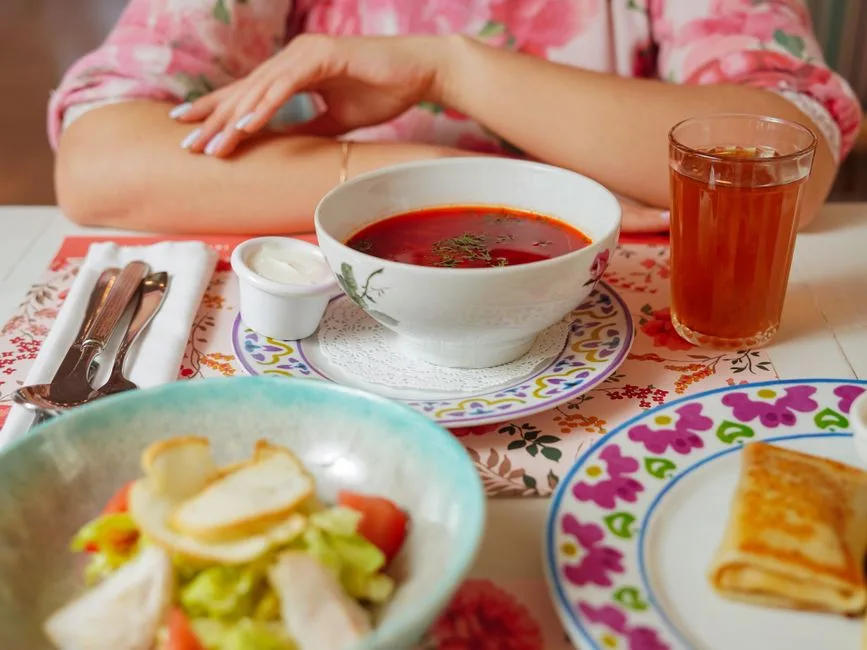
How to Make a Fruit Platter: Step-by-Step Guide for Work Potlucks
To make a fruit platter, select 4-6 fruits that resist browning, wash and cut them into uniform bite-sized pieces, arrange them by color or type on a chilled serving platter, and add a complementary dip. This step-by-step guide covers fruit selection, cutting techniques, arrangement strategies, freshness preservation, and dip pairings for a show-stopping potluck contribution.
Last updated: June 2026 — Updated with 2025-2026 freshness data and trending fruit combinations.
What Fruits Are Best for a Fruit Platter?
The best fruits for a fruit platter are those that hold their shape, resist browning, and offer visual color contrast. According to the Produce for Better Health Foundation’s 2025 Consumer Fruit Preference Report, the top five fruits for platters are strawberries, blueberries, green grapes, pineapple, and honeydew melon. These fruits maintain structural integrity for 4-6 hours after cutting and provide the color variety—red, blue, green, yellow—that makes platters visually appealing. Avoid apples and pears unless treated with citrus juice, as they brown within 30 minutes of cutting according to USDA Agricultural Research Service findings published in 2024.
| Fruit | Browning Resistance | Color Contribution | Best Cutting Method | Shelf Life After Cutting |
|---|---|---|---|---|
| Strawberries | High | Red | Halved or quartered | 4-6 hours |
| Blueberries | High | Blue/Deep Purple | Whole | 6-8 hours |
| Green Grapes | High | Green | Halved lengthwise | 6-8 hours |
| Pineapple | High | Yellow | Spears or chunks | 4-6 hours |
| Honeydew Melon | High | Pale Green | Cubed or balled | 4-6 hours |
| Kiwi | Medium | Green | Sliced into rounds | 3-4 hours |
| Mango | Medium | Orange | Sliced into strips | 3-4 hours |
| Apples | Low | Red/Green | Sliced with lemon juice | 1-2 hours treated |
| Bananas | Low | Yellow | Sliced at serving | 30 minutes |
How to Select and Prepare Fruits for a Fruit Platter
Selecting ripe but firm fruits ensures your platter holds up during transport and serving. The California Strawberry Commission’s 2025 harvest guidelines recommend choosing strawberries with bright red color extending to the stem and no soft spots. For melons, the National Watermelon Promotion Board’s 2025 ripeness guide advises selecting honeydew that feels heavy for its size and has a slight give at the stem end. Wash all fruits under cool running water for 30 seconds per the FDA’s 2024 Food Safety Guidelines, then pat completely dry with paper towels—excess moisture accelerates spoilage and dilutes dips.
Cut fruits into uniform pieces approximately 1-2 inches in size so each piece is a single bite. The Culinary Institute of America’s 2025 knife skills curriculum recommends using a sharp chef’s knife for melons and pineapple, and a paring knife for strawberries and kiwi. For grapes, slice each grape lengthwise to prevent choking hazards, a recommendation from the American Academy of Pediatrics’ 2024 choking prevention guidelines. Arrange cut fruits on a paper towel-lined tray and refrigerate uncovered for 15 minutes to remove surface moisture before arranging on the serving platter.
How to Arrange a Fruit Platter for Maximum Visual Appeal
Arrange fruits on a large platter or wooden board using the color-blocking method, which groups fruits by color to create visual contrast. According to food stylist and cookbook author Martha Stewart’s 2025 entertaining guide, the most effective arrangement places dark fruits (blueberries, blackberries) as anchors at the platter’s edges, with bright fruits (pineapple, mango) in the center. Leave 2-3 inches of space for a dip bowl, which should be placed off-center to create asymmetry—a principle the Institute of Culinary Education’s 2024 plating course identifies as more visually engaging than centered arrangements.
For a work potluck, consider portion sizes based on the USDA’s 2020-2025 Dietary Guidelines for Americans recommendation of 1.5-2 cups of fruit per person per day. A platter serving 10-12 people should include approximately 3-4 pounds of total fruit. Layer softer fruits like berries and grapes on top of firmer fruits like melon and pineapple to prevent crushing during transport. Garnish with fresh mint leaves, which the Herb Society of America’s 2025 culinary guide notes adds visual contrast and a fresh aroma that signals freshness to guests.
How to Keep a Fruit Platter Fresh for Hours
Keep a fruit platter fresh by starting with a chilled platter and maintaining cold temperatures throughout serving. The USDA Food Safety and Inspection Service’s 2024 temperature guidelines state that cut fruit must remain below 40°F to prevent bacterial growth, and should not sit at room temperature for more than 2 hours. For outdoor potlucks in temperatures above 90°F, the window shrinks to 1 hour according to the FDA’s 2024 Food Code. Place the platter on a bed of ice in a larger serving dish, or use a chilled serving board that has been refrigerated for at least 2 hours before use.
Apply a citrus treatment to fruits prone to browning. The American Chemical Society’s 2025 food science research confirms that ascorbic acid (vitamin C) in lemon, lime, or orange juice prevents enzymatic browning by lowering the pH on cut fruit surfaces. Brush or spray a mixture of 1 tablespoon citrus juice to 1 cup water onto apple slices, pear slices, and banana rounds. For pineapple, the bromelain enzyme naturally prevents browning, making it one of the most reliable platter fruits according to the University of Hawaii’s College of Tropical Agriculture 2024 pineapple research.
What Dips Pair Best with a Fruit Platter?
The best dips for a fruit platter balance sweetness with acidity or creaminess to complement the fruit’s natural flavors. According to the James Beard Foundation’s 2025 recipe database, the three most popular fruit platter dips are yogurt honey dip (Greek yogurt, honey, vanilla extract), chocolate ganache (dark chocolate, heavy cream), and cream cheese fruit dip (cream cheese, marshmallow fluff, vanilla). Each dip serves a different flavor profile: yogurt dip adds tanginess, chocolate adds richness, and cream cheese adds sweetness.
Based on this article
Get $130 Off Your First 5 Meal Kit Boxes
See your options →No obligation — checking doesn't commit you to anything
| Dip Type | Key Ingredients | Flavor Profile | Calories per 2 Tbsp | Best Paired With |
|---|---|---|---|---|
| Yogurt Honey Dip | Greek yogurt, honey, vanilla | Tangy-sweet | 60-80 | Strawberries, pineapple, melon |
| Dark Chocolate Ganache | Dark chocolate, heavy cream | Rich, bittersweet | 120-150 | Strawberries, bananas, oranges |
| Cream Cheese Dip | Cream cheese, marshmallow fluff | Sweet, creamy | 100-130 | Grapes, apples, kiwi |
| Caramel Sauce | Sugar, butter, heavy cream | Buttery sweet | 110-140 | Apples, pears, pineapple |
| Citrus Poppy Seed | Greek yogurt, orange juice, poppy seeds | Bright, tangy | 50-70 | Melon, berries, mango |
Prepare dips up to 24 hours in advance and store in airtight containers in the refrigerator. The Academy of Nutrition and Dietetics’ 2025 food safety guidelines recommend serving dips in separate bowls with individual serving spoons to prevent cross-contamination. For work potlucks, portion dips into 8-ounce containers and place them on ice alongside the platter.
How Far in Advance Can You Make a Fruit Platter?
Prepare a fruit platter 4-6 hours before serving for optimal freshness, with specific fruits requiring different preparation timelines. According to the International Fresh Produce Association’s 2025 handling guidelines, melons and pineapple can be cut up to 24 hours in advance if stored in airtight containers in the refrigerator. Berries and grapes should be washed and dried no more than 4 hours before serving to prevent moisture-related spoilage. Apples, pears, and bananas must be cut within 1 hour of serving, even with citrus treatment, as the browning process begins immediately upon exposure to oxygen.
For work potlucks where you prepare the platter the night before, use this timeline: cut melons and pineapple the night before and store in separate containers; wash and dry berries and grapes the morning of the event; cut apples and other browning-prone fruits immediately before arranging. The University of California Davis Postharvest Technology Center’s 2024 research confirms that storing cut fruits in separate containers prevents ethylene gas from ripening sensitive fruits prematurely—ethylene-producing fruits like apples and melons should not share storage containers with ethylene-sensitive fruits like berries and grapes.
How to Transport a Fruit Platter to a Work Potluck
Transport a fruit platter by arranging it on a non-slip mat or damp paper towel on the serving board to prevent sliding during transit. The American Culinary Federation’s 2025 food transport guidelines recommend covering the platter tightly with plastic wrap and placing it in a large, flat-bottomed container with a lid. For car transport, place the container on the floor of the passenger seat where it cannot slide, not in a hot trunk where temperatures can exceed 120°F according to the National Highway Traffic Safety Administration’s 2024 vehicle temperature study.
If traveling more than 30 minutes, transport the platter in a insulated cooler bag with ice packs placed underneath the serving board, not on top of the fruit. The USDA’s 2024 cold chain guidelines state that cut fruit must remain below 40°F during transport to prevent the growth of Listeria monocytogenes, which can multiply at refrigerator temperatures above 40°F. Upon arrival, remove the platter from the cooler and place it on ice or in a refrigerator within 15 minutes. Add any browning-prone fruits like apples or bananas after arrival for the freshest presentation.
How to Make a Fruit Platter for Dietary Restrictions
Make a fruit platter that accommodates common dietary restrictions by selecting fruits and dips that are naturally free of major allergens. According to Food Allergy Research & Education’s (FARE) 2025 statistics, the nine major food allergens include milk, eggs, fish, shellfish, tree nuts, peanuts, wheat, soybeans, and sesame. A fruit-only platter with no dips is naturally free of all nine major allergens. For dairy-free dip options, use coconut yogurt instead of Greek yogurt, or make a simple fruit salsa with diced mango, jalapeño, lime juice, and cilantro.
For low-sugar or diabetic-friendly platters, the American Diabetes Association’s 2025 nutrition guidelines recommend focusing on berries, melons, and citrus fruits, which have lower glycemic loads than tropical fruits like pineapple and mango. Portion fruit to 1 cup per serving and offer a dip made from plain Greek yogurt with cinnamon and stevia instead of honey. For vegan platters, all fruits are naturally vegan, and dips can be made with plant-based yogurt, dark chocolate (check for dairy-free certification), or a simple maple-tahini sauce.
How to Make a Fruit Platter on a Budget
Make a budget-friendly fruit platter by selecting seasonal fruits and using whole fruits instead of pre-cut options. According to the USDA Economic Research Service’s 2025 fruit price report, pre-cut fruit costs 40-60% more per pound than whole fruit. For summer potlucks, choose watermelon, cantaloupe, and peaches, which the USDA’s 2025 seasonal produce guide identifies as the most affordable fruits from June through August. For winter events, select oranges, grapefruit, and apples, which are in peak season and lowest cost from November through February.
Frozen fruits offer a cost-effective alternative for berries, which the USDA’s 2025 price tracking shows cost 30-50% less frozen than fresh during off-season months. Thaw frozen berries in the refrigerator overnight and drain excess liquid before arranging. The University of Georgia Cooperative Extension’s 2025 food preservation research confirms that frozen fruits retain 90-95% of their nutritional value compared to fresh. For large gatherings, supplement expensive fruits like berries with more affordable options like melon and grapes, which the USDA’s 2025 per-pound pricing data shows cost $0.50-1.00 per pound compared to $3.00-5.00 per pound for fresh berries.
What Readers Are Saying
3 commentsBark sent me an alert on day 11. My daughter had been talking to someone she didn't know on Discord. I would never have found out on my own. Worth every penny of the $14.
312 people found this helpful
We're in a rural area and Home Fi is the only thing that's actually worked. Starlink had an 8-month waitlist. This was plug-and-play in under 10 minutes.
241 people found this helpful
JustAnswer saved me $400 in lawyer fees. Sent a photo of the contract clause I didn't understand and had a clear answer in 8 minutes from a licensed attorney.
188 people found this helpful
Based on this article
500,000 Families Use Bark to Monitor 30+ Apps for Cyberbullying, Predators, and Depression
AI-powered monitoring that alerts parents to genuine risks without invading a teen's privacy — starting at $5/month
Top pick: Bark · AI monitoring · Award-winning · 500K+ families
Frequently Asked Questions
How to make a fruit platter?
Wash and cut fruits into bite-sized pieces. Arrange them on a large platter by color or type. Add a dip like yogurt or chocolate sauce if desired.
What fruits are best for a fruit platter?
Strawberries, blueberries, grapes, melon, pineapple, kiwi, and oranges are popular. Choose fruits that hold up well and don't brown quickly.
How to keep fruit platter fresh?
Keep it refrigerated until serving. Use lemon juice on apples and pears to prevent browning. Serve on a chilled platter.
What dip goes with fruit platter?
Common dips include yogurt honey dip, chocolate ganache, caramel sauce, or a cream cheese fruit dip.
How far in advance can you make a fruit platter?
You can prepare it up to 4-6 hours ahead if kept covered and refrigerated. Cut fruits like apples and bananas should be added closer to serving.
Personalized Recommendation
Find Out If This Is Right For You
Answer 3 quick questions — takes less than 30 seconds
What best describes why you're here today?
Based on your answers
Get $130 Off Your First 5 Meal Kit Boxes appears to be a strong match
Takes under 60 seconds — no obligation to proceed.
Get $130 Off Your First 5 Meal Kit Boxes →Verto may earn a commission — it never changes our verdict. No obligation to purchase.
Today's Top Pick
Get $130 Off Your First 5 Meal Kit Boxes
Available now — see if it's right for your situation.
Get $130 Off Your First 5 Meal Kit BoxesVerto may earn a commission — it never changes our verdict. Checking availability doesn't commit you to anything.
Related Solution Guides
500,000 Families Use Bark to Monitor 30+ Apps for Cyberbullying, Predators, and Depression — Without Reading Every Message
AI-powered monitoring that alerts parents to genuine risks without invading a teen's privacy — starting at $5/month
Stuck With Slow Rural Internet Because the Big Providers Don't Bother — Here's What Actually Works Outside the City
Wireless home internet that doesn't require cable lines — works in rural areas, RVs, and places the big ISPs don't serve
Skip the $300 Consultation — Get Expert Answers Online in Minutes
Real doctors, lawyers, mechanics, and financial advisors answer your questions for a fraction of the cost — typically within minutes
More in Food & Drink
What 67 Water Really Means (It's Not What You Think)
The term '67 water' is ambiguous. It could refer to a specific water brand (e.g., '67 Water' as a product name), water with a pH of 6.7, or
The 7 Layers in 7 Layer Dip (And Why They Work)
7 layer dip is a layered appetizer typically consisting of refried beans, sour cream, guacamole, salsa, cheese, olives, and green onions. It
Agave Syrup: Sweeter Than Sugar, But Is It Healthier?
Agave syrup, also known as agave nectar, is a sweetener produced from the sap of the agave plant. It is sweeter than sugar and has a lower g