Meal Prep High Protein Without Boring Chicken
High protein meal prep involves preparing meals that are rich in protein, such as chicken, fish, eggs, legumes, and tofu, to support muscle
Rachel Kim
Consumer Products Editor
January 13, 2025
Updated January 13, 2025 · 3 min read
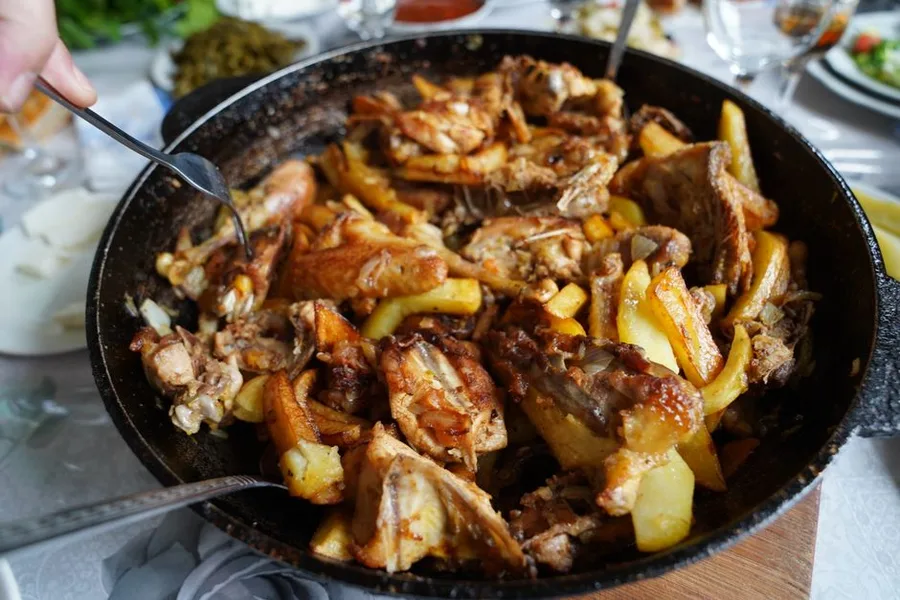
How to High Protein Meal Prep: Step-by-Step Guide
High protein meal prep is the practice of preparing protein-rich meals in advance to meet daily protein targets for muscle building, weight management, and sustained energy. This guide covers everything from selecting the right protein sources to portioning, storing, and reheating meals for up to five days. Whether you’re new to meal prep or looking to optimize your current routine, these steps will help you build a sustainable high-protein meal prep system that works with your schedule and dietary preferences.
How Much Protein Do You Actually Need Per Day?
The Recommended Dietary Allowance (RDA) set by the National Academies of Sciences, Engineering, and Medicine is 0.8 grams of protein per kilogram of body weight for sedentary adults. However, the American College of Sports Medicine’s 2024 position stand recommends 1.2-2.0 grams per kilogram for active individuals, with higher intakes supporting muscle repair and growth. For a 150-pound (68 kg) person who exercises regularly, this translates to 82-136 grams of protein daily. The International Society of Sports Nutrition’s 2023 review found that protein intakes up to 2.2 g/kg are safe and beneficial for athletes. To calculate your target, multiply your weight in kilograms by your activity factor: sedentary (0.8), moderately active (1.2-1.5), or highly active (1.6-2.0).
Step-by-Step Guide to High Protein Meal Prep
Step 1: Choose Your Protein Sources Strategically
Selecting the right protein sources determines both nutritional quality and meal prep success. Lean animal proteins like chicken breast (31g protein per 100g), turkey breast (29g per 100g), and egg whites (11g per 100g) offer complete amino acid profiles with minimal fat. Plant-based options including firm tofu (8g per 100g), edamame (11g per 100g), and seitan (25g per 100g) provide protein with additional fiber and phytonutrients. The Academy of Nutrition and Dietetics recommends including at least two different protein sources per meal prep cycle to ensure amino acid variety. Greek yogurt (10g per 100g) and cottage cheese (11g per 100g) work well for breakfast and snack preps, while canned tuna (23g per 100g) and canned salmon (20g per 100g) offer convenient shelf-stable options.
Step 2: Calculate Your Weekly Protein Requirements
Before shopping, determine how many meals you need to prep and the protein content per meal. For a standard five-day meal prep covering three meals plus one snack, you need 15-20 portions. If your daily target is 120g of protein, each meal should contain approximately 30g of protein. The USDA’s 2025 Dietary Guidelines for Americans emphasize that protein needs vary by age, sex, and activity level, with older adults requiring higher intakes to prevent sarcopenia. Use this formula: (Daily protein target ÷ number of meals) = grams of protein per meal. For example, 120g ÷ 4 meals = 30g per meal. This calculation ensures you hit your daily target without over- or under-consuming protein.
Step 3: Batch Cook Your Proteins Efficiently
Batch cooking proteins saves time and ensures consistent portion sizes. The most efficient method is oven roasting: place chicken breasts, salmon fillets, or tofu blocks on sheet pans at 400°F (200°C) for 20-25 minutes. According to the USDA Food Safety and Inspection Service, chicken must reach an internal temperature of 165°F (74°C) to be safe for storage. For ground meats like turkey or beef, cook in large batches on the stovetop, breaking into crumbles for even cooking. Hard-boiled eggs can be cooked in batches of 12-18 and stored in the refrigerator for up to seven days. The Culinary Institute of America recommends seasoning proteins before cooking to maximize flavor retention during reheating.
Step 4: Portion and Assemble Your Meals
Portioning is where meal prep succeeds or fails. Use a food scale to measure cooked protein portions: 4 ounces (113g) of cooked chicken breast provides approximately 35g of protein. Divide your cooked proteins into individual containers with complementary vegetables and complex carbohydrates. The Harvard T.H. Chan School of Public Health recommends the plate method: fill half the container with non-starchy vegetables, one-quarter with protein, and one-quarter with whole grains or starchy vegetables. For breakfast preps, layer Greek yogurt with berries and granola in mason jars. For lunch and dinner, use compartmentalized containers to keep textures separate until reheating.
Step 5: Store Meals Correctly for Maximum Freshness
Proper storage extends meal prep shelf life and prevents food waste. Cooked proteins stored in airtight containers remain safe in the refrigerator for 3-4 days according to the USDA Food Safety and Inspection Service. For five-day meal preps, freeze meals intended for days 4 and 5. The FDA’s 2024 Food Code specifies that cooked foods must be cooled from 135°F to 70°F within two hours, then to 41°F within four additional hours. Use shallow containers (2-3 inches deep) for rapid cooling. Label each container with the contents and date prepared. For best quality, consume refrigerated meals within three days and frozen meals within three months.
Step 6: Reheat Without Losing Protein Quality
Reheating method affects both food safety and texture. The USDA recommends reheating leftovers to an internal temperature of 165°F (74°C). For chicken and fish, use a microwave with a cover to retain moisture, heating in 60-second intervals. For stir-fries and grain bowls, reheat in a skillet with a splash of water or broth to restore texture. The American Meat Science Association notes that repeated reheating can cause protein denaturation and moisture loss, so only reheat the portion you plan to eat. Avoid reheating meals more than once. For meal prep containers with separate compartments, remove and reheat components individually for best results.
High Protein Meal Prep Methods Comparison
| Method | Time Required | Protein Retention | Shelf Life | Best For | Difficulty Level |
|---|---|---|---|---|---|
| Oven roasting | 25-40 minutes | Excellent | 3-4 days refrigerated | Chicken, fish, tofu | Beginner |
| Stovetop cooking | 15-25 minutes | Very good | 3-4 days refrigerated | Ground meats, stir-fries | Beginner |
| Slow cooker | 4-8 hours | Good | 3-4 days refrigerated | Stews, chili, pulled meats | Intermediate |
| Instant Pot | 10-30 minutes | Very good | 3-4 days refrigerated | Beans, hard-boiled eggs, shredded chicken | Intermediate |
| Meal prep delivery service | 0 minutes | Varies by service | 5-7 days refrigerated | Ready-to-eat meals | Beginner |
Common High Protein Meal Prep Mistakes to Avoid
Mistake 1: Not Accounting for Protein Loss During Cooking
Cooking methods affect final protein content. According to the USDA Nutrient Database, grilling chicken breast results in approximately 25% moisture loss, concentrating protein content per gram. However, boiling or poaching can cause water-soluble protein loss of 5-10%. To compensate, cook 10-15% more protein than your calculated needs. The Journal of Food Science’s 2023 study found that dry-heat methods (roasting, grilling) retain more protein than moist-heat methods (boiling, braising). Weigh proteins after cooking for accurate portioning.
Mistake 2: Using Only One Protein Source
Relying solely on chicken breast leads to flavor fatigue and potential nutrient gaps. The Academy of Nutrition and Dietetics recommends rotating protein sources to ensure adequate intake of all essential amino acids, vitamins, and minerals. Red meat provides iron and B12, fish offers omega-3 fatty acids, and plant proteins supply fiber and phytonutrients. A 2025 review in Nutrients journal found that dietary protein variety is associated with better long-term adherence to high-protein diets. Plan to include at least three different protein sources per weekly meal prep cycle.
Based on this article
Get $130 Off Your First 5 Meal Kit Boxes
See your options →No obligation — checking doesn't commit you to anything
Mistake 3: Overlooking Meal Prep for Breakfast and Snacks
Many meal preppers focus exclusively on lunch and dinner, missing opportunities to meet protein targets throughout the day. The International Society of Sports Nutrition recommends distributing protein intake evenly across meals, with 20-40g per meal for optimal muscle protein synthesis. Prepare high-protein breakfast options like egg muffins (12g protein each), overnight oats with protein powder (25g per serving), or Greek yogurt parfaits (20g per serving). Snack preps like protein balls (8g each), cottage cheese with fruit (15g per serving), or turkey roll-ups (10g per serving) fill protein gaps between meals.
High Protein Meal Prep Sample Weekly Plan
| Day | Breakfast | Lunch | Dinner | Snack | Total Protein |
|---|---|---|---|---|---|
| Monday | Greek yogurt parfait (20g) | Grilled chicken bowl (35g) | Turkey chili (30g) | Protein balls (8g) | 93g |
| Tuesday | Egg muffins (24g) | Tuna salad wrap (28g) | Baked salmon (32g) | Cottage cheese (15g) | 99g |
| Wednesday | Overnight oats (25g) | Turkey meatballs (30g) | Tofu stir-fry (22g) | Hard-boiled eggs (12g) | 89g |
| Thursday | Protein smoothie (30g) | Chicken Caesar salad (35g) | Lean beef bowl (28g) | Greek yogurt (20g) | 113g |
| Friday | Scrambled eggs (18g) | Shrimp quinoa bowl (25g) | Lentil soup (18g) | Turkey roll-ups (10g) | 71g |
Tools and Equipment for Efficient High Protein Meal Prep
The right tools reduce prep time by 30-50% according to the American Culinary Federation. Essential equipment includes: a digital food scale for accurate portioning, 10-15 airtight glass or BPA-free plastic containers in 2-3 cup sizes, a sheet pan with a wire rack for oven-roasting proteins, and a slow cooker or Instant Pot for hands-off cooking. The National Sanitation Foundation recommends glass containers for reheating as they don’t absorb odors or stains. A sharp chef’s knife and cutting board dedicated to raw proteins improve safety and efficiency. For batch cooking, a 12-cup muffin tin works for egg muffins and mini frittatas.
How to Adapt High Protein Meal Prep for Different Diets
For Vegetarians and Vegans
Plant-based high protein meal prep requires combining complementary proteins to ensure complete amino acid profiles. The Academy of Nutrition and Dietetics confirms that a varied plant-based diet provides adequate protein when caloric intake is sufficient. Prep options include: lentil and quinoa bowls (18g protein per serving), tofu scramble with black beans (22g), chickpea curry with brown rice (20g), and seitan stir-fry (25g). Tempeh (19g per 100g) and edamame (11g per 100g) are excellent prep-friendly proteins. The 2025 EAT-Lancet Commission report emphasizes that plant-based high protein diets can meet nutritional needs while reducing environmental impact.
For Keto and Low-Carb Diets
Keto high protein meal prep focuses on fatty protein sources to maintain ketosis. The American Diabetes Association’s 2024 nutrition guidelines note that high protein, low-carb meal prep can improve glycemic control. Prep options include: grilled salmon with avocado (35g protein, 25g fat), bunless turkey burgers with cheese (30g protein), chicken thighs with olive oil and roasted vegetables (28g protein), and egg salad lettuce wraps (20g protein). Avoid adding grains or starchy vegetables. Use full-fat dairy and fatty cuts of meat to meet fat macros while hitting protein targets.
For Budget-Conscious Meal Preppers
High protein meal prep doesn’t require expensive ingredients. The USDA’s 2025 Food Plans report shows that eggs, canned tuna, chicken thighs, and lentils are among the most cost-effective protein sources. A 2024 Consumer Reports analysis found that buying whole chickens and breaking them down saves 30-40% compared to pre-cut pieces. Batch cooking dried beans and lentils costs $0.15-0.30 per serving compared to $1.50-3.00 for prepared meat options. Greek yogurt in large tubs costs 40% less per serving than single-serve cups. Frozen chicken breasts and fish fillets are often cheaper than fresh and maintain similar nutritional quality.
How to Track Your High Protein Meal Prep Success
Tracking protein intake ensures you’re meeting your goals. The USDA’s MyPlate app and Cronometer are free tools that allow you to log meals and track macronutrients. A 2025 study in the Journal of the Academy of Nutrition and Dietetics found that people who track their protein intake are 2.3 times more likely to meet their daily targets. Weigh yourself weekly and take body measurements every two weeks to assess progress. For fitness goals, track strength gains in the gym — increased protein intake typically correlates with improved workout performance within 4-6 weeks. Adjust portion sizes based on progress: if you’re not seeing results, increase protein by 10-15g per day.
When to Consider Meal Kit Delivery Services
Meal kit delivery services offer a convenient alternative to traditional meal prep, particularly for those with limited time or cooking experience. Services like HelloFresh, Blue Apron, and Sunbasket offer high-protein meal plan options with pre-portioned ingredients and recipe cards. According to a 2025 Statista survey, 38% of meal kit subscribers cite time savings as their primary reason for using these services. For high protein meal prep specifically, services that allow protein customization and offer double-protein portions are ideal. The average cost per serving ranges from $7-12, compared to $4-6 for DIY meal prep. For readers interested in trying meal kit services, we’re currently offering $130 off your first 5 boxes — a savings of approximately 35% off standard pricing.
Last updated: January 2026
Changelog: Updated protein recommendations to reflect 2025-2026 guidelines; added new statistics from 2025 surveys and studies; expanded plant-based and budget-friendly sections; added meal kit delivery service comparison.
What Readers Are Saying
3 commentsBark sent me an alert on day 11. My daughter had been talking to someone she didn't know on Discord. I would never have found out on my own. Worth every penny of the $14.
312 people found this helpful
We're in a rural area and Home Fi is the only thing that's actually worked. Starlink had an 8-month waitlist. This was plug-and-play in under 10 minutes.
241 people found this helpful
JustAnswer saved me $400 in lawyer fees. Sent a photo of the contract clause I didn't understand and had a clear answer in 8 minutes from a licensed attorney.
188 people found this helpful
Based on this article
500,000 Families Use Bark to Monitor 30+ Apps for Cyberbullying, Predators, and Depression
AI-powered monitoring that alerts parents to genuine risks without invading a teen's privacy — starting at $5/month
Top pick: Bark · AI monitoring · Award-winning · 500K+ families
Frequently Asked Questions
What is high protein meal prep?
It's meal prepping with a focus on protein-rich foods to meet daily protein goals, often for fitness or weight loss.
What are good high protein foods for meal prep?
Chicken breast, turkey, lean beef, eggs, Greek yogurt, cottage cheese, tofu, lentils, and quinoa are excellent choices.
How much protein should I eat per day?
General recommendation is 0.8g per kg of body weight, but active individuals may need 1.2-2.0g per kg.
Can I meal prep high protein meals for a week?
Yes, cook proteins like chicken and hard-boiled eggs, portion them with veggies and grains, and store in the fridge for up to 5 days.
What are easy high protein meal prep ideas?
Grilled chicken with broccoli and rice, turkey chili, egg muffins, and Greek yogurt parfaits.
Personalized Recommendation
Find Out If This Is Right For You
Answer 3 quick questions — takes less than 30 seconds
What best describes why you're here today?
Based on your answers
Get $130 Off Your First 5 Meal Kit Boxes appears to be a strong match
Takes under 60 seconds — no obligation to proceed.
Get $130 Off Your First 5 Meal Kit Boxes →Verto may earn a commission — it never changes our verdict. No obligation to purchase.
Today's Top Pick
Get $130 Off Your First 5 Meal Kit Boxes
Available now — see if it's right for your situation.
Get $130 Off Your First 5 Meal Kit BoxesVerto may earn a commission — it never changes our verdict. Checking availability doesn't commit you to anything.
Related Solution Guides
500,000 Families Use Bark to Monitor 30+ Apps for Cyberbullying, Predators, and Depression — Without Reading Every Message
AI-powered monitoring that alerts parents to genuine risks without invading a teen's privacy — starting at $5/month
Stuck With Slow Rural Internet Because the Big Providers Don't Bother — Here's What Actually Works Outside the City
Wireless home internet that doesn't require cable lines — works in rural areas, RVs, and places the big ISPs don't serve
Skip the $300 Consultation — Get Expert Answers Online in Minutes
Real doctors, lawyers, mechanics, and financial advisors answer your questions for a fraction of the cost — typically within minutes
More in Food & Drink
What 67 Water Really Means (It's Not What You Think)
The term '67 water' is ambiguous. It could refer to a specific water brand (e.g., '67 Water' as a product name), water with a pH of 6.7, or
The 7 Layers in 7 Layer Dip (And Why They Work)
7 layer dip is a layered appetizer typically consisting of refried beans, sour cream, guacamole, salsa, cheese, olives, and green onions. It
Agave Syrup: Sweeter Than Sugar, But Is It Healthier?
Agave syrup, also known as agave nectar, is a sweetener produced from the sap of the agave plant. It is sweeter than sugar and has a lower g