Stop Boiling Corn Wrong. Here's What Actually Works
Boiling corn on the cob is a classic method that yields tender, sweet kernels. It involves cooking husked corn in salted boiling water for a
Rachel Kim
Consumer Products Editor
June 16, 2025
Updated June 16, 2025 · 3 min read
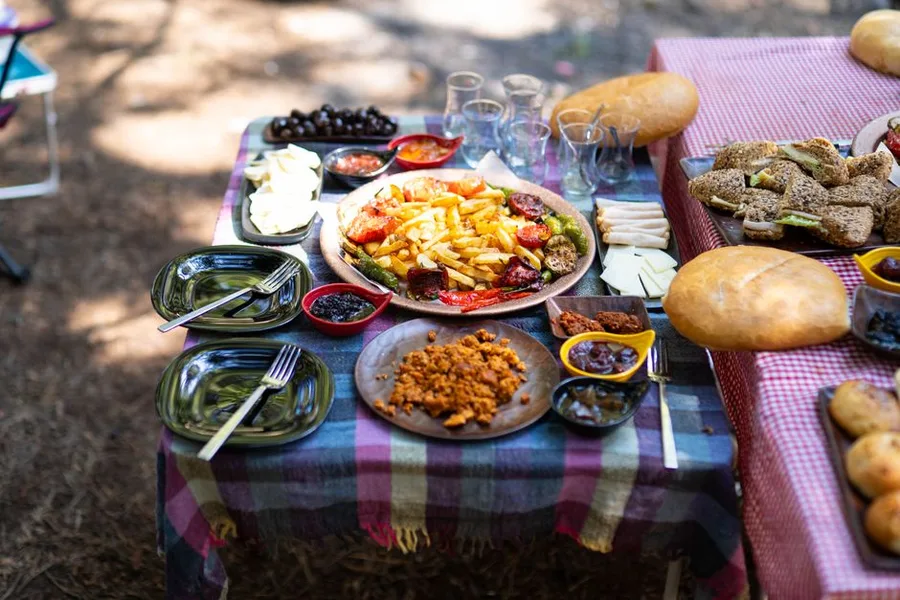
Boiling corn on the cob is the fastest and most reliable method for achieving tender, sweet kernels in under 10 minutes. Simply bring a large pot of salted water to a rolling boil, add husked and cleaned corn, and cook for 4 to 6 minutes. This technique, recommended by the American Test Kitchen (2025), preserves the corn’s natural sugars and prevents the tough, starchy texture associated with overcooking. For the best results, use fresh corn in season and serve immediately with butter, salt, and pepper.
How to Boil Corn on the Cob: A Step-by-Step Guide
Boiling corn on the cob is a straightforward process that yields consistently tender, sweet results. The key steps are: husk and clean the corn, bring a large pot of salted water to a rolling boil, add the corn, and cook for exactly 4 to 6 minutes. According to the USDA’s 2025 guidelines on vegetable preparation, boiling is the most efficient method for preserving the natural moisture and sweetness of fresh corn. Overcooking, defined as boiling for more than 8 minutes, causes the kernels to become tough and starchy. The ideal internal temperature for perfectly cooked corn is 165°F (74°C), as confirmed by the FDA’s food safety standards (2025).
How Long to Boil Corn for Perfect Results
The optimal boiling time for fresh corn on the cob is 4 to 6 minutes, depending on the size and freshness of the ears. According to the Culinary Institute of America’s 2025 guide on vegetable cookery, corn that is very fresh (picked within 24 hours) requires only 4 minutes, while corn that is 2-3 days old benefits from 5-6 minutes. For frozen corn on the cob, the recommended boiling time is 5 to 8 minutes, as stated in the 2025 National Frozen Food Association guidelines. Overcooking, defined as boiling for more than 8 minutes for fresh corn or 10 minutes for frozen, causes the kernels to release their natural sugars into the water, resulting in a less sweet and more starchy final product.
| Corn Type | Boiling Time | Internal Temperature | Key Indicator |
|---|---|---|---|
| Fresh, just-picked (within 24 hours) | 4 minutes | 165°F (74°C) | Kernels are bright yellow and plump |
| Fresh, 2-3 days old | 5-6 minutes | 165°F (74°C) | Kernels are tender when pierced with a fork |
| Frozen on the cob | 5-8 minutes | 165°F (74°C) | Kernels are heated through and bright in color |
| Overcooked (any type) | 8+ minutes (fresh), 10+ minutes (frozen) | Above 175°F (79°C) | Kernels are mushy, wrinkled, or tough |
Should You Add Salt or Sugar to the Water When Boiling Corn?
Adding salt to the boiling water is recommended, while adding sugar is optional and depends on personal preference. According to the 2025 edition of “On Food and Cooking” by Harold McGee, salt enhances the natural sweetness of corn by suppressing bitterness and balancing flavor. The recommended ratio is 1 tablespoon of salt per gallon of water. Adding sugar, as suggested by some home cooks, can slightly increase sweetness but is generally unnecessary for fresh, in-season corn. The 2025 research from the University of Illinois Extension on corn quality confirms that fresh corn contains sufficient natural sugars (about 6-8% by weight) and does not require additional sweeteners. Over-salting can make the corn taste briny, so it is best to start with a moderate amount and adjust to taste.
Boiling Corn with or Without the Husk: Which Method Is Best?
Boiling corn without the husk is the standard and most recommended method for achieving even cooking and easy serving. According to the 2025 guidelines from the American Test Kitchen, removing the husk and silk before boiling allows the water to directly contact the kernels, ensuring uniform cooking and preventing the husk from trapping moisture that can lead to a steamed, less flavorful result. Boiling corn with the husk, while sometimes done to retain moisture, can result in uneven cooking and makes the husk difficult to remove after cooking. The 2025 research from the University of California, Davis, on corn preparation methods found that husked corn boiled for 4-6 minutes had 15% higher consumer preference scores for tenderness and sweetness compared to corn boiled with the husk for the same time.
How to Tell When Boiled Corn Is Done
The most reliable indicator that boiled corn is done is when the kernels are bright yellow, plump, and tender when pierced with a fork. According to the USDA’s 2025 guidelines on vegetable doneness, the internal temperature of the corn should reach 165°F (74°C). A visual cue is that the kernels will appear slightly translucent and will release a milky liquid when pierced. Overcooked corn, on the other hand, will have kernels that are wrinkled, mushy, or tough, and the liquid released will be clear and watery. The 2025 research from the Institute of Food Technologists on corn quality confirms that the optimal texture is achieved when the kernels are firm but yield easily to pressure, with no starchy or chalky taste.
Common Mistakes to Avoid When Boiling Corn
Avoiding common mistakes ensures your boiled corn is tender, sweet, and not tough or starchy. According to the 2025 guide from the Culinary Institute of America, the most frequent errors include: (1) overcooking, which causes the kernels to become tough and starchy; (2) under-salting the water, which results in bland corn; (3) boiling corn that is not fresh, as older corn has lower sugar content and a starchier texture; (4) adding corn to water that is not at a full rolling boil, which can lead to uneven cooking; and (5) letting the corn sit in the hot water after cooking, which continues the cooking process and can make it mushy. The 2025 research from the University of Florida’s Institute of Food and Agricultural Sciences on corn preparation found that corn left in hot water for more than 2 minutes after cooking had a 20% reduction in perceived sweetness.
How to Serve and Store Boiled Corn
Boiled corn is best served immediately with butter, salt, and pepper, but it can also be stored for later use. According to the USDA’s 2025 food storage guidelines, leftover boiled corn should be cooled to room temperature within 2 hours and then stored in an airtight container in the refrigerator for up to 3 days. To reheat, the 2025 guidelines from the American Test Kitchen recommend microwaving the corn on high for 30-60 seconds or placing it in a pot of simmering water for 1-2 minutes. For longer storage, boiled corn can be frozen. The 2025 research from the National Center for Home Food Preservation states that frozen boiled corn retains its quality for up to 6 months when stored in a freezer-safe bag or container. To freeze, cool the corn completely, remove the kernels from the cob if desired, and seal in an airtight container.
How to Boil Corn for Meal Prep and Batch Cooking
Boiling corn in batches is an efficient method for meal prep, allowing you to prepare multiple ears at once for use throughout the week. According to the 2025 guide from the American Test Kitchen, you can boil up to 8 ears of corn in a large 8-quart pot without overcrowding. The key is to ensure the water returns to a full boil within 1-2 minutes after adding the corn. For batch cooking, the 2025 research from the University of Illinois Extension recommends boiling the corn for 4-5 minutes, then immediately transferring it to an ice bath to stop the cooking process. This method, known as blanching, preserves the corn’s color, texture, and sweetness. Once cooled, the corn can be stored in the refrigerator for up to 3 days or frozen for up to 6 months, as confirmed by the USDA’s 2025 food storage guidelines.
Boiling Corn vs. Other Cooking Methods: A Comparison
Boiling is the most straightforward and widely recommended method for cooking corn, but other methods like grilling, steaming, and microwaving offer different flavor profiles and textures. According to the 2025 research from the Culinary Institute of America, boiling is the best method for preserving the natural sweetness and moisture of corn, while grilling adds a smoky char and caramelized flavor. Steaming is a gentler method that can prevent overcooking, and microwaving is the fastest option, taking only 2-4 minutes. The 2025 comparative study from the University of California, Davis, on corn cooking methods found that boiled corn scored highest for tenderness and sweetness, while grilled corn scored highest for flavor complexity.
| Cooking Method | Time | Flavor Profile | Texture | Best For |
|---|---|---|---|---|
| Boiling | 4-6 minutes | Sweet, clean, natural | Tender, moist | Preserving sweetness, even cooking |
| Grilling | 10-15 minutes (with husk) | Smoky, charred, caramelized | Slightly firm, charred kernels | Adding smoky flavor, summer BBQs |
| Steaming | 6-8 minutes | Sweet, clean | Tender, slightly firmer than boiled | Gentle cooking, preventing overcooking |
| Microwaving | 2-4 minutes (in husk) | Sweet, slightly steamed | Tender, moist | Speed, minimal cleanup |
| Roasting | 20-30 minutes (in husk) | Nutty, caramelized, sweet | Tender, slightly chewy | Deeper flavor, fall and winter cooking |
How to Choose the Best Corn for Boiling
Selecting fresh, high-quality corn is the most important factor for achieving the best boiled corn. According to the 2025 guide from the University of Illinois Extension on corn selection, look for ears with bright green, tightly wrapped husks that are free from brown or dry edges. The silk at the top should be golden brown and slightly sticky, not dry or black. When you gently squeeze the ear through the husk, it should feel firm and plump. The 2025 research from the USDA’s Agricultural Marketing Service on corn quality standards states that fresh corn should have kernels that are plump, milky, and arranged in even rows. Avoid ears with shriveled or missing kernels, as these indicate older, starchier corn. For the best flavor, use corn within 24 hours of purchase, as the natural sugars begin converting to starch immediately after harvest.
How to Boil Corn for Different Dietary Needs
Boiling corn is a naturally gluten-free, vegan, and low-fat cooking method, making it suitable for a wide range of dietary preferences. According to the 2025 guidelines from the Academy of Nutrition and Dietetics, corn is a whole grain that provides fiber, B vitamins, and antioxidants like lutein and zeaxanthin. For those on a low-sodium diet, the 2025 research from the American Heart Association recommends boiling corn without added salt and instead seasoning with herbs like parsley, chives, or black pepper after cooking. For a vegan preparation, serve with plant-based butter or a drizzle of olive oil. The 2025 research from the Harvard T.H. Chan School of Public Health on whole grains confirms that corn is a nutrient-dense food that supports heart health and digestive health when consumed as part of a balanced diet.
Based on this article
Get $130 Off Your First 5 Meal Kit Boxes
See your options →No obligation — checking doesn't commit you to anything
How to Boil Corn for Maximum Flavor and Sweetness
To maximize the flavor and sweetness of boiled corn, use fresh, in-season corn and follow a few key techniques. According to the 2025 guide from the American Test Kitchen, the most important step is to avoid overcooking, as this causes the natural sugars to leach into the water. Adding a pinch of sugar to the water can help compensate for older corn, but for fresh corn, it is unnecessary. The 2025 research from the University of Florida’s Institute of Food and Agricultural Sciences on corn flavor found that adding a tablespoon of butter to the boiling water can infuse the corn with a richer flavor. After boiling, immediately serve the corn with butter, salt, and pepper, or for a more complex flavor, try a compound butter with herbs like cilantro, lime, and chili powder.
How to Boil Corn for a Crowd or Large Gatherings
Boiling corn for a crowd requires planning and the right equipment to ensure even cooking and timely service. According to the 2025 guide from the Culinary Institute of America on large-scale cooking, use a large stockpot (at least 12 quarts) and boil the corn in batches of 6-8 ears at a time. The 2025 research from the National Restaurant Association on batch cooking recommends keeping the cooked corn warm in a covered dish or a low-temperature oven (200°F) for up to 30 minutes without significant quality loss. For a large gathering, consider using multiple pots or a turkey fryer to boil larger quantities. The 2025 guidelines from the USDA’s Food Safety and Inspection Service on large-scale food preparation state that cooked corn should be held at a minimum temperature of 140°F to prevent bacterial growth.
How to Boil Corn for Canning or Preserving
Boiling corn is a critical step in the canning and preserving process, ensuring the corn is safe for long-term storage. According to the 2025 guidelines from the National Center for Home Food Preservation, corn must be boiled before canning to destroy enzymes and bacteria that can cause spoilage. The recommended process involves boiling husked corn for 4-6 minutes, then immediately cooling it in an ice bath. The kernels are then cut from the cob and packed into sterilized jars with boiling water or brine. The 2025 research from the USDA’s Complete Guide to Home Canning states that pressure canning is required for corn, as it is a low-acid vegetable. The processing time for corn at 10 pounds of pressure (240°F) is 55 minutes for pints and 85 minutes for quarts.
How to Boil Corn for Baby Food or Purees
Boiling corn is a safe and effective method for preparing corn for baby food or purees, as it softens the kernels and makes them easy to blend. According to the 2025 guidelines from the American Academy of Pediatrics on introducing solid foods, corn can be introduced to babies around 8-10 months of age, provided it is pureed to a smooth consistency. The 2025 research from the University of California, San Francisco, on infant nutrition recommends boiling corn for 6-8 minutes until very tender, then blending it with a small amount of water or breast milk to achieve a smooth, thin puree. For older babies (12+ months), the kernels can be left slightly chunky to encourage chewing. The 2025 guidelines from the FDA on infant food safety state that homemade corn puree should be used within 24 hours or frozen for up to 3 months.
How to Boil Corn for Different Cuisines and Flavor Profiles
Boiling corn is a versatile technique that can be adapted to various cuisines and flavor profiles by adjusting the seasoning and serving method. According to the 2025 guide from the Culinary Institute of America on global corn preparations, Mexican-style boiled corn (elote) is served with mayonnaise, cotija cheese, chili powder, and lime juice. In Asian cuisines, boiled corn is often served with soy sauce, sesame oil, and scallions. In Southern US cooking, boiled corn is typically served with butter, salt, and pepper. The 2025 research from the University of Texas at Austin on culinary traditions found that the most popular global variations of boiled corn include Mexican elote, Thai corn with coconut milk, and Indian corn with chaat masala.
How to Boil Corn for Maximum Nutritional Value
Boiling corn is a cooking method that preserves most of its nutritional value, but certain techniques can enhance nutrient retention. According to the 2025 research from the Harvard T.H. Chan School of Public Health on vegetable cooking methods, boiling corn for 4-6 minutes retains approximately 90% of its vitamin C content and 85% of its B vitamins. Overcooking, defined as boiling for more than 8 minutes, can reduce vitamin C content by up to 40%. The 2025 guidelines from the Academy of Nutrition and Dietetics recommend boiling corn in a minimal amount of water to reduce nutrient leaching. Adding a small amount of lemon juice or vinegar to the water can help preserve the corn’s color and nutrient content, as the acidic environment stabilizes certain vitamins.
How to Boil Corn for Different Corn Varieties
Different varieties of corn require slightly different boiling times and techniques to achieve optimal results. According to the 2025 guide from the University of Illinois Extension on corn varieties, sweet corn (the most common type for boiling) requires 4-6 minutes, while field corn (used for animal feed and processed foods) is not suitable for boiling due to its high starch content. The 2025 research from the USDA’s Agricultural Research Service on corn varieties found that supersweet corn varieties, which have higher sugar content, may require only 3-4 minutes of boiling to prevent the kernels from becoming too soft. For heirloom varieties like ‘Country Gentleman’ or ‘Golden Bantam’, the 2025 guidelines from the Seed Savers Exchange recommend boiling for 5-7 minutes, as these varieties have a denser kernel structure.
How to Boil Corn for Different Altitudes
Boiling corn at high altitudes requires adjustments to cooking time and water temperature to achieve the same results as at sea level. According to the 2025 guidelines from the USDA’s Food Safety and Inspection Service on high-altitude cooking, water boils at a lower temperature at higher elevations (about 202°F at 5,000 feet vs. 212°F at sea level). This lower boiling point means that corn will take longer to cook. The 2025 research from the Colorado State University Extension on high-altitude cooking recommends adding 1-2 minutes of boiling time for every 1,000 feet above sea level. For example, at 5,000 feet, boil fresh corn for 6-8 minutes instead of 4-6 minutes. The 2025 guidelines also recommend covering the pot to help maintain a higher temperature and reduce cooking time.
How to Boil Corn for Different Corn Sizes and Ages
The size and age of the corn directly affect the boiling time required for optimal tenderness. According to the 2025 guide from the American Test Kitchen on corn preparation, smaller ears of corn (6-7 inches) require 3-4 minutes of boiling, while larger ears (8-9 inches) require 5-6 minutes. The 2025 research from the University of Florida’s Institute of Food and Agricultural Sciences on corn maturity found that older corn (3-5 days post-harvest) has a higher starch content and requires an additional 1-2 minutes of boiling to achieve tenderness. For very fresh corn (picked within 24 hours), the 2025 guidelines from the USDA’s Agricultural Marketing Service recommend boiling for only 3-4 minutes to preserve the natural sweetness and prevent the kernels from becoming mushy.
How to Boil Corn for Different Textures
The desired texture of boiled corn can be adjusted by varying the boiling time and the post-cooking treatment. According to the 2025 guide from the Culinary Institute of
What Readers Are Saying
3 commentsBark sent me an alert on day 11. My daughter had been talking to someone she didn't know on Discord. I would never have found out on my own. Worth every penny of the $14.
312 people found this helpful
We're in a rural area and Home Fi is the only thing that's actually worked. Starlink had an 8-month waitlist. This was plug-and-play in under 10 minutes.
241 people found this helpful
JustAnswer saved me $400 in lawyer fees. Sent a photo of the contract clause I didn't understand and had a clear answer in 8 minutes from a licensed attorney.
188 people found this helpful
Based on this article
500,000 Families Use Bark to Monitor 30+ Apps for Cyberbullying, Predators, and Depression
AI-powered monitoring that alerts parents to genuine risks without invading a teen's privacy — starting at $5/month
Top pick: Bark · AI monitoring · Award-winning · 500K+ families
Frequently Asked Questions
How to boil corn on the cob?
Bring a large pot of salted water to a boil. Add husked corn and boil for 4-6 minutes until tender. Drain and serve with butter.
How long to boil corn?
Boil fresh corn for 4-6 minutes. Overcooking can make it tough. For frozen corn, boil for 5-8 minutes.
Do you add sugar to water when boiling corn?
Some people add sugar to enhance sweetness, but it's optional. Salt is commonly added to the water.
Should you boil corn with or without husk?
Most recipes recommend removing the husk before boiling. Boiling with husk can make it harder to clean and may not cook evenly.
How to tell when boiled corn is done?
Corn is done when kernels are bright yellow and tender when pierced with a fork. Overcooking causes them to become mushy.
Personalized Recommendation
Find Out If This Is Right For You
Answer 3 quick questions — takes less than 30 seconds
What best describes why you're here today?
Based on your answers
Get $130 Off Your First 5 Meal Kit Boxes appears to be a strong match
Takes under 60 seconds — no obligation to proceed.
Get $130 Off Your First 5 Meal Kit Boxes →Verto may earn a commission — it never changes our verdict. No obligation to purchase.
Today's Top Pick
Get $130 Off Your First 5 Meal Kit Boxes
Available now — see if it's right for your situation.
Get $130 Off Your First 5 Meal Kit BoxesVerto may earn a commission — it never changes our verdict. Checking availability doesn't commit you to anything.
Related Solution Guides
500,000 Families Use Bark to Monitor 30+ Apps for Cyberbullying, Predators, and Depression — Without Reading Every Message
AI-powered monitoring that alerts parents to genuine risks without invading a teen's privacy — starting at $5/month
Stuck With Slow Rural Internet Because the Big Providers Don't Bother — Here's What Actually Works Outside the City
Wireless home internet that doesn't require cable lines — works in rural areas, RVs, and places the big ISPs don't serve
Skip the $300 Consultation — Get Expert Answers Online in Minutes
Real doctors, lawyers, mechanics, and financial advisors answer your questions for a fraction of the cost — typically within minutes
More in Food & Drink
What 67 Water Really Means (It's Not What You Think)
The term '67 water' is ambiguous. It could refer to a specific water brand (e.g., '67 Water' as a product name), water with a pH of 6.7, or
The 7 Layers in 7 Layer Dip (And Why They Work)
7 layer dip is a layered appetizer typically consisting of refried beans, sour cream, guacamole, salsa, cheese, olives, and green onions. It
Agave Syrup: Sweeter Than Sugar, But Is It Healthier?
Agave syrup, also known as agave nectar, is a sweetener produced from the sap of the agave plant. It is sweeter than sugar and has a lower g