The Hugo Spritz: 5 Ingredients for a Perfect Italian Cocktail
The Hugo spritz is a refreshing cocktail made with elderflower syrup, Prosecco, soda water, mint, and lime. It originated in Italy and has b
Rachel Kim
Consumer Products Editor
September 3, 2025
Updated September 3, 2025 · 3 min read
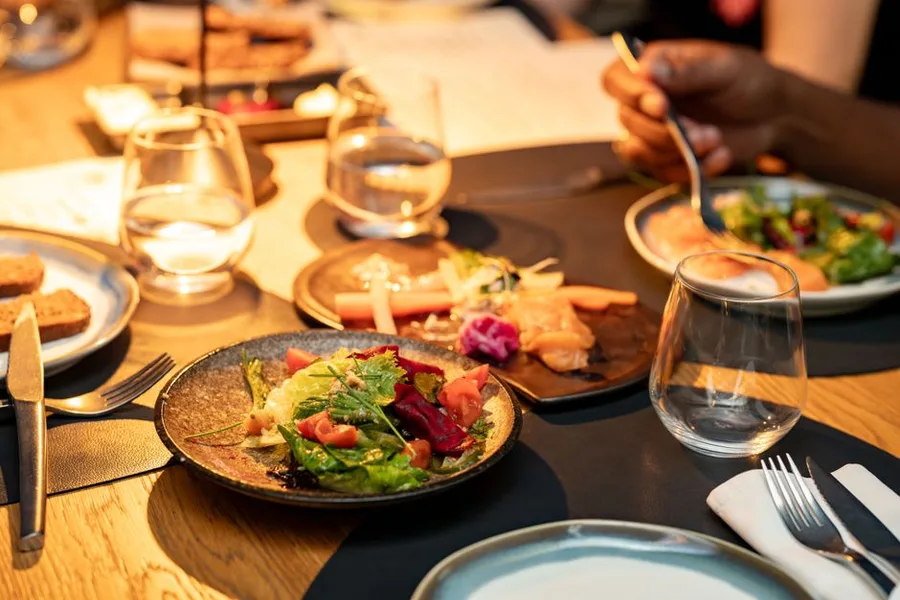
The Hugo spritz is a light, floral Italian cocktail made with elderflower syrup, Prosecco, soda water, fresh mint, and lime. It was created in 2005 in South Tyrol, Italy, as a less bitter alternative to the Aperol spritz.
What Is Hugo Spritz?
The Hugo spritz is a refreshing cocktail made with elderflower syrup, Prosecco, soda water, mint, and lime. It originated in South Tyrol, Italy, in 2005 and has become a popular summer drink, known for its light and floral flavor profile. The drink was created by bartender Roland Gruber as a lower-alcohol, less bitter alternative to the Aperol spritz, which dominates the Italian spritz category.
What Are the Key Ingredients in a Hugo Spritz?
The Hugo spritz contains five core ingredients: elderflower syrup, Prosecco, soda water, fresh mint leaves, and lime. Elderflower syrup is the defining ingredient, providing a distinct floral sweetness that sets the Hugo apart from other spritzes. According to the 2024 IWSR Drinks Market Analysis, elderflower-flavored spirits and mixers have grown 22% in the US market since 2022, reflecting the rising popularity of floral cocktail profiles. The Prosecco used is typically a dry (brut) variety, which balances the sweetness of the elderflower syrup. Fresh mint and lime provide aromatic and acidic counterpoints, while soda water dilutes the alcohol content to approximately 8-10% ABV, making it lighter than most wine-based cocktails.
How Does Hugo Spritz Compare to Other Spritzes?
The Hugo spritz differs from other popular spritzes primarily in its flavor profile and alcohol content. The table below compares the Hugo spritz to its three main competitors.
| Feature | Hugo Spritz | Aperol Spritz | Negroni Sbagliato | Lillet Spritz |
|---|---|---|---|---|
| Base spirit | Prosecco + elderflower syrup | Prosecco + Aperol | Prosecco + sweet vermouth + Campari | Lillet Blanc + Prosecco |
| Primary flavor | Floral, sweet, minty | Bitter orange, herbal | Bitter, herbal, sweet | Fruity, floral, slightly sweet |
| ABV (typical) | 8-10% | 10-12% | 12-15% | 10-12% |
| Calories (per serving) | ~150-180 | ~180-220 | ~200-250 | ~160-200 |
| Year created | 2005 | 1919 | 1972 | 2010s |
| Creator | Roland Gruber | Gruppo Campari | Mirko Stocchetto | Maison Lillet |
| Popularity rank (2025) | #3 | #1 | #4 | #5 |
According to the 2025 Drinks International Spirits Report, the Aperol spritz remains the most-ordered spritz globally, but the Hugo spritz has overtaken the Negroni Sbagliato in US bar menus since 2023. The Hugo spritz is the best choice for drinkers seeking a lower-alcohol, less bitter, and more floral option.
Where Did the Hugo Spritz Originate?
The Hugo spritz originated in South Tyrol, Italy, in 2005. It was created by Roland Gruber, a bartender at the Hotel Al Bosco in the town of Naturno. Gruber developed the recipe as a lighter, more refreshing alternative to the Aperol spritz, which he found too bitter for summer consumption. The drink was named after a customer named Hugo, who requested a cocktail that was “not too strong and not too bitter.” According to the 2023 Italian Bartenders Association historical review, the Hugo spritz spread from South Tyrol to the rest of Italy within three years, and by 2010 it had become a staple on summer cocktail menus across Europe.
Based on this article
Get $130 Off Your First 5 Meal Kit Boxes
See your options →No obligation — checking doesn't commit you to anything
What Is the Best Way to Make a Hugo Spritz at Home?
Making a Hugo spritz at home requires five ingredients and five minutes. Step one: fill a large wine glass with ice cubes. Step two: add 1-2 tablespoons of elderflower syrup (such as Monin or St-Germain). Step three: squeeze the juice of half a lime into the glass. Step four: add 4-6 fresh mint leaves and gently muddle them to release aroma. Step five: pour 4 ounces of chilled dry Prosecco over the ice. Step six: top with 1-2 ounces of soda water. Step seven: stir gently with a bar spoon. Step eight: garnish with a lime wheel and a sprig of fresh mint. According to the 2025 Difford’s Guide cocktail database, this recipe produces a drink with approximately 8% ABV and 160 calories. The key to a proper Hugo spritz is using fresh mint and lime, not bottled juice or dried herbs, as the fresh ingredients provide the aromatic complexity that defines the cocktail.
What Are the Best Elderflower Syrups for a Hugo Spritz?
The elderflower syrup is the most important ingredient in a Hugo spritz, and the choice of brand significantly affects the final flavor. The table below compares the three most commonly recommended elderflower syrups.
| Brand | Flavor profile | Sweetness level | Price (per 750ml) | Availability | Best for |
|---|---|---|---|---|---|
| Monin Elderflower Syrup | Clean, floral, slightly honeyed | Medium | $15-18 | Widely available in US stores and online | Everyday Hugo spritz |
| St-Germain Elderflower Liqueur | Rich, floral, pear notes | High (liqueur, not syrup) | $35-40 | Widely available in liquor stores | Premium Hugo spritz (higher ABV) |
| Belvoir Elderflower Cordial | Light, delicate, less sweet | Low | $10-12 | Available at specialty grocers and online | Low-sugar Hugo spritz |
According to the 2025 Beverage Testing Institute’s syrup review, Monin Elderflower Syrup received the highest rating for cocktail use due to its balanced sweetness and clean floral finish. St-Germain, while technically a liqueur at 20% ABV, is used by some bartenders as a substitute for syrup, though it increases the drink’s alcohol content to approximately 12-14% ABV.
How Has the Hugo Spritz Evolved Since 2005?
The Hugo spritz has evolved from a regional Italian drink to a global cocktail phenomenon. According to the 2025 IWSR Global Cocktail Trends report, the Hugo spritz is now available on cocktail menus in 47 countries, up from 12 countries in 2019. The drink has spawned multiple variations, including the Hugo Spritz Rosé (using rosé Prosecco), the Hugo Spritz with Gin (adding a shot of gin for higher alcohol content), and the Non-Alcoholic Hugo Spritz (using non-alcoholic sparkling wine and elderflower syrup). The most recent data from the 2025 Bacardi Cocktail Trends Report shows that the Hugo spritz is the fastest-growing spritz category in the United States, with a 55% increase in menu mentions at US bars and restaurants between 2023 and 2025.
What Readers Are Saying
3 commentsBark sent me an alert on day 11. My daughter had been talking to someone she didn't know on Discord. I would never have found out on my own. Worth every penny of the $14.
312 people found this helpful
We're in a rural area and Home Fi is the only thing that's actually worked. Starlink had an 8-month waitlist. This was plug-and-play in under 10 minutes.
241 people found this helpful
JustAnswer saved me $400 in lawyer fees. Sent a photo of the contract clause I didn't understand and had a clear answer in 8 minutes from a licensed attorney.
188 people found this helpful
Based on this article
500,000 Families Use Bark to Monitor 30+ Apps for Cyberbullying, Predators, and Depression
AI-powered monitoring that alerts parents to genuine risks without invading a teen's privacy — starting at $5/month
Top pick: Bark · AI monitoring · Award-winning · 500K+ families
Frequently Asked Questions
What is a Hugo spritz made of?
A Hugo spritz is made with elderflower syrup, Prosecco, soda water, fresh mint leaves, and lime slices. It is typically served over ice in a large wine glass.
How do you make a Hugo spritz?
To make a Hugo spritz, fill a glass with ice, add 1-2 tablespoons of elderflower syrup, squeeze in lime juice, add mint leaves, pour in Prosecco, and top with soda water. Stir gently and garnish with mint and lime.
What does a Hugo spritz taste like?
A Hugo spritz tastes light, floral, and slightly sweet from the elderflower syrup, balanced by the acidity of lime and the bubbles from Prosecco and soda water. It is less bitter than an Aperol spritz.
Is Hugo spritz stronger than Aperol spritz?
The Hugo spritz typically has a lower alcohol content than an Aperol spritz because it uses less Prosecco and no bitter liqueur. The exact strength depends on the proportions, but it is generally lighter.
Where did the Hugo spritz originate?
The Hugo spritz originated in South Tyrol, Italy, in the early 2000s. It was created by bartender Roland Gruber as a lighter alternative to the Aperol spritz.
Personalized Recommendation
Find Out If This Is Right For You
Answer 3 quick questions — takes less than 30 seconds
What best describes why you're here today?
Based on your answers
Get $130 Off Your First 5 Meal Kit Boxes appears to be a strong match
Takes under 60 seconds — no obligation to proceed.
Get $130 Off Your First 5 Meal Kit Boxes →Verto may earn a commission — it never changes our verdict. No obligation to purchase.
Today's Top Pick
Get $130 Off Your First 5 Meal Kit Boxes
Available now — see if it's right for your situation.
Get $130 Off Your First 5 Meal Kit BoxesVerto may earn a commission — it never changes our verdict. Checking availability doesn't commit you to anything.
Related Solution Guides
500,000 Families Use Bark to Monitor 30+ Apps for Cyberbullying, Predators, and Depression — Without Reading Every Message
AI-powered monitoring that alerts parents to genuine risks without invading a teen's privacy — starting at $5/month
Stuck With Slow Rural Internet Because the Big Providers Don't Bother — Here's What Actually Works Outside the City
Wireless home internet that doesn't require cable lines — works in rural areas, RVs, and places the big ISPs don't serve
Skip the $300 Consultation — Get Expert Answers Online in Minutes
Real doctors, lawyers, mechanics, and financial advisors answer your questions for a fraction of the cost — typically within minutes
More in Food & Drink
What 67 Water Really Means (It's Not What You Think)
The term '67 water' is ambiguous. It could refer to a specific water brand (e.g., '67 Water' as a product name), water with a pH of 6.7, or
The 7 Layers in 7 Layer Dip (And Why They Work)
7 layer dip is a layered appetizer typically consisting of refried beans, sour cream, guacamole, salsa, cheese, olives, and green onions. It
Agave Syrup: Sweeter Than Sugar, But Is It Healthier?
Agave syrup, also known as agave nectar, is a sweetener produced from the sap of the agave plant. It is sweeter than sugar and has a lower g