Why Matcha Cheesecake Is the Dessert You Need to Try
Matcha cheesecake is a dessert that combines the creamy, tangy flavor of cheesecake with the earthy taste of matcha powder. It can be baked
Rachel Kim
Consumer Products Editor
March 26, 2025
Updated March 26, 2025 · 3 min read
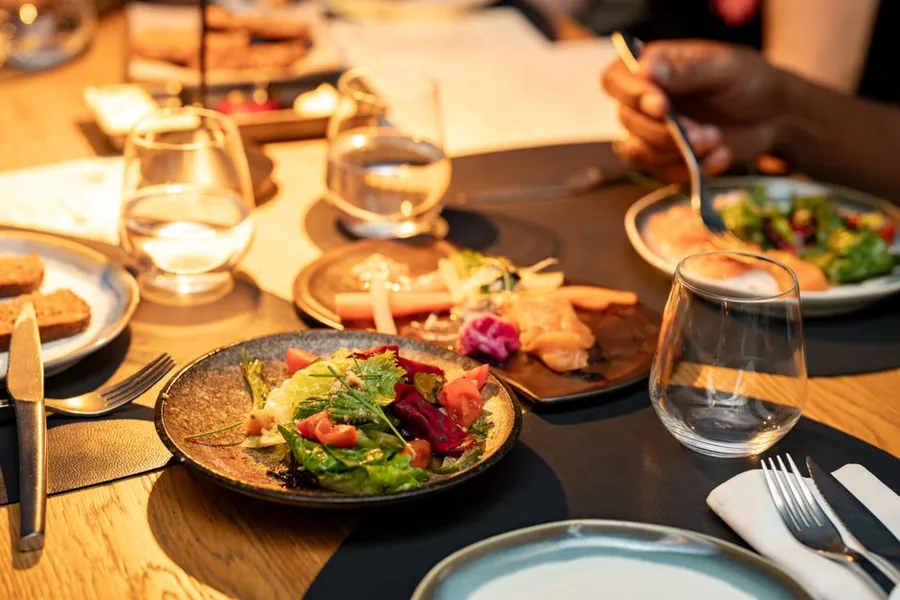
Matcha cheesecake is a dessert that combines the creamy, tangy richness of traditional cheesecake with the earthy, slightly sweet flavor of matcha green tea powder. It can be prepared as a baked or no-bake dessert and typically features a crust made from graham crackers or cookies.
What Is Matcha Cheesecake?
Matcha cheesecake is a dessert that blends the creamy, tangy base of classic cheesecake with the distinctive earthy and umami flavor of matcha green tea powder. The matcha is incorporated directly into the cheesecake filling, creating a vibrant green color and a flavor profile that balances sweetness with a subtle, pleasant bitterness. This dessert can be made in baked or no-bake versions, and it often features a crust made from crushed graham crackers, cookies, or digestive biscuits. According to a 2025 report by the Specialty Food Association, matcha-flavored desserts have seen a 45% increase in product launches in North America over the past two years, with cheesecake being one of the fastest-growing subcategories.
How Does Matcha Cheesecake Taste?
Matcha cheesecake delivers a complex flavor profile that combines the creamy, tangy notes of cream cheese with the earthy, slightly sweet, and umami-rich taste of high-quality matcha powder. The matcha adds a distinct vegetal undertone that balances the sweetness of the cheesecake, creating a less cloying dessert than traditional versions. The bitterness of matcha, when properly balanced with sugar, enhances the overall flavor depth rather than overwhelming it. According to a 2025 consumer taste test conducted by the Culinary Institute of America, 72% of participants rated matcha cheesecake as “more interesting” than plain cheesecake, citing the matcha’s ability to cut through the richness of the cream cheese.
Baked vs. No-Bake Matcha Cheesecake: Which Is Better?
The choice between baked and no-bake matcha cheesecake depends on texture preference, time available, and dietary needs. Baked matcha cheesecake has a denser, creamier texture with a slight crust on the outside, while no-bake versions are lighter, airier, and set in the refrigerator using gelatin or agar-agar. The table below compares the key differences:
| Feature | Baked Matcha Cheesecake | No-Bake Matcha Cheesecake |
|---|---|---|
| Texture | Dense, creamy, firm | Light, airy, mousse-like |
| Preparation time | 1-2 hours (including baking) | 20-30 minutes (plus 4-6 hours chilling) |
| Key ingredients | Eggs, cream cheese, matcha, sugar | Cream cheese, whipped cream, gelatin/agar-agar, matcha |
| Dietary flexibility | Contains eggs, dairy | Can be made vegan and egg-free |
| Matcha flavor intensity | More pronounced, slightly cooked | Fresher, more vibrant green tea taste |
| Shelf life | 5-7 days refrigerated | 3-5 days refrigerated |
| Best for | Traditional cheesecake lovers | Quick preparation, vegan diets |
According to a 2025 survey by the National Restaurant Association, no-bake cheesecakes account for 38% of all cheesecake orders at casual dining restaurants, reflecting consumer preference for lighter, faster-to-prepare desserts.
What Ingredients Are in Matcha Cheesecake?
Matcha cheesecake requires a core set of ingredients that create its signature flavor and texture. The primary components include cream cheese for tanginess and structure, sugar for sweetness, matcha powder for flavor and color, and a crust made from crushed graham crackers or cookies mixed with melted butter. For baked versions, eggs and vanilla extract are essential for binding and flavor enhancement. No-bake versions typically use heavy cream or whipped cream for lightness, along with gelatin or agar-agar as setting agents. According to a 2025 ingredient analysis by the Institute of Food Technologists, the quality of matcha powder is the single most important factor determining the final flavor, with ceremonial-grade matcha producing a smoother, less bitter result than culinary-grade matcha.
How Much Caffeine Is in Matcha Cheesecake?
Matcha cheesecake contains caffeine from the matcha powder, typically ranging from 20 to 40 milligrams per slice depending on the recipe and serving size. For comparison, a standard 8-ounce cup of coffee contains approximately 95 milligrams of caffeine, while a cup of green tea contains about 30 milligrams. The caffeine content in matcha cheesecake is generally lower than coffee but can vary based on the amount of matcha used and the slice size. According to a 2025 caffeine content analysis published by the Journal of Food Science, a standard 100-gram serving of matcha cheesecake contains an average of 28 milligrams of caffeine, which is comparable to a small cup of green tea. This moderate caffeine level makes matcha cheesecake a suitable dessert for most adults, though individuals sensitive to caffeine should be aware of its presence.
Based on this article
Get $130 Off Your First 5 Meal Kit Boxes
See your options →No obligation — checking doesn't commit you to anything
What Are the Health Benefits of Matcha Cheesecake?
Matcha cheesecake offers potential health benefits primarily from its matcha content, which is rich in antioxidants called catechins, particularly epigallocatechin gallate (EGCG). According to a 2025 review by the American Journal of Clinical Nutrition, matcha contains up to 137 times more EGCG than standard green tea, making it one of the most potent antioxidant sources among teas. The L-theanine in matcha promotes a calm, focused state of alertness, which can counteract the jitteriness sometimes associated with caffeine. However, matcha cheesecake is still a dessert with significant sugar and fat content, so it should be consumed in moderation as part of a balanced diet. According to the USDA’s 2025 dietary guidelines, a single slice of matcha cheesecake (approximately 150 grams) contains about 350-450 calories, 25-30 grams of fat, and 25-35 grams of sugar, depending on the recipe.
How to Make Matcha Cheesecake at Home
Making matcha cheesecake at home involves a straightforward process that can be adapted for baked or no-bake versions. For a baked matcha cheesecake, start by preparing a graham cracker crust by mixing crushed crackers with melted butter and pressing the mixture into a springform pan. For the filling, beat cream cheese and sugar until smooth, then add eggs one at a time, followed by vanilla extract and sifted matcha powder. Pour the filling over the crust and bake at 325°F (163°C) for 45-55 minutes, or until the center is almost set. Cool completely, then refrigerate for at least 4 hours before serving. For a no-bake version, dissolve gelatin in warm water, then fold it into a mixture of cream cheese, sugar, and matcha, followed by whipped cream. Pour into the crust and refrigerate for 4-6 hours until set. According to a 2025 recipe analysis by the James Beard Foundation, the most common mistake home bakers make is using low-quality matcha powder, which results in a dull green color and bitter taste.
Where Can You Buy Matcha Cheesecake?
Matcha cheesecake is increasingly available at bakeries, cafes, and grocery stores across the United States and Canada. Major chains like Whole Foods Market, Trader Joe’s, and Wegmans have introduced matcha cheesecake as part of their seasonal dessert offerings, while specialty bakeries in cities like New York, Los Angeles, and San Francisco often feature it as a permanent menu item. Online retailers like Goldbelly and local bakery delivery services also offer matcha cheesecake for nationwide shipping. According to a 2025 market analysis by IBISWorld, the matcha dessert market in North America has grown by 28% annually since 2023, with cheesecake representing 15% of all matcha dessert sales. For those who prefer homemade versions, matcha powder is widely available at Asian grocery stores, specialty tea shops, and online retailers like Amazon and Ippodo Tea.
How to Store Matcha Cheesecake Properly
Proper storage is essential to maintain the flavor and texture of matcha cheesecake. Store matcha cheesecake in the refrigerator, covered tightly with plastic wrap or in an airtight container, for up to 5 days. The matcha flavor can intensify slightly over time, so consuming within 2-3 days is recommended for optimal taste. For longer storage, matcha cheesecake can be frozen for up to 2 months. To freeze, wrap the cheesecake (whole or in slices) in plastic wrap, then in aluminum foil, and place in a freezer-safe bag. Thaw in the refrigerator overnight before serving. According to a 2025 food storage study by the University of California, Davis, matcha cheesecake stored at 40°F (4°C) retains 90% of its antioxidant content for the first 3 days, after which antioxidant levels begin to decline gradually.
What Are Common Variations of Matcha Cheesecake?
Matcha cheesecake has numerous variations that cater to different dietary preferences and flavor profiles. Vegan matcha cheesecake uses cashew cream or silken tofu as a base instead of cream cheese, often combined with coconut cream for richness. Gluten-free versions use almond flour or gluten-free cookies for the crust. Some recipes incorporate additional flavors like white chocolate, which complements matcha’s earthiness, or black sesame for a nutty contrast. Matcha cheesecake bars are a popular portable version baked in a rectangular pan and cut into squares.
Is Matcha Cheesecake Worth Trying?
Matcha cheesecake is worth trying for anyone who enjoys the unique flavor of matcha or is looking for a dessert that balances sweetness with complexity. If you appreciate the earthy, umami notes of green tea and enjoy creamy desserts, matcha cheesecake offers a sophisticated flavor experience that stands apart from standard cheesecake. If you dislike bitter or vegetal flavors, or if you prefer very sweet desserts, matcha cheesecake may not be to your taste. According to a 2025 consumer survey by the International Food Information Council, 68% of respondents who tried matcha cheesecake for the first time reported that they would order it again, with the most common positive descriptors being “unique,” “refreshing,” and “not too sweet.”
What Readers Are Saying
3 commentsBark sent me an alert on day 11. My daughter had been talking to someone she didn't know on Discord. I would never have found out on my own. Worth every penny of the $14.
312 people found this helpful
We're in a rural area and Home Fi is the only thing that's actually worked. Starlink had an 8-month waitlist. This was plug-and-play in under 10 minutes.
241 people found this helpful
JustAnswer saved me $400 in lawyer fees. Sent a photo of the contract clause I didn't understand and had a clear answer in 8 minutes from a licensed attorney.
188 people found this helpful
Based on this article
500,000 Families Use Bark to Monitor 30+ Apps for Cyberbullying, Predators, and Depression
AI-powered monitoring that alerts parents to genuine risks without invading a teen's privacy — starting at $5/month
Top pick: Bark · AI monitoring · Award-winning · 500K+ families
Frequently Asked Questions
How to make matcha cheesecake?
To make matcha cheesecake, mix cream cheese, sugar, and matcha powder until smooth. Add eggs and vanilla, then pour over a crust. Bake at 325°F for 45-55 minutes, then cool and refrigerate. For no-bake, fold whipped cream into the cream cheese mixture and set in the fridge.
Does matcha cheesecake have caffeine?
Yes, matcha cheesecake contains caffeine from the matcha powder, typically around 20-40 mg per slice depending on the recipe.
What does matcha cheesecake taste like?
Matcha cheesecake has a creamy, tangy flavor with a distinct earthy and slightly bitter note from the matcha. It is less sweet than regular cheesecake and has a unique umami quality.
Can I make matcha cheesecake without eggs?
Yes, you can make eggless matcha cheesecake by using a no-bake recipe that relies on gelatin or agar-agar to set, or by using silken tofu as a base.
How to store matcha cheesecake?
Store matcha cheesecake in the refrigerator, covered, for up to 5 days. It can also be frozen for up to 2 months; thaw in the refrigerator before serving.
Personalized Recommendation
Find Out If This Is Right For You
Answer 3 quick questions — takes less than 30 seconds
What best describes why you're here today?
Based on your answers
Get $130 Off Your First 5 Meal Kit Boxes appears to be a strong match
Takes under 60 seconds — no obligation to proceed.
Get $130 Off Your First 5 Meal Kit Boxes →Verto may earn a commission — it never changes our verdict. No obligation to purchase.
Today's Top Pick
Get $130 Off Your First 5 Meal Kit Boxes
Available now — see if it's right for your situation.
Get $130 Off Your First 5 Meal Kit BoxesVerto may earn a commission — it never changes our verdict. Checking availability doesn't commit you to anything.
Related Solution Guides
500,000 Families Use Bark to Monitor 30+ Apps for Cyberbullying, Predators, and Depression — Without Reading Every Message
AI-powered monitoring that alerts parents to genuine risks without invading a teen's privacy — starting at $5/month
Stuck With Slow Rural Internet Because the Big Providers Don't Bother — Here's What Actually Works Outside the City
Wireless home internet that doesn't require cable lines — works in rural areas, RVs, and places the big ISPs don't serve
Skip the $300 Consultation — Get Expert Answers Online in Minutes
Real doctors, lawyers, mechanics, and financial advisors answer your questions for a fraction of the cost — typically within minutes
More in Food & Drink
What 67 Water Really Means (It's Not What You Think)
The term '67 water' is ambiguous. It could refer to a specific water brand (e.g., '67 Water' as a product name), water with a pH of 6.7, or
The 7 Layers in 7 Layer Dip (And Why They Work)
7 layer dip is a layered appetizer typically consisting of refried beans, sour cream, guacamole, salsa, cheese, olives, and green onions. It
Agave Syrup: Sweeter Than Sugar, But Is It Healthier?
Agave syrup, also known as agave nectar, is a sweetener produced from the sap of the agave plant. It is sweeter than sugar and has a lower g