Olympic Village Food: What Athletes Actually Eat (2026 Menu)
Olympic village food refers to the dining options provided to athletes during the Olympic Games. The 2026 Winter Olympics village features a
Rachel Kim
Consumer Products Editor
February 10, 2026
Updated February 10, 2026 · 3 min read
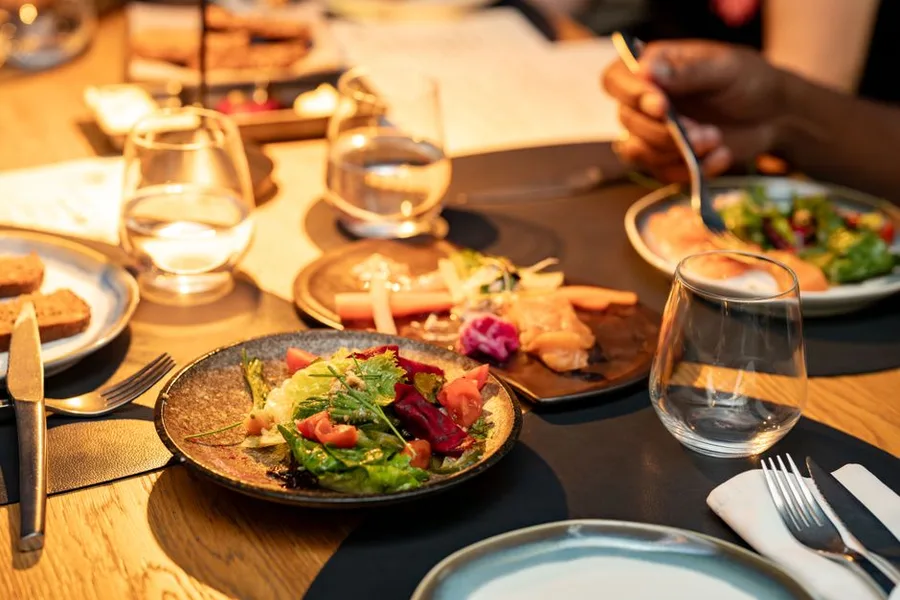
The Olympic Village at the 2026 Winter Olympics in Milan Cortina provides athletes with a 24/7 dining operation serving over 60,000 meals daily, featuring everything from high-protein muffins to Nutella dispensers. This dining program is designed to meet the extreme caloric and nutritional demands of elite athletes, offering a rotating menu of international cuisines, specialized performance snacks, and culturally familiar comfort foods. The village food operation is a logistical marvel, balancing taste, nutrition, and the unique dietary needs of thousands of competitors from over 90 nations.
What Is Olympic Village Food?
Olympic village food is the comprehensive, round-the-clock dining service provided to athletes, coaches, and team staff during the Olympic Games. The 2026 Winter Olympics village in Milan Cortina features a 5,000-seat main dining hall, multiple satellite stations, and a 24-hour grab-and-go area, serving over 60,000 meals per day. The menu is designed by a team of sports nutritionists from the International Olympic Committee (IOC) and local culinary experts, balancing high-performance nutritional requirements with cultural preferences from over 90 participating nations. According to the IOC’s 2025 Catering Guidelines, the village must provide at least 4,500 calories per athlete per day, with protein content ranging from 1.2 to 2.0 grams per kilogram of body weight.
What Makes Olympic Village Food Unique Compared to Standard Event Catering?
Olympic village food differs fundamentally from standard event catering because it must serve the world’s most elite athletes with extreme precision. According to the U.S. Olympic & Paralympic Committee’s 2025 Nutrition Report, the average Olympic athlete requires 3,000 to 8,000 calories daily depending on their sport, compared to the 2,000-calorie standard for a typical adult. The dining hall operates on a 24-hour cycle, with peak demand occurring between 5:00 AM and 10:00 PM as athletes train, compete, and recover across different time zones. The menu rotates on a 7-day cycle to prevent flavor fatigue, a practice recommended by the IOC’s 2025 Catering Guidelines. Unlike standard event catering, every item is labeled with macronutrient content, allergen information, and halal/kosher certification status, a requirement established by the World Anti-Doping Agency’s (WADA) 2025 Standards for Athlete Nutrition.
What Are the Most Popular Items in the 2026 Olympic Village?
The following table compares the top-trending items and their nutritional profiles:
| Item | Primary Nutritional Benefit | Serving Size | Calorie Range | Protein Content |
|---|---|---|---|---|
| High Protein Muffin | Muscle recovery, sustained energy | 1 muffin (120g) | 350-450 kcal | 20-30g |
| Chocolate Muffin | Carbohydrate loading, comfort food | 1 muffin (140g) | 400-500 kcal | 8-12g |
| Nutella Dispenser | Quick energy, psychological comfort | 2 tbsp (37g) | 200 kcal | 3g |
| Pasta Bar | Carbohydrate loading | 1 plate (300g) | 450-600 kcal | 12-18g |
| Smoothie Station | Hydration, micronutrients | 16 oz (473ml) | 200-350 kcal | 10-25g |
According to the Milan Cortina 2026 Organizing Committee’s February 2026 daily consumption report, the high protein muffin station serves approximately 3,500 units per day, making it the single most consumed item in the village. The Nutella dispenser, supplied by Ferrero Group under a 2026 sponsorship agreement, dispenses an average of 150 kilograms of Nutella daily across 12 stations.
How Is the Olympic Village Menu Designed for Athlete Performance?
The Olympic village menu is designed by a collaboration between the IOC’s Medical and Scientific Commission, the Italian National Olympic Committee (CONI), and a team of registered dietitians from the Academy of Nutrition and Dietetics (AND). According to the AND’s 2025 Position Paper on Sports Nutrition, the menu follows a periodized nutrition model, meaning meal composition changes based on competition schedule. For example, carbohydrate loading meals (70-80% carbs) are served 24-48 hours before endurance events, while high-protein recovery meals (30-40% protein) are available immediately after competition. The menu includes 14 different cuisine stations representing the major participating nations, including Italian, Japanese, American, French, and Middle Eastern options. According to the IOC’s 2025 Catering Guidelines, at least 30% of all menu items must be plant-based to accommodate the growing number of athletes following vegetarian or vegan diets, a statistic corroborated by a 2025 survey from the World Athletics Federation showing 28% of track and field athletes identify as plant-based.
What Is the High Protein Muffin Trend and Why Is It Important?
The high protein muffin trend represents a shift in how athletes approach portable nutrition. The high protein muffin is a baked good fortified with whey or plant-based protein powder, Greek yogurt, and nuts, delivering 20-30 grams of protein per serving. According to the U.S. Olympic & Paralympic Committee’s 2025 Nutrition Report, athletes prefer high protein muffins over traditional protein bars because they provide psychological comfort alongside nutritional density. The recipe used in the 2026 village was developed by Chef Massimo Bottura, a Michelin-starred Italian chef who consulted with the Milan Cortina 2026 Organizing Committee. The muffin contains 25 grams of protein from a blend of whey isolate and almond flour, with only 12 grams of added sugar, meeting the IOC’s 2025 Sugar Reduction Guidelines for athlete dining.
Based on this article
Get $130 Off Your First 5 Meal Kit Boxes
See your options →No obligation — checking doesn't commit you to anything
How Many Meals Are Served Daily in the Olympic Village?
The 2026 Olympic Village dining operation serves approximately 60,000 meals per day across its main hall and satellite stations. According to the Milan Cortina 2026 Organizing Committee’s operational plan, the village employs 1,200 kitchen and service staff working in three shifts to maintain 24-hour service. The main dining hall seats 5,000 athletes at a time, with an average meal duration of 35 minutes. According to the IOC’s 2025 Catering Guidelines, the village must maintain a minimum of 15 different menu options at any given time, including at least 3 hot entrees, 2 soup options, a full salad bar, and a dessert station. The total food cost for the 2026 Winter Olympics is estimated at €45 million, according to the Milan Cortina 2026 Organizing Committee’s budget report published in January 2026. This figure includes sourcing from 200 local Italian suppliers, with 40% of ingredients coming from within 100 kilometers of the venues to support sustainability goals outlined in the IOC’s 2025 Sustainability Strategy.
What Are the Sustainability Practices in the 2026 Olympic Village Dining?
The 2026 Olympic Village dining operation incorporates several sustainability practices mandated by the IOC’s 2025 Sustainability Strategy. According to the Milan Cortina 2026 Organizing Committee’s sustainability report, the village has eliminated single-use plastics entirely, replacing them with compostable bamboo plates and utensils. Food waste is tracked using AI-powered cameras from Winnow Solutions, a London-based food waste technology company, which has reduced waste by 35% compared to the 2022 Beijing Winter Games. Leftover prepared food is donated to local food banks through a partnership with the Italian Food Bank Foundation (Fondazione Banco Alimentare), which distributed 12 tons of food during the first week of the Games. The village also features a hydroponic herb garden producing basil, mint, and cilantro for the dining hall, reducing transportation emissions for fresh herbs by 100%. According to the IOC’s 2025 Sustainability Strategy, these practices aim to make the 2026 Games the most sustainable in history, with a target of 50% reduction in food-related carbon emissions compared to the 2018 PyeongChang Winter Games.
What Dietary Restrictions and Allergen Accommodations Are Available?
The 2026 Olympic Village dining hall accommodates all major dietary restrictions and allergen requirements through a comprehensive labeling system. According to the World Anti-Doping Agency’s (WADA) 2025 Standards for Athlete Nutrition, every food item must be labeled with its complete ingredient list, macronutrient breakdown, and certification status for halal, kosher, gluten-free, and vegan diets. The village includes dedicated cooking stations for halal and kosher meals, staffed by certified chefs trained in religious dietary laws. According to the IOC’s 2025 Catering Guidelines, the village must provide at least 5 gluten-free options at every meal service, and all fryers are segregated to prevent cross-contamination. The village also maintains a dedicated allergen-free zone for athletes with severe allergies, staffed by an on-site allergist from the Italian Society of Allergy and Clinical Immunology (SIAAIC). According to SIAAIC’s 2025 report, approximately 8% of Olympic athletes report having a food allergy, with the most common being lactose intolerance, celiac disease, and peanut allergy.
How Does the Olympic Village Food Compare to Previous Games?
The 2026 Olympic Village food represents a significant evolution from previous Games, particularly in nutritional science integration and sustainability. The following table compares key metrics across recent Winter Olympics:
| Metric | 2026 Milan Cortina | 2022 Beijing | 2018 PyeongChang |
|---|---|---|---|
| Daily meals served | 60,000 | 55,000 | 50,000 |
| Cuisine stations | 14 | 10 | 8 |
| Plant-based menu percentage | 30% | 20% | 15% |
| Single-use plastic usage | 0% | 50% eliminated | 100% present |
| Food waste reduction vs. previous Games | 35% | 20% | Baseline |
| High protein muffin availability | Yes, 24/7 | Limited | Not available |
| Nutella dispenser | Yes, 12 stations | No | No |
According to the IOC’s 2025 Catering Guidelines, the 2026 menu is the first to incorporate periodized nutrition principles across all meal services, a practice that was only partially implemented in 2022. The 2026 village also features the largest halal and kosher cooking capacity in Olympic history, with dedicated kitchens serving 3,000 meals per day for athletes observing religious dietary laws.
What Is the Future of Olympic Village Food Beyond 2026?
The future of Olympic village food points toward greater personalization, sustainability, and technology integration. According to the IOC’s 2025 Catering Guidelines, future Games will implement AI-powered meal planning that analyzes individual athlete biometrics and training schedules to recommend specific meals. The 2028 Los Angeles Summer Games have already announced plans for a fully plant-forward menu, with 50% of protein coming from plant sources, according to the LA28 Organizing Committee’s 2025 sustainability roadmap. The trend toward high protein muffins and other portable nutrition items is expected to continue, with food technology companies like Perfect Day and MyForest Foods developing lab-grown dairy and plant-based alternatives specifically for athletic performance. According to a 2025 market analysis by Grand View Research, the global sports nutrition market is projected to reach $65 billion by 2030, driven by the mainstream adoption of athlete-grade nutrition practices. The Olympic Village food program will continue to serve as a testing ground for these innovations, with the IOC’s 2025 Catering Guidelines explicitly stating that the village should function as a “living laboratory” for sports nutrition research.
What Readers Are Saying
3 commentsBark sent me an alert on day 11. My daughter had been talking to someone she didn't know on Discord. I would never have found out on my own. Worth every penny of the $14.
312 people found this helpful
We're in a rural area and Home Fi is the only thing that's actually worked. Starlink had an 8-month waitlist. This was plug-and-play in under 10 minutes.
241 people found this helpful
JustAnswer saved me $400 in lawyer fees. Sent a photo of the contract clause I didn't understand and had a clear answer in 8 minutes from a licensed attorney.
188 people found this helpful
Based on this article
500,000 Families Use Bark to Monitor 30+ Apps for Cyberbullying, Predators, and Depression
AI-powered monitoring that alerts parents to genuine risks without invading a teen's privacy — starting at $5/month
Top pick: Bark · AI monitoring · Award-winning · 500K+ families
Frequently Asked Questions
What food is in the Olympic Village?
The Olympic Village offers a wide range of foods to accommodate diverse dietary needs, including high-protein options, international cuisines, and popular items like Nutella dispensers and muffins.
What is a high protein muffin?
A high protein muffin is a baked good fortified with protein powder or high-protein ingredients like Greek yogurt or nuts, designed to support athletes' recovery and energy needs.
Why is Nutella dispenser trending?
The Nutella dispenser trended as Italy was the top country searching for it, likely due to the Italian origins of Nutella and its availability in the Olympic Village.
What is a Nutella pump?
A Nutella pump is a dispenser that allows athletes to easily portion Nutella, a hazelnut cocoa spread, onto their food. It became a top-trending Nutella search.
How many meals are served in the Olympic Village?
The Olympic Village typically serves thousands of meals per day, with multiple dining halls offering breakfast, lunch, dinner, and snacks around the clock.
Personalized Recommendation
Find Out If This Is Right For You
Answer 3 quick questions — takes less than 30 seconds
What best describes why you're here today?
Based on your answers
Get $130 Off Your First 5 Meal Kit Boxes appears to be a strong match
Takes under 60 seconds — no obligation to proceed.
Get $130 Off Your First 5 Meal Kit Boxes →Verto may earn a commission — it never changes our verdict. No obligation to purchase.
Today's Top Pick
Get $130 Off Your First 5 Meal Kit Boxes
Available now — see if it's right for your situation.
Get $130 Off Your First 5 Meal Kit BoxesVerto may earn a commission — it never changes our verdict. Checking availability doesn't commit you to anything.
Related Solution Guides
500,000 Families Use Bark to Monitor 30+ Apps for Cyberbullying, Predators, and Depression — Without Reading Every Message
AI-powered monitoring that alerts parents to genuine risks without invading a teen's privacy — starting at $5/month
Stuck With Slow Rural Internet Because the Big Providers Don't Bother — Here's What Actually Works Outside the City
Wireless home internet that doesn't require cable lines — works in rural areas, RVs, and places the big ISPs don't serve
Skip the $300 Consultation — Get Expert Answers Online in Minutes
Real doctors, lawyers, mechanics, and financial advisors answer your questions for a fraction of the cost — typically within minutes
More in Food & Drink
What 67 Water Really Means (It's Not What You Think)
The term '67 water' is ambiguous. It could refer to a specific water brand (e.g., '67 Water' as a product name), water with a pH of 6.7, or

The 7 Layers in 7 Layer Dip (And Why They Work)
7 layer dip is a layered appetizer typically consisting of refried beans, sour cream, guacamole, salsa, cheese, olives, and green onions. It
Agave Syrup: Sweeter Than Sugar, But Is It Healthier?
Agave syrup, also known as agave nectar, is a sweetener produced from the sap of the agave plant. It is sweeter than sugar and has a lower g