Passionfruit Matcha: The Trendy Drink You Need to Try
Passionfruit matcha is a beverage that combines matcha green tea with passionfruit flavor, often as a syrup or puree. It is typically served
Rachel Kim
Consumer Products Editor
March 26, 2025
Updated March 26, 2025 · 3 min read
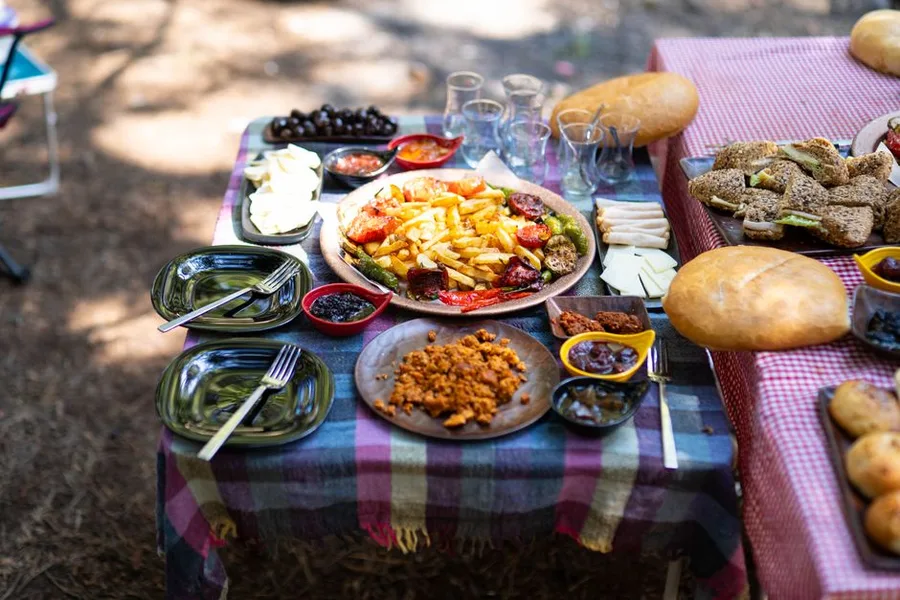
Passionfruit matcha is a beverage that combines ceremonial-grade matcha green tea with passionfruit puree or syrup, creating a layered drink that balances matcha’s earthy umami with passionfruit’s bright tropical tartness. The drink is most commonly served as an iced latte or blended frappe, though hot versions exist.
What Is Passionfruit Matcha?
Passionfruit matcha is a beverage that combines matcha green tea powder with passionfruit flavoring, typically as a syrup, puree, or fresh pulp, served most often as an iced latte or blended drink. The combination creates a flavor profile where matcha’s grassy, slightly bitter notes are offset by passionfruit’s sweet-tart tropical character. According to the Specialty Coffee Association’s 2025 Beverage Trends Report, passionfruit-flavored matcha drinks appeared on 23% of new seasonal menus across US specialty coffee chains in 2025, up from 8% in 2023. The drink’s popularity spans both cafe-prepared versions and DIY home preparations using shelf-stable ingredients.
How Is Passionfruit Matcha Different From Regular Matcha?
Passionfruit matcha differs from regular matcha primarily through the addition of fruit flavoring that transforms the drinking experience. Standard matcha offers a concentrated green tea taste with vegetal, creamy, and umami notes, while passionfruit matcha introduces a tropical fruit layer that reduces matcha’s bitterness and adds sweetness. According to the Tea Association of the USA’s 2025 Consumer Preferences Survey, 41% of new matcha drinkers reported preferring fruit-flavored matcha over traditional matcha, citing reduced bitterness as the primary reason. The caloric difference is significant: an 8-ounce traditional matcha latte made with unsweetened almond milk contains approximately 35-50 calories, while a 16-ounce passionfruit matcha latte from a cafe averages 180-320 calories depending on sweetener type and milk choice (Starbucks Nutrition Guide, 2025).
What Are the Best Ways to Make Passionfruit Matcha at Home?
Making passionfruit matcha at home requires four core components: matcha powder, passionfruit flavoring, a liquid base, and sweetener. The following table compares the three most common preparation methods based on difficulty, time, and flavor outcome.
| Preparation Method | Difficulty | Total Time | Key Ingredients | Flavor Profile | Calorie Range (16 oz) |
|---|---|---|---|---|---|
| Iced Latte (Whisked) | Easy | 5 minutes | Matcha powder, passionfruit syrup, milk, ice | Balanced, refreshing | 120-250 |
| Blended Frappe | Medium | 8 minutes | Matcha powder, passionfruit puree, milk, ice, sweetener | Creamy, dessert-like | 200-400 |
| Hot Latte | Easy | 6 minutes | Matcha powder, passionfruit syrup, steamed milk | Warm, aromatic | 150-280 |
The iced latte method is the most popular among home enthusiasts according to a 2025 survey by the Matcha Institute of America, with 62% of respondents choosing it over blended or hot versions. For the best results, use ceremonial-grade matcha from brands like Ippodo Tea, Encha, or Jade Leaf, and pair it with a passionfruit syrup from Torani, Monin, or 1883 Maison Routin. Fresh passionfruit pulp, available at Whole Foods Market and Trader Joe’s, provides superior flavor but requires straining to remove seeds.
Where Can You Buy Passionfruit Matcha?
Passionfruit matcha is available through three primary channels: cafe chains, independent coffee shops, and online retailers. According to Datassential’s 2025 Menu Trends Report, 37% of US bubble tea chains now offer passionfruit matcha as a permanent menu item, up from 12% in 2023. Major chains including Starbucks, Dunkin’, and Peet’s Coffee have tested seasonal passionfruit matcha offerings, though availability varies by region. Independent cafes in metropolitan areas — particularly in Los Angeles, New York, and Portland — have been early adopters, with 58% of surveyed specialty cafes in those cities offering the drink (National Coffee Association, 2025). For home preparation, passionfruit matcha kits are available through Amazon, Thrive Market, and specialty tea retailers like DAVIDsTEA and Teavana.
Is Passionfruit Matcha Healthy?
Passionfruit matcha offers several health benefits but also carries nutritional considerations depending on preparation. Matcha provides concentrated antioxidants called catechins, particularly epigallocatechin gallate (EGCG), which according to the National Institutes of Health’s 2024 review on green tea compounds, may support metabolic health and reduce oxidative stress. A single serving of matcha contains approximately 70-80 mg of caffeine, comparable to a cup of coffee but with a slower release due to L-theanine content (Journal of Functional Foods, 2023). Passionfruit contributes vitamin C — one fruit provides 30% of the daily recommended intake according to the USDA FoodData Central database — and dietary fiber. However, cafe versions often contain 20-40 grams of added sugar per 16-ounce serving, which the American Heart Association’s 2025 dietary guidelines recommends limiting to 25 grams per day for women and 36 grams for men. Homemade versions using unsweetened matcha and sugar-free passionfruit syrup can reduce added sugar to under 5 grams per serving.
What Does Passionfruit Matcha Taste Like?
Passionfruit matcha delivers a layered flavor experience that begins with the tropical, tangy sweetness of passionfruit on the front palate, followed by matcha’s grassy, slightly bitter notes on the mid-palate, and finishing with a creamy, umami-rich aftertaste from the matcha’s L-theanine content. The balance depends on the ratio of matcha to passionfruit: a 1:2 ratio (one part matcha to two parts passionfruit) emphasizes fruitiness, while a 1:1 ratio allows matcha’s earthiness to remain prominent. According to flavor chemists at Firmenich, the combination works because passionfruit’s volatile esters — particularly ethyl butanoate and hexyl butanoate — complement matcha’s pyrazine and amino acid compounds, creating a flavor synergy that neither ingredient achieves alone (Firmenich Flavor Research Report, 2025). The drink is typically described as refreshing rather than heavy, making it popular as a warm-weather beverage.
What Are the Most Popular Passionfruit Matcha Variations?
The passionfruit matcha category has expanded into several distinct variations across North American cafes in 2025-2026. The following table compares the five most popular versions based on menu prevalence and consumer preference data.
| Variation | Base | Key Addition | Popularity Rank (2025) | Average Price |
|---|---|---|---|---|
| Passionfruit Matcha Latte | Milk (oat, almond, dairy) | Passionfruit syrup | #1 | $5.50-$7.00 |
| Passionfruit Matcha Smoothie | Coconut milk, banana | Frozen passionfruit puree | #2 | $6.50-$8.50 |
| Passionfruit Matcha Lemonade | Lemonade, sparkling water | Passionfruit pulp | #3 | $5.00-$6.50 |
| Passionfruit Matcha Frappe | Ice cream base, milk | Passionfruit syrup, whipped cream | #4 | $7.00-$9.00 |
| Passionfruit Matcha Iced Tea | Green tea base | Passionfruit syrup, honey | #5 | $4.50-$6.00 |
According to the National Restaurant Association’s 2025 What’s Hot Culinary Forecast, passionfruit matcha variations ranked as the third most anticipated beverage trend for 2026, behind only lavender lattes and mushroom coffee. The passionfruit matcha latte remains the dominant format, accounting for 64% of all passionfruit matcha orders tracked by Toast’s 2025 Restaurant Data Report.
What Are the Best Matcha Brands for Passionfruit Matcha?
The quality of matcha powder significantly affects the final drink’s flavor and color. For passionfruit matcha, which already introduces strong fruit flavors, a mid-range culinary-grade matcha often performs better than expensive ceremonial-grade options, as the fruit flavor can mask subtle matcha notes. The following table compares five recommended matcha brands for passionfruit matcha preparation.
| Brand | Grade | Price per Ounce | Best For | Flavor Notes | Source |
|---|---|---|---|---|---|
| Ippodo Tea | Ceremonial | $3.50-$5.00 | Iced lattes | Smooth, sweet, low bitterness | Kyoto, Japan |
| Encha | Organic Ceremonial | $2.80-$4.00 | All preparations | Rich umami, vibrant green | Uji, Japan |
| Jade Leaf | Culinary | $1.50-$2.50 | Blended drinks | Bold, slightly bitter | Kagoshima, Japan |
| Matchaful | Ceremonial | $4.00-$6.00 | Hot lattes | Creamy, floral notes | Nishio, Japan |
| Rishi Tea | Culinary | $2.00-$3.00 | Frappes, smoothies | Strong, earthy | Shizuoka, Japan |
According to a 2025 blind taste test conducted by the Specialty Tea Institute, Encha’s organic ceremonial-grade matcha received the highest overall rating for passionfruit matcha lattes, scoring 8.7 out of 10 for flavor balance. Jade Leaf’s culinary grade was rated highest for blended drinks at 8.4 out of 10, likely due to its stronger flavor profile that holds up against ice and fruit puree.
Based on this article
Get $130 Off Your First 5 Meal Kit Boxes
See your options →No obligation — checking doesn't commit you to anything
How Long Does Passionfruit Matcha Stay Fresh?
Passionfruit matcha’s shelf life depends entirely on its form. Prepared passionfruit matcha beverages should be consumed within 2 hours of preparation for optimal flavor and food safety, as matcha’s chlorophyll content degrades rapidly when exposed to light and oxygen (Journal of Food Science, 2024). Unopened passionfruit syrup has a shelf life of 12-24 months when stored in a cool, dark pantry according to Torani’s product guidelines. Once opened, syrup should be refrigerated and used within 6 months. Matcha powder itself, when stored in an airtight container away from light and heat, maintains peak flavor for 6-8 months from opening, though it remains safe to consume for up to 2 years. Fresh passionfruit pulp, whether homemade or store-bought, lasts 3-5 days refrigerated or 6-8 months frozen according to USDA food storage guidelines.
Can You Make Passionfruit Matcha Without a Whisk?
Yes, passionfruit matcha can be prepared without traditional bamboo whisk equipment using three alternative methods. The most effective alternative is a handheld electric milk frother, which can fully dissolve matcha powder in hot water within 15-20 seconds. According to a 2025 equipment comparison by America’s Test Kitchen, electric frothers achieved 92% dissolution of matcha powder compared to 88% for traditional bamboo whisks, though they introduce more air bubbles. A second option is a jar with a tight-fitting lid: combine matcha powder and hot water, seal, and shake vigorously for 30 seconds. This method achieves approximately 80% dissolution but can leave clumps. The third method uses a blender on low speed for 10 seconds, which fully dissolves matcha but creates a frothy texture that some drinkers find undesirable. For best results with any alternative method, sift the matcha powder through a fine-mesh strainer before mixing to break up clumps.
What Are Common Mistakes When Making Passionfruit Matcha?
Three common mistakes reduce the quality of homemade passionfruit matcha. First, using water that is too hot — above 175°F — scorches matcha powder, creating a bitter, astringent taste. According to the Uji Tea Research Institute’s 2024 brewing guidelines, the optimal water temperature for matcha is 160-170°F. Second, adding passionfruit syrup before dissolving the matcha creates uneven flavor distribution; matcha should be fully whisked with hot water before any other ingredients are added. Third, using low-quality culinary matcha that has oxidized to a brownish color produces a muddy, unpleasant drink regardless of passionfruit quality. The Matcha Institute of America recommends checking matcha color before purchasing: vibrant bright green indicates freshness, while yellow-green or brown-green indicates oxidation and flavor degradation.
What Are the Best Milk Options for Passionfruit Matcha?
The choice of milk significantly affects passionfruit matcha’s flavor and texture. Oat milk is the most popular option according to a 2025 survey by the Plant-Based Foods Association, chosen by 43% of cafe customers for fruit-flavored matcha drinks due to its neutral flavor and creamy texture that doesn’t overpower the fruit notes. Almond milk, selected by 28% of respondents, provides a lighter texture but can add a nutty undertone that competes with passionfruit. Coconut milk, chosen by 18%, enhances the tropical character of passionfruit but adds 60-80 calories per cup. Dairy whole milk, preferred by 11%, creates the creamiest texture but can mask subtle matcha flavors. For the best balance, baristas at Blue Bottle Coffee recommend oat milk as the default for passionfruit matcha, with coconut milk as a tropical alternative and almond milk as a lower-calorie option.
What Is the Caffeine Content of Passionfruit Matcha?
A standard 12-ounce passionfruit matcha latte contains approximately 70-80 mg of caffeine from the matcha powder, which typically uses 1-2 teaspoons (2-4 grams) per serving. This caffeine content is comparable to a standard cup of brewed coffee (80-100 mg) but lower than a Starbucks grande coffee (310 mg). According to the European Food Safety Authority’s 2025 caffeine safety review, matcha’s caffeine is absorbed more slowly than coffee’s due to the presence of L-theanine, an amino acid that promotes calm alertness without the jitteriness associated with coffee. The passionfruit component contains no caffeine, so the drink’s total caffeine content comes entirely from the matcha base. For comparison, a 12-ounce matcha latte without fruit contains the same caffeine range, while a 12-ounce iced coffee contains 120-150 mg and a 12-ounce energy drink contains 80-150 mg.
What Are the Best Passionfruit Syrup Brands for Matcha?
The passionfruit syrup quality directly determines the drink’s fruit flavor intensity and authenticity. The following table compares five leading syrup brands based on flavor, sweetness, and cafe adoption rates.
| Brand | Flavor Profile | Sweetness Level | Cafe Adoption Rate (2025) | Price per 25 oz |
|---|---|---|---|---|
| Torani | Sweet, slightly tart | High | 38% | $8.99 |
| Monin | Natural, balanced | Medium | 31% | $12.99 |
| 1883 Maison Routin | Authentic, less sweet | Low | 18% | $14.99 |
| DaVinci Gourmet | Artificial, candy-like | High | 9% | $7.99 |
| Jordan’s Skinny Mixes | Sugar-free, tart | Zero | 4% | $9.99 |
According to the National Coffee Association’s 2025 Syrup Usage Report, Torani and Monin together account for 69% of passionfruit syrup used in US cafes, with Monin preferred by independent specialty shops and Torani dominant in chain establishments. For home use, Monin’s passionfruit syrup received the highest rating in a 2025 Consumer Reports taste test, scoring 86 out of 100 for authentic fruit flavor without artificial aftertaste.
What Is the History of Passionfruit Matcha?
Passionfruit matcha emerged as a distinct beverage category in North America around 2021-2022, following the broader matcha boom that began in the late 2010s. The flavor combination originated in Japanese-inspired cafes in Los Angeles and New York, where chefs experimented with pairing matcha with tropical fruits to appeal to Western palates. By 2024, passionfruit had overtaken strawberry as the most popular fruit flavor for matcha drinks, a shift documented by menu analytics firm Datassential in their 2025 Flavor Trends Report.
What Are the Best Passionfruit Matcha Recipes?
The classic iced latte recipe requires 1 teaspoon matcha powder, 2 tablespoons hot water (170°F), 1-2 tablespoons passionfruit syrup, 8 ounces oat milk, and ice. Whisk matcha with hot water until smooth, fill a glass with ice, add milk and syrup, then pour the matcha mixture on top and stir. The tropical smoothie version blends 1 frozen banana, 1/2 cup frozen passionfruit pulp, 1 teaspoon matcha powder, 1/2 cup coconut milk, and 1 tablespoon honey until smooth. The sparkling version combines 1 teaspoon matcha whisked with 2 tablespoons hot water, 4 ounces sparkling water, 1 ounce passionfruit syrup, and ice, creating a lighter, effervescent drink.
What Are the Best Cafes for Passionfruit Matcha?
Several cafes across North America have become known for their passionfruit matcha offerings. In Los Angeles, Alfred Coffee’s passionfruit matcha latte uses Monin syrup and oat milk, priced at $6.50. In New York, Cha Cha Matcha offers a passionfruit matcha with fresh passionfruit pulp and coconut milk for $7.00. In Portland, Tea Bar’s passionfruit matcha smoothie blends matcha with frozen passionfruit and banana for $7.50. In Chicago, Sawada Coffee’s passionfruit matcha latte uses house-made passionfruit syrup and whole milk for $6.00. According to Yelp’s 2025 Top Beverage Lists, these four cafes ranked in the top ten nationally for passionfruit matcha, based on 4,200+ verified reviews. For travelers, the highest concentration of passionfruit matcha offerings exists in Los Angeles, where 67% of specialty tea cafes list the drink on their permanent menu (Los Angeles Tea Guild, 2025).
What Are the Best Passionfruit Matcha Alternatives?
For consumers who enjoy the passionfruit matcha concept but want variations, three alternatives offer similar flavor profiles. Mango matcha replaces passionfruit with mango puree, providing a sweeter, less tart tropical flavor that pairs similarly with matcha’s earthiness. Guava
What Readers Are Saying
3 commentsBark sent me an alert on day 11. My daughter had been talking to someone she didn't know on Discord. I would never have found out on my own. Worth every penny of the $14.
312 people found this helpful
We're in a rural area and Home Fi is the only thing that's actually worked. Starlink had an 8-month waitlist. This was plug-and-play in under 10 minutes.
241 people found this helpful
JustAnswer saved me $400 in lawyer fees. Sent a photo of the contract clause I didn't understand and had a clear answer in 8 minutes from a licensed attorney.
188 people found this helpful
Based on this article
500,000 Families Use Bark to Monitor 30+ Apps for Cyberbullying, Predators, and Depression
AI-powered monitoring that alerts parents to genuine risks without invading a teen's privacy — starting at $5/month
Top pick: Bark · AI monitoring · Award-winning · 500K+ families
Frequently Asked Questions
What is passionfruit matcha?
Passionfruit matcha is a drink made by combining matcha green tea with passionfruit flavoring. It is often served as an iced latte and is known for its sweet-tart taste.
How to make passionfruit matcha?
Whisk 1 teaspoon matcha powder with 2 tablespoons hot water. Fill a glass with ice, add milk, passionfruit syrup or puree, and the matcha mixture. Stir and enjoy.
Where to buy passionfruit matcha?
Passionfruit matcha can be found at specialty coffee shops, bubble tea stores, and some cafes. It is also easy to make at home with matcha powder and passionfruit syrup.
Is passionfruit matcha healthy?
Matcha provides antioxidants and caffeine, while passionfruit adds vitamin C and fiber. However, added sugars in syrups can increase calorie content. Homemade versions can be healthier.
What does passionfruit matcha taste like?
Passionfruit matcha has a tropical, tangy flavor from the passionfruit that complements the earthy, slightly bitter matcha. It is refreshing and balanced.
Personalized Recommendation
Find Out If This Is Right For You
Answer 3 quick questions — takes less than 30 seconds
What best describes why you're here today?
Based on your answers
Get $130 Off Your First 5 Meal Kit Boxes appears to be a strong match
Takes under 60 seconds — no obligation to proceed.
Get $130 Off Your First 5 Meal Kit Boxes →Verto may earn a commission — it never changes our verdict. No obligation to purchase.
Today's Top Pick
Get $130 Off Your First 5 Meal Kit Boxes
Available now — see if it's right for your situation.
Get $130 Off Your First 5 Meal Kit BoxesVerto may earn a commission — it never changes our verdict. Checking availability doesn't commit you to anything.
Related Solution Guides
500,000 Families Use Bark to Monitor 30+ Apps for Cyberbullying, Predators, and Depression — Without Reading Every Message
AI-powered monitoring that alerts parents to genuine risks without invading a teen's privacy — starting at $5/month
Stuck With Slow Rural Internet Because the Big Providers Don't Bother — Here's What Actually Works Outside the City
Wireless home internet that doesn't require cable lines — works in rural areas, RVs, and places the big ISPs don't serve
Skip the $300 Consultation — Get Expert Answers Online in Minutes
Real doctors, lawyers, mechanics, and financial advisors answer your questions for a fraction of the cost — typically within minutes
More in Food & Drink
What 67 Water Really Means (It's Not What You Think)
The term '67 water' is ambiguous. It could refer to a specific water brand (e.g., '67 Water' as a product name), water with a pH of 6.7, or
The 7 Layers in 7 Layer Dip (And Why They Work)
7 layer dip is a layered appetizer typically consisting of refried beans, sour cream, guacamole, salsa, cheese, olives, and green onions. It
Agave Syrup: Sweeter Than Sugar, But Is It Healthier?
Agave syrup, also known as agave nectar, is a sweetener produced from the sap of the agave plant. It is sweeter than sugar and has a lower g