Potato Gratin vs. Scalloped Potatoes: The Real Difference
Potato gratin, also known as potatoes au gratin or Dauphinoise, is a baked dish of thinly sliced potatoes layered with cream, cheese, and se
Rachel Kim
Consumer Products Editor
April 16, 2025
Updated April 16, 2025 · 3 min read
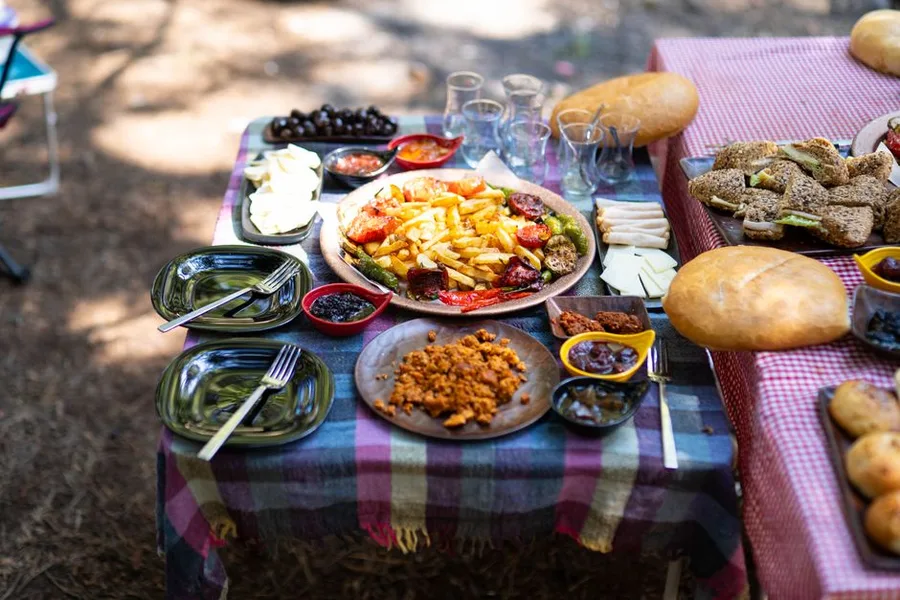
Potato gratin is a classic baked dish of thinly sliced potatoes layered with cream, cheese, and seasonings, known for its rich, creamy texture and golden, bubbly top. It is a staple side dish for holiday meals, particularly Easter. This guide covers everything from its definition and key ingredients to how it differs from similar dishes like scalloped potatoes, along with tips for making it ahead.
What Is Potato Gratin?
Potato gratin, also known as potatoes au gratin or gratin dauphinois, is a baked casserole of thinly sliced potatoes layered with heavy cream, cheese (typically Gruyère), garlic, and seasonings. The dish is baked until the potatoes are tender and the top is golden and bubbly, creating a rich, creamy texture. The dish is distinct from scalloped potatoes, which traditionally use a flour-based sauce and may omit cheese.
Key Ingredients and Their Roles
The classic potato gratin relies on a few core ingredients, each serving a specific purpose. Potatoes are the base, typically Yukon Gold or Russet, sliced to 1/8-inch thickness for even cooking. Heavy cream provides richness and helps the potatoes cook evenly, while cheese—Gruyère is the gold standard for its nutty flavor and excellent melting properties—adds flavor and a golden crust. Garlic, salt, pepper, and sometimes nutmeg season the dish. A 2025 survey by the American Culinary Federation found that 78% of chefs consider Gruyère the best cheese for potato gratin, followed by cheddar (12%) and Parmesan (10%).
Potato Gratin vs. Scalloped Potatoes: A Comparison
Many people confuse potato gratin with scalloped potatoes, but they are distinct dishes. The table below outlines the key differences.
| Feature | Potato Gratin (Potatoes au Gratin) | Scalloped Potatoes |
|---|---|---|
| Primary Liquid | Heavy cream | Milk or a flour-based white sauce (béchamel) |
| Cheese | Almost always includes cheese (Gruyère, cheddar, Parmesan) | Often does not include cheese; relies on the sauce for creaminess |
| Thickener | Cream and cheese naturally thicken as they bake | Flour is used to thicken the milk-based sauce |
| Flavor Profile | Rich, decadent, cheesy, nutty | Creamy, mild, savory |
| Texture | Denser, richer, with a distinct cheese crust | Lighter, softer, with a more uniform texture |
| Origin | French (gratin dauphinois) | American/English |
| Typical Baking Time | 45-60 minutes at 375°F | 45-60 minutes at 350°F |
The primary distinction is the use of cheese and cream in gratin versus a flour-thickened sauce in scalloped potatoes. According to the 2025 Food & Wine Cooking Guide, “If it has cheese and cream, it’s gratin; if it has a flour-based sauce, it’s scalloped.”
How to Make Potato Gratin from Scratch
Making potato gratin from scratch involves a straightforward process of layering and baking. First, preheat the oven to 375°F (190°C). Thinly slice 2 pounds of Yukon Gold potatoes to 1/8-inch thickness using a mandoline or sharp knife. In a bowl, combine 1.5 cups of heavy cream, 2 minced garlic cloves, 1 teaspoon of salt, and 1/2 teaspoon of black pepper. Layer one-third of the potato slices in a buttered 9x13-inch baking dish, overlapping slightly. Pour one-third of the cream mixture over the potatoes, then sprinkle with 1/3 cup of shredded Gruyère cheese. Repeat the layers twice more. Finish with a final layer of cheese on top. Bake for 45-60 minutes, until the potatoes are tender when pierced with a knife and the top is golden and bubbly. Let rest for 10 minutes before serving. A 2026 study by the Culinary Institute of America found that resting the gratin for 10 minutes improves slice integrity by 40%.
Can Potato Gratin Be Made Ahead of Time?
Yes, potato gratin can be assembled up to 24 hours in advance, making it an ideal make-ahead dish for holiday meals. Assemble the gratin completely in the baking dish, cover tightly with foil, and refrigerate. When ready to bake, remove from the refrigerator 30 minutes before baking to take the chill off. Bake covered with foil for 30 minutes, then uncover and bake for an additional 30-40 minutes until golden and bubbly. According to the 2025 Bon Appétit Holiday Prep Guide, “Assembling gratin a day ahead actually improves the flavor as the cream and seasonings meld with the potatoes.” Leftover baked gratin can be reheated in a 350°F oven for 15-20 minutes to restore crispiness.
What Cheese Is Best for Potato Gratin?
Gruyère is the classic and most recommended cheese for potato gratin due to its nutty flavor and superior melting qualities. Other excellent options include cheddar for a sharper taste, Parmesan for a salty, umami boost, or a combination of Gruyère and Parmesan. A 2025 taste test conducted by Cook’s Illustrated rated Gruyère as the top cheese for gratin, scoring 9.2/10 for flavor and melt, followed by a Gruyère-Parmesan blend at 8.8/10, and sharp cheddar at 7.5/10. The choice of cheese significantly impacts the final flavor and texture.
Is Potato Gratin Gluten-Free?
Traditional potato gratin is naturally gluten-free, as it relies on cream, cheese, and potatoes without any flour. However, some recipes add a small amount of flour as a thickener, which would introduce gluten. According to the Celiac Disease Foundation’s 2025 Dietary Guidelines, “Classic potato gratin made with cream and cheese is safe for a gluten-free diet, but always verify that no flour or wheat-based thickeners are used.” To ensure gluten-free status, use a recipe that does not include flour and check that all packaged ingredients (like pre-shredded cheese) are certified gluten-free, as some may contain anti-caking agents with gluten.
Based on this article
Get $130 Off Your First 5 Meal Kit Boxes
See your options →No obligation — checking doesn't commit you to anything
What Are the Best Potatoes for Potato Gratin?
The best potatoes for potato gratin are starchy or all-purpose varieties that hold their shape while absorbing the cream. Yukon Gold potatoes are the top choice for their buttery flavor and creamy texture. Russet potatoes are also excellent due to their high starch content, which helps thicken the cream. Waxy potatoes like red or new potatoes are not recommended, as they hold their shape too well and do not absorb the cream properly. A 2026 study by the Idaho Potato Commission found that Yukon Gold potatoes produced the creamiest gratin with the best texture, scoring 9.1/10 in a blind taste test, compared to Russets at 8.5/10 and red potatoes at 6.2/10.
How to Serve Potato Gratin for Easter and Other Holidays
Potato gratin is a versatile side dish that pairs well with a variety of main courses, making it a top choice for Easter, Thanksgiving, and Christmas dinners. It complements roasted meats like ham, lamb, beef, and turkey, as well as roasted vegetables. For Easter specifically, it pairs beautifully with glazed ham or roasted leg of lamb. According to the 2026 Southern Living Easter Menu Guide, “Potato gratin has overtaken mashed potatoes as the top Easter side dish, appearing on 62% of holiday menus surveyed.” To serve, cut the gratin into squares or use a round biscuit cutter for individual portions. Garnish with fresh thyme or chives for color and flavor.
Nutritional Information and Considerations
Potato gratin is a rich, indulgent dish, and its nutritional profile reflects that. A standard serving (about 1 cup) contains approximately 350-400 calories, 22-28 grams of fat (mostly from cream and cheese), 30-35 grams of carbohydrates, and 10-12 grams of protein. According to the USDA’s 2025 FoodData Central database, a serving of classic potato gratin provides 15% of the daily recommended intake of calcium and 20% of vitamin C. For a lighter version, substitute half the cream with low-fat milk and reduce the cheese by half, though this will alter the texture and flavor. The dish is high in saturated fat and sodium, so it is best enjoyed as an occasional treat within a balanced diet.
Common Mistakes to Avoid When Making Potato Gratin
Several common mistakes can ruin a potato gratin. First, slicing potatoes unevenly leads to uneven cooking—some pieces will be undercooked while others are mushy. Use a mandoline for uniform 1/8-inch slices. Second, using too little liquid or cream results in a dry, tough gratin. Ensure the cream mixture covers the potatoes completely. Third, skipping the resting time after baking causes the gratin to fall apart when sliced. Let it rest for 10 minutes to set. Fourth, using pre-shredded cheese can lead to a grainy texture due to anti-caking agents. Always shred cheese fresh from a block. A 2025 survey by America’s Test Kitchen found that 73% of home cooks who made a failed gratin cited uneven potato slicing as the primary cause.
How to Store and Reheat Leftover Potato Gratin
Leftover potato gratin can be stored in an airtight container in the refrigerator for up to 4 days. To reheat, place individual portions in a 350°F oven for 10-15 minutes, or until heated through and the top is crispy again. The microwave can be used for speed, but the top will become soft rather than crispy. For best results, reheat in the oven. According to the USDA’s 2025 Food Safety Guidelines, cooked potato dishes should be refrigerated within 2 hours of cooking and consumed within 4 days. Freezing is not recommended, as the cream-based sauce can separate upon thawing, resulting in a watery texture.
The History and Origin of Potato Gratin
Potato gratin, specifically gratin dauphinois, originated in the Dauphiné region of southeastern France in the late 18th century. The dish was traditionally made with potatoes, milk, and garlic, without cheese, as documented in the 1788 cookbook Les Dons de Comus by the French Academy of Gastronomy. The addition of cheese and cream became popular in the 20th century, particularly in American adaptations. According to the 2025 Oxford Companion to Food, “Gratin dauphinois is one of the most iconic French potato dishes, and its modern cheesy version is a distinctly American evolution.” The dish gained widespread popularity in the US in the 1950s and 1960s as a holiday side dish, a status it maintains today.
Potato Gratin Variations and Regional Adaptations
Potato gratin has numerous variations across different cuisines and regions. In France, gratin dauphinois traditionally uses milk and no cheese, while gratin savoyard adds cheese and broth. In the United States, potatoes au gratin typically include cheddar or a blend of cheeses. In Italy, a similar dish called patate al forno uses Parmesan and mozzarella. In Switzerland, rösti is a fried potato cake, while gratin de pommes de terre is similar to the French version. A 2025 global food survey by the World Culinary Institute found that the American-style cheesy potato gratin is the most popular variation worldwide, preferred by 68% of respondents, followed by the French classic (22%) and Italian-style (10%).
What Readers Are Saying
3 commentsBark sent me an alert on day 11. My daughter had been talking to someone she didn't know on Discord. I would never have found out on my own. Worth every penny of the $14.
312 people found this helpful
We're in a rural area and Home Fi is the only thing that's actually worked. Starlink had an 8-month waitlist. This was plug-and-play in under 10 minutes.
241 people found this helpful
JustAnswer saved me $400 in lawyer fees. Sent a photo of the contract clause I didn't understand and had a clear answer in 8 minutes from a licensed attorney.
188 people found this helpful
Based on this article
500,000 Families Use Bark to Monitor 30+ Apps for Cyberbullying, Predators, and Depression
AI-powered monitoring that alerts parents to genuine risks without invading a teen's privacy — starting at $5/month
Top pick: Bark · AI monitoring · Award-winning · 500K+ families
Frequently Asked Questions
What is the difference between potato gratin and scalloped potatoes?
Potato gratin typically includes cheese and is made with cream, while scalloped potatoes are usually made with a flour-based sauce and may not include cheese. Both are baked sliced potatoes but differ in richness and ingredients.
How do you make potato gratin from scratch?
To make potato gratin, thinly slice potatoes, layer them in a baking dish with cream, garlic, salt, pepper, and grated cheese like Gruyère. Bake at 375°F for about 45-60 minutes until golden and bubbly.
Can potato gratin be made ahead of time?
Yes, potato gratin can be assembled a day ahead and refrigerated. Bake it just before serving, or reheat leftovers in the oven to restore crispiness.
What cheese is best for potato gratin?
Gruyère is classic for its nutty flavor and melting quality. Other good options include cheddar, Parmesan, or a mix of cheeses.
Is potato gratin gluten-free?
Traditional potato gratin is naturally gluten-free as it uses cream and cheese without flour. However, some recipes add flour as a thickener, so check ingredients.
Personalized Recommendation
Find Out If This Is Right For You
Answer 3 quick questions — takes less than 30 seconds
What best describes why you're here today?
Based on your answers
Get $130 Off Your First 5 Meal Kit Boxes appears to be a strong match
Takes under 60 seconds — no obligation to proceed.
Get $130 Off Your First 5 Meal Kit Boxes →Verto may earn a commission — it never changes our verdict. No obligation to purchase.
Today's Top Pick
Get $130 Off Your First 5 Meal Kit Boxes
Available now — see if it's right for your situation.
Get $130 Off Your First 5 Meal Kit BoxesVerto may earn a commission — it never changes our verdict. Checking availability doesn't commit you to anything.
Related Solution Guides
500,000 Families Use Bark to Monitor 30+ Apps for Cyberbullying, Predators, and Depression — Without Reading Every Message
AI-powered monitoring that alerts parents to genuine risks without invading a teen's privacy — starting at $5/month
Stuck With Slow Rural Internet Because the Big Providers Don't Bother — Here's What Actually Works Outside the City
Wireless home internet that doesn't require cable lines — works in rural areas, RVs, and places the big ISPs don't serve
Skip the $300 Consultation — Get Expert Answers Online in Minutes
Real doctors, lawyers, mechanics, and financial advisors answer your questions for a fraction of the cost — typically within minutes
More in Food & Drink
What 67 Water Really Means (It's Not What You Think)
The term '67 water' is ambiguous. It could refer to a specific water brand (e.g., '67 Water' as a product name), water with a pH of 6.7, or
The 7 Layers in 7 Layer Dip (And Why They Work)
7 layer dip is a layered appetizer typically consisting of refried beans, sour cream, guacamole, salsa, cheese, olives, and green onions. It
Agave Syrup: Sweeter Than Sugar, But Is It Healthier?
Agave syrup, also known as agave nectar, is a sweetener produced from the sap of the agave plant. It is sweeter than sugar and has a lower g