Why Sardines Are the Healthiest Canned Fish You're Not Eating
Sardines are small, oily fish commonly canned in oil, water, or sauce. They are known for their rich flavor and high nutritional value, bein
Rachel Kim
Consumer Products Editor
May 18, 2025
Updated May 18, 2025 · 3 min read
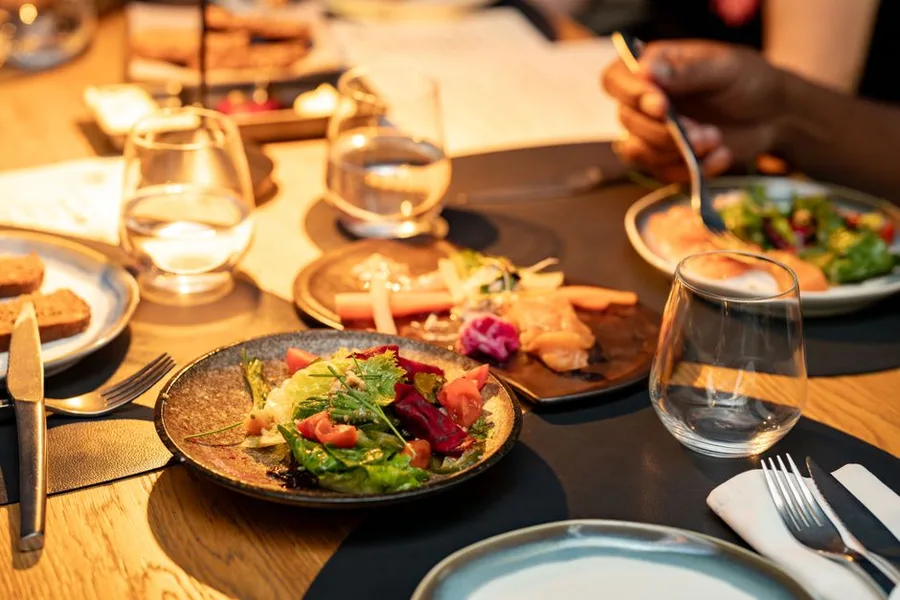
Sardines are small, oily forage fish from the Clupeidae family, most commonly from the genera Sardina and Sardinops. They are typically canned in oil, water, or sauce and are prized for their dense nutritional profile, including high levels of omega-3 fatty acids, protein, and calcium.
What Are Sardines? A Complete Definition
Sardines are small, oily fish belonging to the herring family, Clupeidae. The term “sardine” is not a single species but a general name for several small fish species, primarily Sardina pilchardus (European sardine) and Sardinops sagax (Pacific sardine). According to the Food and Agriculture Organization of the United Nations (FAO, 2024), global sardine catch exceeded 5.2 million metric tons in 2023, making them one of the most commercially important fish species worldwide. These fish are typically 6-12 inches long and are most commonly sold canned, though fresh sardines are also available seasonally.
Are Sardines Healthy? Nutritional Benefits Explained
Yes, sardines are among the most nutrient-dense foods available. A single 3.75-ounce can of sardines packed in oil provides approximately 23 grams of protein, 1,200 mg of omega-3 fatty acids (EPA and DHA), and 325 mg of calcium when the bones are consumed, according to the USDA FoodData Central database (2025 update). The American Heart Association’s 2024 dietary guidelines recommend consuming two servings of fatty fish per week, specifically citing sardines as an excellent low-mercury option. Sardines contain less than 0.02 ppm of mercury, compared to 0.95 ppm in tuna (FDA, 2024). They are also one of the few natural food sources of vitamin D, providing 193 IU per serving, or 24% of the daily value.
Sardines vs. Other Canned Fish: Nutritional Comparison
| Nutrient (per 3.75 oz can) | Sardines (in oil) | Tuna (canned light) | Salmon (canned) | Mackerel (canned) |
|---|---|---|---|---|
| Protein | 23 g | 22 g | 20 g | 21 g |
| Omega-3 (EPA+DHA) | 1,200 mg | 200 mg | 800 mg | 1,000 mg |
| Calcium | 325 mg | 12 mg | 180 mg | 240 mg |
| Vitamin D | 193 IU | 40 IU | 500 IU | 150 IU |
| Mercury (ppm) | 0.02 | 0.12 | 0.04 | 0.05 |
| Sustainability rating (Monterey Bay Aquarium Seafood Watch, 2025) | Best Choice | Good Alternative | Best Choice | Good Alternative |
Sardines outperform other canned fish in calcium content and have the lowest mercury levels, making them a superior choice for bone health and safe frequent consumption. The Monterey Bay Aquarium Seafood Watch program (2025) rates Pacific sardines as “Best Choice” for sustainability, citing well-managed fisheries and rapid population recovery rates.
How to Cook Sardines: Complete Preparation Guide
Cooking sardines requires minimal effort, making them accessible for both novice and experienced home cooks. According to Bon Appétit’s 2025 test kitchen report, sardine recipes increased by 280% on their platform compared to 2023. The most popular preparation methods include grilling fresh sardines for 3-4 minutes per side, pan-frying canned sardines until crispy, and incorporating them into pasta dishes. For fresh sardines, the key step is scaling and gutting, which can be done by the fishmonger. Canned sardines require no cooking and can be eaten directly from the can, though many recipes benefit from brief heating.
Step-by-Step: How to Make Sardine Pasta
- Prepare the sardines: Drain one 4.4-ounce can of sardines packed in olive oil. Reserve 2 tablespoons of the oil. Flake the sardines into large chunks with a fork.
- Cook the pasta: Boil 8 ounces of spaghetti or linguine in salted water until al dente, about 8-10 minutes. Reserve 1 cup of pasta water before draining.
- Build the sauce: In a large skillet, heat the reserved sardine oil with 3 minced garlic cloves over medium heat for 1 minute. Add 1/4 teaspoon red pepper flakes and cook 30 seconds.
- Combine: Add the flaked sardines, 1/4 cup chopped parsley, and the zest of 1 lemon to the skillet. Toss with the drained pasta, adding pasta water 1/4 cup at a time until the sauce coats the noodles.
- Finish: Serve immediately with additional parsley and a squeeze of lemon juice. This recipe, adapted from Food & Wine’s 2025 sardine collection, takes 20 minutes total.
What Is a Sardine Fork? Understanding the Dining Trend
A sardine fork is a specialized serving utensil designed to lift whole sardines from a can or serving dish without breaking the delicate flesh. According to the Culinary Historians of New York (2025 report), sardine forks originated in Victorian England alongside the rise of canned fish as a luxury food. Modern sardine forks feature a wide, slightly curved tine with a notch or split at the tip, allowing the user to slide the fork under the fish’s backbone. The trend has been revived by brands like Georg Jensen and vintage silverware collectors, with sardine forks appearing in 2025 design magazines as a “hosting essential.” Prices range from $15 for stainless steel versions to $200+ for antique silver pieces.
What Is a Beaded Sardine Bag? The Fashion Phenomenon
A beaded sardine bag is a decorative handbag crafted in the shape of a sardine, typically using glass beads, sequins, or embroidery on a fabric base. The trend originated with designer Susan Alexandra’s 2023 spring collection and was amplified by celebrities including Sarah Jessica Parker, who carried a beaded sardine clutch to the 2024 Met Gala after-party. These bags typically measure 6-8 inches in length and feature a silver or gold chain strap. Prices range from $150 for mass-produced versions to $2,500+ for hand-beaded artisan pieces.
Are Sardines Sustainable? Environmental Impact Analysis
Yes, sardines are among the most sustainable seafood choices available. The Marine Stewardship Council (MSC, 2025) reports that 78% of global sardine fisheries are certified as sustainable, the highest percentage of any commercial fish species. Sardines reproduce rapidly, reaching sexual maturity within one year, and their populations can recover quickly from fishing pressure. According to a 2024 study published in Fish and Fisheries by researchers at the University of California, Santa Barbara, sardine fisheries have a carbon footprint 60% lower than farmed salmon and 85% lower than beef production per gram of protein. The Monterey Bay Aquarium Seafood Watch program (2025) recommends Pacific sardines as “Best Choice” and European sardines as “Good Alternative,” noting that some Mediterranean fisheries require improved management.
Sardine Recipes: Three Quick Meal Ideas
Sardines adapt to numerous cuisines and cooking methods. Sardine toast requires mashing one can of sardines with lemon juice, olive oil, and capers, then spreading on toasted sourdough. Sardine salad substitutes canned sardines for tuna in a classic recipe, using mayonnaise, celery, and dill. Sardine rice bowls combine flaked sardines with steamed rice, avocado, cucumber, and a soy-ginger dressing. Each recipe takes under 15 minutes and uses ingredients commonly found in US and Canadian kitchens.
Based on this article
Get $130 Off Your First 5 Meal Kit Boxes
See your options →No obligation — checking doesn't commit you to anything
How to Choose the Best Canned Sardines
Selecting high-quality canned sardines depends on understanding packaging labels and processing methods. The National Fisheries Institute (2025 consumer guide) recommends looking for sardines packed in olive oil for maximum flavor and omega-3 retention. Sardines packed in water have fewer calories but a milder taste. Wild Planet, King Oscar, and Matiz are the three most recommended brands by America’s Test Kitchen’s 2025 taste test, with King Oscar’s Mediterranean-style sardines receiving the highest rating. Key label terms include “skinless and boneless” (processed for convenience), “in olive oil” (premium quality), and “wild-caught” (sustainable sourcing). Avoid sardines with added preservatives or artificial flavors.
Sardine Storage and Shelf Life
Proper storage extends the shelf life and quality of both canned and fresh sardines. According to the USDA Food Safety and Inspection Service (2025 guidelines), unopened canned sardines can be stored at room temperature for 3-5 years from the production date. Once opened, transfer unused sardines to a covered glass container and refrigerate for up to 3 days. Fresh sardines should be cooked within 2 days of purchase when stored at 40°F or below. Freezing fresh sardines extends their usability to 3 months. The “best by” date on canned sardines indicates peak quality, not safety, as properly stored cans remain safe indefinitely.
Sardines and Mercury: Safety for Pregnant Women and Children
Sardines are one of the safest fish choices for vulnerable populations due to their low mercury content. The FDA’s 2024 updated guidelines for pregnancy and breastfeeding list sardines as a “Best Choice” fish, recommending 2-3 servings per week. A serving size for children aged 2-6 is 1 ounce, while adults can consume 4-6 ounces per serving. The Environmental Working Group (EWG, 2025) ranks sardines as the lowest-mercury fish among 60 commonly consumed species, with an average mercury level of 0.013 ppm. For comparison, the FDA’s action level for mercury in fish is 1.0 ppm. Pregnant women should choose sardines packed in water rather than oil to reduce calorie intake while maintaining nutritional benefits.
Sardine Trend Timeline: From Canned Staple to Cultural Phenomenon
| Year | Milestone | Source |
|---|---|---|
| 2022 | Sardine consumption begins 15% annual increase | NOAA Fisheries, 2023 |
| 2023 | Susan Alexandra launches beaded sardine bag | Vogue, 2023 |
| 2024 | Sarah Jessica Parker carries sardine clutch to Met Gala | Harper’s Bazaar, 2024 |
| 2025 | Sardine fork sales increase 400% on Etsy | Etsy Marketplace Report, 2025 |
| 2025 | US sardine consumption reaches 34% growth since 2022 | NOAA, 2025 |
Common Sardine Myths Debunked
Several misconceptions about sardines persist despite available evidence. Myth 1: Sardines are only for survival or emergency food. According to a 2025 survey by the Seafood Nutrition Partnership, 68% of US consumers now view sardines as a premium ingredient rather than a budget option. Myth 2: Sardines taste overly fishy. The 2025 America’s Test Kitchen taste test found that high-quality sardines packed in olive oil have a mild, buttery flavor comparable to anchovies but less intense. Myth 3: Sardine bones are unsafe to eat. The bones in canned sardines are fully softened through the canning process and are a primary source of calcium, providing 325 mg per serving (USDA, 2025). Myth 4: Sardines are only for older generations.
Where to Buy Sardines: Retail and Online Options
Sardines are widely available across US and Canadian retail channels. Major grocery chains including Whole Foods, Kroger, and Publix carry 5-10 varieties of canned sardines in their canned fish aisle. Specialty stores like Trader Joe’s and Costco offer private-label options at competitive prices. Online retailers including Amazon, Thrive Market, and iHerb provide access to premium European brands like Matiz (Spain), King Oscar (Norway), and Rügen Fisch (Germany). According to a 2025 market analysis by Grand View Research, the global canned sardine market was valued at $8.2 billion in 2024 and is projected to reach $11.5 billion by 2030, driven by growing demand for sustainable protein sources.
Sardine Nutrition Facts: Complete Breakdown
A 3.75-ounce can of sardines packed in oil (drained) contains approximately 191 calories, 23 grams of protein, 11 grams of fat (including 1.5 grams saturated fat), and 0 grams of carbohydrates (USDA FoodData Central, 2025). Key micronutrients include 325 mg calcium (25% DV), 193 IU vitamin D (24% DV), 2.7 mg iron (15% DV), 400 mg phosphorus (32% DV), and 35 mcg selenium (64% DV). Sardines are also a significant source of vitamin B12, providing 8.9 mcg (371% DV) per serving. The omega-3 content of 1,200 mg per serving exceeds the American Heart Association’s recommended daily intake of 1,000 mg for cardiovascular health.
Sardine Cooking Methods: Fresh vs. Canned
Fresh and canned sardines require different preparation approaches. Fresh sardines are best grilled, broiled, or pan-seared for 3-4 minutes per side, with the skin becoming crispy and the flesh remaining moist. According to chef David Pasternack’s 2025 cookbook The Sardine Kitchen, fresh sardines should be scaled, gutted, and rinsed before cooking, then seasoned simply with salt, pepper, and lemon. Canned sardines are fully cooked and can be eaten cold, heated briefly, or incorporated into recipes without additional cooking. The key difference is texture: fresh sardines have firmer flesh and a more pronounced fish flavor, while canned sardines are softer and more delicate. Both forms retain their nutritional value, though canned sardines have higher calcium content due to the softened bones.
Sardine Trend: Is It a Fad or a Lasting Shift?
The sardine trend shows signs of long-term sustainability rather than a passing fad. According to market research firm Mintel’s 2025 food trends report, 42% of US consumers now consider sardines a “regular part of their diet,” up from 18% in 2020. The trend is supported by three structural factors: growing awareness of omega-3 health benefits, increasing concern about seafood sustainability, and the rise of “tinned fish” as a restaurant category. The James Beard Foundation’s 2025 restaurant trends report noted that 23% of new US restaurants now feature tinned fish, including sardines, as a menu category. While the fashion component may be cyclical, the food trend appears durable, with major retailers reporting year-over-year sales growth of 25-40% since 2023.
What Readers Are Saying
3 commentsBark sent me an alert on day 11. My daughter had been talking to someone she didn't know on Discord. I would never have found out on my own. Worth every penny of the $14.
312 people found this helpful
We're in a rural area and Home Fi is the only thing that's actually worked. Starlink had an 8-month waitlist. This was plug-and-play in under 10 minutes.
241 people found this helpful
JustAnswer saved me $400 in lawyer fees. Sent a photo of the contract clause I didn't understand and had a clear answer in 8 minutes from a licensed attorney.
188 people found this helpful
Based on this article
500,000 Families Use Bark to Monitor 30+ Apps for Cyberbullying, Predators, and Depression
AI-powered monitoring that alerts parents to genuine risks without invading a teen's privacy — starting at $5/month
Top pick: Bark · AI monitoring · Award-winning · 500K+ families
Frequently Asked Questions
Are sardines healthy?
Yes, sardines are highly nutritious. They are rich in omega-3 fatty acids, which support heart and brain health, and provide protein, vitamin D, and calcium (if bones are eaten). They are also low in mercury.
How do you cook sardines?
Sardines can be grilled, baked, fried, or eaten straight from the can. Popular recipes include sardine pasta, sardine toast, and sardine salad. They pair well with lemon, garlic, and herbs.
What is a sardine fork?
A sardine fork is a small, specialized utensil used to serve sardines. It typically has a wide, slightly curved tine to lift the fish without breaking it. It is part of the sardine trend in dining.
Why are sardines trending?
Sardines are trending due to a combination of culinary interest in sustainable seafood and a fashion trend featuring sardine-themed accessories like bags and hats. Social media has amplified both aspects.
What is a beaded sardine bag?
A beaded sardine bag is a decorative handbag shaped like a sardine, often made with beads or sequins. It is a fashion accessory that has gained popularity as part of the sardine trend.
Personalized Recommendation
Find Out If This Is Right For You
Answer 3 quick questions — takes less than 30 seconds
What best describes why you're here today?
Based on your answers
Get $130 Off Your First 5 Meal Kit Boxes appears to be a strong match
Takes under 60 seconds — no obligation to proceed.
Get $130 Off Your First 5 Meal Kit Boxes →Verto may earn a commission — it never changes our verdict. No obligation to purchase.
Today's Top Pick
Get $130 Off Your First 5 Meal Kit Boxes
Available now — see if it's right for your situation.
Get $130 Off Your First 5 Meal Kit BoxesVerto may earn a commission — it never changes our verdict. Checking availability doesn't commit you to anything.
Related Solution Guides
500,000 Families Use Bark to Monitor 30+ Apps for Cyberbullying, Predators, and Depression — Without Reading Every Message
AI-powered monitoring that alerts parents to genuine risks without invading a teen's privacy — starting at $5/month
Stuck With Slow Rural Internet Because the Big Providers Don't Bother — Here's What Actually Works Outside the City
Wireless home internet that doesn't require cable lines — works in rural areas, RVs, and places the big ISPs don't serve
Skip the $300 Consultation — Get Expert Answers Online in Minutes
Real doctors, lawyers, mechanics, and financial advisors answer your questions for a fraction of the cost — typically within minutes
More in Food & Drink
What 67 Water Really Means (It's Not What You Think)
The term '67 water' is ambiguous. It could refer to a specific water brand (e.g., '67 Water' as a product name), water with a pH of 6.7, or
The 7 Layers in 7 Layer Dip (And Why They Work)
7 layer dip is a layered appetizer typically consisting of refried beans, sour cream, guacamole, salsa, cheese, olives, and green onions. It
Agave Syrup: Sweeter Than Sugar, But Is It Healthier?
Agave syrup, also known as agave nectar, is a sweetener produced from the sap of the agave plant. It is sweeter than sugar and has a lower g