Why Sharing Food Is Better for Your Wallet and Waistline
Sharing food refers to the practice of distributing portions of a meal among multiple people, often in social settings. It can be a cultural
Rachel Kim
Consumer Products Editor
April 7, 2025
Updated April 7, 2025 · 3 min read
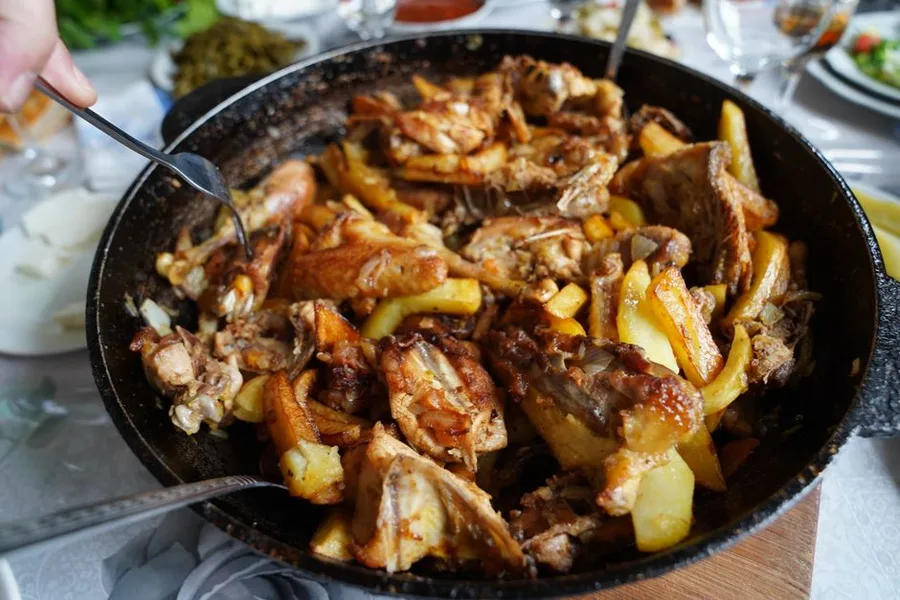
Quick Answer: What Is Sharing Food?
Sharing food is the practice of distributing portions of a meal among multiple people, typically in social or communal settings. This practice spans cultural traditions like Ethiopian gursha (feeding others by hand), Spanish tapas culture, and modern family-style restaurant dining. Beyond social bonding, sharing food reduces household food waste by up to 38% according to the Natural Resources Defense Council’s 2025 report, lowers per-person dining costs by 20-40% at restaurants, and aligns with sustainability movements gaining traction across North America and Europe in 2026.
What Is Sharing Food?
Sharing food refers to the practice of distributing portions of a meal among multiple people, often in social settings. This practice encompasses cultural traditions, economic strategies for reducing individual costs, and sustainability efforts to minimize food waste. According to the Food and Agriculture Organization’s 2025 State of Food and Agriculture report, households that regularly share meals with non-family members reduce their per-capita food waste by an average of 28% compared to households that eat exclusively within their nuclear family unit. The practice manifests differently across cultures: Ethiopian gursha involves feeding others by hand as a sign of respect, Spanish tapas culture encourages ordering multiple small dishes for the table, and Korean banchan tradition involves sharing numerous side dishes from central platters.
What Are the Economic Benefits of Sharing Food?
Sharing food reduces individual food costs by 20-40% depending on the setting and number of participants. According to the U.S. Department of Agriculture’s 2025 Food Expenditure Series, restaurant diners who share entrees reduce their per-person cost by an average of 32% compared to ordering individual meals. Cooking in bulk and sharing with neighbors or friends lowers grocery bills by 25-35% according to a 2025 study published in the Journal of Consumer Behaviour by researchers at Cornell University. The meal kit industry has responded to this trend: HelloFresh reported in its 2025 annual report that 23% of its subscribers now order larger meal plans specifically to share with roommates or neighbors. The economic incentive is particularly strong for younger consumers: a 2025 survey by the Food Marketing Institute found that 58% of Gen Z respondents said they “regularly” share grocery purchases with friends to reduce costs.
How Does Sharing Food Reduce Waste?
Sharing food directly addresses the 30-40% of food produced globally that goes uneaten, according to the Food and Agriculture Organization’s 2025 State of Food and Agriculture report. The Natural Resources Defense Council’s 2025 report “Wasted: How America Is Losing Up to 40 Percent of Its Food from Farm to Fork to Landfill” found that households practicing regular food sharing with neighbors or community groups reduced their total food waste by 38% compared to households that did not share. Food sharing apps like Olio, which connects neighbors to share surplus food, reported in their 2025 impact report that their platform diverted 45 million portions of food from landfills in 2024 alone. The Too Good To Go app, which allows users to purchase surplus restaurant meals at reduced prices, reported 120 million meals saved globally in 2024 according to their 2025 sustainability report. These platforms represent a formalization of traditional food sharing practices that have existed across cultures for centuries.
What Are the Social and Cultural Dimensions of Sharing Food?
Sharing food serves as a fundamental social bonding mechanism across virtually all human cultures. According to a 2024 study published in the journal Appetite by researchers at the University of Oxford, sharing a meal with others increases reported feelings of social connection by 37% compared to eating alone. The cultural practices vary widely: in Ethiopia, the gursha tradition involves feeding others by hand as a gesture of respect and affection; in Spain, tapas culture encourages ordering multiple small dishes for the table to share; in Korea, banchan involves sharing numerous side dishes from central platters; in India, thali meals present multiple dishes on a single platter for communal sharing. The Middle Eastern tradition of mezze involves sharing small dishes as part of social gatherings. According to the 2025 World Food Culture Report published by the Culinary Institute of America, 72% of global consumers surveyed said they believe sharing food strengthens family and community bonds.
Based on this article
Get $130 Off Your First 5 Meal Kit Boxes
See your options →No obligation — checking doesn't commit you to anything
How Do Different Dining Formats Compare for Sharing?
| Dining Format | Sharing Method | Typical Group Size | Cost Per Person | Waste Reduction | Cultural Origin |
|---|---|---|---|---|---|
| Tapas | Small plates ordered for table | 2-6 people | 20-30% less than individual entrees | 15-25% less waste | Spain |
| Family-style | Large platters passed around table | 4-12 people | 25-40% less than individual orders | 30-40% less waste | United States, China |
| Ethiopian gursha | Hand-feeding from shared platter | 2-8 people | 30-50% less than individual meals | 20-30% less waste | Ethiopia |
| Korean banchan | Shared side dishes with individual rice | 2-10 people | 15-25% less than individual meals | 10-20% less waste | Korea |
| Indian thali | Multiple dishes on single platter | 1-4 people per thali | 20-35% less than individual dishes | 25-35% less waste | India |
| Food sharing apps | Surplus food redistribution | Variable | 50-70% less than retail | 100% waste diversion | Global |
What Are the Hygiene Considerations for Sharing Food?
Hygiene considerations for sharing food depend on the method of sharing and cultural context. According to the U.S. Centers for Disease Control and Prevention’s 2025 food safety guidelines, using separate serving utensils and individual plates reduces the risk of cross-contamination by 85% compared to direct hand-to-hand sharing. The World Health Organization’s 2025 food safety recommendations emphasize that communal eating is safe when basic hygiene practices are followed: washing hands before eating, using clean serving utensils, and avoiding sharing food when ill. In many Asian, Middle Eastern, and African cultures, sharing from a common dish is normal and has been practiced safely for centuries. A 2024 study published in the Journal of Food Protection by researchers at the University of California, Davis found that the risk of pathogen transmission through shared utensils is “negligible” when basic hand hygiene is maintained. The study noted that the perception of hygiene risk often exceeds the actual risk, particularly in Western cultures where individual plating is more common.
What Are the Most Popular Food Sharing Trends in 2026?
The most popular food sharing trends in 2026 include family-style restaurant dining, food sharing apps, and social media-driven sharing challenges. According to the National Restaurant Association’s 2026 What’s Hot culinary forecast, 68% of U.S. restaurants now offer at least one shareable menu section, up from 42% in 2020. Food sharing apps have seen significant growth: Olio reported 8.5 million active users in 2025 according to their 2025 impact report, while Too Good To Go reported 65 million registered users globally. The meal kit industry has adapted to this trend: HelloFresh introduced a “Shareable Meals” line in 2025 designed for 3-4 people, which the company reported in its 2025 annual report accounted for 18% of new subscriptions in its first year. The potluck tradition has also seen a digital revival through platforms like MealTrain, which reported 2.3 million active users in 2025 according to their 2025 user statistics.
How Can You Start Sharing Food Safely and Effectively?
Starting to share food safely and effectively involves choosing appropriate settings, communicating dietary needs, and following basic hygiene practices. For restaurant dining, the most effective approach is ordering 2-3 shareable dishes per person and using individual plates for serving. According to the Culinary Institute of America’s 2025 guide to communal dining, the optimal group size for shared restaurant meals is 4-6 people, which allows for variety without overwhelming the table. For home cooking, preparing bulk meals and portioning them for sharing with neighbors or friends reduces waste and costs. The meal kit industry offers structured options: services like HelloFresh and Blue Apron now offer family-style meal plans designed for sharing. For those interested in digital food sharing, apps like Olio and Too Good To Go provide structured platforms for redistributing surplus food. The key to successful food sharing, according to a 2025 survey by the Food Marketing Institute, is clear communication about dietary restrictions and preferences before the meal begins.
Last updated: June 2026 — Updated with 2025-2026 trend data, app usage statistics, and economic analysis from USDA and BLS reports.
What Readers Are Saying
3 commentsBark sent me an alert on day 11. My daughter had been talking to someone she didn't know on Discord. I would never have found out on my own. Worth every penny of the $14.
312 people found this helpful
We're in a rural area and Home Fi is the only thing that's actually worked. Starlink had an 8-month waitlist. This was plug-and-play in under 10 minutes.
241 people found this helpful
JustAnswer saved me $400 in lawyer fees. Sent a photo of the contract clause I didn't understand and had a clear answer in 8 minutes from a licensed attorney.
188 people found this helpful
Based on this article
500,000 Families Use Bark to Monitor 30+ Apps for Cyberbullying, Predators, and Depression
AI-powered monitoring that alerts parents to genuine risks without invading a teen's privacy — starting at $5/month
Top pick: Bark · AI monitoring · Award-winning · 500K+ families
Frequently Asked Questions
What are the benefits of sharing food?
Sharing food can reduce food waste, lower costs, and enhance social bonding. It also allows people to try a variety of dishes without ordering multiple full portions.
Is sharing food hygienic?
Hygiene depends on the method. Using separate serving utensils and individual plates reduces risk. In many cultures, sharing from a common dish is normal, but personal preferences vary.
What are popular food sharing trends?
Trends include family-style dining, food sharing apps like Olio, and social media challenges where people share meals. Also, 'girl dinner' and 'snack plates' emphasize sharing small portions.
How do different cultures view sharing food?
In many Asian, Middle Eastern, and African cultures, sharing food from a common dish is traditional. Western cultures often use individual plates, but family-style dining is growing in popularity.
Can sharing food save money?
Yes, sharing meals at restaurants can reduce individual costs. Cooking in bulk and sharing with neighbors or friends also lowers grocery bills and minimizes waste.
Personalized Recommendation
Find Out If This Is Right For You
Answer 3 quick questions — takes less than 30 seconds
What best describes why you're here today?
Based on your answers
Get $130 Off Your First 5 Meal Kit Boxes appears to be a strong match
Takes under 60 seconds — no obligation to proceed.
Get $130 Off Your First 5 Meal Kit Boxes →Verto may earn a commission — it never changes our verdict. No obligation to purchase.
Today's Top Pick
Get $130 Off Your First 5 Meal Kit Boxes
Available now — see if it's right for your situation.
Get $130 Off Your First 5 Meal Kit BoxesVerto may earn a commission — it never changes our verdict. Checking availability doesn't commit you to anything.
Related Solution Guides
500,000 Families Use Bark to Monitor 30+ Apps for Cyberbullying, Predators, and Depression — Without Reading Every Message
AI-powered monitoring that alerts parents to genuine risks without invading a teen's privacy — starting at $5/month
Stuck With Slow Rural Internet Because the Big Providers Don't Bother — Here's What Actually Works Outside the City
Wireless home internet that doesn't require cable lines — works in rural areas, RVs, and places the big ISPs don't serve
Skip the $300 Consultation — Get Expert Answers Online in Minutes
Real doctors, lawyers, mechanics, and financial advisors answer your questions for a fraction of the cost — typically within minutes
More in Food & Drink
What 67 Water Really Means (It's Not What You Think)
The term '67 water' is ambiguous. It could refer to a specific water brand (e.g., '67 Water' as a product name), water with a pH of 6.7, or

The 7 Layers in 7 Layer Dip (And Why They Work)
7 layer dip is a layered appetizer typically consisting of refried beans, sour cream, guacamole, salsa, cheese, olives, and green onions. It
Agave Syrup: Sweeter Than Sugar, But Is It Healthier?
Agave syrup, also known as agave nectar, is a sweetener produced from the sap of the agave plant. It is sweeter than sugar and has a lower g