Sheep Milk: Why It's Creamier and Richer Than Cow Milk
Sheep milk is milk produced by domestic sheep, known for its rich, creamy texture and higher fat and protein content compared to cow or goat
Rachel Kim
Consumer Products Editor
July 16, 2025
Updated July 16, 2025 · 3 min read
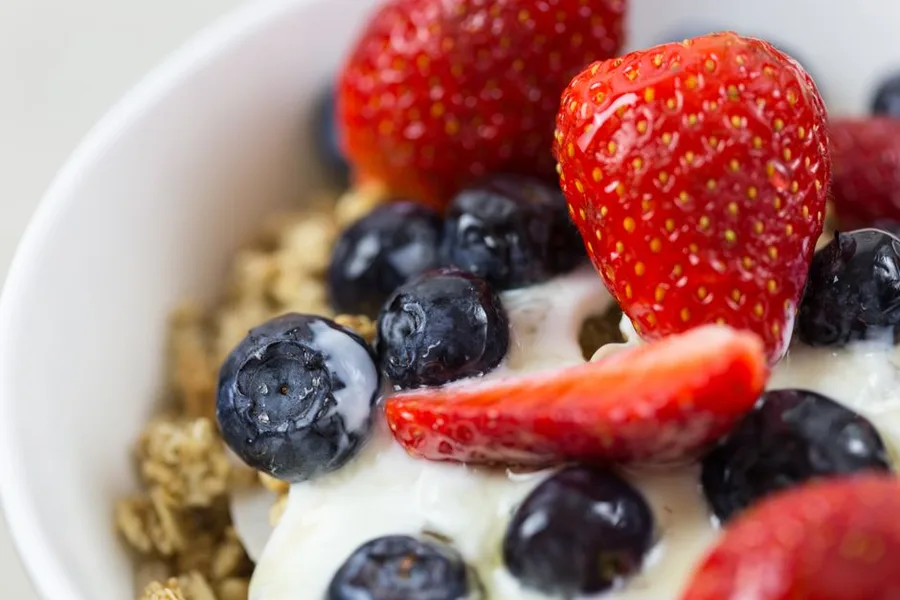
Sheep milk is the milk produced by domestic sheep (Ovis aries), prized for its exceptionally rich, creamy texture and significantly higher concentrations of fat, protein, and key micronutrients compared to cow or goat milk. This nutrient-dense dairy is most famously used to craft world-renowned cheeses like Roquefort, Pecorino Romano, and Feta, but is also gaining traction as a standalone beverage and base for premium yogurt. Its unique protein and fat profile often makes it a more digestible option for individuals with sensitivities to cow milk.
What Is Sheep Milk?
Sheep milk is the milk produced by domestic ewes, characterized by a fat content typically ranging from 6% to 8% and a protein content of 5.5% to 6%, making it significantly richer than cow milk (3.5% fat, 3.3% protein) or goat milk (3.6% fat, 3.1% protein), according to the USDA National Nutrient Database. This composition gives sheep milk a naturally sweet, creamy flavor and a velvety texture that is highly sought after in artisan cheese production. The milk’s high solids content means it yields approximately 18-25% more cheese per gallon than cow milk, a key economic factor for producers.
Sheep Milk Nutrition: A Detailed Breakdown
Sheep milk is a nutritional powerhouse, containing nearly double the calcium and significantly higher levels of several B vitamins compared to cow milk. According to a 2021 analysis published in the Journal of Dairy Science, sheep milk provides approximately 193 mg of calcium per 100 grams, compared to 119 mg in cow milk. It is also an excellent source of riboflavin (vitamin B2) and cobalamin (vitamin B12), with a single 8-ounce serving providing over 100% of the recommended daily intake for B12, as reported by the National Institutes of Health’s Office of Dietary Supplements. The fat profile is also distinct, with higher levels of short- and medium-chain fatty acids, which are more easily metabolized for energy.
| Nutrient (per 100g) | Sheep Milk | Cow Milk (Whole) | Goat Milk |
|---|---|---|---|
| Calories | 198 | 61 | 69 |
| Total Fat | 7.0 g | 3.3 g | 4.1 g |
| Saturated Fat | 4.6 g | 1.9 g | 2.7 g |
| Protein | 5.6 g | 3.2 g | 3.6 g |
| Calcium | 193 mg | 119 mg | 134 mg |
| Vitamin B12 | 0.71 µg | 0.45 µg | 0.07 µg |
| Lactose | 4.8 g | 4.8 g | 4.4 g |
| Source: USDA National Nutrient Database for Standard Reference, 2024 release. |
Sheep Milk vs. Cow Milk vs. Goat Milk: A Comparison
For consumers choosing between these three common dairy milks, the decision hinges on nutritional needs, digestibility, and culinary application. Sheep milk is the clear winner in terms of nutrient density, offering the highest levels of protein, fat, calcium, and B12. However, this also means it is the highest in calories and saturated fat. Goat milk is often chosen for its lower lactose content and smaller fat globules, which can make it easier to digest for some. Cow milk remains the most widely available and affordable option, with a neutral flavor profile. According to a 2023 consumer survey by the International Dairy Foods Association, 87% of US households purchase cow milk, while sheep milk remains a specialty product with a smaller but rapidly growing market share.
How Sheep Milk Is Used in Cheese and Yogurt
The high solids content of sheep milk makes it the preferred base for many of the world’s most celebrated cheeses. The milk’s rich fat and protein profile creates a firm, creamy curd that is ideal for aging. This is why sheep milk is the traditional milk for Protected Designation of Origin (PDO) cheeses like Roquefort from France, Pecorino Romano from Italy, and Manchego from Spain. For yogurt production, sheep milk’s high protein content results in a naturally thick, creamy texture without the need for added thickeners like pectin or gelatin. The resulting yogurt has a characteristically tangy and sweet flavor profile, distinct from both cow and goat milk yogurt.
Based on this article
Get $130 Off Your First 5 Meal Kit Boxes
See your options →No obligation — checking doesn't commit you to anything
Is Sheep Milk Easier to Digest?
Many individuals with mild lactose intolerance or a sensitivity to cow milk protein (A1 beta-casein) report better tolerance of sheep milk. Sheep milk contains primarily A2 beta-casein, a protein variant that is often less inflammatory than the A1 variant found in most conventional cow milk, as noted in a 2022 review in the journal Nutrients. Furthermore, sheep milk’s fat globules are smaller than those in cow milk, which can aid in enzymatic breakdown during digestion. However, sheep milk is not lactose-free; it contains approximately 4.8 grams of lactose per 100 grams, which is comparable to cow milk. For those with diagnosed lactose intolerance, sheep milk may still cause symptoms.
The Environmental and Ethical Considerations of Sheep Dairying
Sheep dairying generally has a lower environmental footprint per liter of milk compared to cow dairying, according to a 2023 life-cycle assessment by the Food and Agriculture Organization (FAO). Sheep require less land and water per unit of milk produced and produce less methane per animal. However, sheep milk yields are significantly lower—a dairy ewe produces roughly 1-2 liters per day, compared to a dairy cow’s 20-30 liters. This lower efficiency contributes to the higher retail price of sheep milk products. Ethically, sheep are often raised on pasture-based systems, which aligns with consumer demand for higher welfare standards, though practices vary by farm and region.
How to Buy and Store Sheep Milk
Sheep milk is a specialty product and is not typically found in standard grocery stores. It is most commonly available through farmers’ markets, specialty cheese shops, and online retailers. Fresh sheep milk should be stored at or below 40°F (4°C) and has a shelf life of approximately 7-10 days when properly refrigerated. Because of its high fat content, sheep milk can be frozen for up to 3 months without significant degradation in quality for cooking or baking. For the best drinking experience, it should be consumed fresh and well-chilled.
What Readers Are Saying
3 commentsBark sent me an alert on day 11. My daughter had been talking to someone she didn't know on Discord. I would never have found out on my own. Worth every penny of the $14.
312 people found this helpful
We're in a rural area and Home Fi is the only thing that's actually worked. Starlink had an 8-month waitlist. This was plug-and-play in under 10 minutes.
241 people found this helpful
JustAnswer saved me $400 in lawyer fees. Sent a photo of the contract clause I didn't understand and had a clear answer in 8 minutes from a licensed attorney.
188 people found this helpful
Based on this article
500,000 Families Use Bark to Monitor 30+ Apps for Cyberbullying, Predators, and Depression
AI-powered monitoring that alerts parents to genuine risks without invading a teen's privacy — starting at $5/month
Top pick: Bark · AI monitoring · Award-winning · 500K+ families
Frequently Asked Questions
What does sheep milk taste like?
Sheep milk has a rich, creamy, and slightly sweet taste, often described as more decadent than cow or goat milk. Its higher fat content gives it a smooth, velvety texture, making it popular for cheese and yogurt.
Is sheep milk healthier than cow milk?
Sheep milk contains more protein, fat, and calcium than cow milk, and it has higher levels of certain vitamins like B12 and folate. However, it is also higher in calories and saturated fat, so health benefits depend on individual dietary needs.
Can you drink sheep milk raw?
Yes, sheep milk can be consumed raw, but it is often pasteurized to kill harmful bacteria. Raw sheep milk is available from some farms, but safety precautions are recommended, especially for pregnant women, children, and those with weakened immune systems.
Is sheep milk lactose-free?
No, sheep milk contains lactose, though it has slightly less lactose than cow milk. Some people with lactose intolerance find sheep milk easier to digest due to its different protein composition and fat globule structure.
What is sheep milk used for?
Sheep milk is primarily used to make cheese (such as feta, pecorino, and roquefort), yogurt, and ice cream. It is also consumed as a beverage and used in soaps and lotions for its moisturizing properties.
Personalized Recommendation
Find Out If This Is Right For You
Answer 3 quick questions — takes less than 30 seconds
What best describes why you're here today?
Based on your answers
Get $130 Off Your First 5 Meal Kit Boxes appears to be a strong match
Takes under 60 seconds — no obligation to proceed.
Get $130 Off Your First 5 Meal Kit Boxes →Verto may earn a commission — it never changes our verdict. No obligation to purchase.
Today's Top Pick
Get $130 Off Your First 5 Meal Kit Boxes
Available now — see if it's right for your situation.
Get $130 Off Your First 5 Meal Kit BoxesVerto may earn a commission — it never changes our verdict. Checking availability doesn't commit you to anything.
Related Solution Guides
500,000 Families Use Bark to Monitor 30+ Apps for Cyberbullying, Predators, and Depression — Without Reading Every Message
AI-powered monitoring that alerts parents to genuine risks without invading a teen's privacy — starting at $5/month
Stuck With Slow Rural Internet Because the Big Providers Don't Bother — Here's What Actually Works Outside the City
Wireless home internet that doesn't require cable lines — works in rural areas, RVs, and places the big ISPs don't serve
Skip the $300 Consultation — Get Expert Answers Online in Minutes
Real doctors, lawyers, mechanics, and financial advisors answer your questions for a fraction of the cost — typically within minutes
More in Food & Drink

What 67 Water Really Means (It's Not What You Think)
The term '67 water' is ambiguous. It could refer to a specific water brand (e.g., '67 Water' as a product name), water with a pH of 6.7, or

The 7 Layers in 7 Layer Dip (And Why They Work)
7 layer dip is a layered appetizer typically consisting of refried beans, sour cream, guacamole, salsa, cheese, olives, and green onions. It

Agave Syrup: Sweeter Than Sugar, But Is It Healthier?
Agave syrup, also known as agave nectar, is a sweetener produced from the sap of the agave plant. It is sweeter than sugar and has a lower g