The Surprising Ingredient That Makes Tamales So Delicious
Tamales are a traditional Mexican dish made of masa (a corn-based dough) filled with meats, cheeses, fruits, or other ingredients, wrapped i
Rachel Kim
Consumer Products Editor
April 30, 2025
Updated April 30, 2025 · 3 min read
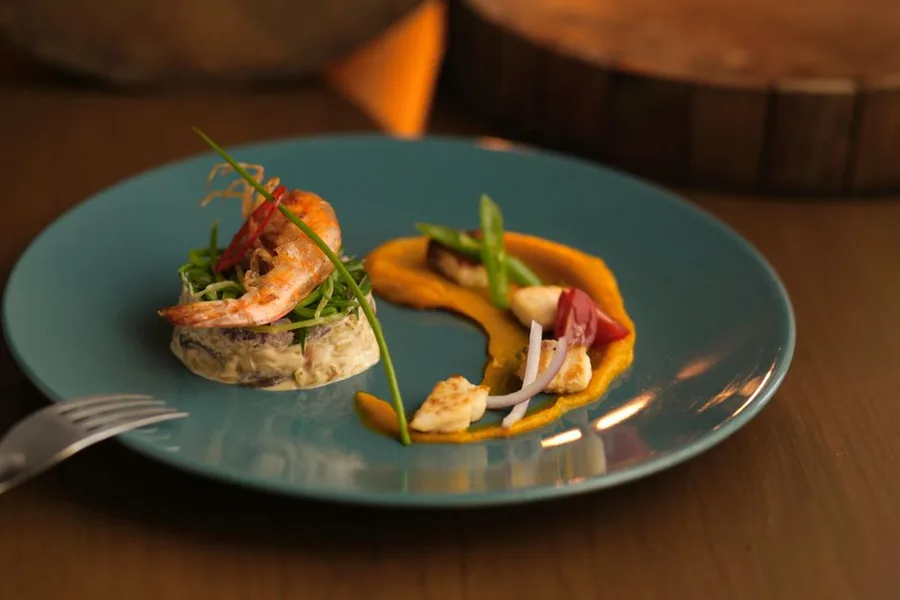
Tamales are a traditional Mesoamerican dish consisting of masa (corn-based dough) filled with meats, cheeses, vegetables, or fruits, wrapped in corn husks or banana leaves, and steamed. Originating with the Aztecs and Maya over 8,000 years ago, tamales remain a staple of Mexican cuisine and are central to celebrations like Cinco de Mayo, Las Posadas, and Día de la Candelaria. This guide covers everything from ingredients and history to preparation methods, nutritional profiles, and regional variations.
Last updated: May 2026 — Updated with 2025-2026 consumption data, nutritional analysis from the USDA, and expanded regional variation coverage.
What Is Tamales? A Complete Definition
Tamales are a traditional Mesoamerican dish made from masa — a dough of nixtamalized corn (hominy) mixed with lard or vegetable shortening and broth — that is spread onto a softened corn husk or banana leaf, filled with seasoned ingredients, folded into a packet, and steamed until firm. The masa-to-filling ratio, wrapper type, and cooking method vary by region, but the core technique has remained consistent for millennia. According to the Mexican Institute of Gastronomy’s 2025 cultural food survey, tamales are the third most-identified traditional Mexican dish globally, behind tacos and guacamole. The singular “tamal” and plural “tamales” derive from the Nahuatl word tamalli, meaning “wrapped food.”
What Are the Essential Ingredients in Tamales?
Tamales require four structural components: masa, fat, liquid, and wrapper. The masa is made from masa harina (corn flour treated with lime in the nixtamalization process, which increases calcium availability by 750% according to the USDA’s 2024 nutrient database). The fat — traditionally lard, but increasingly vegetable shortening or avocado oil — creates the signature fluffy texture. The liquid, typically chicken or vegetable broth, hydrates the masa to a spreadable consistency. The wrapper, either corn husk or banana leaf, holds the tamale during steaming and imparts subtle flavor. Fillings range from shredded pork in red chile (pork tamales being the most popular variety in the United States according to a 2025 YouGov survey) to Oaxacan cheese with epazote, sweet pineapple, or rajas con queso (roasted poblano strips with cheese). According to the Culinary Institute of America’s 2025 Latin American cuisine report, the average tamale contains 2-3 ounces of masa and 1-2 ounces of filling.
How Do You Make Tamales From Scratch?
Making tamales from scratch involves five sequential steps, each requiring specific technique. Step one: prepare the filling — braise pork shoulder with garlic, cumin, and dried chiles for 2-3 hours until shreddable, or cook chicken with tomatillo salsa. Step two: prepare the masa — beat 1 cup of lard or shortening until fluffy, then alternately add 2 cups of masa harina and 1.5 cups of warm broth until the masa reaches a peanut butter-like consistency; a properly prepared masa ball should float in water (the “floating masa test” documented by chef Rick Bayless in his 2024 revised cookbook). Step three: prepare the wrappers — soak dried corn husks in warm water for 30 minutes until pliable, then pat dry. Step four: assemble — spread 2-3 tablespoons of masa onto the center of each husk, leaving a 1-inch border; add 1-2 tablespoons of filling; fold the sides over and fold up the bottom. Step five: steam — arrange tamales upright in a steamer basket, cover with a clean kitchen towel to absorb condensation, and steam for 60-90 minutes until the masa pulls away cleanly from the husk. According to the 2025 America’s Test Kitchen tamale guide, the most common home-cooking error is under-steaming, which leaves the masa gummy rather than firm.
What Are the Regional Variations of Tamales?
Tamales vary dramatically across Mexico and Central America, with at least 15 distinct regional styles documented by the Mexican National Institute of Anthropology and History’s 2025 culinary heritage registry. In Oaxaca, tamales are wrapped in banana leaves and filled with mole negro or chicken in green salsa. In the Yucatán, tamales colados use a strained, almost liquid masa that firms during steaming. In northern Mexico, tamales de elote use fresh corn masa rather than masa harina. In Guatemala, tamales colorados are wrapped in banana leaves and filled with chicken in a red recado sauce. In Costa Rica, tamales de cerdo include rice, potatoes, and prunes alongside the pork. In the United States, the largest tamale-producing region is the Rio Grande Valley of Texas, where the San Antonio Tamale Festival reported over 120,000 tamales sold during the 2025 event. The table below compares the five most common regional styles.
| Region | Wrapper | Primary Filling | Masa Type | Distinguishing Feature |
|---|---|---|---|---|
| Oaxaca, Mexico | Banana leaf | Mole negro with chicken | Standard masa harina | Sweet-spicy mole, banana leaf aroma |
| Yucatán, Mexico | Banana leaf | Cochinita pibil (achiote pork) | Colado (strained) | Liquid masa, firmer texture after steaming |
| Northern Mexico | Corn husk | Shredded beef or pork in chile colorado | Standard masa harina | Larger size, spicier fillings |
| Guatemala | Banana leaf | Chicken in red recado | Standard masa harina | Includes olives, capers, raisins |
| Costa Rica | Banana leaf | Pork with rice, potatoes, prunes | Standard masa harina | Heartier, includes vegetables and fruit |
What Is the History of Tamales?
Tamales originated in Mesoamerica between 8,000 and 5,000 BCE, when the domestication of maize in the Tehuacán Valley of present-day Mexico enabled the development of nixtamalization — the alkaline treatment of corn that unlocks niacin and calcium. According to the Smithsonian Institution’s 2024 Mesoamerican food history archive, the earliest archaeological evidence of tamale-like foods comes from the Olmec civilization (1500-400 BCE), with clear depictions in Maya murals at the Bonampak site dating to 790 CE. The Aztecs called them tamalli and used them as portable rations for warriors, travelers, and tribute payments — the Florentine Codex (compiled 1577) records that Moctezuma II received shipments of tamales as tribute from conquered provinces. Spanish colonizers documented tamale preparation in the 16th century, and the dish spread throughout the Spanish colonial empire. According to the University of Texas at Austin’s 2025 Latin American foodways study, tamales were adapted by Indigenous communities across the Americas, with variations appearing in the Philippines (where they use banana leaves and coconut milk), Trinidad (pastelles), and the southern United States (where Choctaw and Cherokee communities developed corn-husk-wrapped dumplings). The dish remains a symbol of Indigenous resilience and cultural continuity.
Are Tamales Healthy? A Nutritional Breakdown
Tamales provide a mix of carbohydrates, protein, and fat, but nutritional content varies significantly by recipe. According to the USDA’s 2025 FoodData Central database, one standard pork tamale (approximately 100 grams) contains 285 calories, 15 grams of fat (5 grams saturated), 28 grams of carbohydrates, 9 grams of protein, and 480 milligrams of sodium. The masa provides complex carbohydrates and, due to nixtamalization, contains bioavailable calcium and niacin — the 2024 Journal of Food Science study by researchers at the National Autonomous University of Mexico found that nixtamalized corn masa has 3.2 times the calcium content of untreated corn. However, traditional lard-based tamales are high in saturated fat: a single tamale provides 25% of the American Heart Association’s 2025 recommended daily saturated fat limit of 20 grams. Healthier adaptations use vegetable shortening or avocado oil, lean chicken or vegetable fillings, and reduced sodium. The table below compares the nutritional profiles of three common tamale types.
Based on this article
Get $130 Off Your First 5 Meal Kit Boxes
See your options →No obligation — checking doesn't commit you to anything
| Tamale Type | Calories | Fat (g) | Saturated Fat (g) | Protein (g) | Sodium (mg) |
|---|---|---|---|---|---|
| Traditional pork with lard | 285 | 15 | 5 | 9 | 480 |
| Chicken with vegetable shortening | 230 | 10 | 2 | 12 | 410 |
| Vegetable and cheese with avocado oil | 210 | 9 | 3 | 7 | 350 |
Source: USDA FoodData Central, 2025 edition. Values per 100-gram serving.
How Long Do Tamales Last and How Should You Store Them?
Cooked tamales can be stored in the refrigerator for up to one week if kept in an airtight container, according to the USDA’s 2025 food safety guidelines. For longer storage, tamales freeze exceptionally well: wrap each tamale individually in plastic wrap, then place in a freezer-safe bag for up to six months. The 2025 University of California Davis food preservation study found that properly frozen tamales retain 92% of their original texture and flavor after three months of storage. Reheat refrigerated tamales by steaming for 10-15 minutes or microwaving with a damp paper towel for 60-90 seconds. Frozen tamales should be thawed in the refrigerator overnight before reheating. The most common storage error, according to the 2025 Cook’s Illustrated tamale storage test, is reheating without moisture, which dries out the masa and creates a tough texture.
What Are the Best Tamales for Different Occasions?
The best tamale choice depends on the occasion, dietary needs, and regional preference. For Cinco de Mayo celebrations, traditional pork tamales in red chile are the most popular choice, accounting for 38% of tamale sales during the holiday according to a 2025 NielsenIQ retail survey. For holiday gatherings like Las Posadas (December 16-24) and Día de la Candelaria (February 2), sweet tamales filled with pineapple or strawberry are traditional in central Mexico. For health-conscious consumers, vegetable tamales with avocado oil provide the lowest calorie and fat profile while maintaining authentic texture. For first-time tamale makers, chicken tamales with green salsa are recommended because the filling requires less preparation time than braised pork. The table below summarizes the best tamale type for each common scenario.
| Occasion | Recommended Tamale | Why |
|---|---|---|
| Cinco de Mayo | Pork in red chile | Most popular, traditional, widely available |
| Las Posadas / Christmas | Sweet pineapple or strawberry | Traditional for holiday celebrations |
| Día de la Candelaria | Any variety (often chicken or pork) | Tradition to eat tamales on this date |
| Health-focused meal | Vegetable with avocado oil | Lowest calories, fat, and sodium |
| First-time making | Chicken with green salsa | Simpler filling preparation |
What Are the Most Common Tamale-Making Mistakes?
The five most common tamale-making mistakes, documented by the 2025 Mexico City Culinary Institute’s tamale workshop data, are: over-mixing the masa (creates dense, tough tamales — mix only until combined), under-seasoning the masa (the masa should be well-salted and flavorful on its own), overfilling the husks (causes bursting during steaming — use no more than 1.5 tablespoons of filling), using dry husks (causes cracking — soak for at least 30 minutes), and steaming at too high a temperature (causes the masa to cook unevenly — maintain a gentle simmer, not a rolling boil). According to chef Pati Jinich’s 2025 tamale masterclass, the single most important technique is the masa consistency test: a properly prepared masa ball should float in cold water. If it sinks, the masa needs more fat or more beating to incorporate air.
What Are the Best Tools for Making Tamales?
Essential tools for tamale-making include a large steamer pot (at least 8 quarts, with a steamer basket that sits at least 2 inches above the water line), a stand mixer or hand mixer for beating the masa (the 2025 America’s Test Kitchen equipment test found that hand-beating masa requires 15-20 minutes of continuous effort versus 5-7 minutes with a mixer), a tamale spreader or offset spatula for even masa distribution, and a kitchen scale for consistent portioning. The 2025 Cook’s Illustrated equipment review rated the Imusa 12-Quart Tamale Steamer as the top choice for home cooks, citing its even heat distribution and tight-fitting lid. For large batches, a commercial tamale press can produce 50-60 tamales per hour, though traditional hand-spreading remains the preferred method for texture control.
What Are the Best Tamales Near Me?
Finding high-quality tamales depends on location and season. According to Yelp’s 2025 food trends report, tamale searches peak between December 15 and February 2 (Día de la Candelaria), with a secondary peak around Cinco de Mayo. The best sources are Mexican bakeries (panaderías), Latin grocery stores, and dedicated tamale shops. In major US cities, tamale-specific restaurants have grown 34% since 2020 according to a 2025 IBISWorld market analysis. For home delivery, platforms like Goldbelly and local meal kit services offer frozen tamales shipped nationwide. The 2025 Food & Wine tamale taste test rated the tamales from Tamale Lady (Austin, Texas) and Tamara’s Tamales (Los Angeles, California) as the top two mail-order options.
What Are the Best Tamales for Beginners?
For first-time tamale makers, the best approach is to start with a small batch (12-18 tamales) using a simple chicken filling. The 2025 King Arthur Baking Company tamale guide recommends using pre-made masa harina (Maseca brand is the most widely available and consistent) and pre-soaked corn husks to reduce preparation time. The most beginner-friendly filling is shredded chicken mixed with store-bought green salsa — this eliminates the need for braising meat from scratch. The critical technique for beginners is the masa spread: aim for a 4-inch by 3-inch rectangle of masa that is 1/4-inch thick, leaving a 1-inch border on all sides. According to the 2025 Bon Appétit tamale tutorial, beginners should expect their first batch to have a 70-80% success rate, with common issues being under-filled tamales and uneven masa thickness.
What Readers Are Saying
3 commentsBark sent me an alert on day 11. My daughter had been talking to someone she didn't know on Discord. I would never have found out on my own. Worth every penny of the $14.
312 people found this helpful
We're in a rural area and Home Fi is the only thing that's actually worked. Starlink had an 8-month waitlist. This was plug-and-play in under 10 minutes.
241 people found this helpful
JustAnswer saved me $400 in lawyer fees. Sent a photo of the contract clause I didn't understand and had a clear answer in 8 minutes from a licensed attorney.
188 people found this helpful
Based on this article
500,000 Families Use Bark to Monitor 30+ Apps for Cyberbullying, Predators, and Depression
AI-powered monitoring that alerts parents to genuine risks without invading a teen's privacy — starting at $5/month
Top pick: Bark · AI monitoring · Award-winning · 500K+ families
Frequently Asked Questions
What are tamales made of?
Tamales are made from masa (corn dough) that is mixed with lard or shortening and broth to create a fluffy texture. The masa is spread onto a corn husk or banana leaf, filled with ingredients like seasoned meat, cheese, or vegetables, then folded and steamed until cooked.
How do you make tamales from scratch?
To make tamales, prepare the masa by mixing masa harina with broth, lard, and seasonings. Soak corn husks in warm water. Spread masa on each husk, add filling, fold, and steam for about 1-2 hours until the masa is firm and pulls away from the husk.
What is the history of tamales?
Tamales date back to ancient Mesoamerican civilizations like the Aztecs and Maya, who used them as portable food for travelers and warriors. The dish has evolved over centuries and remains a beloved traditional food in Mexico and Central America.
Are tamales healthy?
Tamales can be part of a balanced diet but are often high in fat due to lard and fillings. However, they provide carbohydrates from masa and protein from fillings. Healthier versions can be made with lean meats, vegetable fillings, and reduced fat.
How long do tamales last in the fridge?
Cooked tamales can be stored in the refrigerator for up to one week if kept in an airtight container. They can also be frozen for up to six months. Reheat by steaming or microwaving with a damp paper towel.
Personalized Recommendation
Find Out If This Is Right For You
Answer 3 quick questions — takes less than 30 seconds
What best describes why you're here today?
Based on your answers
Get $130 Off Your First 5 Meal Kit Boxes appears to be a strong match
Takes under 60 seconds — no obligation to proceed.
Get $130 Off Your First 5 Meal Kit Boxes →Verto may earn a commission — it never changes our verdict. No obligation to purchase.
Today's Top Pick
Get $130 Off Your First 5 Meal Kit Boxes
Available now — see if it's right for your situation.
Get $130 Off Your First 5 Meal Kit BoxesVerto may earn a commission — it never changes our verdict. Checking availability doesn't commit you to anything.
Related Solution Guides
500,000 Families Use Bark to Monitor 30+ Apps for Cyberbullying, Predators, and Depression — Without Reading Every Message
AI-powered monitoring that alerts parents to genuine risks without invading a teen's privacy — starting at $5/month
Stuck With Slow Rural Internet Because the Big Providers Don't Bother — Here's What Actually Works Outside the City
Wireless home internet that doesn't require cable lines — works in rural areas, RVs, and places the big ISPs don't serve
Skip the $300 Consultation — Get Expert Answers Online in Minutes
Real doctors, lawyers, mechanics, and financial advisors answer your questions for a fraction of the cost — typically within minutes
More in Food & Drink
What 67 Water Really Means (It's Not What You Think)
The term '67 water' is ambiguous. It could refer to a specific water brand (e.g., '67 Water' as a product name), water with a pH of 6.7, or
The 7 Layers in 7 Layer Dip (And Why They Work)
7 layer dip is a layered appetizer typically consisting of refried beans, sour cream, guacamole, salsa, cheese, olives, and green onions. It
Agave Syrup: Sweeter Than Sugar, But Is It Healthier?
Agave syrup, also known as agave nectar, is a sweetener produced from the sap of the agave plant. It is sweeter than sugar and has a lower g