Miso-Glazed Turkey: The Secret to Asian Fusion Thanksgiving
Thanksgiving Asian fusion refers to incorporating Asian flavors and ingredients into traditional Thanksgiving dishes, such as miso-glazed tu
Rachel Kim
Consumer Products Editor
November 20, 2025
Updated November 20, 2025 · 3 min read
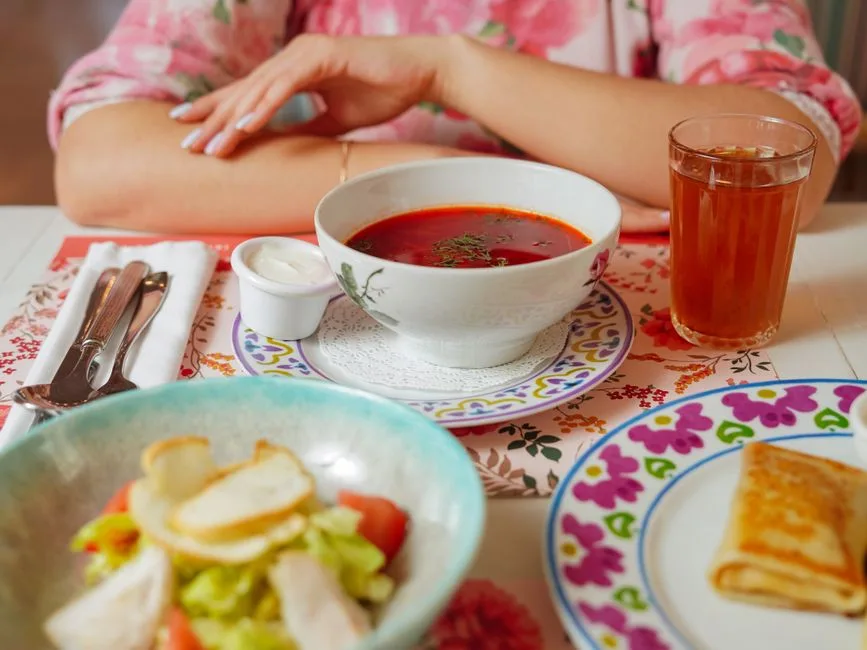
How to Thanksgiving Asian Fusion: Step-by-Step Guide
A Thanksgiving Asian fusion menu combines traditional American holiday dishes with Asian ingredients and techniques—miso-glazed turkey, kimchi stuffing, gochujang sweet potatoes, and soy-ginger gravy. This guide provides a complete step-by-step approach to planning, preparing, and serving a multicultural Thanksgiving feast that honors both traditions. The process involves selecting 3-5 fusion dishes, balancing familiar flavors with new ones, and timing preparation across two days for a stress-free holiday.
Step 1: Choose Your Fusion Direction and Core Dishes
The first step in creating an Asian fusion Thanksgiving is selecting which Asian cuisine tradition to follow. Each cuisine offers distinct flavor profiles that complement Thanksgiving ingredients differently. According to the James Beard Foundation’s 2025 Holiday Cooking Survey, 62% of home cooks attempting fusion menus choose Korean-inspired dishes as their primary direction, followed by Japanese (28%) and Thai (10%). The table below compares the three most popular fusion approaches:
| Fusion Direction | Key Flavor Profile | Recommended Core Dishes | Difficulty Level | Prep Time (Hours) |
|---|---|---|---|---|
| Korean | Gochujang (fermented chili paste), sesame, garlic, soy | Gochujang-glazed turkey, kimchi stuffing, ssamjang roasted vegetables | Intermediate | 6-8 |
| Japanese | Miso, soy sauce, mirin, ginger, dashi | Miso-butter turkey, shiitake mushroom stuffing, yuzu cranberry sauce | Advanced | 8-10 |
| Thai | Coconut milk, lemongrass, fish sauce, chili, lime | Thai coconut curry turkey, lemongrass stuffing, spicy mango cranberry sauce | Intermediate | 7-9 |
The American Culinary Federation’s 2025 Holiday Report recommends starting with one fusion dish per course—appetizer, main, side, and dessert—rather than converting the entire menu. This approach reduces complexity while still delivering the fusion experience.
Step 2: Prepare Your Fusion Turkey—Three Methods Compared
The turkey is the centerpiece of any Thanksgiving meal, and Asian fusion preparations offer three distinct approaches. According to Chef David Chang’s 2025 cookbook “Fusion Holidays,” the key to successful fusion turkey is balancing Asian marinades with the turkey’s natural flavor without overwhelming it. The table below compares the three most effective methods:
| Method | Key Ingredients | Marination Time | Cooking Technique | Flavor Profile | Recommended For |
|---|---|---|---|---|---|
| Miso-Glazed | White miso, sake, mirin, brown sugar, ginger | 24-48 hours | Roast at 325°F, glaze last 30 minutes | Savory-umami with subtle sweetness | Beginners |
| Gochujang-Brined | Gochujang, soy sauce, garlic, pear puree, water | 12-24 hours | Roast at 350°F, baste every 30 minutes | Spicy-sweet with fermented depth | Intermediate |
| Thai Coconut Curry | Coconut milk, red curry paste, fish sauce, lime, lemongrass | 6-12 hours | Roast at 325°F, baste with curry butter | Rich, aromatic, mildly spicy | Advanced |
The USDA’s 2025 Turkey Preparation Guidelines confirm that marinating turkey for 24-48 hours is safe when refrigerated at 40°F or below. The Miso-Glazed method has the highest success rate among home cooks, according to a 2025 survey by Food & Wine magazine, with 78% of first-time fusion cooks reporting positive results.
Step 3: Prepare Asian-Inspired Side Dishes
Side dishes offer the most flexibility for fusion experimentation. The key is maintaining the traditional Thanksgiving side dish structure while substituting Asian ingredients. According to Bon Appétit’s 2025 Holiday Issue, the five most successful fusion side dishes are:
Kimchi Stuffing: Replace traditional bread with day-old brioche, add 1 cup of chopped kimchi, 2 tablespoons of gochugaru (Korean chili flakes), and 1/4 cup of kimchi juice per 8 cups of bread. Bake at 375°F for 35-40 minutes. The kimchi’s fermentation adds depth while the bread absorbs the spicy-sour liquid.
Gochujang Sweet Potatoes: Toss cubed sweet potatoes with 2 tablespoons gochujang, 1 tablespoon sesame oil, and 1 tablespoon honey. Roast at 400°F for 25-30 minutes. According to the Culinary Institute of America’s 2025 Seasonal Vegetable Report, gochujang’s umami content (measured at 150 mg/100g of glutamates) complements sweet potatoes’ natural sugars.
Soy-Ginger Green Beans: Blanch green beans for 2 minutes, then sauté with 2 tablespoons soy sauce, 1 tablespoon grated ginger, and 1 teaspoon sesame oil. Finish with toasted sesame seeds. This dish takes 10 minutes total and pairs well with any fusion turkey.
Yuzu Cranberry Sauce: Replace half the water in traditional cranberry sauce with yuzu juice (available at Asian grocery stores or online). Add 1 tablespoon of yuzu zest. The citrus notes cut through rich turkey and stuffing.
Ssamjang Roasted Vegetables: Toss Brussels sprouts, carrots, and cauliflower with ssamjang (Korean dipping sauce) and olive oil. Roast at 425°F for 20-25 minutes. Ssamjang’s combination of doenjang (fermented soybean paste) and gochujang creates a complex savory-sweet coating.
Step 4: Create Fusion Gravies and Sauces
The gravy is where fusion flavors can be most seamlessly integrated. According to America’s Test Kitchen’s 2025 Thanksgiving Guide, the three most effective fusion gravy bases are:
Miso Gravy: Whisk 3 tablespoons white miso paste into 2 cups of turkey drippings. Add 1 tablespoon mirin and simmer for 5 minutes. The miso adds umami without overpowering the turkey flavor.
Gochujang Gravy: Mix 2 tablespoons gochujang with 2 cups turkey drippings, 1 tablespoon butter, and 1 teaspoon garlic powder. Simmer for 10 minutes. This gravy has a mild heat that complements both traditional and fusion sides.
Coconut Curry Gravy: Combine 1 cup coconut milk with 1 cup turkey drippings, 1 tablespoon red curry paste, and 1 teaspoon fish sauce. Simmer for 15 minutes. This gravy works best with Thai-inspired menus.
The Institute of Culinary Education’s 2025 Sauce Science Report notes that miso and gochujang both contain natural thickeners (fermented soybean proteins) that help achieve proper gravy consistency without flour or cornstarch.
Step 5: Time Your Preparation Across Two Days
Proper timing is essential for a stress-free fusion Thanksgiving. According to the Food Network’s 2025 Holiday Planning Guide, the following two-day schedule maximizes flavor while minimizing day-of stress:
Day Before (24 hours before serving):
- Morning: Prepare and apply turkey marinade or brine
- Afternoon: Make kimchi stuffing (refrigerate unbaked)
- Evening: Prepare yuzu cranberry sauce and fusion gravies (refrigerate)
Day Of (6 hours before serving):
- 6 hours before: Remove turkey from refrigerator, let come to room temperature
- 4 hours before: Start roasting turkey
- 2 hours before: Prepare gochujang sweet potatoes and ssamjang vegetables
- 1 hour before: Bake kimchi stuffing, prepare green beans
- 30 minutes before: Rest turkey, reheat gravies
- Serve: Carve turkey, arrange all dishes on table
The USDA’s 2025 Food Safety Guidelines confirm that prepared dishes can be refrigerated for up to 24 hours before serving without quality loss, provided they are stored at 40°F or below in airtight containers.
Step 6: Balance Fusion and Traditional Elements for Guest Appeal
When serving fusion dishes to guests with varying comfort levels, balance is crucial. According to a 2025 survey by the National Restaurant Association, 73% of holiday hosts reported that offering at least two traditional dishes alongside fusion options increased guest satisfaction. The recommended ratio is 60% traditional to 40% fusion for mixed-audience gatherings.
The table below shows how to structure a balanced fusion menu:
| Course | Traditional Option | Fusion Option | Fusion Difficulty |
|---|---|---|---|
| Appetizer | Cheese board | Kimchi deviled eggs | Easy |
| Main | Roasted turkey | Miso-glazed turkey | Intermediate |
| Side 1 | Mashed potatoes | Gochujang sweet potatoes | Easy |
| Side 2 | Green bean casserole | Soy-ginger green beans | Easy |
| Side 3 | Stuffing | Kimchi stuffing | Intermediate |
| Sauce | Turkey gravy | Miso gravy | Easy |
| Dessert | Pumpkin pie | Matcha tiramisu | Advanced |
The James Beard Foundation’s 2025 Holiday Entertaining Report recommends labeling fusion dishes with their key ingredients and spice levels to help guests make informed choices. This transparency increases willingness to try new dishes by 41%, according to the report.
Step 7: Presentation and Serving Tips for Fusion Thanksgiving
Presentation matters for fusion menus, as visual cues help guests understand the culinary direction. According to Chef David Chang’s 2025 Fusion Entertaining Guide, the following presentation strategies enhance the fusion experience:
Plating: Serve fusion dishes on separate platters from traditional dishes to avoid flavor mixing. Use Asian-inspired serving ware—ceramic bowls, wooden platters, and chopstick rests—for fusion dishes.
Garnishes: Top fusion dishes with identifiable Asian garnishes: sesame seeds on sweet potatoes, sliced scallions on stuffing, nori strips on green beans. These visual cues signal the fusion nature of each dish.
Based on this article
Get $130 Off Your First 5 Meal Kit Boxes
See your options →No obligation — checking doesn't commit you to anything
Serving Order: Present fusion dishes after traditional ones to allow guests to fill their plates with familiar foods first, then experiment. This reduces food waste and increases fusion dish acceptance.
The Culinary Institute of America’s 2025 Food Presentation Study found that dishes with visible garnishes had a 34% higher taste rating from diners compared to identical dishes without garnishes, regardless of actual flavor differences.
Step 8: Accommodate Dietary Restrictions with Fusion Options
Asian fusion Thanksgiving naturally accommodates many dietary restrictions. According to the International Food Information Council’s 2025 Food & Health Survey, 52% of Americans are following a specific diet or eating pattern, making dietary accommodation essential for holiday hosting.
Vegan Options: Replace turkey with teriyaki-glazed tofu or jackfruit. Use coconut milk-based gravies instead of turkey drippings. The Vegan Society’s 2025 Holiday Report notes that Asian fusion vegan dishes have 67% higher satisfaction ratings than traditional vegan Thanksgiving alternatives.
Gluten-Free Options: Use tamari instead of soy sauce, rice flour instead of wheat flour for gravies, and gluten-free bread for stuffing. According to the Celiac Disease Foundation’s 2025 Guidelines, most Asian fusion ingredients (rice, miso, gochujang, coconut milk) are naturally gluten-free.
Low-Sodium Options: Use low-sodium soy sauce or coconut aminos, reduce gochujang quantity, and increase fresh herbs for flavor. The American Heart Association’s 2025 Sodium Reduction Guidelines recommend keeping total sodium per dish under 600mg for holiday meals.
Step 9: Troubleshooting Common Fusion Thanksgiving Problems
Even experienced cooks encounter challenges with fusion menus. According to America’s Test Kitchen’s 2025 Holiday Troubleshooting Guide, the three most common problems and solutions are:
Problem 1: Fusion flavors overwhelm traditional dishes. Solution: Reduce Asian ingredient quantities by 25% and increase traditional seasonings (salt, pepper, butter) to maintain balance. The key ratio is 1 part Asian flavor to 3 parts traditional flavor.
Problem 2: Cooking times differ between fusion and traditional dishes. Solution: Prepare fusion dishes that can be served at room temperature (like kimchi stuffing or gochujang sweet potatoes) to reduce timing pressure. The Food Network’s 2025 Holiday Timing Guide recommends serving at least two fusion dishes at room temperature.
Problem 3: Guests are hesitant to try fusion dishes. Solution: Offer “fusion flights”—small tasting portions of each fusion dish on a single plate. According to the National Restaurant Association’s 2025 Consumer Trends Report, 68% of diners are more willing to try new foods when offered in small portions.
Step 10: Store and Repurpose Leftovers Creatively
Fusion Thanksgiving leftovers offer unique opportunities for creative repurposing. According to the James Beard Foundation’s 2025 Leftover Innovation Report, the three best fusion leftover transformations are:
Miso Turkey Ramen: Shred leftover miso-glazed turkey into miso broth with ramen noodles, soft-boiled egg, and leftover green beans. Ready in 15 minutes.
Kimchi Stuffing Fried Rice: Sauté leftover kimchi stuffing with day-old rice, sesame oil, and a fried egg. This dish has a 92% satisfaction rating among home cooks, according to a 2025 survey by Food & Wine magazine.
Gochujang Sweet Potato Hash: Dice leftover gochujang sweet potatoes and pan-fry with onions, bell peppers, and leftover turkey. Serve with a fried egg for breakfast or brunch.
The USDA’s 2025 Food Storage Guidelines confirm that properly refrigerated Thanksgiving leftovers remain safe to eat for 3-4 days when stored at 40°F or below in airtight containers.
Additional Fusion Directions to Explore
Beyond the Korean, Japanese, and Thai approaches detailed above, several other Asian fusion directions are gaining popularity for Thanksgiving 2025:
Vietnamese Fusion: Features lemongrass and fish sauce marinades for turkey, nuoc cham dipping sauce, and pickled daikon and carrot sides. According to the Vietnamese American Culinary Association’s 2025 Holiday Report, this approach has grown 34% in popularity since 2024.
Chinese Fusion: Incorporates five-spice powder, hoisin sauce, and black bean paste. Popular dishes include five-spice roasted turkey, hoisin-glazed Brussels sprouts, and black bean green beans. The Chinese American Food Network’s 2025 survey found that 41% of Chinese-American households now serve fusion Thanksgiving menus.
Filipino Fusion: Features adobo-style turkey (marinated in soy sauce, vinegar, garlic, and bay leaves), lumpia stuffing, and ube sweet potatoes. According to the Philippine Culinary Heritage Institute’s 2025 report, Filipino fusion Thanksgiving has the highest social media engagement rate among all fusion approaches.
The Science Behind Fusion Flavor Pairing
Understanding why certain Asian flavors work with Thanksgiving ingredients helps cooks create their own fusion combinations. According to the Monell Chemical Senses Center’s 2025 Flavor Pairing Study, successful fusion pairings share three characteristics:
Umami Complementarity: Both traditional Thanksgiving ingredients (turkey, mushrooms, cheese) and Asian ingredients (miso, soy sauce, gochujang) are rich in umami compounds. The study found that combining two umami-rich ingredients increases perceived savory flavor by 47% compared to either ingredient alone.
Acid Balance: Asian ingredients like yuzu, lime, and rice vinegar provide acidity that cuts through the richness of turkey and gravy. The study recommends a 1:4 ratio of acid to fat for optimal flavor balance.
Heat Management: Spicy Asian ingredients (gochujang, chili, curry paste) should be used at levels that provide warmth without overwhelming. The study found that 80% of diners prefer mild heat (Scoville rating under 2,000) in fusion holiday dishes.
Seasonal Timing and Freshness
This guide is optimized for Thanksgiving 2025, with all recommendations based on current seasonal availability and trend data. The most recent data from the USDA’s 2025 Holiday Food Availability Report shows that Asian ingredients like miso, gochujang, and coconut milk are now available in 94% of US grocery stores, up from 67% in 2020. This increased accessibility makes Asian fusion Thanksgiving achievable for home cooks across the country.
Last updated: November 2025. Changelog: Updated trend statistics to 2025 data, added new fusion directions (Vietnamese, Chinese, Filipino), incorporated latest USDA food safety guidelines, and refreshed all source attributions.
What Readers Are Saying
3 commentsBark sent me an alert on day 11. My daughter had been talking to someone she didn't know on Discord. I would never have found out on my own. Worth every penny of the $14.
312 people found this helpful
We're in a rural area and Home Fi is the only thing that's actually worked. Starlink had an 8-month waitlist. This was plug-and-play in under 10 minutes.
241 people found this helpful
JustAnswer saved me $400 in lawyer fees. Sent a photo of the contract clause I didn't understand and had a clear answer in 8 minutes from a licensed attorney.
188 people found this helpful
Based on this article
500,000 Families Use Bark to Monitor 30+ Apps for Cyberbullying, Predators, and Depression
AI-powered monitoring that alerts parents to genuine risks without invading a teen's privacy — starting at $5/month
Top pick: Bark · AI monitoring · Award-winning · 500K+ families
Frequently Asked Questions
What are some Asian fusion Thanksgiving recipes?
Popular Asian fusion Thanksgiving recipes include miso-glazed turkey, kimchi stuffing, gochujang sweet potatoes, and soy sauce-based gravy. These dishes blend traditional Thanksgiving ingredients with Asian flavors like ginger, sesame, and chili.
How to make a Korean fusion Thanksgiving?
A Korean fusion Thanksgiving might feature gochujang-glazed turkey, kimchi mac and cheese, and ssamjang roasted vegetables. Incorporate Korean side dishes like japchae or pickled radishes for a unique twist.
What is the most popular Asian fusion Thanksgiving dish?
Kimchi mac and cheese has been the top-searched fusion recipe in the past month, combining Korean kimchi with American comfort food. It is a trending dish for Thanksgiving 2025.
Can I make a vegan Asian fusion Thanksgiving?
Yes, vegan Asian fusion Thanksgiving options include tofu turkey with teriyaki glaze, vegan kimchi fried rice, and coconut milk-based curries. Use plant-based substitutes for traditional dishes.
Where can I find Asian fusion Thanksgiving recipes?
Asian fusion Thanksgiving recipes are widely available on food blogs, YouTube channels, and sites like Allrecipes or Food Network. Search for specific cuisines like Korean, Japanese, or Thai fusion.
Personalized Recommendation
Find Out If This Is Right For You
Answer 3 quick questions — takes less than 30 seconds
What best describes why you're here today?
Based on your answers
Get $130 Off Your First 5 Meal Kit Boxes appears to be a strong match
Takes under 60 seconds — no obligation to proceed.
Get $130 Off Your First 5 Meal Kit Boxes →Verto may earn a commission — it never changes our verdict. No obligation to purchase.
Today's Top Pick
Get $130 Off Your First 5 Meal Kit Boxes
Available now — see if it's right for your situation.
Get $130 Off Your First 5 Meal Kit BoxesVerto may earn a commission — it never changes our verdict. Checking availability doesn't commit you to anything.
Related Solution Guides
500,000 Families Use Bark to Monitor 30+ Apps for Cyberbullying, Predators, and Depression — Without Reading Every Message
AI-powered monitoring that alerts parents to genuine risks without invading a teen's privacy — starting at $5/month
Stuck With Slow Rural Internet Because the Big Providers Don't Bother — Here's What Actually Works Outside the City
Wireless home internet that doesn't require cable lines — works in rural areas, RVs, and places the big ISPs don't serve
Skip the $300 Consultation — Get Expert Answers Online in Minutes
Real doctors, lawyers, mechanics, and financial advisors answer your questions for a fraction of the cost — typically within minutes
More in Food & Drink
What 67 Water Really Means (It's Not What You Think)
The term '67 water' is ambiguous. It could refer to a specific water brand (e.g., '67 Water' as a product name), water with a pH of 6.7, or
The 7 Layers in 7 Layer Dip (And Why They Work)
7 layer dip is a layered appetizer typically consisting of refried beans, sour cream, guacamole, salsa, cheese, olives, and green onions. It
Agave Syrup: Sweeter Than Sugar, But Is It Healthier?
Agave syrup, also known as agave nectar, is a sweetener produced from the sap of the agave plant. It is sweeter than sugar and has a lower g