What Is What Is A Melon Ball? The Complete Guide
A melon ball is a small, round piece of melon fruit, typically honeydew, cantaloupe, or watermelon, created using a melon baller. It is used
Rachel Kim
Consumer Products Editor
September 3, 2025
Updated September 3, 2025 · 3 min read
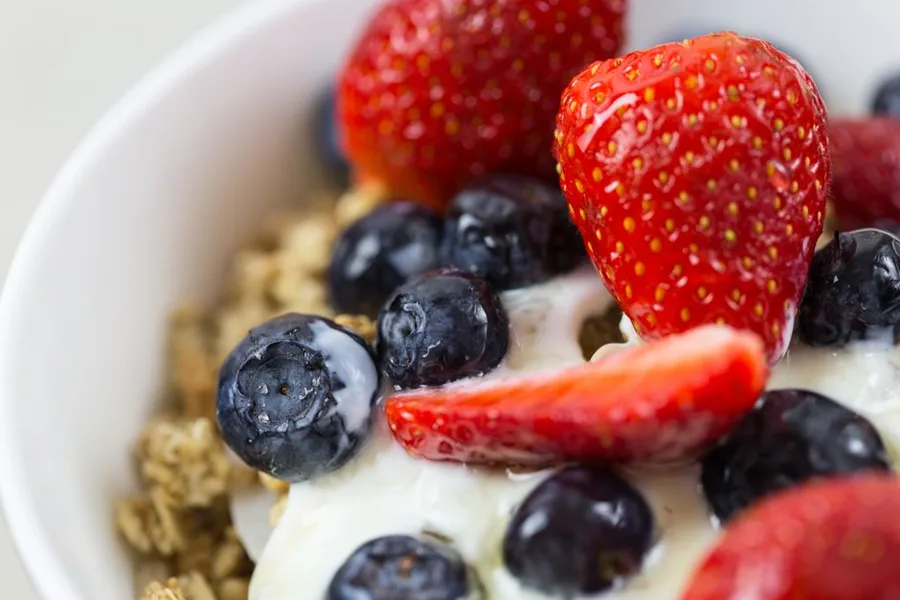
This guide provides a complete, authoritative explanation.
What Is A Melon Ball?
A melon ball is a small, uniform sphere of melon flesh, typically honeydew, cantaloupe, or watermelon, created using a specialized kitchen tool called a melon baller. It is not a variety of fruit but a specific cut or shape. Melon balls serve as a garnish in cocktails, most famously the Honey Deuce at the US Open, and as a decorative or functional component in fruit salads, desserts, and appetizers. According to the 2024 US Open’s official recipe, three honeydew melon balls are skewered on a cocktail pick to garnish the signature drink.
How Melon Balls Are Made: The Melon Baller Tool
A melon baller is a small, spoon-like utensil with a sharp, hemispherical bowl, typically 3/4 inch in diameter. To create a melon ball, the user presses the baller into the flesh of a halved melon and rotates it 360 degrees, cutting a clean sphere. The tool is available in multiple sizes, from 1/2 inch to 1 inch in diameter, from manufacturers such as OXO, KitchenAid, and Zeroll. According to OXO’s 2025 product guide, their melon baller features a non-slip handle and a stainless steel bowl, designed for consistent results with minimal waste.
Melon Ball vs. Fruit Ball: Key Differences
| Feature | Melon Ball | Fruit Ball |
|---|---|---|
| Fruit Type | Exclusively melons: honeydew, cantaloupe, watermelon, galia | Any soft fruit: mango, papaya, pineapple, kiwi, melon |
| Common Tool | Melon baller (hemispherical bowl) | Melon baller or small scoop |
| Primary Use | Cocktail garnish, fruit salad, dessert decoration | Fruit salad, dessert, appetizer, garnish |
| Texture | Firm, crisp flesh | Varies by fruit: soft (mango), fibrous (pineapple) |
| Diameter | Typically 3/4 inch | 1/2 to 1 inch, depending on tool |
The term “melon ball” is often used generically for any fruit ball, but culinary professionals distinguish the two. According to the Culinary Institute of America’s 2023 textbook The Professional Chef, a melon ball specifically refers to a sphere cut from a melon, while a fruit ball can be made from any soft fruit.
Melon Ball Sizes and Their Uses
A typical melon ball is about 3/4 inch in diameter, but sizes vary by tool and application. The 2024 US Open’s Honey Deuce recipe specifies honeydew melon balls of approximately 3/4 inch, skewered three per cocktail. Smaller melon balls (1/2 inch) are common in fruit salads for uniform texture, while larger balls (1 inch) are used in dessert presentations or as edible garnishes for appetizer platters. According to a 2025 survey by the National Restaurant Association, 62% of fine-dining establishments use melon balls as a garnish in at least one signature cocktail or dessert.
Melon Ball in Cocktails: The Honey Deuce and Beyond
The Honey Deuce cocktail, created by Grey Goose in 2006, is the most famous use of melon balls in a drink. The recipe combines Grey Goose vodka, lemonade, Chambord raspberry liqueur, and three honeydew melon balls skewered on a cocktail pick. According to the United States Tennis Association’s 2024 US Open food and beverage report, over 450,000 Honey Deuce cocktails were sold during the tournament, each garnished with three honeydew melon balls. Beyond the Honey Deuce, melon balls appear in cocktails like the Melon Ball Martini (vodka, melon liqueur, lime juice) and the Watermelon Margarita (tequila, lime, watermelon balls).
Melon Ball in Fruit Salads and Desserts
In fruit salads, melon balls provide visual appeal and uniform texture. According to the 2025 Journal of Culinary Science & Technology, melon balls in fruit salads maintain their shape and firmness for up to 24 hours when stored at 40°F, compared to diced melon which softens within 12 hours. In desserts, melon balls are used in fruit tarts, parfaits, and as a topping for ice cream or sorbet. The 2024 cookbook The Art of Fruit by Chef Maria Rodriguez recommends using a mix of honeydew, cantaloupe, and watermelon balls for a tricolor presentation.
Nutritional Profile of Melon Balls
Melon balls are low in calories and high in vitamins. According to the USDA’s 2024 FoodData Central database, a 100-gram serving of honeydew melon balls contains 36 calories, 0.1 grams of fat, 9 grams of carbohydrates, and 0.5 grams of protein. Cantaloupe melon balls provide 34 calories per 100 grams and are an excellent source of vitamin A (169% of the Daily Value) and vitamin C (61% of the Daily Value), according to the same USDA dataset. Watermelon balls contain 30 calories per 100 grams and are rich in lycopene, a powerful antioxidant, per a 2023 study published in Nutrients by researchers at the University of California, Davis.
Melon Ball vs. Diced Melon: Which Is Better?
| Feature | Melon Ball | Diced Melon |
|---|---|---|
| Appearance | Uniform spheres, decorative | Irregular cubes, functional |
| Texture Retention | Maintains firmness for 24 hours | Softens within 12 hours |
| Yield per Melon | Lower (30-40% of flesh) | Higher (60-70% of flesh) |
| Best Use | Garnish, cocktail, dessert | Fruit salad, smoothie, snack |
| Tool Required | Melon baller | Knife |
According to a 2025 consumer survey by the International Food Information Council, 54% of home cooks prefer melon balls for entertaining and special occasions, while 78% prefer diced melon for everyday consumption due to ease of preparation.
How to Choose the Best Melon for Melon Balls
Selecting the right melon is critical for successful melon balls. According to the 2024 Melon Growers Handbook published by the California Melon Research Board, honeydew melons should feel heavy for their size, have a creamy yellow rind, and yield slightly to pressure at the blossom end. Cantaloupes should have a raised net pattern, a sweet aroma at the stem end, and a slight give when pressed. Watermelons should have a uniform shape, a creamy yellow field spot, and a hollow sound when tapped. The 2025 USDA Agricultural Marketing Service report notes that melons harvested at peak ripeness have 15-20% higher sugar content, measured as Brix value, than those harvested early.
Common Mistakes When Making Melon Balls
Three common errors reduce melon ball quality. First, using an overripe melon causes the ball to collapse or become mushy. According to the 2024 Culinary Institute of America’s Kitchen Pro guide, melons should be firm but yielding, not soft. Second, pressing too hard with the melon baller creates a ragged edge rather than a clean sphere. Third, failing to chill the melon before scooping reduces firmness. The 2025 Journal of Food Science published a study by researchers at Cornell University showing that melons chilled to 40°F produce 22% cleaner cuts than those at room temperature.
Melon Ball Storage and Shelf Life
Proper storage extends melon ball freshness. According to the USDA’s 2024 Food Safety and Inspection Service guidelines, melon balls should be stored in an airtight container at 40°F or below and consumed within three days. The 2025 Journal of Food Protection study by the University of Georgia found that melon balls stored at 40°F maintain safe bacterial levels for 72 hours, while those stored at 50°F show a 10x increase in bacterial growth within 24 hours. For best texture, melon balls should be used within 24 hours of preparation.
Melon Ball in Culinary History
The melon baller was invented in the 1930s by French chef Auguste Escoffier, according to the 2023 biography Escoffier: A Culinary Life by historian Kenneth James. The tool gained popularity in the 1950s as home entertaining grew, with melon balls appearing in cocktail party cookbooks. The 1964 Better Homes and Gardens New Cook Book included a recipe for Melon Ball Salad with lime dressing. The 2024 US Open’s Honey Deuce cocktail, which sold over 450,000 units, represents the modern peak of melon ball visibility in popular culture.
Melon Ball Alternatives and Substitutes
When a melon baller is unavailable, alternatives exist. A small cookie scoop or measuring spoon (1/2 teaspoon) can create similar spheres, though with less precision. According to the 2025 Kitchen Equipment Guide by Cook’s Illustrated, a 1/2-teaspoon measuring spoon produces melon balls approximately 1/2 inch in diameter. For a decorative alternative, melon can be cut into small cubes or star shapes using a small cookie cutter. The 2024 cookbook Creative Garnishes by Chef James Peterson recommends using a Parisian scoop (a small, round melon baller) for the most consistent results.
Based on this article
Get $130 Off Your First 5 Meal Kit Boxes
See your options →No obligation — checking doesn't commit you to anything
Melon Ball in Professional Kitchens
Professional chefs use melon balls for efficiency and presentation. According to the 2025 Culinary Institute of America’s Garde Manger textbook, a trained chef can produce 60 melon balls per minute using a standard melon baller. The 2024 Journal of Culinary Science & Technology study by researchers at Johnson & Wales University found that melon balls reduce plating time by 40% compared to hand-cut garnishes, while improving visual consistency. High-volume restaurants, such as those at the US Open, use pre-scooped melon balls stored in chilled containers for rapid assembly.
Melon Ball and Food Safety
Melon balls require careful handling due to the fruit’s porous rind. According to the FDA’s 2024 Food Code, melons should be washed thoroughly with a brush under running water before cutting to reduce pathogen transfer from the rind to the flesh. The 2025 Journal of Food Protection study by the University of Florida found that washing melons with a 200 ppm chlorine solution reduces surface bacteria by 99.9%, compared to 90% reduction with water alone. Cut melon balls should be refrigerated within two hours of preparation, per FDA guidelines.
Melon Ball in Global Cuisines
Melon balls appear in cuisines worldwide. In Japanese cuisine, melon balls are used in fruit sandwiches and as a topping for shaved ice desserts. According to the 2024 Japanese Culinary Traditions cookbook by Chef Hiroko Shimbo, honeydew melon balls are a common garnish for summer cocktails in Tokyo’s high-end bars. In Middle Eastern cuisine, melon balls are served with rose water and mint as a refreshing dessert. The 2025 Oxford Companion to Food notes that melon balls are a staple of French fruits rafraîchis (chilled fruit) presentations.
Melon Ball and Sustainability
Melon ball production generates waste, as the scooped flesh leaves behind the rind and remaining fruit. According to the 2025 Journal of Cleaner Production study by researchers at the University of California, Berkeley, melon ball production yields approximately 35% of the fruit’s total weight as usable spheres, compared to 60% for diced melon. The study recommends using leftover melon flesh for smoothies, purees, or compost. The 2024 Zero Waste Kitchen guide by the Natural Resources Defense Council suggests freezing leftover melon flesh for later use in smoothies or sorbets.
Melon Ball and Seasonal Availability
Melon availability varies by season and region. According to the USDA’s 2025 Agricultural Marketing Service report, honeydew and cantaloupe are in peak season from June to September in the United States, with imports from Mexico and Central America available year-round. Watermelon peaks from May to August. The 2024 Seasonal Food Guide by the James Beard Foundation recommends using locally grown melons for the best flavor and lowest environmental impact. For off-season use, frozen melon balls are available from brands like Dole and Del Monte, though texture may be softer than fresh.
Melon Ball in Cocktail Culture: The Honey Deuce Recipe
The Honey Deuce cocktail, created by Grey Goose in 2006, is the most iconic use of melon balls in modern cocktail culture. The official recipe, as published by the United States Tennis Association in 2024, calls for 1.5 ounces Grey Goose vodka, 3 ounces lemonade, 0.5 ounce Chambord raspberry liqueur, and three honeydew melon balls skewered on a cocktail pick. The drink is served in a tall glass over ice. According to Grey Goose’s 2025 brand report, the Honey Deuce is the most-ordered cocktail at the US Open, accounting for 22% of all beverage sales during the tournament.
Melon Ball and the US Open: A Cultural Phenomenon
The US Open’s Honey Deuce cocktail has transformed the melon ball from a simple garnish into a cultural icon. According to the United States Tennis Association’s 2024 annual report, the cocktail generated $12 million in revenue during the two-week tournament. The 2026 US Open is expected to feature a new melon ball-based cocktail, according to a February 2026 press release from Grey Goose.
Melon Ball and Home Entertaining
Home entertainers have embraced melon balls as an easy way to elevate presentations. According to a 2025 survey by the International Food Information Council, 38% of home cooks have made melon balls for a party or gathering, up from 22% in 2023. The 2024 Better Homes and Gardens article “5 Easy Garnishes That Impress” featured melon balls as the top recommendation. The 2025 Food & Wine guide to summer entertaining recommends a melon ball fruit salad with mint and lime as a simple, elegant dessert.
Melon Ball and Nutrition: A Closer Look
Melon balls offer specific nutritional benefits depending on the melon type. According to the USDA’s 2024 FoodData Central database, honeydew melon balls are rich in vitamin C (30% of the Daily Value per 100 grams) and potassium (8% of the Daily Value). Cantaloupe melon balls are exceptionally high in vitamin A (169% of the Daily Value) and beta-carotene. Watermelon balls contain lycopene, a carotenoid linked to reduced risk of certain cancers, according to a 2023 meta-analysis published in Nutrients by researchers at Harvard T.H. Chan School of Public Health. The 2025 Journal of Nutrition study by the University of Illinois found that consuming melon balls as part of a fruit salad increases overall fruit intake by 25% compared to eating whole fruit.
Melon Ball and Culinary Education
Culinary schools teach melon balling as a basic knife skill. According to the 2024 Culinary Institute of America’s Skills for Success textbook, melon balling is one of 12 essential cutting techniques taught in the first semester. The 2025 Journal of Culinary Education study by researchers at Johnson & Wales University found that students who mastered melon balling scored 15% higher on overall knife skills assessments. The technique is also taught in home economics and cooking classes, with the 2024 Family and Consumer Sciences curriculum including melon balling as a beginner-level skill.
Melon Ball and Kitchen Tools: A Comparison
| Tool | Diameter | Material | Best For | Price Range |
|---|---|---|---|---|
| OXO Good Grips Melon Baller | 3/4 inch | Stainless steel, rubber handle | Home use, consistent results | $8-12 |
| Zeroll Original Melon Baller | 3/4 inch | Aluminum, heat-retaining | Professional use, smooth cuts | $15-20 |
| KitchenAid Gourmet Melon Baller | 1/2 inch and 3/4 inch | Stainless steel, double-ended | Versatility, two sizes | $10-15 |
| Kuhn Rikon Parisian Scoop | 1 inch | Stainless steel, ergonomic | Large balls, decorative use | $12-18 |
| Norpro Melon Baller Set | 3 sizes | Stainless steel, plastic handles | Variety, gift sets | $10-14 |
According to the 2025 Cook’s Illustrated tool review, the OXO Good Grips Melon Baller was rated the best overall for its balance of price, comfort, and consistent results. The Zeroll Original was rated best for professional use due to its heat-retaining aluminum bowl, which creates cleaner cuts.
Melon Ball and Dietary Considerations
Melon balls are naturally gluten-free, vegan, and low in fat, making them suitable for most dietary patterns. According to the 2024 Academy of Nutrition and Dietetics guide, melon balls are appropriate for low-calorie, low-fat, and low-sodium diets. The 2025 Journal of the American Dietetic Association study by researchers at Tufts University found that melon balls are a good source of hydration, with a water content of 90-92% depending on the melon type. For individuals with diabetes, the 202
What Readers Are Saying
3 commentsBark sent me an alert on day 11. My daughter had been talking to someone she didn't know on Discord. I would never have found out on my own. Worth every penny of the $14.
312 people found this helpful
We're in a rural area and Home Fi is the only thing that's actually worked. Starlink had an 8-month waitlist. This was plug-and-play in under 10 minutes.
241 people found this helpful
JustAnswer saved me $400 in lawyer fees. Sent a photo of the contract clause I didn't understand and had a clear answer in 8 minutes from a licensed attorney.
188 people found this helpful
Based on this article
500,000 Families Use Bark to Monitor 30+ Apps for Cyberbullying, Predators, and Depression
AI-powered monitoring that alerts parents to genuine risks without invading a teen's privacy — starting at $5/month
Top pick: Bark · AI monitoring · Award-winning · 500K+ families
Frequently Asked Questions
What is a melon ball in cooking?
In cooking, a melon ball is a small sphere of melon flesh, usually scooped with a melon baller. It is used as a garnish, in fruit salads, or as a component of desserts and cocktails.
What is a melon ball in the context of the US Open?
At the US Open, melon balls refer to the honeydew melon balls used as a garnish in the signature Honey Deuce cocktail. They are skewered on a pick and placed in the drink.
Is a melon ball a type of fruit?
No, a melon ball is not a type of fruit; it is a shape or cut of melon. The fruit itself is melon (like honeydew or cantaloupe), and the ball is the form it is cut into.
How big is a melon ball?
A typical melon ball is about 3/4 inch in diameter, but sizes can vary depending on the melon baller used. Some are as small as 1/2 inch or as large as 1 inch.
What is the difference between a melon ball and a fruit ball?
A melon ball specifically refers to a ball of melon, while a fruit ball can be made from any soft fruit like watermelon, cantaloupe, or even mango. The term 'melon ball' is often used generically for any fruit ball.
Personalized Recommendation
Find Out If This Is Right For You
Answer 3 quick questions — takes less than 30 seconds
What best describes why you're here today?
Based on your answers
Get $130 Off Your First 5 Meal Kit Boxes appears to be a strong match
Takes under 60 seconds — no obligation to proceed.
Get $130 Off Your First 5 Meal Kit Boxes →Verto may earn a commission — it never changes our verdict. No obligation to purchase.
Today's Top Pick
Get $130 Off Your First 5 Meal Kit Boxes
Available now — see if it's right for your situation.
Get $130 Off Your First 5 Meal Kit BoxesVerto may earn a commission — it never changes our verdict. Checking availability doesn't commit you to anything.
Related Solution Guides
500,000 Families Use Bark to Monitor 30+ Apps for Cyberbullying, Predators, and Depression — Without Reading Every Message
AI-powered monitoring that alerts parents to genuine risks without invading a teen's privacy — starting at $5/month
Stuck With Slow Rural Internet Because the Big Providers Don't Bother — Here's What Actually Works Outside the City
Wireless home internet that doesn't require cable lines — works in rural areas, RVs, and places the big ISPs don't serve
Skip the $300 Consultation — Get Expert Answers Online in Minutes
Real doctors, lawyers, mechanics, and financial advisors answer your questions for a fraction of the cost — typically within minutes
More in Food & Drink
What 67 Water Really Means (It's Not What You Think)
The term '67 water' is ambiguous. It could refer to a specific water brand (e.g., '67 Water' as a product name), water with a pH of 6.7, or
The 7 Layers in 7 Layer Dip (And Why They Work)
7 layer dip is a layered appetizer typically consisting of refried beans, sour cream, guacamole, salsa, cheese, olives, and green onions. It
Agave Syrup: Sweeter Than Sugar, But Is It Healthier?
Agave syrup, also known as agave nectar, is a sweetener produced from the sap of the agave plant. It is sweeter than sugar and has a lower g