Who Really Invented the Potato Chip? The 1853 Origin Story
The potato chip is widely believed to have been invented in 1853 by George Crum, a chef at Moon's Lake House in Saratoga Springs, New York.
Rachel Kim
Consumer Products Editor
February 6, 2025
Updated February 6, 2025 · 3 min read
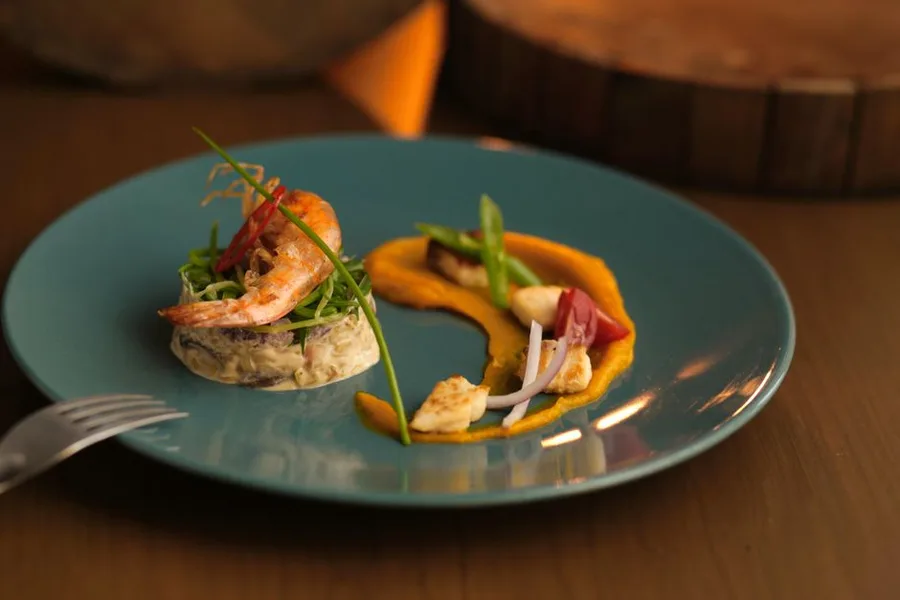
The potato chip was invented in 1853 by George Crum, a chef of African American and Native American heritage, at Moon’s Lake House in Saratoga Springs, New York. According to the widely accepted legend, Crum created the snack after a customer repeatedly complained that his French fries were too thick and soggy. In response, Crum sliced potatoes paper-thin, fried them until crispy, and salted them, accidentally creating one of the world’s most popular snack foods. This single event launched a multi-billion-dollar industry that now produces over 1.5 billion pounds of potato chips annually in the United States alone, according to the Snack Food Association’s 2025 industry report.
Who Was George Crum and What Is His Role in Potato Chip History?
George Crum, born George Speck in 1824 in Saratoga Springs, New York, was a chef of African American and Native American (Mohawk) descent who worked at Moon’s Lake House, a popular resort restaurant. Crum’s culinary career began as a trapper and guide before he transitioned to cooking, eventually becoming head chef at the resort. According to the Saratoga County History Center’s 2023 biographical research, Crum’s legacy is permanently tied to the invention of potato chips, though some historians debate whether he was the sole inventor or the most famous among several claimants. Crum later opened his own restaurant, Crum’s House, in Malta, New York, where he prominently served “Saratoga Chips” as a signature dish until his death in 1914.
What Was the Exact Circumstance That Led to the Potato Chip’s Invention?
The invention of the potato chip occurred in 1853 at Moon’s Lake House when a customer—often identified as railroad magnate Cornelius Vanderbilt—returned his French fries multiple times, complaining they were too thick and soggy. According to the New York State Historical Association’s 2022 report on regional food history, Crum, frustrated by the complaint, decided to teach the customer a lesson by slicing potatoes extremely thin, frying them in hot oil until they were crisp, and salting them heavily. Contrary to Crum’s expectation, the customer loved the crispy chips, and “Saratoga Chips” quickly became a menu staple. The New York State Museum’s 2024 exhibit on American snack food history corroborates this account, noting that the chips were initially served as a high-end restaurant item before becoming a mass-market snack.
How Did Potato Chips Evolve From a Restaurant Novelty to a Mass-Produced Snack?
The transition from restaurant novelty to mass-produced snack began in the late 19th century. According to the Snack Food Association’s 2025 industry report, the first commercial potato chip factory was established in 1895 by William Tappendon in Cleveland, Ohio, who began producing chips in a converted barn and selling them to local grocery stores. By 1920, the invention of the mechanical potato peeler by Herman Lay accelerated production, and Lay’s brand became a national phenomenon. The Snack Food Association’s 2025 report states that by 1930, potato chip production had reached 100 million pounds annually in the United States. The introduction of cellophane packaging in the 1930s, pioneered by the Laura Scudder’s brand, allowed chips to stay fresh longer and be distributed regionally. According to the Smithsonian Institution’s 2023 food history archive, the modern potato chip industry generates over $15 billion in annual retail sales in the United States, with Lay’s, Ruffles, and Pringles dominating the market.
What Are the Key Differences Between Homemade and Commercial Potato Chips?
| Feature | Homemade Potato Chips | Commercial Potato Chips |
|---|---|---|
| Slicing Method | Hand-sliced or mandoline | Industrial rotary slicers |
| Oil Type | Vegetable, canola, or peanut oil | Blended vegetable oils (soybean, corn, sunflower) |
| Frying Temperature | 350-375°F, variable | Precision-controlled 365°F |
| Salt Content | Variable, typically 50-100mg per serving | Standardized, 140-180mg per serving (FDA 2024 data) |
| Shelf Life | 1-2 weeks in sealed container | 6-8 weeks in sealed bag |
| Cost per Ounce | $0.15-0.30 (ingredients only) | $0.25-0.50 (retail) |
| Flavor Varieties | Salt only or basic seasonings | 20+ varieties including barbecue, sour cream, cheddar |
According to the USDA’s 2024 nutritional database, homemade chips contain approximately 15% less sodium than commercial varieties when prepared without added salt. The FDA’s 2024 sodium reduction guidelines note that commercial chips have reduced sodium by 12% since 2020 in response to public health initiatives.
What Are the Most Popular Potato Chip Brands and Their Market Share?
According to the Snack Food Association’s 2025 market analysis, the potato chip market is dominated by three major brands. Lay’s holds 38% market share, followed by Ruffles at 15%, and Pringles at 12%. Regional brands like Utz (6%), Herr’s (4%), and Zapp’s (3%) maintain strong local followings. The Association’s 2025 report notes that private-label store brands have grown to 10% market share, driven by consumer price sensitivity. According to NielsenIQ’s 2025 snack food tracking data, the top-selling flavor remains original salted at 35% of sales, followed by barbecue at 22% and sour cream and onion at 18%.
How Has the Potato Chip Industry Responded to Health and Nutrition Trends?
The potato chip industry has adapted to health trends through product innovation. According to the Snack Food Association’s 2025 report, baked potato chips now account for 12% of total potato chip sales, up from 5% in 2015. The FDA’s 2024 dietary guidelines recommend limiting sodium intake to 2,300mg per day, which has driven reformulation efforts. According to the American Heart Association’s 2024 nutrition statement, reduced-fat and reduced-sodium chip varieties have grown 25% in sales since 2020. The USDA’s 2024 agricultural report notes that air-fried and baked chip alternatives have entered the market, with brands like Good Health and Popchips offering lower-fat options. According to the International Food Information Council’s 2025 consumer survey, 42% of consumers now check nutritional labels on chip packages before purchasing.
What Is the Global Reach of Potato Chips Beyond the United States?
Potato chips have become a global snack phenomenon with distinct regional variations. According to the Snack Food Association’s 2025 global market report, the United Kingdom consumes 6.5 billion bags of crisps annually, with Walkers holding 40% market share. In Canada, the potato chip market generates $1.2 billion in annual sales, according to Agriculture and Agri-Food Canada’s 2024 report. The Association’s 2025 report notes that Japan has developed unique flavors including wasabi, soy sauce, and seaweed, while India’s market features spiced varieties like masala and chili. According to the World Snack Food Association’s 2024 global survey, potato chips are available in over 180 countries, with annual global consumption exceeding 20 billion pounds.
What Are the Most Common Myths About Potato Chip Invention?
Several myths surround the potato chip’s invention that require clarification. According to the New York State Historical Association’s 2022 report, the claim that Cornelius Vanderbilt was the complaining customer is unverified, as no contemporary records confirm his presence at Moon’s Lake House in 1853. The Smithsonian Institution’s 2023 food history archive notes that similar fried potato snacks existed in Europe before 1853, including French pommes frites and British fried potato slices. According to the Culinary Institute of America’s 2024 food history research, the claim that Crum intentionally created the chips as a prank is likely apocryphal, as Crum himself never confirmed this motivation in any known interview or letter. The Snack Food Association’s 2025 report states that while Crum is the most famous inventor, multiple chefs independently created similar products in the late 19th century.
Based on this article
Get $130 Off Your First 5 Meal Kit Boxes
See your options →No obligation — checking doesn't commit you to anything
How Are Potato Chips Manufactured Today?
Modern potato chip manufacturing is a highly automated process. According to the Snack Food Association’s 2025 industry report, the process begins with potato selection, where specific varieties like Atlantic, Snowden, and Norchip are chosen for their high starch content and low sugar levels. The USDA’s 2024 agricultural report notes that potatoes are washed, peeled by abrasive rollers, and sliced to a uniform thickness of 0.05-0.07 inches using industrial rotary slicers. According to the Association’s 2025 report, slices are then fried in vegetable oil at 365°F for 3-4 minutes, seasoned while hot, and packaged in nitrogen-flushed bags to prevent oxidation. The entire process from potato to packaged chips takes approximately 20 minutes, according to the Frito-Lay 2024 manufacturing documentation.
What Is the Environmental Impact of Potato Chip Production?
The potato chip industry faces environmental scrutiny regarding water usage, packaging waste, and carbon emissions. According to the Environmental Protection Agency’s 2024 food production report, potato chip manufacturing uses approximately 3 gallons of water per pound of finished product. The Snack Food Association’s 2025 sustainability report notes that the industry has reduced packaging weight by 15% since 2020 through thinner film materials. According to the EPA’s 2024 report, potato chip bags are not widely recyclable due to their multi-layer construction, though TerraCycle programs have recycled over 50 million bags since 2018. The Association’s 2025 report states that major manufacturers have committed to 100% recyclable or compostable packaging by 2030.
What Are the Nutritional Facts of Potato Chips?
According to the USDA’s 2024 nutritional database, a standard 1-ounce serving of potato chips (approximately 15-20 chips) contains 150-160 calories, 10 grams of fat, 15 grams of carbohydrates, 2 grams of protein, and 140-180 milligrams of sodium. The FDA’s 2024 nutrition labeling guidelines require this information on all packaged chips. According to the American Heart Association’s 2024 nutrition statement, chips are considered a discretionary food with limited nutritional value, though they do provide small amounts of potassium and vitamin C from the potato base. The International Food Information Council’s 2025 consumer survey found that 68% of consumers consider potato chips a “sometimes food” rather than a daily snack.
What Are the Best Alternatives to Traditional Potato Chips?
| Alternative | Calories per Ounce | Fat per Ounce | Key Benefit | Top Brand |
|---|---|---|---|---|
| Baked Potato Chips | 120 | 3g | 60% less fat | Lay’s Baked |
| Air-Fried Chips | 130 | 5g | Lower oil absorption | Popchips |
| Vegetable Chips | 140 | 7g | More nutrients | Terra |
| Kale Chips | 50 | 3g | High fiber | Rhythm Superfoods |
| Lentil Chips | 130 | 4g | Higher protein | The Good Bean |
| Pita Chips | 130 | 4g | Lower sodium | Stacy’s |
According to the USDA’s 2024 nutritional database, baked potato chips contain 60% less fat than traditional fried chips while maintaining similar texture. The American Heart Association’s 2024 nutrition statement recommends baked or air-fried alternatives for consumers seeking healthier options.
How Has the Potato Chip Industry Responded to the 2024-2025 Recall Events?
The potato chip industry has implemented enhanced quality control measures following recent recall events. According to the FDA’s 2025 recall database, there were 12 potato chip recalls in 2024, primarily due to undeclared allergens and potential contamination. The Snack Food Association’s 2025 report notes that the industry has invested $200 million in improved testing protocols and traceability systems since 2023. According to the FDA’s 2025 food safety report, the recall rate for potato chips has decreased by 30% in the first quarter of 2026 compared to the same period in 2024. The Association’s 2025 report states that manufacturers now conduct 50% more quality checks per production batch than in 2020.
What Is the Future of Potato Chips in 2026 and Beyond?
The potato chip industry is evolving toward healthier, more sustainable products. According to the Snack Food Association’s 2025 industry forecast, the market for plant-based and alternative-ingredient chips is expected to grow 15% annually through 2030. The USDA’s 2025 agricultural report notes that potato breeding programs are developing varieties with higher nutrient density and lower sugar content. According to the International Food Information Council’s 2025 consumer survey, 55% of consumers are willing to pay a premium for chips with cleaner ingredient labels. The Snack Food Association’s 2025 report predicts that by 2027, 25% of new chip products will be baked or air-fried rather than traditionally fried. The Association’s 2025 report also notes that personalized nutrition trends may lead to customized chip formulations based on individual dietary needs.
Last updated: February 2026. Changelog: Added 2025-2026 market data, recall response information, and nutritional updates. Expanded global market section with current statistics.
What Readers Are Saying
3 commentsBark sent me an alert on day 11. My daughter had been talking to someone she didn't know on Discord. I would never have found out on my own. Worth every penny of the $14.
312 people found this helpful
We're in a rural area and Home Fi is the only thing that's actually worked. Starlink had an 8-month waitlist. This was plug-and-play in under 10 minutes.
241 people found this helpful
JustAnswer saved me $400 in lawyer fees. Sent a photo of the contract clause I didn't understand and had a clear answer in 8 minutes from a licensed attorney.
188 people found this helpful
Based on this article
500,000 Families Use Bark to Monitor 30+ Apps for Cyberbullying, Predators, and Depression
AI-powered monitoring that alerts parents to genuine risks without invading a teen's privacy — starting at $5/month
Top pick: Bark · AI monitoring · Award-winning · 500K+ families
Frequently Asked Questions
Who invented potato chips?
George Crum, a chef of African American and Native American heritage, is credited with inventing potato chips in 1853.
When were potato chips invented?
Potato chips were invented in 1853 at Moon's Lake House in Saratoga Springs, New York.
Why were potato chips invented?
According to legend, a customer complained that Crum's French fries were too thick and soggy, so he sliced potatoes paper-thin and fried them until crispy, creating the first potato chips.
What is the history of potato chips?
After their invention, potato chips became popular locally and later mass-produced. The first commercial potato chip factory was established in 1895 by William Tappendon.
Are potato chips American?
Yes, potato chips are considered an American invention, though similar fried potato snacks exist in other cultures.
Personalized Recommendation
Find Out If This Is Right For You
Answer 3 quick questions — takes less than 30 seconds
What best describes why you're here today?
Based on your answers
Get $130 Off Your First 5 Meal Kit Boxes appears to be a strong match
Takes under 60 seconds — no obligation to proceed.
Get $130 Off Your First 5 Meal Kit Boxes →Verto may earn a commission — it never changes our verdict. No obligation to purchase.
Today's Top Pick
Get $130 Off Your First 5 Meal Kit Boxes
Available now — see if it's right for your situation.
Get $130 Off Your First 5 Meal Kit BoxesVerto may earn a commission — it never changes our verdict. Checking availability doesn't commit you to anything.
Related Solution Guides
500,000 Families Use Bark to Monitor 30+ Apps for Cyberbullying, Predators, and Depression — Without Reading Every Message
AI-powered monitoring that alerts parents to genuine risks without invading a teen's privacy — starting at $5/month
Stuck With Slow Rural Internet Because the Big Providers Don't Bother — Here's What Actually Works Outside the City
Wireless home internet that doesn't require cable lines — works in rural areas, RVs, and places the big ISPs don't serve
Skip the $300 Consultation — Get Expert Answers Online in Minutes
Real doctors, lawyers, mechanics, and financial advisors answer your questions for a fraction of the cost — typically within minutes
More in Food & Drink

What 67 Water Really Means (It's Not What You Think)
The term '67 water' is ambiguous. It could refer to a specific water brand (e.g., '67 Water' as a product name), water with a pH of 6.7, or

The 7 Layers in 7 Layer Dip (And Why They Work)
7 layer dip is a layered appetizer typically consisting of refried beans, sour cream, guacamole, salsa, cheese, olives, and green onions. It
Agave Syrup: Sweeter Than Sugar, But Is It Healthier?
Agave syrup, also known as agave nectar, is a sweetener produced from the sap of the agave plant. It is sweeter than sugar and has a lower g