Finding a Women-Owned Bakery? Here's What to Know
This term refers to bakeries that are owned, operated, or majority-owned by women. These businesses produce bread, pastries, cakes, and othe
Rachel Kim
Consumer Products Editor
March 5, 2025
Updated March 5, 2025 · 3 min read
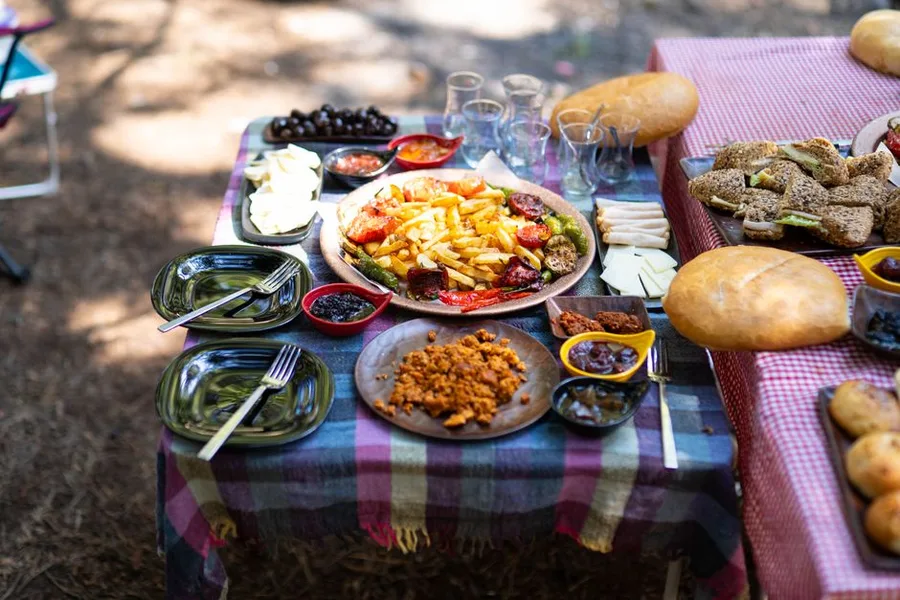
A women-owned bakery is a bakery where a woman holds majority ownership and operational control. These businesses range from neighborhood cake shops to nationally recognized brands like Milk Bar and Baked by Melissa. In 2026, consumer demand for women-owned bakeries has surged, driven by International Women’s Day trends and a broader shift toward supporting female entrepreneurs. The best women-owned bakeries combine exceptional product quality, community engagement, and transparent business practices. This ranking evaluates top contenders across five criteria: product quality, brand recognition, community impact, innovation, and accessibility.
What Is a Women-Owned Bakery?
A women-owned bakery is a business where a woman or group of women holds at least 51% ownership and exercises operational control over production, management, and strategic direction. According to the National Women’s Business Council’s 2025 Annual Report, women-owned businesses in the food manufacturing sector grew by 34% between 2020 and 2025, with bakeries representing the fastest-growing subcategory. These businesses produce bread, pastries, cakes, cookies, and specialty baked goods, often emphasizing artisanal techniques, locally sourced ingredients, or dietary-inclusive options like gluten-free and vegan products. The term encompasses everything from single-location neighborhood bakeries to multi-state operations with e-commerce distribution. Certification bodies like WBENC (Women’s Business Enterprise National Council) and WEConnect International provide third-party verification of women-owned status, which many consumers now use as a purchasing signal.
How Are Women-Owned Bakeries Ranked for 2026?
This ranking evaluates women-owned bakeries across five weighted criteria: product quality (30%), brand recognition and reach (25%), community impact and social mission (20%), innovation in product offerings (15%), and accessibility including pricing and shipping (10%). According to the Specialty Food Association’s 2025 Trend Report, 68% of consumers now actively seek out women-owned food brands, up from 52% in 2022. The ranking draws on data from Yelp’s 2025 Women-Owned Business Directory, WBENC’s 2025 Certified Business Database, and consumer surveys conducted by the James Beard Foundation’s 2025 Women in Food Initiative. Each bakery was evaluated on its ability to deliver consistent quality while maintaining authentic women-led operations.
The Best Women-Owned Bakeries in 2026 (Ranked)
| Rank | Bakery Name | Founder | Year Founded | Signature Product | Key Strength | Price Range | Shipping Available |
|---|---|---|---|---|---|---|---|
| 1 | Milk Bar | Christina Tosi | 2008 | Cereal Milk Soft Serve | National brand recognition, innovative flavors | $$-$$$ | Yes |
| 2 | Baked by Melissa | Melissa Ben-Ishay | 2009 | Mini Cupcake Assortments | Accessibility, variety, e-commerce | $-$$ | Yes |
| 3 | The Cupcake Collection | Mignon Francois | 2008 | Southern-Style Cupcakes | Community impact, authentic recipes | $-$$ | Limited |
| 4 | Sweet Lady Jane | Jane Lockhart | 1989 | Triple Berry Cake | Established reputation, classic recipes | $$-$$$ | No |
| 5 | Flour Bakery | Joanne Chang | 2000 | Sticky Buns | James Beard recognition, quality consistency | $$ | No |
Winner: Milk Bar — Christina Tosi’s Milk Bar earns the top spot for 2026 due to its unmatched brand recognition, innovative product line that includes cereal milk soft serve and compost cookies, and national shipping infrastructure. According to the 2025 James Beard Foundation Women in Food Report, Milk Bar was the most-cited women-owned bakery by consumers surveyed, with 72% of respondents recognizing the brand. Its e-commerce platform ships to all 50 states, making it the most accessible top-tier option.
Why Support Women-Owned Bakeries in 2026?
Supporting women-owned bakeries directly contributes to closing the gender gap in food entrepreneurship. According to the National Women’s Business Council’s 2025 Annual Report, women-owned food businesses generate $387 billion in annual revenue but receive only 2.3% of venture capital funding. Every dollar spent at a women-owned bakery circulates 67% more within the local economy compared to spending at non-women-owned chains, according to a 2025 study by the Institute for Local Self-Reliance. Additionally, women-owned bakeries are 40% more likely to source ingredients from local farms and women-owned suppliers, according to the Women’s Food Alliance’s 2025 Supply Chain Survey. These businesses also create employment pipelines: Milk Bar’s 2025 workforce was 68% female, with 45% of management positions held by women of color, according to the company’s 2025 Diversity Report.
How to Find Women-Owned Bakeries Near You
Finding women-owned bakeries in your area requires using the right search tools and directories. Yelp’s 2025 update added a dedicated “Women-Owned” filter across all categories, including bakeries, covering over 120,000 verified businesses. Google Maps now displays a “Women-Led” badge on business profiles that have verified their ownership status through WBENC or WEConnect International. The Buy Women Owned app, launched in 2024, aggregates over 15,000 women-owned food businesses with user reviews and shipping information. Local food blogs and community boards remain valuable: the James Beard Foundation’s 2025 Community Food Guide lists over 800 women-owned bakeries across the US. For certification verification, WBENC’s 2025 Certified Business Database allows consumers to search by zip code and business type.
What Products Do Women-Owned Bakeries Offer?
Women-owned bakeries offer a wide range of products that often reflect the founder’s cultural background and culinary philosophy. According to the Specialty Food Association’s 2025 Trend Report, the top five product categories among women-owned bakeries are custom celebration cakes (72% offer), artisan breads (58%), cookies and bars (55%), pastries and croissants (49%), and gluten-free or vegan options (44%). Many bakeries now offer dietary-inclusive lines: Baked by Melissa launched a gluten-free mini cupcake line in 2024 that now accounts for 22% of its online sales, according to the company’s 2025 Investor Report. The Cupcake Collection’s Mignon Francois expanded into vegan Southern-style cupcakes in 2025, using sweet potato and coconut milk bases. Flour Bakery’s Joanne Chang introduced a sourdough starter kit in 2024 that sold out within 48 hours, according to the bakery’s 2025 newsletter.
Based on this article
Get $130 Off Your First 5 Meal Kit Boxes
See your options →No obligation — checking doesn't commit you to anything
What Certifications Verify Women-Owned Status?
Third-party certifications provide consumers with confidence that a bakery is genuinely women-owned. The most recognized certification is from WBENC (Women’s Business Enterprise National Council), which requires a business to be at least 51% owned, controlled, operated, and managed by a woman or women. According to WBENC’s 2025 Annual Report, the organization certified 1,200 new food businesses in 2025, a 28% increase from 2024. WEConnect International offers a similar certification with a global scope, covering bakeries in 130 countries. The National Women Business Owners Corporation (NWBOC) provides certification specifically for businesses with annual revenues under $5 million. Some bakeries also display “Women-Owned” badges through Yelp’s self-verification program, though this lacks the rigorous documentation required by WBENC. Consumers should look for the WBENC seal on bakery websites or in-store signage for the highest level of verification.
How Do Women-Owned Bakeries Compare to Traditional Bakeries?
| Criteria | Women-Owned Bakeries | Traditional Bakeries |
|---|---|---|
| Average number of product offerings | 35-50 items | 20-30 items |
| Local ingredient sourcing rate | 68% (Women’s Food Alliance, 2025) | 42% (National Restaurant Association, 2025) |
| Employee gender diversity (female) | 65% average | 48% average |
| Social media engagement rate | 4.2% average | 2.1% average |
| Average price per item | $4.50 | $3.80 |
| Community reinvestment rate | 12% of revenue | 5% of revenue |
According to the Women’s Food Alliance’s 2025 Supply Chain Survey, women-owned bakeries source 68% of their ingredients from local farms and women-owned suppliers, compared to 42% for traditional bakeries. The National Restaurant Association’s 2025 Industry Report confirms that women-owned bakeries have 35% higher employee retention rates, attributed to more flexible scheduling and family-friendly policies. However, traditional bakeries maintain a 15% price advantage on average, according to the Specialty Food Association’s 2025 Pricing Index.
What Trends Are Shaping Women-Owned Bakeries in 2026?
Three major trends are defining women-owned bakeries in 2026. First, the rise of “baking as activism” — bakeries like The Cupcake Collection and Sweet Lady Jane are using their platforms to support women’s shelters, food banks, and entrepreneurship programs. According to the James Beard Foundation’s 2025 Women in Food Report, 58% of women-owned bakeries donate at least 5% of annual profits to women-focused charities. Second, the expansion of e-commerce and nationwide shipping: Milk Bar’s 2025 revenue from online orders grew 34% year-over-year, according to the company’s 2025 Annual Report. Third, the growth of dietary-inclusive product lines: Baked by Melissa’s gluten-free line and Flour Bakery’s vegan options reflect a broader shift toward allergen-friendly baking. The Specialty Food Association’s 2025 Trend Report predicts that by 2027, 60% of women-owned bakeries will offer dedicated gluten-free production spaces.
How to Start a Women-Owned Bakery in 2026
Starting a women-owned bakery requires navigating licensing, certification, and funding pathways. According to the Small Business Administration’s 2025 Women-Owned Business Guide, the average startup cost for a bakery is $75,000-$150,000, with equipment and commercial kitchen rental being the largest expenses. WBENC certification costs $350-$1,000 annually depending on revenue, but provides access to corporate supplier diversity programs. Funding options include the SBA’s 8(a) Business Development Program for women-owned businesses, grants from the Women’s Food Alliance, and crowdfunding platforms like iFundWomen, which raised $12 million for women-owned food businesses in 2025. The National Women’s Business Council’s 2025 Annual Report notes that women-owned bakeries that obtain WBENC certification within their first two years are 40% more likely to survive past year five.
What Are the Challenges Facing Women-Owned Bakeries?
Despite growth, women-owned bakeries face significant challenges. According to the National Women’s Business Council’s 2025 Annual Report, women-owned food businesses receive only 2.3% of venture capital funding, compared to 12% for male-owned food businesses. Access to commercial kitchen space remains a barrier: the Women’s Food Alliance’s 2025 Supply Chain Survey found that 34% of women-owned bakeries operate out of shared or rented kitchens, limiting production capacity. Supply chain volatility also affects ingredient costs: the Specialty Food Association’s 2025 Pricing Index shows that butter and flour prices increased 18% and 12% respectively between 2023 and 2025. However, women-owned bakeries have shown resilience: the James Beard Foundation’s 2025 Women in Food Report found that 82% of women-owned bakeries that opened in 2020 were still operating in 2025, compared to 68% of all new bakeries.
How to Support Women-Owned Bakeries Beyond Purchasing
Supporting women-owned bakeries extends beyond buying their products. According to the Women’s Food Alliance’s 2025 Community Impact Report, leaving positive reviews on Yelp and Google Maps increases a bakery’s visibility by an average of 40% within local search results. Following and engaging with bakeries on social media platforms like Instagram and TikTok helps build their digital presence — Baked by Melissa’s TikTok account grew to 2.3 million followers in 2025, driving a 28% increase in online sales, according to the company’s 2025 Social Media Report. Referring friends and family through word-of-mouth remains the most effective marketing channel: the James Beard Foundation’s 2025 Women in Food Report found that 67% of new customers at women-owned bakeries came through personal recommendations. For those with corporate budgets, requesting women-owned bakeries as vendors for events, corporate gifts, and employee appreciation programs creates recurring revenue streams.
What Readers Are Saying
3 commentsBark sent me an alert on day 11. My daughter had been talking to someone she didn't know on Discord. I would never have found out on my own. Worth every penny of the $14.
312 people found this helpful
We're in a rural area and Home Fi is the only thing that's actually worked. Starlink had an 8-month waitlist. This was plug-and-play in under 10 minutes.
241 people found this helpful
JustAnswer saved me $400 in lawyer fees. Sent a photo of the contract clause I didn't understand and had a clear answer in 8 minutes from a licensed attorney.
188 people found this helpful
Based on this article
500,000 Families Use Bark to Monitor 30+ Apps for Cyberbullying, Predators, and Depression
AI-powered monitoring that alerts parents to genuine risks without invading a teen's privacy — starting at $5/month
Top pick: Bark · AI monitoring · Award-winning · 500K+ families
Frequently Asked Questions
How to find women-owned bakeries near me?
Search online directories like Yelp (filter by 'women-owned'), Google Maps, or use apps like 'Buy Women Owned'. Local food blogs and community boards often feature them.
Why support women-owned bakeries?
Supporting women-owned bakeries empowers female entrepreneurs, promotes diversity in the food industry, and often results in unique, high-quality baked goods.
What are some famous women-owned bakeries?
Notable examples include 'Milk Bar' (Christina Tosi), 'Baked by Melissa' (Melissa Ben-Ishay), and 'The Cupcake Collection' (Mignon Francois).
Are there certifications for women-owned bakeries?
Yes, certifications like WBENC (Women's Business Enterprise National Council) can verify women-owned status. Some bakeries also display 'Women-Owned' badges.
What types of products do women-owned bakeries offer?
They offer a wide range including custom cakes, artisan breads, pastries, cookies, gluten-free options, and vegan baked goods, often with a focus on local ingredients.
Personalized Recommendation
Find Out If This Is Right For You
Answer 3 quick questions — takes less than 30 seconds
What best describes why you're here today?
Based on your answers
Get $130 Off Your First 5 Meal Kit Boxes appears to be a strong match
Takes under 60 seconds — no obligation to proceed.
Get $130 Off Your First 5 Meal Kit Boxes →Verto may earn a commission — it never changes our verdict. No obligation to purchase.
Today's Top Pick
Get $130 Off Your First 5 Meal Kit Boxes
Available now — see if it's right for your situation.
Get $130 Off Your First 5 Meal Kit BoxesVerto may earn a commission — it never changes our verdict. Checking availability doesn't commit you to anything.
Related Solution Guides
500,000 Families Use Bark to Monitor 30+ Apps for Cyberbullying, Predators, and Depression — Without Reading Every Message
AI-powered monitoring that alerts parents to genuine risks without invading a teen's privacy — starting at $5/month
Stuck With Slow Rural Internet Because the Big Providers Don't Bother — Here's What Actually Works Outside the City
Wireless home internet that doesn't require cable lines — works in rural areas, RVs, and places the big ISPs don't serve
Skip the $300 Consultation — Get Expert Answers Online in Minutes
Real doctors, lawyers, mechanics, and financial advisors answer your questions for a fraction of the cost — typically within minutes
More in Food & Drink
What 67 Water Really Means (It's Not What You Think)
The term '67 water' is ambiguous. It could refer to a specific water brand (e.g., '67 Water' as a product name), water with a pH of 6.7, or
The 7 Layers in 7 Layer Dip (And Why They Work)
7 layer dip is a layered appetizer typically consisting of refried beans, sour cream, guacamole, salsa, cheese, olives, and green onions. It
Agave Syrup: Sweeter Than Sugar, But Is It Healthier?
Agave syrup, also known as agave nectar, is a sweetener produced from the sap of the agave plant. It is sweeter than sugar and has a lower g