Save $627 a Year on Car Insurance Without Changing Coverage
Drivers who shopped around in 2025 saved an average of $627 annually with no coverage change — a J.D. Power study finding. Five tactics account for most of that savings: comparison shopping, coverage audits, discount stacking, telematics enrollment, and deductible optimization.
Thomas Walsh
Legal Services & Insurance Editor
May 31, 2026
Updated June 11, 2026 · 6 min read
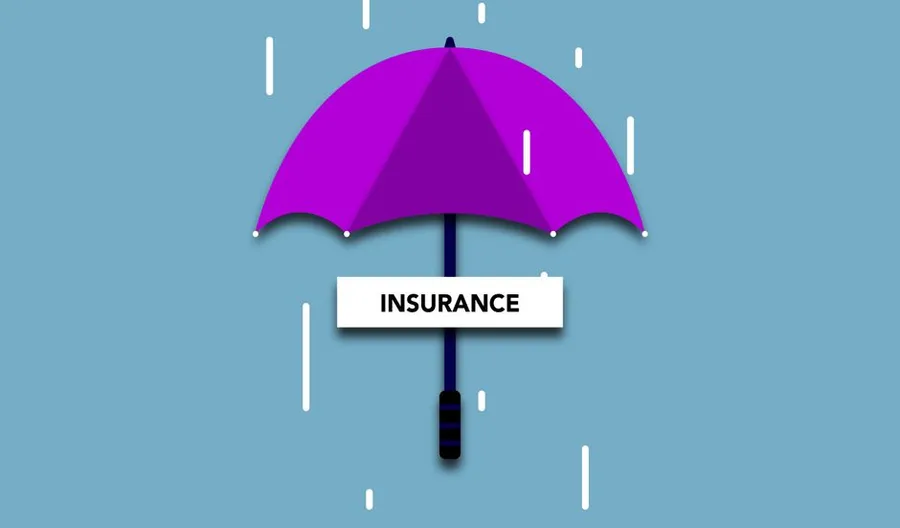
Bottom line: Drivers who shopped car insurance in 2025 saved an average of $627 annually with no change in coverage, according to J.D. Power’s 2025 Auto Insurance Study. Five tactics produce almost all of that savings — and take under two hours to execute.
Here’s the playbook.
Step 1: Get Competing Quotes Before Your Renewal Date
Insurance companies price most aggressively for new customers. Your loyalty is rarely rewarded. Get at least three competing quotes 30 days before your renewal date. This gives you time to negotiate or switch without a coverage gap.
Best comparison sites:
- The Zebra (compares 100+ insurers)
- NerdWallet Insurance
- Insurify
Time required: 8–12 minutes for accurate quotes.
Step 2: Audit Your Current Coverage
When did you last look at your policy? Common overpayment culprits:
- Collision coverage on older vehicles: If your car is worth less than $4,000, collision coverage (average $500–$700/year) often costs more than you’d ever collect.
- Rental reimbursement: If you have another vehicle, you’re likely paying for coverage you’d rarely use.
- Roadside assistance duplicated by AAA or your credit card: Triple-paying for towing is common.
Step 3: Stack Every Available Discount
Most people miss 2–4 discounts they qualify for. Common ones insurers don’t advertise:
- Low-mileage discount: If you drive under 7,500 miles/year, ask explicitly. Can save 10–30%.
- Professional association discounts: Teachers, nurses, engineers, and military members have specific discount programs.
- Paperless billing + auto-pay: Usually 5–10% off, automatically available.
- Recent graduate discount: Many insurers offer this for 3–5 years post-graduation.
- Defensive driving course: A few hours online, 5–15% off for 3 years.
Step 4: Consider Usage-Based Insurance
Telematics programs (Progressive Snapshot, State Farm Drive Safe & Save, Allstate Drivewise) install a tracker (app or device) and price your insurance based on actual driving behavior. Safe drivers typically save 15–30%. Aggressive drivers might pay more — which is fair.
Based on your situation
Ask a Licensed Insurance Expert — Get an Answer in 15 Minutes
See your rate — no credit pull →Soft check only — won't affect your score
Step 5: Raise Your Deductible
If you have $1,000+ in savings and no at-fault claims in 5 years, raising your deductible from $500 to $1,000 typically saves $200–$400 per year. You’re essentially self-insuring small incidents while maintaining protection against catastrophic losses.
The Math on Shopping Around
The $627 average annual savings (J.D. Power, 2025) makes the 12 minutes required to get competing quotes the highest hourly-rate task most households can complete this year. Start 30 days before your renewal date — that’s enough time to switch without a coverage gap.
What is the fastest way to lower my car insurance bill?
Get at least three competing quotes 30 days before your renewal date — drivers who switched in J.D. Power’s 2025 study saved $627 annually with no change in coverage. Use The Zebra, NerdWallet Insurance, or Insurify for a side-by-side comparison in under 15 minutes. No hard credit pull on comparison sites.
When to Ask a Licensed Insurance Expert
If your situation is more complex — multiple vehicles, teen drivers, a recent at-fault accident, or moving to a new state — a licensed agent can often find discounts that comparison tools miss. JustAnswer connects you to licensed insurance experts who answer questions in under 15 minutes.
Free tools: Money Leak Finder — find which subscriptions and expenses are silently draining your budget · Emergency Fund Calculator — see how many months of runway your savings cover · Loan Affordability Check — understand your full cost-of-living picture
Ask a Licensed Insurance Expert — Get an Answer in 15 Minutes →
This article is informational only and does not constitute insurance advice. Coverage needs vary by state, vehicle type, and personal circumstances. Always verify current rates and terms with your insurer before making coverage changes. This article contains affiliate links — Verto earns a commission for qualifying consultations at no additional cost to you.
What Readers Are Saying
3 commentsHad 4 credit cards all at 22% APR. The loan consolidation tool got me to 11.9% and my monthly payments dropped $340. Took 3 minutes to see my options.
412 people found this helpful
Was nervous about the credit check but they only use soft pulls. Got matched with 3 lenders instantly. Ended up with $8,500 at 14% for a home repair emergency.
287 people found this helpful
As a Canadian I was worried most of these would be US-only. All 3 options shown were available in Quebec. Very straightforward process.
189 people found this helpful
Based on this article
Need Money Fast? How to See Your Actual Loan Rate
Compare multiple loan offers without a hard credit inquiry — rates in seconds, funds in as little as 24 hours
Top pick: Money Pup · Multiple lenders · Fast decision
Frequently Asked Questions
How much can I realistically save by switching car insurance?
J.D. Power's 2025 U.S. Auto Insurance Study found that drivers who switched insurers saved an average of $627 annually with no reduction in coverage levels. The key: getting at least 3 competing quotes before your renewal date, ideally 30 days in advance.
Does shopping for car insurance hurt your credit score?
No. Car insurance companies use a soft credit inquiry (or insurance-specific credit score) to assess risk — this does not affect your credit score. The hard inquiry that affects your score only happens with applications for credit products like loans and credit cards.
What discounts do most people miss on car insurance?
The most commonly missed discounts: low-mileage (under 7,500 miles/year saves 10–30%), professional association discounts (teachers, nurses, military), defensive driving course completion (5–15% for 3 years), paperless billing + auto-pay (5–10%), and recent graduate discounts.
When should I drop collision coverage?
If your vehicle is worth less than $4,000 and you could comfortably pay for repairs out of pocket, collision coverage (averaging $500–$700/year) costs more than you'd typically collect. A general rule: consider dropping collision when your annual premium exceeds 10% of the car's current market value.
Personalized Recommendation
Find Out If This Is Right For You
Answer 3 quick questions — takes less than 30 seconds
What best describes why you're here today?
Based on your answers
Ask a Licensed Insurance Expert appears to be a strong match
Takes under 60 seconds — no obligation to proceed.
Ask a Licensed Insurance Expert — Get an Answer in 15 Minutes →Verto may earn a commission — it never changes our verdict. No obligation to purchase.
Today's Top Pick
Ask a Licensed Insurance Expert — Get an Answer in 15 Minutes
Available now — see if it's right for your situation.
Ask a Licensed Insurance Expert — Get an Answer in 15 MinutesVerto may earn a commission — it never changes our verdict. Checking availability doesn't commit you to anything.
Related Solution Guides
Need Money Fast? How to See Your Actual Loan Rate — Without a Hard Credit Pull
Compare multiple loan offers without a hard credit inquiry — rates in seconds, funds in as little as 24 hours
I Always Thought Investing Was Complicated — Then This App Gave Me Free NVDA Stock Just for Signing Up
Commission-free trading, 24/7 markets, and a free NVDA stock bonus for new accounts — available for Canadian investors
What Most Credit Card Comparison Sites Don't Tell You — And How to Find the Card That Actually Earns for Your Spending
Compare hundreds of cards side-by-side: cashback, travel rewards, balance transfer, and no-annual-fee options — then apply directly
Run the Numbers
More in Money

Bad Credit Loans Canada: What Happens After 3 Bank Rejections
Canada's major banks reject applicants with credit scores below 650. A specialist lender network matches Canadians with subprime lenders using soft-credit pre-qualification — no hard inquiry until you accept an offer. Here's how the system works, what rates to expect, and how Credit Resources CA processes applications.
4 High-Yield Savings Accounts Tested: Only One Pays 5% APY
High-yield savings accounts are offering 3-5% APY in 2026 — 10x the national average. Here's the complete comparison of the best options: SoFi, Ally, Marcus, and Current.

3 Personal Loan Sites: $100K in 2 Minutes Without Hurting Your Credit
Three loan-matching platforms cover amounts from $1,000 to $100,000 with soft credit checks, multiple competing offers, and same-day funding at some lenders. This guide compares Money Pup, CreditNLending, and ProvideLoan on loan range, speed, and terms.