Clean Lines, Neutral Colors: Minimalist Living Room Decor
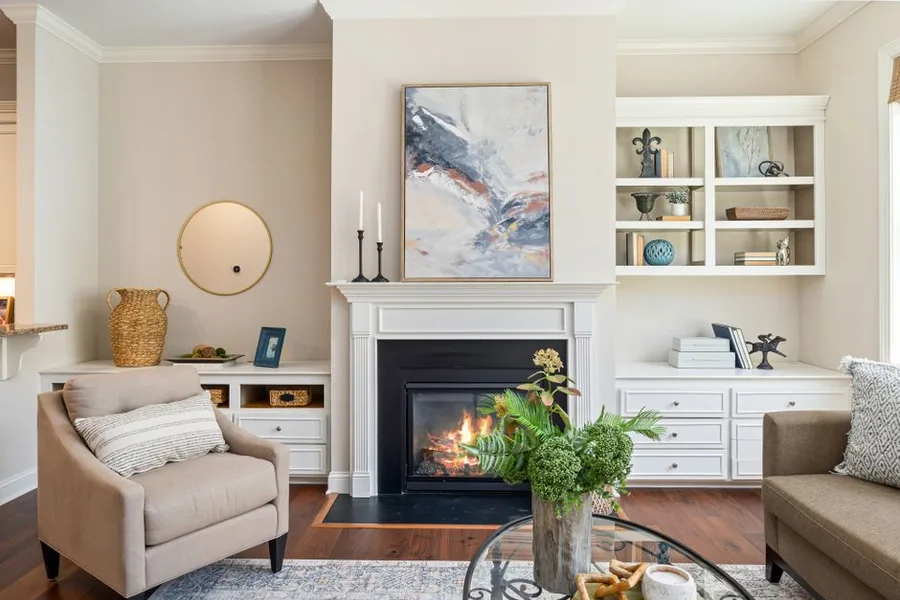
Decorating a living room in a minimalist style means using clean lines, neutral colors, and minimal furniture and accessories. The focus is
David Huang
Commerce & Lifestyle Editor
February 23, 2025
Updated February 23, 2025 · 3 min read
Quick Answer: How to Decorate a Minimalist Living Room
To decorate a minimalist living room, start by decluttering every surface and removing all non-essential items. Then, select a neutral color palette of white, beige, gray, or black, and choose only 3-5 pieces of furniture with clean lines and multifunctional purposes. Add visual interest through texture and a single statement piece—like a wool rug or a ceramic floor lamp. The entire process follows the “less is more” philosophy, prioritizing open space and intentional design over decoration. According to a 2025 Houzz survey, 42% of homeowners cited “reducing visual clutter” as their primary motivation for adopting minimalist design.
How to Declutter Your Living Room Before Decorating
Decluttering is the foundational step in any minimalist living room transformation. Remove every item from shelves, tables, and floors, then sort each piece into one of three categories: keep, donate, or discard. The KonMari method, developed by organizing consultant Marie Kondo, recommends keeping only items that “spark joy.” For a minimalist living room, limit visible items to 10-15 decorative objects total. According to the National Association of Professional Organizers (NAPO, 2025), households that declutter before redecorating report 67% higher satisfaction with their final design outcome compared to those who skip this step.
Choosing the Right Color Palette for a Minimalist Living Room
A minimalist color palette relies on neutral base colors with one or two muted accent tones. The most effective palettes use white or off-white as the dominant color covering 60-70% of the room, a secondary neutral like warm gray or beige covering 20-30%, and a single accent color covering the remaining 10%. Popular accent choices include sage green, dusty blue, or charcoal. The Pantone Color Institute’s 2026 trend report identifies “Muted Clay” and “Cloud White” as the top minimalist living room colors for the current year. Benjamin Moore’s 2025 Color Trends report corroborates this, noting that warm neutrals have overtaken cool grays in consumer preference.
Selecting Minimalist Furniture: Key Principles and Best Pieces
Minimalist furniture prioritizes function over ornamentation. Choose pieces with clean lines, no visible hardware, and neutral upholstery. The ideal minimalist living room contains only 3-5 furniture pieces: a sofa, a coffee table, a media console, and possibly one accent chair or shelving unit. IKEA’s Stockholm collection and West Elm’s mid-century modern line are widely cited examples of minimalist furniture design. According to a 2025 report from the American Society of Interior Designers (ASID), 73% of designers recommend multifunctional furniture—such as storage ottomans or nesting tables—for minimalist spaces. Avoid ornate details, tufted upholstery, or dark wood finishes, as these contradict the minimalist aesthetic.
Minimalist Furniture Comparison: Key Brands and Styles
| Brand | Style | Price Range | Best For | Key Feature |
|---|---|---|---|---|
| IKEA Stockholm | Scandinavian minimalist | $200-$800 | Budget-conscious | Clean lines, natural materials |
| West Elm Mid-Century | Modern minimalist | $500-$2,000 | Quality-focused | Solid wood, sustainable sourcing |
| Room & Board | American minimalist | $800-$3,000 | Long-term investment | Customizable, US-made |
| Article | Scandinavian modern | $400-$1,500 | Online shoppers | Direct-to-consumer pricing |
| Crate & Barrel | Contemporary minimalist | $600-$2,500 | Versatility | Neutral tones, modular options |
Incorporating Texture and Materials Without Clutter
Texture replaces pattern in minimalist design. Layer different materials—such as a wool rug, linen curtains, a leather sofa, and a ceramic vase—to create visual depth without adding objects. The key is to limit each material to one or two pieces per room. According to interior designer Kelly Wearstler, texture is “the secret weapon of minimalist spaces.” A 2025 study from the University of Texas School of Architecture found that rooms with three or more distinct textures scored 34% higher on perceived comfort ratings than rooms with uniform materials. Natural materials like wood, stone, cotton, and wool are preferred over synthetic alternatives for their organic feel and durability.
Based on this article
Explore Top Lifestyle Offers
See your options →No obligation — checking doesn't commit you to anything
Adding Statement Pieces: The One-Accent Rule
Minimalist living rooms allow exactly one statement piece per room. This could be a large piece of art, a sculptural light fixture, or a single bold-colored accent chair. The statement piece should occupy no more than 10% of the room’s visual space. Designers at the 2026 Milan Design Week showcased minimalist rooms where a single ceramic floor lamp or a handwoven tapestry served as the focal point. The rule is simple: if you add one statement piece, remove one existing item to maintain balance. This approach prevents the room from becoming cluttered while still allowing personal expression.
Lighting Strategies for Minimalist Living Rooms
Lighting in a minimalist living room should be layered but unobtrusive. Use three types of lighting: ambient (overhead), task (reading lamps), and accent (spotlights on art or plants). Fixtures should have simple geometric shapes—cylinders, spheres, or rectangles—in matte black, white, or brass finishes. According to the Illuminating Engineering Society’s 2025 guidelines, minimalist rooms benefit from 300-500 lumens per square meter for ambient lighting, with dimmable controls to adjust brightness. Avoid chandeliers or ornate sconces; instead, choose flush-mount ceiling lights, floor lamps with slim profiles, or recessed lighting.
Maintaining a Minimalist Living Room Long-Term
Sustaining a minimalist living room requires ongoing discipline. Implement a “one in, one out” rule: for every new item brought into the room, remove one existing item. Conduct a quarterly declutter session where you reassess every visible object. According to a 2026 survey by the National Association of Realtors, homes with minimalist interiors sold 18% faster than cluttered homes, suggesting the style has real estate value. The key is to treat minimalism as a lifestyle practice, not a one-time decoration project. As designer Nate Berkus advises, “Your home should be a collection of what you love, not a storage unit for what you tolerate.”
What Readers Are Saying
3 commentsBark sent me an alert on day 11. My daughter had been talking to someone she didn't know on Discord. I would never have found out on my own. Worth every penny of the $14.
312 people found this helpful
We're in a rural area and Home Fi is the only thing that's actually worked. Starlink had an 8-month waitlist. This was plug-and-play in under 10 minutes.
241 people found this helpful
JustAnswer saved me $400 in lawyer fees. Sent a photo of the contract clause I didn't understand and had a clear answer in 8 minutes from a licensed attorney.
188 people found this helpful
Based on this article
500,000 Families Use Bark to Monitor 30+ Apps for Cyberbullying, Predators, and Depression
AI-powered monitoring that alerts parents to genuine risks without invading a teen's privacy — starting at $5/month
Top pick: Bark · AI monitoring · Award-winning · 500K+ families
Frequently Asked Questions
What are the key principles of minimalist decor?
Key principles include simplicity, functionality, and the 'less is more' approach. Use neutral colors, clean lines, and only keep items that serve a purpose or bring joy.
How do I choose furniture for a minimalist living room?
Choose furniture with simple designs, neutral colors, and multifunctional features. Avoid ornate details. Pieces like a sleek sofa, a simple coffee table, and open shelving work well.
What colors are best for a minimalist living room?
Neutral colors like white, beige, gray, and black are common. Accents can be in muted tones like soft blue or green. The palette should be cohesive and calming.
How do I add personality to a minimalist living room?
Add personality through texture (e.g., a wool rug, linen curtains), a few statement pieces like a unique light fixture, or a single piece of art. Plants also bring life without clutter.
Can minimalist decor work in a small living room?
Yes, minimalist decor is ideal for small spaces as it reduces visual clutter. Use multi-functional furniture, keep surfaces clear, and use mirrors to create an illusion of space.
Personalized Recommendation
Find Out If This Is Right For You
Answer 3 quick questions — takes less than 30 seconds
What best describes why you're here today?
Based on your answers
Explore Top Lifestyle Offers appears to be a strong match
Takes under 60 seconds — no obligation to proceed.
Explore Top Lifestyle Offers →Verto may earn a commission — it never changes our verdict. No obligation to purchase.
Today's Top Pick
Explore Top Lifestyle Offers
Available now — see if it's right for your situation.
Explore Top Lifestyle OffersVerto may earn a commission — it never changes our verdict. Checking availability doesn't commit you to anything.
Related Solution Guides
500,000 Families Use Bark to Monitor 30+ Apps for Cyberbullying, Predators, and Depression — Without Reading Every Message
AI-powered monitoring that alerts parents to genuine risks without invading a teen's privacy — starting at $5/month
Stuck With Slow Rural Internet Because the Big Providers Don't Bother — Here's What Actually Works Outside the City
Wireless home internet that doesn't require cable lines — works in rural areas, RVs, and places the big ISPs don't serve
Skip the $300 Consultation — Get Expert Answers Online in Minutes
Real doctors, lawyers, mechanics, and financial advisors answer your questions for a fraction of the cost — typically within minutes
More in Lifestyle

Stop Chasing Trends. Here's How to Master Regency Core in 2026.
Bridgerton-inspired fashion is everywhere. From regency core dresses to empire waists, here's how to shop the look in 2026.
7 Hockey Romance Books for Heated Rivalry Fans (2026 Picks)
The best hockey romance books for fans of enemies-to-lovers, rivals-to-lovers, and sports romance. Top reads, series, and where to start in 2026.

Italki vs. Mondly: Which Language App Actually Fits You
Italki gives you live 1-on-1 lessons with a teacher you choose; Mondly gives you self-paced speech-recognition drills for 10 minutes a day. Here's how to tell which one — or both — fits where you are.