Start Your First Junk Journal: Supplies & Ideas for 2026
Everything you need to start junk journaling in 2026 — supplies list, page ideas, binding basics, and where to find inspiration for your first journal.
Rachel Kim
Consumer Products Editor
June 18, 2026
Updated June 18, 2026 · 9 min read
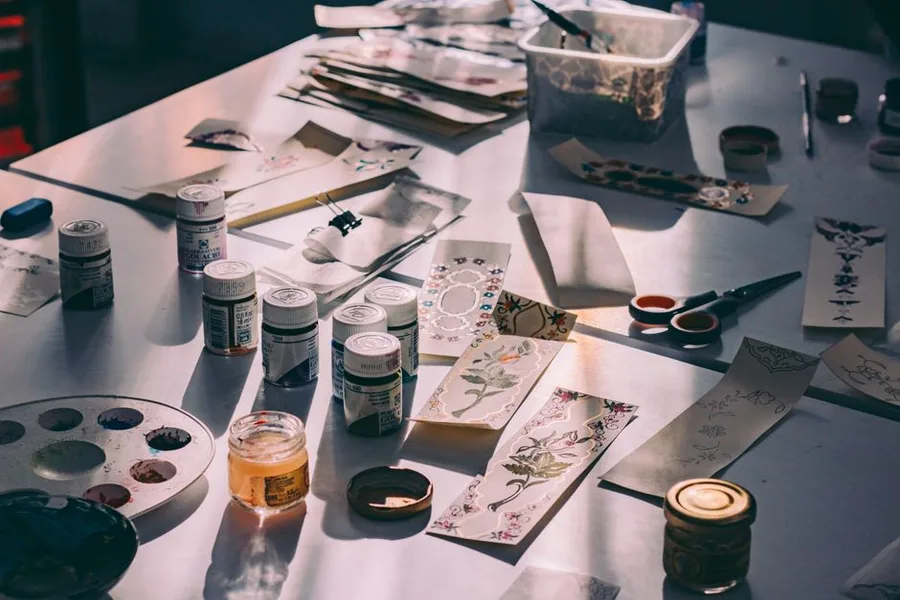
Bottom line: Junk journaling is the most rewarding paper craft you can start with minimal investment. An old book, a glue stick, and a collection of found papers are enough to create your first journal. This guide covers everything from supplies to binding to page inspiration.
Junk journaling has become one of the most popular paper crafts on social media — and for good reason. Unlike bullet journaling, which demands precision, or scrapbooking, which can feel overwhelming, junk journaling is intentionally imperfect. The aesthetic is layered, textured, and personal. There are no rules.
If you’ve been watching junk journal videos on TikTok or Pinterest and wondering where to start, this guide is for you.
What Is a Junk Journal?
A junk journal is a handmade book filled with collected ephemera — old letters, ticket stubs, vintage book pages, postcards, fabric scraps, and decorative paper — arranged into visually rich spreads. The “junk” in the name refers to the materials, not the result. Well-made junk journals are beautiful, tactile objects.
Junk journals serve many purposes: art journal, memory keeper, creative outlet, or simply a place to experiment with paper and texture. Some people use them as daily journals. Others create themed journals for travel, seasons, or specific projects.
Beginner Supplies: What You Actually Need
The junk journal community loves elaborate supply hauls, but you truly need very little to start. Here’s the essential list:
| Supply | Purpose | Beginner Recommendation |
|---|---|---|
| Paper stack | Pages for your journal | Mixed paper pack or repurposed book pages |
| Cover material | Protects pages | Cardboard from cereal box or kraft cardstock |
| Binding | Holds pages together | Waxed thread + needle, or binder rings |
| Adhesive | Attaches ephemera | Glue stick (acid-free) |
| Scissors | Cutting paper and fabric | Sharp craft scissors |
| Bone folder | Creasing and smoothing | Plastic or wooden bone folder |
| Ephemera | Decoration | Found objects, printables, vintage paper |
Estimated total for starting: $15–30 if you buy supplies. Less than $5 if you source materials from around your home.
Based on this article
Shop Junk Journal Supplies on Amazon
See your options →No obligation — checking doesn't commit you to anything
Where to Find Ephemera (Free and Low-Cost)
Building an ephemera collection is half the fun of junk journaling. Here are the best sources:
- Thrift stores: Vintage books, sheet music, maps, postcards, old letters — typically $0.50–$3 each
- Your home: Old greeting cards, ticket stubs, receipts from meaningful trips, wrapping paper, shipping tags
- Friends and family: Ask for their old letters, postcards, and paper memorabilia they’re ready to part with
- Printables: Free junk journal printables are abundant on Pinterest, Etsy (free listings), and craft blogs
- Nature: Pressed leaves, flowers, and seed pods make beautiful additions
- Fabric scraps: Old clothing, lace trims, ribbons from gifts
Pro tip: Start a designated box or bag for ephemera collection. Every time you find something interesting, add it to the box. When you’re ready to create, you’ll have a curated stash to work from.
Binding Your First Journal: Three Beginner Methods
Method 1: Pamphlet Stitch (Simplest)
- Fold 5–10 sheets of paper in half to create a booklet
- Open to the center and mark three holes along the fold
- Thread a needle with waxed thread
- Sew through the holes: enter the center hole from outside, then each end hole, then back through the center
- Tie off securely. You have a journal.
Method 2: Ring Bound
- Punch holes along the left edge of your paper stack
- Insert binder rings or jump rings through the holes
- Add a cover made from cardstock or cardboard
- Advantage: you can add, remove, and rearrange pages freely
Method 3: Japanese Stab Binding
- Stack your pages and cover together, clamped at the edges
- Mark holes along the spine edge (usually 4–5 holes)
- Sew through the holes in a pattern — running stitch or figure-eight
- This creates an exposed spine that lies flat when open
Page Ideas for Your First Junk Journal
Stuck on what to put in your journal? Here are 12 page ideas to get started:
- About this journal page — Title, date, intention for the journal
- Favorite quotes — Layer handwritten quotes over vintage book pages
- Pocket page — Sew or glue an envelope onto a page to hold loose ephemera
- Seasonal spread — Dried leaves, seasonal colors, nature imagery
- Travel memory — Ticket stubs, maps, postcards from a trip
- Color palette page — Swatches of paper, fabric, and paint in a single color story
- Gift tags and labels — Create detachable tags using cardstock and string
- Book list — Track books you’ve read with vintage library card aesthetics
- Nature pocket — Pressed flowers tucked into a paper pocket
- Mood board — Images and colors that reflect your current mood or season
- Hidden journaling — Write behind flaps and tuck spots for private reflections
- Signature page — A spread dedicated to a person, place, or memory
Junk Journal Styles to Explore
- Vintage style: Sepia tones, aged paper, floral imagery, classic typography
- Whimsical: Bright colors, playful imagery, stickers, unexpected elements
- Nature-inspired: Earth tones, pressed botanicals, landscape imagery
- Minimalist: Clean layouts, limited color palette, lots of white space
- Seasonal: Dedicated journals for spring, summer, fall, or winter themes
Common Beginner Mistakes (And How to Avoid Them)
- Using too much adhesive: Less is more. A thin layer of glue stick is usually enough. Wet glue warps thin paper.
- Overloading pages: A few well-placed elements are more visually striking than cramming every space.
- Skipping the cover: Your cover protects your work. Even a simple cardstock cover makes a difference.
- Forcing a theme: Let your materials guide the theme rather than forcing materials into a predetermined theme.
- Comparing to experienced journals: Your first journal won’t look like a seasoned creator’s hundredth journal. That’s the point.
Final Verdict
Junk journaling is a low-cost, high-reward craft that improves with practice. Start with found materials, bind your first journal with a simple pamphlet stitch, and fill it with whatever ephemera speaks to you. The only rule is that there are no rules.
Prices and availability subject to change. This article contains affiliate links. Verto earns a commission on purchases made through these links.
What Readers Are Saying
3 commentsBark sent me an alert on day 11. My daughter had been talking to someone she didn't know on Discord. I would never have found out on my own. Worth every penny of the $14.
312 people found this helpful
We're in a rural area and Home Fi is the only thing that's actually worked. Starlink had an 8-month waitlist. This was plug-and-play in under 10 minutes.
241 people found this helpful
JustAnswer saved me $400 in lawyer fees. Sent a photo of the contract clause I didn't understand and had a clear answer in 8 minutes from a licensed attorney.
188 people found this helpful
Based on this article
500,000 Families Use Bark to Monitor 30+ Apps for Cyberbullying, Predators, and Depression
AI-powered monitoring that alerts parents to genuine risks without invading a teen's privacy — starting at $5/month
Top pick: Bark · AI monitoring · Award-winning · 500K+ families
Frequently Asked Questions
What is a junk journal?
A junk journal is a handmade book created from recycled materials — vintage book pages, sheet music, envelopes, tickets, fabric scraps, and decorative paper. Unlike a traditional journal, junk journals prioritize texture, layering, and visual interest over clean, uniform pages. Each spread is a collage of memory and ephemera.
What supplies do I need to start junk journaling?
You need a base (old book or loose paper), binding supplies (needle, thread, or rings), adhesive (glue stick or double-sided tape), and ephemera (tickets, stamps, magazine clippings, vintage paper). Optional: washi tape, stickers, lace, ribbon, fabric scraps, and a bone folder for crisp creases.
How do I bind a junk journal?
The simplest binding method for beginners is the single-signature pamphlet stitch — fold a stack of paper in half, punch three holes along the spine, and sew through them with waxed thread. For a ring-bound journal, punch holes and use binder rings. No special equipment is required for either method.
Where do I find junk journal supplies and ephemera?
Thrift stores are the best source for vintage books, sheet music, and interesting papers. Etsy shops sell curated ephemera kits. Ask friends and family for old postcards, letters, and travel memorabilia. Free printables are available on Pinterest and craft blogs. Start collecting before you start building.
Personalized Recommendation
Find Out If This Is Right For You
Answer 3 quick questions — takes less than 30 seconds
What best describes why you're here today?
Based on your answers
Shop Junk Journal Supplies on Amazon appears to be a strong match
Takes under 60 seconds — no obligation to proceed.
Shop Junk Journal Supplies on Amazon →Verto may earn a commission — it never changes our verdict. No obligation to purchase.
Today's Top Pick
Shop Junk Journal Supplies on Amazon
Available now — see if it's right for your situation.
Shop Junk Journal Supplies on AmazonIndependent referral — Verto earns no commission here. Checking availability doesn't commit you to anything.
Related Solution Guides
500,000 Families Use Bark to Monitor 30+ Apps for Cyberbullying, Predators, and Depression — Without Reading Every Message
AI-powered monitoring that alerts parents to genuine risks without invading a teen's privacy — starting at $5/month
Stuck With Slow Rural Internet Because the Big Providers Don't Bother — Here's What Actually Works Outside the City
Wireless home internet that doesn't require cable lines — works in rural areas, RVs, and places the big ISPs don't serve
Skip the $300 Consultation — Get Expert Answers Online in Minutes
Real doctors, lawyers, mechanics, and financial advisors answer your questions for a fraction of the cost — typically within minutes
More in Lifestyle

Stop Chasing Trends. Here's How to Master Regency Core in 2026.
Bridgerton-inspired fashion is everywhere. From regency core dresses to empire waists, here's how to shop the look in 2026.

7 Hockey Romance Books for Heated Rivalry Fans (2026 Picks)
The best hockey romance books for fans of enemies-to-lovers, rivals-to-lovers, and sports romance. Top reads, series, and where to start in 2026.

Italki vs. Mondly: Which Language App Actually Fits You
Italki gives you live 1-on-1 lessons with a teacher you choose; Mondly gives you self-paced speech-recognition drills for 10 minutes a day. Here's how to tell which one — or both — fits where you are.