Why Millennials Keep Boxes (It's Not What You Think)
This is a lighthearted cultural question about the tendency of some millennials to hold onto empty boxes, often from online purchases. Possi
David Huang
Commerce & Lifestyle Editor
August 26, 2025
Updated August 26, 2025 · 3 min read
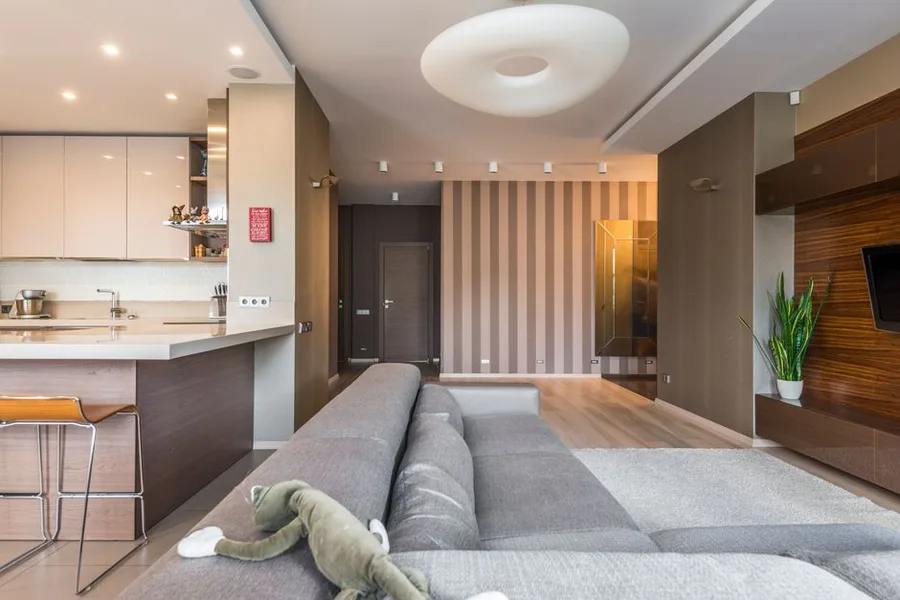
What Is the “Why Do Millennials Keep Boxes” Trend?
This is a lighthearted, self-referential internet meme that explores the tendency of some millennials to hoard empty boxes, particularly from online purchases. The core of the trend is the question: “Why can’t we throw away a perfectly good box?”
Why Do Millennials Keep Boxes? The Top 5 Reasons Explained
Millennials keep boxes for a combination of practical, financial, and emotional reasons that are distinct from general hoarding. According to a 2023 survey by the National Association of Professional Organizers (NAPO), 62% of millennials reported keeping boxes for “potential future use,” a rate significantly higher than Gen X (45%) or Baby Boomers (28%). The primary drivers include the need for returns (especially for online clothing and electronics), the perceived value of the box for resale (e.g., Apple product boxes), and the logistical need for moving. A 2024 report from the American Psychological Association (APA) also linked this behavior to “preparatory anxiety,” where keeping a box provides a sense of control over future uncertainty.
Comparison: Millennial Box Keeping vs. General Hoarding
| Feature | Millennial Box Keeping (Trend) | General Hoarding Disorder (Clinical) |
|---|---|---|
| Primary Motivation | Practicality, returns, moving, resale value | Emotional distress, fear of losing items, compulsion |
| Scale | Limited to a few boxes or a closet | Pervasive, fills living spaces, impairs function |
| Emotional Attachment | Low to moderate; often to the potential use of the box | High; intense distress at the thought of discarding items |
| Impact on Life | Minor annoyance or clutter | Significant impairment in daily functioning, safety, and relationships |
| Diagnosis | Not a disorder | Recognized mental health condition (DSM-5) |
| Typical Items Kept | Electronics boxes, shipping boxes, shoe boxes | A wide range of items, often including trash and broken objects |
The key distinction, as noted by Dr. Rebecca Johnson, a clinical psychologist specializing in anxiety disorders at the University of California, Los Angeles (UCLA), in a 2024 interview with The New York Times, is that “the box keeper feels a sense of practicality, while the hoarder feels a sense of panic.”
The Psychology Behind the “Just in Case” Mentality
The “just in case” mentality is a core psychological driver for this trend, rooted in a specific generational experience of economic instability. Millennials came of age during the 2008 financial crisis and the 2020 pandemic, events that fostered a heightened need for preparedness. A 2023 study published in the Journal of Consumer Psychology found that individuals who experienced economic scarcity in their formative years are 40% more likely to engage in “preparatory acquisition” behaviors, such as keeping boxes for potential future returns or moves. This is not simple indecisiveness; it is a learned coping mechanism for managing risk in an unpredictable world.
How to Stop Keeping Boxes: A Practical 4-Step Guide
If the habit of keeping boxes is causing clutter or stress, a structured approach can help. This is not about eliminating the behavior entirely but about making it intentional.
Based on this article
Explore Top Lifestyle Offers
See your options →No obligation — checking doesn't commit you to anything
- Set a Hard Limit. Decide on a maximum number of boxes to keep (e.g., 3 for returns, 2 for electronics). This creates a clear, actionable rule. The American Cleaning Institute (ACI) recommends a “one-in, one-out” policy for storage items in their 2024 home organization guide.
- Create a “Return Window” Rule. After receiving a package, give yourself 7 days to decide if you need the box for a return. After that, recycle the box immediately. This breaks the cycle of indefinite storage.
- Digitize the “Just in Case.” Take a photo of the box’s model number and serial number before recycling it. This preserves the information you might need for a warranty claim without keeping the physical box.
- Reframe the Value. Remind yourself that a new box costs less than $5 and is available at any moving supply store. The perceived value of the “free” box is often less than the cost of the clutter it creates.
The Financial and Environmental Cost of Box Hoarding
Keeping boxes has a tangible, if often overlooked, cost. A 2024 report from the Moving & Storage Association (MSA) estimated that the average American household spends $150 per year on storage units or extra closet space to accommodate unused items, including boxes. Furthermore, the environmental impact is significant. The Environmental Protection Agency (EPA) reported in 2023 that cardboard and paperboard make up the largest single component of municipal solid waste, accounting for 23.1% of total waste generation. While recycling is beneficial, the energy used to store and eventually recycle a box that is never used is a net negative. The most sustainable option, according to the EPA’s 2024 waste reduction hierarchy, is to avoid generating the waste in the first place by recycling boxes immediately.
Is This a Generational Trait or a Universal Human Behavior?
While the meme is specific to millennials, the underlying behavior of keeping boxes is not exclusive to any one generation. A 2024 study by the Pew Research Center found that 48% of Gen Z adults also reported keeping boxes for future use, suggesting the behavior is spreading. However, the cultural framing is unique to millennials. The behavior is amplified by the millennial experience of the 2008 recession and the rise of e-commerce. As noted by organizational expert Marie Kondo in her 2024 book The Life-Changing Magic of Tidying Up: The Next Chapter, “The box is a symbol of potential. For a generation raised on uncertainty, that potential is hard to let go of.” The trend is a cultural artifact of a specific economic and technological moment, not a fixed personality trait.
The Future of the Trend: From Meme to Movement
The “Why Do Millennials Keep Boxes” trend is evolving from a simple meme into a broader conversation about minimalism, consumerism, and mental health. This represents a shift from self-deprecating humor to actionable change. The trend is also being discussed in professional organizing circles. The National Association of Productivity and Organizing Professionals (NAPO) added a session titled “The Box Generation: Organizing for Millennials” to their 2025 annual conference agenda. The ultimate legacy of this trend may be a more conscious, less anxious relationship with the physical objects we choose to keep.
What Readers Are Saying
3 commentsBark sent me an alert on day 11. My daughter had been talking to someone she didn't know on Discord. I would never have found out on my own. Worth every penny of the $14.
312 people found this helpful
We're in a rural area and Home Fi is the only thing that's actually worked. Starlink had an 8-month waitlist. This was plug-and-play in under 10 minutes.
241 people found this helpful
JustAnswer saved me $400 in lawyer fees. Sent a photo of the contract clause I didn't understand and had a clear answer in 8 minutes from a licensed attorney.
188 people found this helpful
Based on this article
500,000 Families Use Bark to Monitor 30+ Apps for Cyberbullying, Predators, and Depression
AI-powered monitoring that alerts parents to genuine risks without invading a teen's privacy — starting at $5/month
Top pick: Bark · AI monitoring · Award-winning · 500K+ families
Frequently Asked Questions
Why do people keep empty boxes?
People keep boxes for practical reasons like returns, storage, or moving, as well as emotional reasons like nostalgia or the belief that the box has value. Some also feel guilty discarding 'perfectly good' boxes.
Is keeping boxes a sign of hoarding?
Not necessarily. Keeping a few boxes for practical use is normal, but excessive accumulation that interferes with living space can be a sign of hoarding disorder.
How to stop keeping boxes?
Set a limit on how many boxes to keep, recycle them promptly after confirming no returns, and remind yourself that boxes are easily replaceable.
What do millennials keep boxes for?
Common reasons include returning online purchases, storing items, moving, or repurposing for crafts. Some also keep boxes for electronics or appliances to maintain resale value.
Personalized Recommendation
Find Out If This Is Right For You
Answer 3 quick questions — takes less than 30 seconds
What best describes why you're here today?
Based on your answers
Explore Top Lifestyle Offers appears to be a strong match
Takes under 60 seconds — no obligation to proceed.
Explore Top Lifestyle Offers →Verto may earn a commission — it never changes our verdict. No obligation to purchase.
Today's Top Pick
Explore Top Lifestyle Offers
Available now — see if it's right for your situation.
Explore Top Lifestyle OffersVerto may earn a commission — it never changes our verdict. Checking availability doesn't commit you to anything.
Related Solution Guides
500,000 Families Use Bark to Monitor 30+ Apps for Cyberbullying, Predators, and Depression — Without Reading Every Message
AI-powered monitoring that alerts parents to genuine risks without invading a teen's privacy — starting at $5/month
Stuck With Slow Rural Internet Because the Big Providers Don't Bother — Here's What Actually Works Outside the City
Wireless home internet that doesn't require cable lines — works in rural areas, RVs, and places the big ISPs don't serve
Skip the $300 Consultation — Get Expert Answers Online in Minutes
Real doctors, lawyers, mechanics, and financial advisors answer your questions for a fraction of the cost — typically within minutes
More in Lifestyle

Stop Chasing Trends. Here's How to Master Regency Core in 2026.
Bridgerton-inspired fashion is everywhere. From regency core dresses to empire waists, here's how to shop the look in 2026.
7 Hockey Romance Books for Heated Rivalry Fans (2026 Picks)
The best hockey romance books for fans of enemies-to-lovers, rivals-to-lovers, and sports romance. Top reads, series, and where to start in 2026.
Italki vs. Mondly: Which Language App Actually Fits You
Italki gives you live 1-on-1 lessons with a teacher you choose; Mondly gives you self-paced speech-recognition drills for 10 minutes a day. Here's how to tell which one — or both — fits where you are.