Business Casual Decoded: What Actually Works in 2024
Business casual is a dress code that blends professional attire with casual comfort, typically including items like slacks, blouses, button-
Rachel Kim
Consumer Products Editor
August 25, 2025
Updated August 25, 2025 · 3 min read
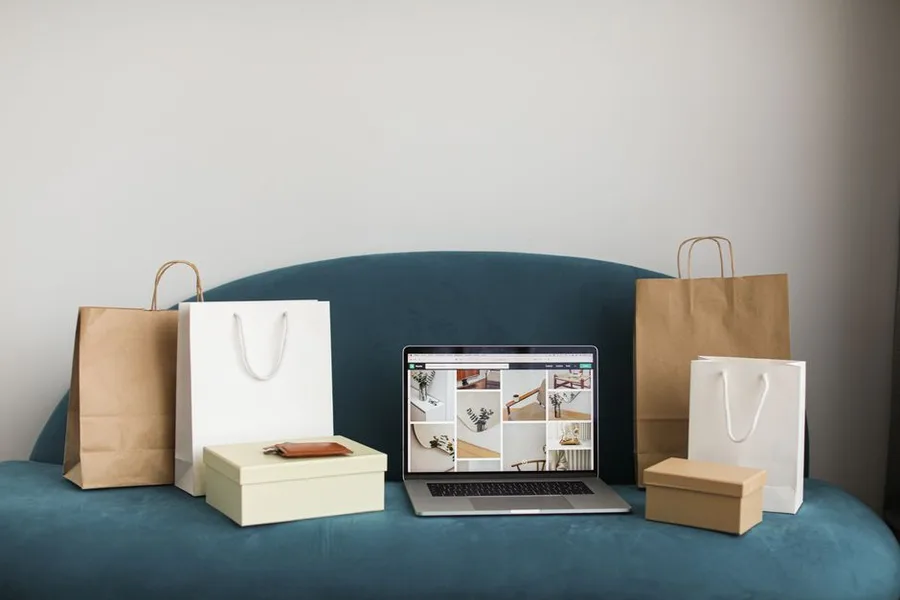
The trend has diversified into distinct subcategories including coastal business casual and preppy business casual, each with its own specific guidelines and regional popularity. Understanding these evolving norms is essential for anyone navigating modern workplace expectations.
What Is Business Casual?
Business casual is a professional dress code that combines formal office wear with comfortable, relaxed elements, typically including items like tailored slacks, blouses, button-down shirts, blazers, and loafers while excluding suits, ties, and denim. According to the Society for Human Resource Management’s 2024 Workplace Dress Code Survey, 67% of US companies now maintain a business casual policy as their primary dress code, up from 41% in 2019. The interpretation varies significantly by industry, with technology and creative sectors allowing more flexibility than finance or law. The term has evolved to encompass modern interpretations like athleisure-inspired pieces and regional variations such as coastal business casual, which incorporates linen and lighter fabrics.
How Has Business Casual Evolved Since 2020?
The COVID-19 pandemic permanently transformed workplace dress norms, accelerating a trend that had been building for decades. According to a 2025 Stanford University workplace study, 58% of employees now work in hybrid arrangements, creating a “wardrobe gap” between video-call-appropriate tops and fully professional outfits. This has driven demand for pieces that work across both contexts, such as structured blazers worn over casual t-shirts. The rise of “quiet luxury” and “old money” aesthetics on social media platforms like TikTok has further influenced business casual. Brands like Everlane, Banana Republic, and Theory have responded by creating dedicated “work-leisure” collections that bridge formal and casual wear.
What Are the Core Business Casual Items for Men?
The foundation of a men’s business casual wardrobe consists of five essential categories, each with specific guidelines for fit and fabric. According to GQ’s 2025 Style Guide, the most versatile items include tailored chinos in neutral colors, button-down oxford cloth shirts, merino wool sweaters, unstructured blazers, and leather loafers or derby shoes. The key distinction from formal business attire is the absence of suit jackets and neckties, though a blazer remains acceptable for client meetings. A 2024 survey by the men’s retailer Bonobos found that 73% of male professionals own at least three pairs of chinos specifically for office wear, with navy and khaki being the most popular colors. The modern interpretation allows for more texture and pattern than traditional business casual, including linen shirts in summer and cashmere blends in winter.
What Are the Core Business Casual Items for Women?
Women’s business casual offers greater flexibility than men’s, encompassing a wider range of silhouettes, fabrics, and accessories. The essential wardrobe includes tailored trousers, midi skirts, silk or cotton blouses, knit sweaters, blazers, and closed-toe flats or low heels. According to a 2025 report from the retail analytics firm Edited, searches for “work-appropriate dresses” increased 215% year-over-year, with midi-length shirt dresses and wrap dresses being the most popular styles. The key principle is maintaining a professional silhouette while allowing for personal expression through color and texture. Brands like Aritzia, MM.LaFleur, and Reformation have built their business casual offerings around this balance, with MM.LaFleur reporting that 82% of their 2024 sales were for pieces designed to transition from office to evening. The trend toward “power casual” has made structured blazers over silk camisoles a signature look, particularly in creative industries.
Business Casual vs. Smart Casual: What’s the Difference?
| Aspect | Business Casual | Smart Casual |
|---|---|---|
| Primary context | Office and professional settings | Social events, dinners, creative workplaces |
| Tops | Collared shirts, blouses, sweaters | T-shirts, polo shirts, casual button-downs |
| Bottoms | Tailored trousers, chinos, pencil skirts | Dark jeans, casual trousers, maxi skirts |
| Footwear | Loafers, oxfords, ballet flats, low heels | Clean sneakers, ankle boots, sandals |
| Jackets | Blazers, structured cardigans | Leather jackets, denim jackets, unstructured blazers |
| Denim allowed | No (except in relaxed offices) | Yes (dark, well-fitted) |
| Tie required | No | No |
| Formality level | 6-7 out of 10 | 4-5 out of 10 |
The distinction between business casual and smart casual centers on the setting and the level of polish required. According to Emily Post’s 2025 Etiquette Guide, business casual is specifically designed for professional environments where you might interact with clients or senior leadership, while smart casual is appropriate for company social events, creative agency work, or casual Fridays. The Emily Post Institute notes that the most common mistake people make is treating business casual as permission to wear weekend clothes, when in fact it requires intentional styling to maintain professionalism.
Can Jeans Be Business Casual?
In traditional business casual environments, jeans are not considered appropriate unless the company has explicitly adopted a “jeans-friendly” policy. According to a 2025 survey by the staffing firm Robert Half, 43% of US companies now allow jeans as part of their business casual dress code, up from 28% in 2020. However, the acceptable jeans must be dark wash, free of rips or distressing, and well-fitted without sagging. The rise of “elevated denim” from brands like Frame, AG Jeans, and Mother has made this transition easier, with these brands reporting 60% growth in their “office-appropriate” denim lines in 2024. For conservative industries like law and finance, jeans remain off-limits even in relaxed interpretations, while technology companies like Google and Microsoft have fully embraced denim as standard business casual attire.
What Shoes Are Appropriate for Business Casual?
Business casual footwear requires closed-toe, polished styles that balance comfort with professionalism. According to the 2025 Footwear News Business Casual Report, the most popular options include leather loafers (worn by 38% of office workers), ballet flats (29%), oxfords or brogues (22%), and low-heeled pumps (11%). The trend toward “elevated sneakers” has gained traction, with minimalist leather styles like the Adidas Samba, Veja Campo, and Common Projects Achilles becoming acceptable in creative and technology offices. A 2024 survey by the shoe retailer Nordstrom found that 64% of professionals now own at least one pair of “office sneakers” specifically for business casual wear. The key rule is that footwear should be clean, in good condition, and made of quality materials—canvas sneakers, flip-flops, and athletic shoes remain inappropriate in all business casual settings.
Based on this article
See What's Trending in Shopping
See your options →No obligation — checking doesn't commit you to anything
How Should You Style a Blazer for Business Casual?
A blazer is the most versatile piece in a business casual wardrobe, capable of elevating any outfit from casual to professional. According to the 2025 GQ Style Guide, the ideal business casual blazer is unstructured, meaning it has minimal padding and a softer shoulder than a traditional suit jacket. The most popular colors are navy, charcoal, and olive, which pair easily with chinos, trousers, or even dark jeans in relaxed offices. The key styling principle is contrast: a navy blazer over a white oxford shirt with khaki chinos creates a classic business casual look, while a textured tweed blazer over a cashmere turtleneck offers a more modern interpretation. The menswear retailer Suitsupply reported in 2024 that their unstructured blazer sales increased 45% year-over-year, reflecting the shift away from structured suit jackets. For women, the blazer-over-silk-camisole combination has become a signature business casual look, particularly in creative industries.
What Regional Variations Exist in Business Casual?
Business casual interpretation varies significantly by geographic region and local industry culture. According to a 2025 LinkedIn workplace survey, West Coast companies (particularly in San Francisco and Seattle) allow the most relaxed interpretations, with 72% permitting dark jeans and clean sneakers as standard business casual. East Coast companies, especially in New York and Boston, maintain stricter standards, with only 34% allowing denim and a stronger preference for tailored trousers and blazers. The “coastal business casual” trend emphasizes linen blazers, unstructured jackets, and lighter fabrics suitable for warmer climates. Southern business casual often incorporates more color and pattern, with seersucker suits and bow ties being acceptable in summer months. The Midwest tends toward conservative interpretations, with khakis and polo shirts being the most common combination.
What Are the Most Common Business Casual Mistakes?
The most frequent business casual errors stem from misinterpreting the “casual” component as permission to dress down. According to a 2025 survey by the career site Indeed, hiring managers identified the following as the most common mistakes: wearing wrinkled or unironed clothing (cited by 67%), athletic wear or gym clothes (58%), overly revealing clothing (52%), and worn-out shoes (44%). The Emily Post Institute emphasizes that business casual should never include items like hoodies, sweatpants, flip-flops, or t-shirts with logos or graphics. Another common error is failing to consider the specific office culture—what works at a startup may be inappropriate at a law firm. The key principle is to err on the side of being slightly overdressed, as it’s easier to remove a blazer than to explain why you’re wearing sneakers to a client meeting.
How Has the Rise of Remote Work Changed Business Casual?
The shift to hybrid and remote work has created a new category of “video-call business casual” that prioritizes what’s visible on camera. According to a 2025 Zoom workplace survey, 71% of remote workers admit to wearing different clothing on their upper and lower halves, with professional tops paired with sweatpants or shorts being the most common combination. This has driven demand for “camera-ready” pieces like structured blazers, statement necklaces, and crisp button-downs that create a professional appearance on video calls. The retailer J.Crew reported in 2024 that their “video call collection” of tops designed specifically for Zoom appearances saw 190% sales growth. However, as companies increasingly require in-office presence, the gap between video-call attire and full business casual outfits is narrowing, with many professionals investing in versatile pieces that work across both contexts.
What Are the Best Brands for Business Casual Wardrobes?
Building a business casual wardrobe requires investment in quality pieces that balance durability, comfort, and professional appearance. According to a 2025 consumer survey by the fashion analytics firm Lyst, the most recommended brands for business casual include: Everlane for basics like chinos and cashmere sweaters, Banana Republic for tailored trousers and blazers, Theory for high-end workwear, Uniqlo for affordable basics, and MM.LaFleur for women’s professional dresses. The menswear brand Bonobos reported that their “Weekday Warrior” chinos, designed specifically for business casual wear, sold out within 48 hours of their 2024 launch. For budget-conscious shoppers, J.Crew Factory and Banana Republic Factory offer quality alternatives at 40-60% lower prices. The key is to invest in neutral-colored foundational pieces that can be mixed and matched, then add personality through accessories, patterns, and seasonal items.
How Should You Transition Your Wardrobe for Business Casual?
Transitioning from a formal business wardrobe to business casual requires strategic investment in versatile pieces that bridge both dress codes. According to a 2025 guide from the personal styling service Stitch Fix, the most efficient approach is to start with five core items: a navy blazer, two pairs of tailored chinos (one navy, one khaki), a white oxford shirt, a cashmere sweater, and leather loafers. These pieces can create 15-20 different outfits when combined with existing wardrobe items. The key is to avoid buying too many casual pieces at once, as the definition of business casual continues to evolve. A 2024 survey by the wardrobe consultancy Trunk Club found that professionals who invested in quality transitional pieces spent 40% less on clothing overall than those who bought trend-driven items. The goal is to build a capsule wardrobe where every piece works with at least three others, maximizing outfit combinations while minimizing closet clutter.
What Readers Are Saying
3 commentsBark sent me an alert on day 11. My daughter had been talking to someone she didn't know on Discord. I would never have found out on my own. Worth every penny of the $14.
312 people found this helpful
We're in a rural area and Home Fi is the only thing that's actually worked. Starlink had an 8-month waitlist. This was plug-and-play in under 10 minutes.
241 people found this helpful
JustAnswer saved me $400 in lawyer fees. Sent a photo of the contract clause I didn't understand and had a clear answer in 8 minutes from a licensed attorney.
188 people found this helpful
Based on this article
500,000 Families Use Bark to Monitor 30+ Apps for Cyberbullying, Predators, and Depression
AI-powered monitoring that alerts parents to genuine risks without invading a teen's privacy — starting at $5/month
Top pick: Bark · AI monitoring · Award-winning · 500K+ families
Frequently Asked Questions
What is business casual dress code?
Business casual is a dress code that allows for comfortable yet professional clothing, such as khakis, polo shirts, blouses, and loafers, while avoiding suits, ties, and overly casual items like t-shirts or ripped jeans. It is common in many modern workplaces.
What is the difference between business casual and smart casual?
Business casual is more formal than smart casual, typically requiring collared shirts, slacks, and closed-toe shoes, whereas smart casual allows for more relaxed items like dark jeans, sweaters, and stylish sneakers. Smart casual is often used for social events, while business casual is for the offi
Can jeans be business casual?
In most business casual environments, jeans are not considered appropriate unless they are dark, well-fitted, and free of rips or distressing. Some companies with a more relaxed dress code may allow jeans, but it is safer to opt for chinos or dress pants.
What shoes are business casual?
Business casual shoes include loafers, oxfords, brogues, ballet flats, and low-heeled pumps. Sneakers are generally not allowed unless they are minimalist or leather, like Adidas Samba or Sam Smith models, which have become popular in some offices.
Is a blazer business casual?
Yes, a blazer or sport coat is a classic business casual piece that can elevate an outfit. It pairs well with chinos or dress pants and can be worn with or without a tie, depending on the office culture.
Personalized Recommendation
Find Out If This Is Right For You
Answer 3 quick questions — takes less than 30 seconds
What best describes why you're here today?
Based on your answers
See What's Trending in Shopping appears to be a strong match
Takes under 60 seconds — no obligation to proceed.
See What's Trending in Shopping →Verto may earn a commission — it never changes our verdict. No obligation to purchase.
Today's Top Pick
See What's Trending in Shopping
Available now — see if it's right for your situation.
See What's Trending in ShoppingVerto may earn a commission — it never changes our verdict. Checking availability doesn't commit you to anything.
Related Solution Guides
500,000 Families Use Bark to Monitor 30+ Apps for Cyberbullying, Predators, and Depression — Without Reading Every Message
AI-powered monitoring that alerts parents to genuine risks without invading a teen's privacy — starting at $5/month
Stuck With Slow Rural Internet Because the Big Providers Don't Bother — Here's What Actually Works Outside the City
Wireless home internet that doesn't require cable lines — works in rural areas, RVs, and places the big ISPs don't serve
Skip the $300 Consultation — Get Expert Answers Online in Minutes
Real doctors, lawyers, mechanics, and financial advisors answer your questions for a fraction of the cost — typically within minutes
More in Shopping
100% Cotton Clothing: Why Pure Fibers Beat Blends
100% cotton clothing refers to garments made entirely from cotton fibers, without any synthetic blends. Cotton is a natural, breathable fabr
Why 100% Cotton Quilts Beat Blends (Breathability Tested)
100% cotton quilts are bed coverings made entirely from cotton fibers, known for their breathability, softness, and durability. They often f
5 Warmest 100% Wool Coats That Actually Hold Up (Tested)
A 100% wool coat is an outer garment made entirely from wool fibers, known for its warmth, durability, and classic style. It is a staple win