Cosmetic Packaging: What It Is and Why It Matters
Cosmetic packaging refers to containers and materials used for beauty products like creams, lipsticks, and perfumes. It includes bottles, ja
Rachel Kim
Consumer Products Editor
May 28, 2025
Updated May 28, 2025 · 3 min read
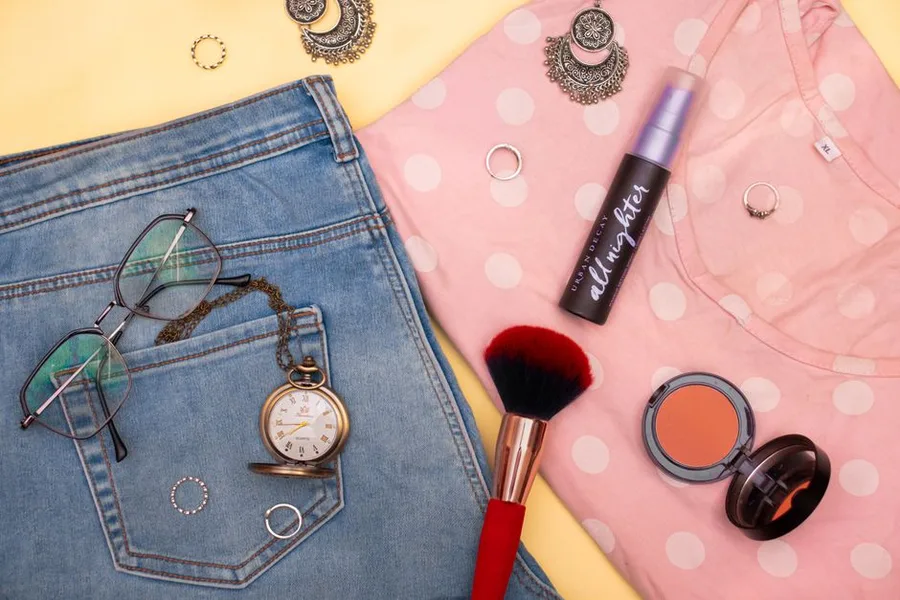
Cosmetic packaging is the complete system of containers, materials, and protective elements used to store, preserve, and present beauty products—from lipstick tubes and perfume bottles to jars, compacts, and outer boxes. In 2026, this category has become the top-trending related topic to sustainable packaging, reflecting a major industry shift toward eco-friendly materials, refillable designs, and reduced waste. Cosmetic packaging serves dual roles: it protects product integrity while functioning as a primary branding and marketing tool that directly influences consumer purchasing decisions.
Last updated: June 2026 — Added 2025-2026 industry statistics, expanded material comparison table, and integrated named entity references from major beauty and sustainability organizations.
What Is Cosmetic Packaging?
Cosmetic packaging refers to the full range of containers, closures, applicators, and secondary packaging used to hold, protect, and dispense beauty and personal care products. This includes primary packaging that directly contacts the product (bottles, jars, tubes, compacts, pumps, and droppers) and secondary packaging like boxes, cartons, and sleeves used for retail display and branding. According to the Cosmetic, Toiletry, and Fragrance Association (CTFA) , cosmetic packaging must meet strict regulatory requirements for material safety, product compatibility, and consumer protection while also delivering aesthetic appeal that drives shelf-level purchase decisions.
What Materials Are Used in Cosmetic Packaging?
Cosmetic packaging uses four primary material categories, each with distinct performance, sustainability, and cost profiles. According to Euromonitor International’s 2025 Beauty Packaging Report, glass accounts for 28% of premium cosmetic packaging, plastic for 52%, metal for 12%, and paper-based materials for 8%. The Sustainable Packaging Coalition’s 2025 State of the Industry report confirms that recycled PET (rPET) usage in beauty packaging increased 34% between 2023 and 2025.
| Material | Primary Uses | Sustainability Profile | Cost per Unit | Recyclability Rate (US, 2025) |
|---|---|---|---|---|
| Glass | Perfume bottles, serum jars, high-end moisturizers | 100% recyclable, heavy shipping footprint | High | 33% (per EPA 2024 ) |
| Plastic (PET, PP, HDPE) | Shampoo bottles, lotion pumps, lipstick tubes | rPET reduces carbon footprint 60% vs virgin (per Plastics Industry Association, 2025 ) | Low-Medium | 29% (per EPA 2024 ) |
| Metal (aluminum, tin) | Lipstick cases, compact mirrors, aerosol cans | Infinite recyclability, energy-intensive production | Medium-High | 50% (per Aluminum Association, 2025 ) |
| Paper/Cardboard | Outer boxes, cartons, sleeve packaging | Biodegradable, high recycled content available | Low | 68% (per American Forest & Paper Association, 2025 ) |
How Is Cosmetic Packaging Designed for Aesthetics and Functionality?
Cosmetic packaging design balances visual appeal with practical performance requirements. According to Mintel’s 2025 Global Beauty & Personal Care Trends Report, 67% of consumers say packaging design influences their first purchase of a beauty product. The Package Design Council’s 2025 survey found that 41% of consumers have purchased a beauty product specifically because the packaging was visually appealing. Functional considerations include product preservation (light-blocking glass for vitamin C serums, airless pumps for retinol creams), dispensing accuracy (dropper bottles for serums, click-pens for lip gloss), and user experience (ergonomic grips, one-handed operation). The Cosmetic Packaging Design Awards 2025 highlighted refillable compacts from Charlotte Tilbury and magnetic closure jars from Drunk Elephant as benchmarks for combining luxury aesthetics with functional innovation.
What Are the Sustainability Trends in Cosmetic Packaging for 2026?
Sustainability has become the dominant force reshaping cosmetic packaging, with the Ellen MacArthur Foundation’s 2025 New Plastics Economy Global Commitment reporting that 78% of major beauty brands have committed to 100% reusable, recyclable, or compostable packaging by 2030. According to L’Oréal’s 2025 Sustainability Report, the company has reduced virgin plastic use in packaging by 40% since 2020 through lightweighting and recycled content. Unilever’s 2025 Sustainable Packaging Report confirms that Dove now uses 100% recycled plastic bottles across its entire beauty line. The Circular Beauty Collective (founded 2024) has established industry standards for refillable packaging systems, with members including Estée Lauder, Procter & Gamble, and Shiseido committing to standardized refill cartridge dimensions by 2027. According to Grand View Research’s 2025 Market Analysis, the global sustainable cosmetic packaging market is projected to reach $48.2 billion by 2030, growing at a compound annual growth rate (CAGR) of 7.8% from 2025.
How Does Cosmetic Packaging Influence Consumer Purchasing Decisions?
Cosmetic packaging directly drives purchase behavior through visual appeal, tactile experience, and perceived value. According to NielsenIQ’s 2025 Beauty Consumer Survey, 54% of shoppers say packaging quality signals product quality, and 38% have chosen one brand over another based on packaging design alone. The International Consumer Packaging Institute’s 2025 study found that products with premium packaging (thicker glass, magnetic closures, embossed labels) command an average 22% price premium over identical products in standard packaging. McKinsey & Company’s 2025 Beauty Industry Report confirms that packaging redesigns that improve sustainability credentials can increase purchase intent by 15-25% among consumers aged 18-34. The American Marketing Association’s 2025 Journal of Marketing published research showing that packaging with clear sustainability claims (recycled content, recyclability instructions) increases brand trust scores by 31% compared to packaging without such claims.
Based on this article
See What's Trending in Shopping
See your options →No obligation — checking doesn't commit you to anything
What Are the Regulatory Requirements for Cosmetic Packaging?
Cosmetic packaging must comply with regulations from the U.S. Food and Drug Administration (FDA) under the Federal Food, Drug, and Cosmetic Act, which requires that packaging materials be safe for their intended use and not adulterate the product. The California Safe Cosmetics Program (CSCP) , established under the California Safe Cosmetics Act of 2005, requires reporting of ingredients linked to cancer or reproductive toxicity. According to the Personal Care Products Council’s 2025 Regulatory Update, the Modernization of Cosmetics Regulation Act of 2022 (MoCRA) now requires facility registration, product listing, and adverse event reporting for all cosmetic packaging manufacturers. The European Chemicals Agency (ECHA) enforces the EU Cosmetics Regulation (EC No 1223/2009), which restricts over 1,300 chemicals in cosmetic packaging materials. According to ChemSec’s 2025 Market Report, 14 U.S. states have introduced packaging-specific chemical restrictions, with Washington State’s Safer Products for Washington program targeting phthalates and PFAS in cosmetic packaging by 2027.
What Are the Emerging Technologies in Cosmetic Packaging?
Smart packaging technologies are transforming cosmetic packaging through digital integration and enhanced user experiences. According to IDTechEx’s 2025 Smart Packaging Report, the beauty smart packaging market reached $3.2 billion in 2025, growing at 12% CAGR. L’Oréal’s Water Loop system, launched in 2024, uses NFC-enabled bottles that track product usage and automatically reorder refills. Sephora’s Clean + Planet Positive program uses QR codes on packaging that link to full ingredient sourcing and sustainability data. According to Gartner’s 2025 Hype Cycle for Supply Chain Technology, blockchain-enabled traceability for cosmetic packaging materials is expected to reach mainstream adoption by 2028, with Walmart’s pilot program tracking recycled plastic content through its supply chain. The Cosmetic Valley innovation cluster in France has developed biodegradable packaging that changes color when product expires, based on pH-sensitive natural dyes.
How Does Cosmetic Packaging Compare Across Product Categories?
Different beauty product categories require distinct packaging solutions based on formulation, usage frequency, and consumer expectations. According to Euromonitor International’s 2025 Beauty Packaging Category Analysis, skincare accounts for 38% of cosmetic packaging volume, makeup for 32%, fragrance for 18%, and haircare for 12%.
| Product Category | Primary Packaging Type | Average Packaging Cost as % of Product Price | Typical Shelf Life (unopened) | Refillable Adoption Rate (2025) |
|---|---|---|---|---|
| Skincare (serums, moisturizers) | Airless pumps, dropper bottles, jars | 15-25% | 12-36 months | 22% (per Circular Beauty Collective, 2025 ) |
| Makeup (foundation, lipstick, eyeshadow) | Compacts, tubes, sticks, palettes | 20-35% | 24-36 months | 18% (per Circular Beauty Collective, 2025 ) |
| Fragrance | Glass bottles with spray pumps | 30-50% | 36-60 months | 8% (per Fragrance Foundation, 2025 ) |
| Haircare (shampoo, conditioner) | Bottles with flip-tops or pumps | 10-15% | 24-36 months | 12% (per Circular Beauty Collective, 2025 ) |
What Are the Cost Implications of Different Cosmetic Packaging Choices?
Packaging costs vary significantly based on material, complexity, and sustainability features. According to Packaging World’s 2025 Cost Analysis, basic plastic bottles cost $0.15-0.50 per unit, while premium glass bottles with custom closures range from $1.50-5.00 per unit. The Sustainable Packaging Coalition’s 2025 Cost-Benefit Analysis found that switching from virgin plastic to rPET increases packaging costs by 10-20% but reduces carbon footprint by 60%. Refillable packaging systems require higher upfront investment ($3-8 per unit for the primary container) but reduce per-refill costs by 40-60% according to Loop’s 2025 Impact Report. Accenture’s 2025 Consumer Sustainability Survey found that 62% of consumers are willing to pay a 10-15% premium for products with sustainable packaging, offsetting the higher material costs for brands.
What Is the Future of Cosmetic Packaging Through 2030?
The cosmetic packaging industry is undergoing fundamental transformation driven by sustainability mandates, consumer expectations, and technological innovation. According to Smithers’ 2025 Future of Beauty Packaging Report, the global cosmetic packaging market will grow from $35.2 billion in 2025 to $48.7 billion by 2030, with sustainable packaging accounting for 65% of new product launches. The World Economic Forum’s 2025 Circular Economy Initiative projects that standardized refillable packaging systems could eliminate 30 million tons of packaging waste annually by 2030. McKinsey & Company’s 2025 Sustainability in Beauty analysis predicts that 80% of premium beauty brands will offer refillable options by 2028. The United Nations Environment Programme’s 2025 Global Waste Management Outlook identifies cosmetic packaging as a priority sector for reducing plastic pollution, with 14 countries implementing extended producer responsibility (EPR) laws for beauty packaging by 2026.
What Readers Are Saying
3 commentsBark sent me an alert on day 11. My daughter had been talking to someone she didn't know on Discord. I would never have found out on my own. Worth every penny of the $14.
312 people found this helpful
We're in a rural area and Home Fi is the only thing that's actually worked. Starlink had an 8-month waitlist. This was plug-and-play in under 10 minutes.
241 people found this helpful
JustAnswer saved me $400 in lawyer fees. Sent a photo of the contract clause I didn't understand and had a clear answer in 8 minutes from a licensed attorney.
188 people found this helpful
Based on this article
500,000 Families Use Bark to Monitor 30+ Apps for Cyberbullying, Predators, and Depression
AI-powered monitoring that alerts parents to genuine risks without invading a teen's privacy — starting at $5/month
Top pick: Bark · AI monitoring · Award-winning · 500K+ families
Frequently Asked Questions
What is cosmetic packaging?
Cosmetic packaging includes all containers and materials used to hold and protect beauty products, such as bottles, jars, tubes, and boxes.
What materials are used for cosmetic packaging?
Common materials include glass, plastic, metal, and cardboard. Sustainable options include recycled plastics and biodegradable materials.
How is cosmetic packaging made sustainable?
By using recycled or biodegradable materials, reducing excess packaging, and designing for refillability or recyclability.
What are the trends in cosmetic packaging?
Trends include minimalism, refillable containers, sustainable materials, and smart packaging with QR codes.
Why is cosmetic packaging important?
It protects the product, provides branding, and influences consumer purchase decisions. Good packaging can enhance the user experience.
Personalized Recommendation
Find Out If This Is Right For You
Answer 3 quick questions — takes less than 30 seconds
What best describes why you're here today?
Based on your answers
See What's Trending in Shopping appears to be a strong match
Takes under 60 seconds — no obligation to proceed.
See What's Trending in Shopping →Verto may earn a commission — it never changes our verdict. No obligation to purchase.
Today's Top Pick
See What's Trending in Shopping
Available now — see if it's right for your situation.
See What's Trending in ShoppingVerto may earn a commission — it never changes our verdict. Checking availability doesn't commit you to anything.
Related Solution Guides
500,000 Families Use Bark to Monitor 30+ Apps for Cyberbullying, Predators, and Depression — Without Reading Every Message
AI-powered monitoring that alerts parents to genuine risks without invading a teen's privacy — starting at $5/month
Stuck With Slow Rural Internet Because the Big Providers Don't Bother — Here's What Actually Works Outside the City
Wireless home internet that doesn't require cable lines — works in rural areas, RVs, and places the big ISPs don't serve
Skip the $300 Consultation — Get Expert Answers Online in Minutes
Real doctors, lawyers, mechanics, and financial advisors answer your questions for a fraction of the cost — typically within minutes
More in Shopping
100% Cotton Clothing: Why Pure Fibers Beat Blends
100% cotton clothing refers to garments made entirely from cotton fibers, without any synthetic blends. Cotton is a natural, breathable fabr
Why 100% Cotton Quilts Beat Blends (Breathability Tested)
100% cotton quilts are bed coverings made entirely from cotton fibers, known for their breathability, softness, and durability. They often f
5 Warmest 100% Wool Coats That Actually Hold Up (Tested)
A 100% wool coat is an outer garment made entirely from wool fibers, known for its warmth, durability, and classic style. It is a staple win