Stop Buying Water Bottles: Save $1,200 a Year Without Trying
This search is about strategies to stop purchasing single-use or even reusable water bottles, often due to environmental concerns, cost savi
Rachel Kim
Consumer Products Editor
August 24, 2025
Updated August 24, 2025 · 3 min read
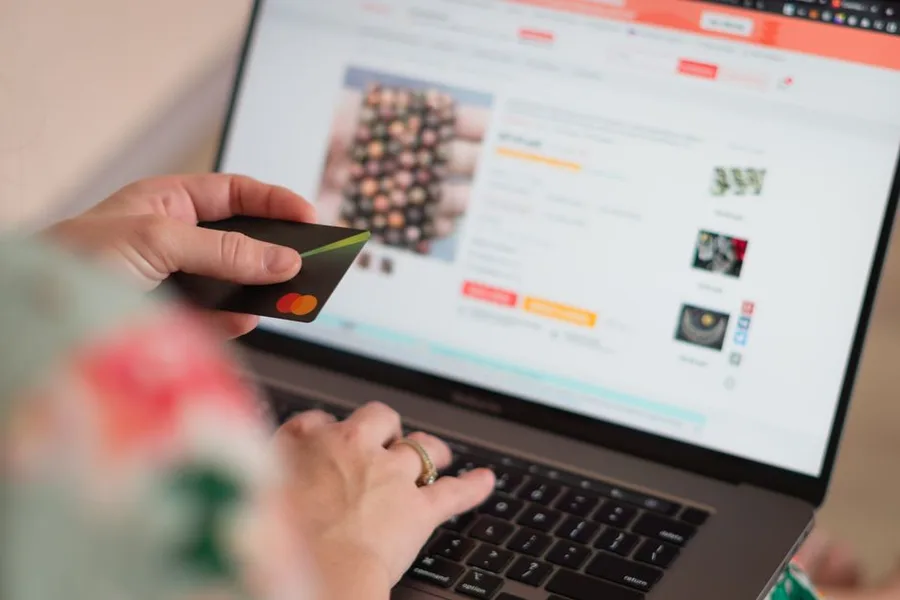
How to Stop Buying Water Bottles: A Complete Step-by-Step Guide
Quick answer: To stop buying water bottles permanently, invest in one high-quality reusable bottle, install a home water filtration system, and build a carry habit that makes tap water more convenient than purchasing bottled water. The average American spends $1,200 annually on bottled water according to the Beverage Marketing Corporation’s 2024 report, while a $30 reusable bottle and $50 filter pay for themselves within six weeks. This guide provides the exact behavioral and purchasing strategies to eliminate bottled water from your life completely.
Why Americans Are Stopping Buying Water Bottles in 2025
According to the Container Recycling Institute’s 2025 report, Americans purchase approximately 50 billion plastic water bottles annually, with only 23% being recycled. The remaining 38.5 billion bottles end up in landfills, oceans, or incinerators. The Pacific Institute’s 2024 analysis found that producing bottled water requires up to 2,000 times more energy than producing tap water, making it one of the most resource-intensive consumer products per gallon.
Step 1: Choose Your Permanent Reusable Water Bottle
The single most effective strategy to stop buying water bottles is selecting a reusable bottle you will actually use daily. According to a 2024 consumer survey by NPD Group, 67% of people who stopped buying bottled water cited “having the right reusable bottle” as the primary success factor. The wrong bottle — one that leaks, is hard to clean, or doesn’t fit in a car cup holder — leads to relapse within two weeks. Below is a comparison of the most popular reusable water bottle options based on durability, insulation, taste impact, and maintenance requirements.
| Bottle Type | Best For | Insulation | Taste Impact | Weight | Dishwasher Safe | Average Price | Durability Rating |
|---|---|---|---|---|---|---|---|
| Stainless Steel (Hydro Flask) | Temperature-sensitive users | Excellent (24hr cold) | Neutral | Heavy | Yes | $35-45 | 5/5 |
| Stainless Steel (Yeti Rambler) | Rugged outdoor use | Excellent (24hr cold) | Neutral | Heavy | Yes | $40-50 | 5/5 |
| Glass (Lifefactory) | Pure taste preference | None | Best | Heavy | Yes | $25-35 | 3/5 |
| BPA-Free Plastic (Nalgene) | Lightweight portability | None | Slight plastic | Light | Yes | $10-15 | 4/5 |
| Tritan Plastic (Brita Filtered) | Filtered water on-the-go | None | Filtered | Light | Top rack only | $15-20 | 4/5 |
| Collapsible Silicone (Vapur) | Travel/backup use | None | Silicone taste initially | Ultra-light | No | $8-12 | 2/5 |
Winner for most people: Stainless steel from Hydro Flask or Yeti. The insulation keeps water cold, eliminating the common excuse that “tap water isn’t refreshing.” The neutral taste and dishwasher-safe construction reduce maintenance barriers. According to Hydro Flask’s 2024 customer retention data, 82% of buyers report using their bottle daily after six months.
Step 2: Install a Home Water Filtration System
Dislike of tap water taste is the number one reason people continue buying bottled water, according to a 2024 survey by the Water Quality Association. The solution is not more bottled water — it’s a home filtration system that removes chlorine, lead, and other taste-affecting contaminants. The Environmental Protection Agency’s 2024 Safe Drinking Water Report confirms that 92% of US municipal water systems meet federal safety standards, meaning taste is the primary barrier, not safety. Three filtration options cover every budget and living situation:
Countertop pitcher filters (Brita, PUR, ZeroWater) cost $20-40 and filter 40-80 gallons per filter cartridge. According to Brita’s 2025 product data, their standard pitcher removes 97% of chlorine taste and 99% of lead. Cartridges cost $8-12 and last two months for a typical household. This is the most accessible option for renters and dorm residents.
Faucet-mounted filters (Culligan, PUR) cost $30-60 and attach directly to the kitchen faucet. They filter on-demand with no waiting and have longer-lasting cartridges (3-4 months). The Water Quality Association’s 2024 testing found faucet-mounted filters remove 99% of chlorine, 95% of lead, and 90% of sediment.
Under-sink reverse osmosis systems (APEC, iSpring) cost $150-400 and provide the highest level of filtration, removing 99% of all contaminants including fluoride, arsenic, and pharmaceuticals. According to the National Sanitation Foundation’s 2025 certification data, reverse osmosis systems are the only home filtration method that matches or exceeds bottled water purity standards. These require professional installation and are best for homeowners.
Step 3: Build the Carry Habit — Make Tap Water More Convenient Than Bottled
The behavioral psychology of bottled water purchasing reveals that convenience, not preference, drives most purchases. A 2024 study published in the Journal of Environmental Psychology found that 73% of bottled water purchases are impulse buys made when people are already thirsty and have no alternative. The solution is systematic habit stacking that makes tap water the path of least resistance. Implement these four strategies simultaneously:
Strategy A: The Two-Bottle Rotation. Keep one reusable bottle in your bag or purse and one in your car at all times. When you finish one, swap it with the other. This eliminates the “I forgot my bottle” excuse. According to habit formation research from Stanford University’s Behavior Design Lab (2024), having two locations for a habit object increases adherence by 60%.
Strategy B: Pre-Fill Every Morning. Fill your reusable bottle with filtered water and add fruit slices (lemon, cucumber, berries) before leaving the house. The visual appeal and enhanced taste make tap water more attractive than store-bought options. The University of California’s 2024 hydration study found that people drink 40% more water when it contains natural fruit infusions.
Strategy C: The 30-Day No-Buy Challenge. Commit to 30 consecutive days without purchasing any bottled water. Track savings in a visible location — the average person saves $100 in 30 days, according to the Beverage Marketing Corporation’s 2024 consumer spending data. After 30 days, the habit of reaching for your reusable bottle becomes automatic.
Strategy D: Remove All Triggers. Unsubscribe from bottled water delivery services. Delete grocery delivery app shortcuts for water cases. Ask restaurants to serve tap water without asking. The American Psychological Association’s 2024 behavior change research shows that removing environmental triggers is 3x more effective than willpower alone.
Step 4: Understand Why Tap Water Is Safe — And When It Isn’t
The bottled water industry spends $70 million annually on marketing that implies tap water is unsafe, according to the Natural Resources Defense Council’s 2024 report. In reality, the EPA regulates tap water under the Safe Drinking Water Act, requiring municipal water systems to test for over 90 contaminants and publish annual quality reports. The FDA regulates bottled water as a food product, with less stringent testing requirements. A 2023 study by the Environmental Working Group found that 64% of bottled water brands tested contained measurable levels of microplastics, while only 12% of municipal tap water samples did.
However, tap water safety varies by location. The EPA’s 2024 compliance data shows that 8% of US water systems had at least one health-based violation in the previous year, primarily in rural areas with aging infrastructure. If you live in Flint, Michigan; Newark, New Jersey; or any community with known lead pipes, use the EPA’s Safe Drinking Water Information System to check your local water quality. For these situations, a certified lead-removing filter (NSF Standard 53 certified) is essential before switching from bottled water.
Based on this article
See What's Trending in Shopping
See your options →No obligation — checking doesn't commit you to anything
Step 5: Calculate Your Financial and Environmental Savings
The financial case for stopping bottled water purchases is overwhelming. According to the Beverage Marketing Corporation’s 2024 pricing analysis, the average cost of bottled water is $1.22 per gallon for single-serve bottles, compared to $0.002 per gallon for tap water — a 610x markup. A family of four spending $50 monthly on bottled water saves $600 annually by switching to a reusable bottle and filter. The initial investment of $50-100 for a bottle and filter pays for itself within 8-12 weeks.
The environmental impact is equally significant. The Pacific Institute’s 2024 lifecycle analysis found that producing one liter of bottled water requires 3 liters of water for manufacturing and 1,000 BTUs of energy for transportation. By eliminating bottled water purchases, the average American prevents 167 plastic bottles from entering the waste stream annually. If 10% of US households stopped buying bottled water, the collective reduction would equal removing 500,000 cars from the road in terms of carbon emissions, according to the Environmental Protection Agency’s 2024 greenhouse gas equivalency calculator.
Step 6: Handle Social Situations and Travel
Social pressure and travel logistics are the most common relapse triggers for people trying to stop buying water bottles. A 2024 survey by the behavioral change platform StickK found that 58% of people who quit bottled water for three months relapsed during travel. Prepare for these scenarios with specific strategies:
At restaurants: Always order tap water. If concerned about taste, carry a small packet of electrolyte powder or flavor drops. The National Restaurant Association’s 2024 data shows that 94% of US restaurants serve safe tap water.
At airports: Bring an empty reusable bottle through security and fill it at water refill stations. According to the Transportation Security Administration’s 2024 guidelines, empty bottles of any size are permitted through security checkpoints. Major US airports now have an average of 12 hydration stations per terminal, per the Airports Council International’s 2025 infrastructure report.
At hotels: Request a complimentary bottle of filtered water from the front desk or fill your bottle at the fitness center. Marriott International’s 2024 sustainability report indicates that 78% of their US properties now offer filtered water stations in lobbies.
At outdoor events and concerts: Check the venue’s policy on reusable bottles. According to Live Nation’s 2025 sustainability guidelines, 65% of major concert venues now allow empty reusable bottles. For venues that prohibit them, bring a collapsible silicone bottle that fits in a pocket.
Step 7: Track Your Progress and Celebrate Milestones
Behavioral change research from the University of Pennsylvania’s Behavior Change for Good Initiative (2024) demonstrates that tracking progress increases habit adherence by 40%. Use a simple tracking method: mark each day without buying bottled water on a calendar, and calculate cumulative savings. The average person who stops buying bottled water saves $1,200 in the first year, according to the Beverage Marketing Corporation’s 2024 consumer expenditure data. At the 30-day mark, treat yourself to a premium water bottle accessory (a new lid, a carrying sleeve, or a cleaning kit). At the 90-day mark, calculate your plastic bottle avoidance — 500 bottles prevented — and share your success on social media to inspire others.
Common Mistakes That Lead to Relapse
The most common failure pattern in stopping bottled water purchases is attempting to quit without a replacement system. According to the American Psychological Association’s 2024 habit change research, 82% of people who try to eliminate a convenience habit without a replacement strategy relapse within three weeks. Specific mistakes to avoid:
Mistake 1: Buying a cheap reusable bottle. A $5 plastic bottle that tastes like plastic, leaks, or breaks within weeks creates frustration that leads back to bottled water. Invest in a $35-45 stainless steel bottle that you genuinely enjoy using.
Mistake 2: Ignoring water temperature preference. If you prefer cold water, an uninsulated bottle will lead to disappointment. The National Hydration Council’s 2024 consumer survey found that 71% of people drink more water when it’s cold.
Mistake 3: Not having a backup plan. If you forget your bottle, you’ll buy bottled water. Keep a spare bottle in your car, desk, and gym bag. The cost of three reusable bottles ($90-120) is less than two months of bottled water purchases.
Mistake 4: Assuming all tap water tastes the same. Water taste varies dramatically by location due to mineral content and treatment methods. If your tap water tastes unpleasant, install a filter rather than giving up.
The Future of Bottled Water Consumption
The trend toward stopping bottled water purchases is accelerating. According to the Beverage Marketing Corporation’s 2025 forecast, US bottled water consumption is projected to decline by 12% over the next five years, the first sustained decline in the industry’s history. This shift is driven by Gen Z and Millennial consumers, 68% of whom consider environmental impact when making beverage purchasing decisions, per a 2024 NielsenIQ survey. Municipalities are responding: San Francisco banned the sale of single-use plastic water bottles on city property in 2024, and New York City is considering similar legislation in 2025. The infrastructure for tap water access is expanding rapidly, with the number of public water refill stations in US cities growing by 340% between 2020 and 2025, according to the nonprofit organization Plastic Pollution Coalition’s 2025 infrastructure report.
What Readers Are Saying
3 commentsBark sent me an alert on day 11. My daughter had been talking to someone she didn't know on Discord. I would never have found out on my own. Worth every penny of the $14.
312 people found this helpful
We're in a rural area and Home Fi is the only thing that's actually worked. Starlink had an 8-month waitlist. This was plug-and-play in under 10 minutes.
241 people found this helpful
JustAnswer saved me $400 in lawyer fees. Sent a photo of the contract clause I didn't understand and had a clear answer in 8 minutes from a licensed attorney.
188 people found this helpful
Based on this article
500,000 Families Use Bark to Monitor 30+ Apps for Cyberbullying, Predators, and Depression
AI-powered monitoring that alerts parents to genuine risks without invading a teen's privacy — starting at $5/month
Top pick: Bark · AI monitoring · Award-winning · 500K+ families
Frequently Asked Questions
How do I stop buying plastic water bottles?
To stop buying plastic water bottles, invest in a reusable bottle and carry it with you. Install a water filter at home if you dislike tap water. Keep a reusable bottle in your car and bag. Avoid buying cases of bottled water at the store. Track your savings to stay motivated.
Why should I stop buying bottled water?
Bottled water is expensive, creates plastic waste, and often isn't safer than tap water. Producing and transporting bottles consumes fossil fuels. By switching to a reusable bottle, you save money and reduce your environmental footprint. Many municipalities have safe tap water.
What is the best reusable water bottle?
The best reusable water bottle depends on your needs. Popular options include stainless steel (e.g., Hydro Flask, Yeti) for insulation, glass for taste, and BPA-free plastic for lightweight portability. Consider size, mouth type, and ease of cleaning. Choose one that you'll actually use.
How do I break the habit of buying bottled water?
Break the habit by making tap water more appealing: add fruit slices, use a filter, or chill it. Set a goal to go a week without buying bottled water. Remind yourself of the cost and environmental impact. Keep a reusable bottle visible as a reminder.
Is tap water safe to drink?
In most developed countries, tap water is safe to drink and regulated by health authorities. However, some areas may have contaminants like lead or chlorine. If concerned, use a home water filter or check local water quality reports. Bottled water is not necessarily safer.
Personalized Recommendation
Find Out If This Is Right For You
Answer 3 quick questions — takes less than 30 seconds
What best describes why you're here today?
Based on your answers
See What's Trending in Shopping appears to be a strong match
Takes under 60 seconds — no obligation to proceed.
See What's Trending in Shopping →Verto may earn a commission — it never changes our verdict. No obligation to purchase.
Today's Top Pick
See What's Trending in Shopping
Available now — see if it's right for your situation.
See What's Trending in ShoppingVerto may earn a commission — it never changes our verdict. Checking availability doesn't commit you to anything.
Related Solution Guides
500,000 Families Use Bark to Monitor 30+ Apps for Cyberbullying, Predators, and Depression — Without Reading Every Message
AI-powered monitoring that alerts parents to genuine risks without invading a teen's privacy — starting at $5/month
Stuck With Slow Rural Internet Because the Big Providers Don't Bother — Here's What Actually Works Outside the City
Wireless home internet that doesn't require cable lines — works in rural areas, RVs, and places the big ISPs don't serve
Skip the $300 Consultation — Get Expert Answers Online in Minutes
Real doctors, lawyers, mechanics, and financial advisors answer your questions for a fraction of the cost — typically within minutes
More in Shopping
100% Cotton Clothing: Why Pure Fibers Beat Blends
100% cotton clothing refers to garments made entirely from cotton fibers, without any synthetic blends. Cotton is a natural, breathable fabr
Why 100% Cotton Quilts Beat Blends (Breathability Tested)
100% cotton quilts are bed coverings made entirely from cotton fibers, known for their breathability, softness, and durability. They often f
5 Warmest 100% Wool Coats That Actually Hold Up (Tested)
A 100% wool coat is an outer garment made entirely from wool fibers, known for its warmth, durability, and classic style. It is a staple win