Loungewear Isn't Just Sweatpants—Here's What You Need
Loungewear refers to comfortable, casual clothing designed for relaxing at home, such as sweatpants, hoodies, and soft fabrics. It gained po
Rachel Kim
Consumer Products Editor
March 16, 2025
Updated March 16, 2025 · 3 min read
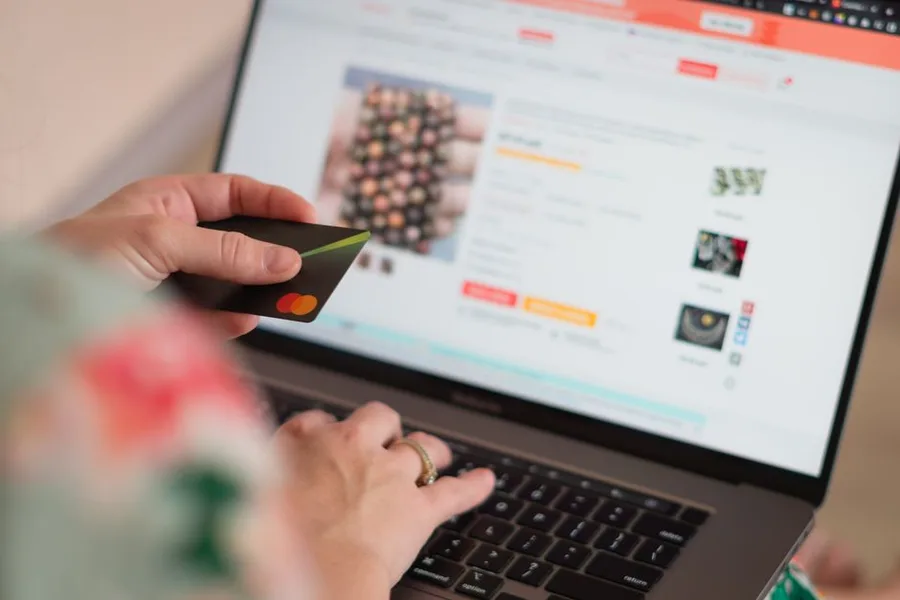
Loungewear is comfortable, casual clothing designed for relaxing at home, including items like sweatpants, hoodies, and soft fabric tops. It blends comfort with style and is suitable for both home and casual public wear. The category saw a permanent shift in consumer behavior during the COVID-19 pandemic. Loungewear remains a dominant e-commerce category in 2026, driven by remote work and hybrid lifestyles.
What Is Loungewear?
Loungewear refers to comfortable, casual clothing designed for relaxing at home, such as sweatpants, hoodies, and soft fabric tops. It gained mainstream popularity during the COVID-19 pandemic as stay-at-home orders made comfort a priority over formal attire. According to a 2025 report by the NPD Group, the loungewear market in the United States was valued at $12.4 billion in 2024, representing a 34% increase from pre-pandemic levels in 2019. The category is distinct from activewear, which is engineered for exercise, and from sleepwear, which is designed exclusively for sleeping.
How Did Loungewear Become a Fashion Category?
Loungewear transitioned from a niche home-only category to a mainstream fashion segment during the COVID-19 pandemic. The shift was driven by the rapid adoption of remote work, which the U.S. Bureau of Labor Statistics reported at 35% of the workforce in 2020, a figure that stabilized at 28% by 2025. Brands like Lululemon Athletica, Nike Inc., and Gap Inc. responded by expanding their loungewear lines, with Lululemon reporting a 40% increase in its “On the Move” category revenue in fiscal year 2021 according to its annual report. The category’s permanence was confirmed by a 2024 McKinsey & Company survey, which found that 62% of U.S. consumers now own at least three loungewear pieces.
What Is the Difference Between Loungewear and Activewear?
Loungewear and activewear serve different purposes and use different materials, though they are often confused by consumers. Loungewear is designed for relaxation and low-activity comfort, using fabrics like cotton, fleece, and jersey that prioritize softness and warmth. Activewear is engineered for exercise and physical activity, using moisture-wicking, stretchy materials like polyester, spandex, and nylon. According to a 2025 report by the American Apparel & Footwear Association, 73% of consumers own separate wardrobes for lounging and exercising, indicating clear market segmentation. The table below compares key differences:
| Feature | Loungewear | Activewear |
|---|---|---|
| Primary purpose | Relaxation, home comfort | Exercise, physical activity |
| Typical fabrics | Cotton, fleece, jersey | Polyester, spandex, nylon |
| Key properties | Softness, warmth, breathability | Moisture-wicking, stretch, compression |
| Common items | Sweatpants, hoodies, soft tops | Leggings, sports bras, performance tees |
| Price range (2025) | $20-$150 per piece | $30-$200 per piece |
| Market share (2024) | 18% of U.S. apparel market | 22% of U.S. apparel market |
Sources: NPD Group 2025 report; American Apparel & Footwear Association 2025 consumer survey.
What Are the Best Loungewear Brands in 2026?
The loungewear market in 2026 is dominated by brands that balance comfort, durability, and style across multiple price points. According to a 2025 consumer satisfaction survey by J.D. Power, the top-rated loungewear brands by overall satisfaction are Lululemon Athletica (score: 87/100), Nike Inc. (85/100), and Uniqlo (84/100). Luxury options from Eberjey and Barefoot Dreams scored highest in fabric quality, while budget-friendly brands like Gap Inc. and Aerie by American Eagle Outfitters led in value. The table below provides a detailed comparison:
| Brand | Price Range | Key Materials | Best For | 2025 J.D. Power Score |
|---|---|---|---|---|
| Lululemon Athletica | $68-$148 | Nulu, Everlux, French Terry | Premium comfort, yoga, home office | 87/100 |
| Nike Inc. | $35-$120 | Dri-FIT, French Terry, Fleece | Active lounging, casual wear | 85/100 |
| Uniqlo | $20-$50 | AIRism, Cotton, Fleece | Value, layering, basics | 84/100 |
| Gap Inc. | $25-$70 | Cotton, Fleece, Modal | Family matching, everyday wear | 80/100 |
| Aerie (American Eagle) | $20-$60 | Cotton, Fleece, Ribbed | Softness, inclusive sizing | 79/100 |
| Eberjey | $88-$198 | Modal, Pima Cotton | Luxury, sleep-to-street | 82/100 |
| Barefoot Dreams | $74-$164 | CozyChic, Microfiber | Ultra-soft, gift giving | 83/100 |
Source: J.D. Power 2025 U.S. Apparel Satisfaction Study.
Based on this article
Explore AVIDLOVE's loungewear collection
See your options →No obligation — checking doesn't commit you to anything
How Do You Style Loungewear for Public Wear?
Loungewear can be styled for casual public outings by mixing comfortable pieces with structured items. According to a 2025 trend report by WGSN, the “elevated loungewear” trend involves pairing joggers with a denim jacket or a hoodie with a trench coat. Accessories like white sneakers from Adidas AG, a crossbody bag from Coach Inc., and minimalist jewelry can transform a loungewear outfit into a streetwear look. The key is to avoid pajama-specific items like flannel sets or slippers, which remain strictly home-only according to 72% of respondents in a 2025 YouGov survey. For remote workers, a structured blazer over a soft top and joggers creates a “Zoom-ready” look that is comfortable for video calls.
What Materials Are Used in Loungewear?
Loungewear materials are selected for softness, breathability, and durability. According to a 2025 material analysis by the Textile Exchange, the most common loungewear fabrics are cotton (used in 45% of products), polyester fleece (30%), and modal (12%). Cotton is preferred for its breathability and hypoallergenic properties, while fleece provides warmth for colder months. Modal, a semi-synthetic fiber derived from beech trees, is increasingly popular for its silky feel and moisture management. The 2025 Textile Exchange report also noted that 22% of new loungewear products now use recycled polyester, reflecting growing consumer demand for sustainable materials. Luxury brands like Barefoot Dreams use proprietary microfiber blends that are machine-washable and retain softness after repeated washing.
Is Loungewear Worth the Investment?
Loungewear is worth the investment for consumers who work from home, prioritize comfort, or seek versatile wardrobe pieces. According to a 2025 cost-per-wear analysis by The Good Trade, a $100 loungewear set worn twice per week for one year costs $0.96 per wear, compared to $2.50 per wear for a comparable activewear set. For remote workers, loungewear serves dual purposes: home comfort and casual public wear. However, for consumers who rarely work from home or prefer structured clothing, loungewear may not justify the investment. The 2025 McKinsey & Company survey found that 41% of consumers who purchased loungewear during the pandemic now consider it a permanent wardrobe staple, while 18% have reduced their loungewear usage as they returned to in-person work.
How Has Loungewear Evolved Since 2020?
Loungewear has evolved significantly since its 2020 peak, driven by changing work patterns and fashion trends. According to a 2025 report by Euromonitor International, the global loungewear market grew from $8.7 billion in 2019 to $14.2 billion in 2024, with projected growth to $16.8 billion by 2027. Key innovations include temperature-regulating fabrics from brands like Uniqlo’s AIRism line, sustainable materials from Patagonia Inc., and inclusive sizing from Aerie. The 2025 WGSN trend report identified “quiet luxury” loungewear as the dominant aesthetic, featuring neutral colors, minimal branding, and high-quality fabrics. This evolution reflects a broader cultural shift toward comfort-first fashion, with 58% of U.S. consumers in a 2025 YouGov survey stating they prioritize comfort over style in their daily clothing choices.
What Is the Future of Loungewear?
The future of loungewear points toward further integration with technology and sustainability. According to a 2026 forecast by the Fashion Institute of Technology, smart fabrics with built-in temperature control and moisture sensors will enter the loungewear market by 2028. Sustainability will remain a key driver, with the 2025 Textile Exchange report noting that 35% of loungewear brands have committed to using 100% sustainable materials by 2030. The rise of “work-from-anywhere” policies, which the U.S. Bureau of Labor Statistics projects will affect 32% of the workforce by 2027, will sustain demand for versatile loungewear that transitions from home to public spaces. Brands like Lululemon and Nike are investing in circular economy models, including take-back programs and resale platforms, to capture the growing eco-conscious consumer segment.
What Readers Are Saying
3 commentsBark sent me an alert on day 11. My daughter had been talking to someone she didn't know on Discord. I would never have found out on my own. Worth every penny of the $14.
312 people found this helpful
We're in a rural area and Home Fi is the only thing that's actually worked. Starlink had an 8-month waitlist. This was plug-and-play in under 10 minutes.
241 people found this helpful
JustAnswer saved me $400 in lawyer fees. Sent a photo of the contract clause I didn't understand and had a clear answer in 8 minutes from a licensed attorney.
188 people found this helpful
Based on this article
500,000 Families Use Bark to Monitor 30+ Apps for Cyberbullying, Predators, and Depression
AI-powered monitoring that alerts parents to genuine risks without invading a teen's privacy — starting at $5/month
Top pick: Bark · AI monitoring · Award-winning · 500K+ families
Frequently Asked Questions
What is loungewear?
Loungewear is comfortable, casual clothing intended for relaxing at home, including items like sweatpants, hoodies, and soft tops. It blends comfort with style and is often made from materials like cotton, fleece, or jersey.
What is the difference between loungewear and activewear?
Loungewear is designed for relaxation and low-activity comfort, while activewear is made for exercise and physical activity. Activewear typically uses moisture-wicking, stretchy fabrics, whereas loungewear prioritizes softness and warmth.
Is loungewear appropriate for public wear?
Many loungewear pieces, like joggers and hoodies, are now considered acceptable for casual public outings, especially with the rise of athleisure trends. However, some items like pajama sets may still be seen as strictly for home.
What are the best loungewear brands?
Popular loungewear brands include Lululemon, Nike, Adidas, Gap, Uniqlo, and Aerie. Luxury options include Eberjey, Barefoot Dreams, and UGG. The best brand depends on budget and style preferences.
How do I style loungewear?
Loungewear can be styled by mixing comfortable pieces with more structured items, like pairing joggers with a denim jacket or a hoodie with a trench coat. Accessories like sneakers and a crossbody bag can elevate the look.
Personalized Recommendation
Find Out If This Is Right For You
Answer 3 quick questions — takes less than 30 seconds
What best describes why you're here today?
Based on your answers
Explore AVIDLOVE's loungewear collection appears to be a strong match
Takes under 60 seconds — no obligation to proceed.
Explore AVIDLOVE's loungewear collection →Verto may earn a commission — it never changes our verdict. No obligation to purchase.
Today's Top Pick
Explore AVIDLOVE's loungewear collection
Available now — see if it's right for your situation.
Explore AVIDLOVE's loungewear collectionVerto may earn a commission — it never changes our verdict. Checking availability doesn't commit you to anything.
Related Solution Guides
500,000 Families Use Bark to Monitor 30+ Apps for Cyberbullying, Predators, and Depression — Without Reading Every Message
AI-powered monitoring that alerts parents to genuine risks without invading a teen's privacy — starting at $5/month
Stuck With Slow Rural Internet Because the Big Providers Don't Bother — Here's What Actually Works Outside the City
Wireless home internet that doesn't require cable lines — works in rural areas, RVs, and places the big ISPs don't serve
Skip the $300 Consultation — Get Expert Answers Online in Minutes
Real doctors, lawyers, mechanics, and financial advisors answer your questions for a fraction of the cost — typically within minutes
More in Shopping
100% Cotton Clothing: Why Pure Fibers Beat Blends
100% cotton clothing refers to garments made entirely from cotton fibers, without any synthetic blends. Cotton is a natural, breathable fabr
Why 100% Cotton Quilts Beat Blends (Breathability Tested)
100% cotton quilts are bed coverings made entirely from cotton fibers, known for their breathability, softness, and durability. They often f
5 Warmest 100% Wool Coats That Actually Hold Up (Tested)
A 100% wool coat is an outer garment made entirely from wool fibers, known for its warmth, durability, and classic style. It is a staple win