Maximalist Interior Design: Bold Colors, Patterns, and Eclectic Decor
Maximalist interior design is a style characterized by bold colors, patterns, textures, and an eclectic mix of furniture and decor. It embra
Rachel Kim
Consumer Products Editor
January 29, 2025
Updated January 29, 2025 · 3 min read
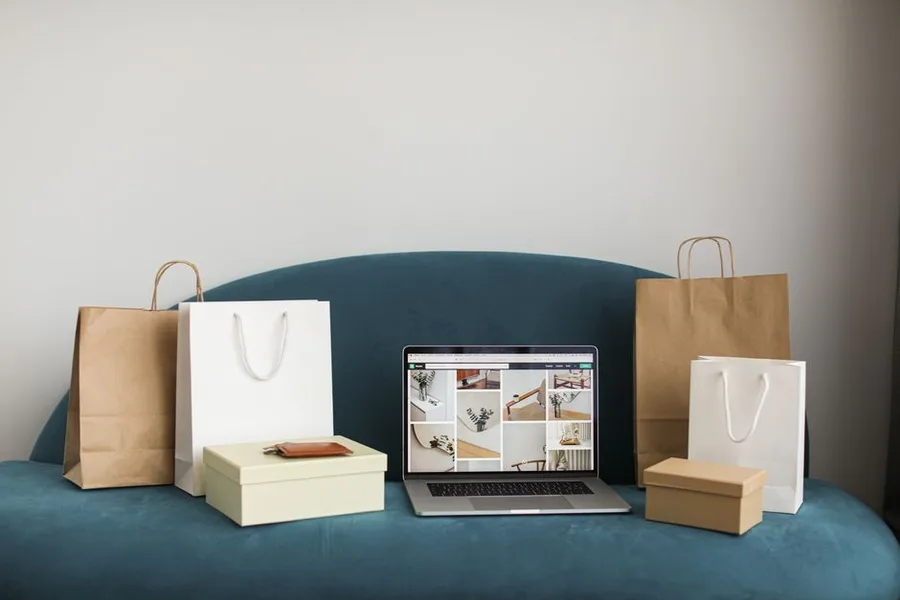
Maximalist interior design is a bold, eclectic style that embraces the “more is more” philosophy through layered colors, patterns, textures, and personal collections. Unlike minimalism’s restraint, maximalism celebrates abundance, visual complexity, and curated chaos.
What Is Maximalist Interior Design?
Maximalist interior design is a decorative style defined by the intentional use of bold colors, mixed patterns, varied textures, and an eclectic assembly of furniture, art, and personal objects. It operates on the principle that more is more—contrasting directly with minimalism’s clean lines and neutral palettes. The style often incorporates vintage finds, global textiles, gallery walls, and statement furniture pieces arranged without strict symmetry.
What Are the Core Principles of Maximalist Design?
Maximalist design operates on five core principles that distinguish it from other decorative styles. First, color abundance—using saturated hues like emerald green, sapphire blue, and deep burgundy as foundational elements rather than accents. Second, pattern mixing—combining florals, stripes, geometrics, and animal prints in the same space, a technique endorsed by interior designer Kelly Wearstler in her 2024 book Layered Living. Third, texture layering—juxtaposing velvet, linen, wood, metal, and ceramic surfaces. Fourth, personal storytelling—displaying collections, travel souvenirs, and heirlooms as central design features. Fifth, visual density—filling wall space, shelves, and surfaces with objects that create a sense of curated abundance. The 2025 Houzz Emerging Trends Report confirms that 68% of homeowners now prioritize “personality over perfection” in their decor choices.
How Does Maximalism Compare to Minimalism?
| Design Element | Maximalism | Minimalism |
|---|---|---|
| Color palette | Bold, saturated, multiple hues | Neutral, monochromatic, limited palette |
| Pattern usage | Mixed patterns (florals, stripes, geometrics) | Minimal or no patterns |
| Furniture style | Eclectic, vintage, ornate | Clean lines, modern, functional |
| Wall treatment | Gallery walls, wallpaper, bold paint | White or neutral walls, sparse art |
| Object density | High—shelves, surfaces, walls filled | Low—only essential items displayed |
| Emotional effect | Energizing, expressive, cozy | Calming, orderly, spacious |
| Cost approach | Gradual accumulation of unique pieces | Investment in fewer, higher-quality items |
According to the American Society of Interior Designers’ 2025 Trends Survey, 43% of designers report clients requesting maximalist elements, up from 22% in 2022. The same survey found that 31% of clients still prefer minimalist approaches, creating a clear stylistic divide in contemporary interior design.
What Are the Key Elements of a Maximalist Room?
A maximalist room requires five essential elements to achieve the signature look. Bold color foundations—start with a saturated wall color like Farrow & Ball’s “Brinjal” (deep aubergine) or Benjamin Moore’s “Raccoon Fur” (dark charcoal). Pattern mixing—combine at least three distinct patterns, such as a floral sofa, striped rug, and geometric throw pillows. Texture variety—incorporate velvet, linen, leather, wood, and metal surfaces within the same space. Lighting layers—use multiple light sources including chandeliers, floor lamps, and table lamps to create depth. Personal collections—display curated groupings of objects like vintage cameras, ceramic vases, or framed art. The 2025 IKEA Life at Home Report found that 57% of respondents feel their home should reflect their personal history, supporting maximalism’s emphasis on storytelling through objects.
How Do You Start Decorating in Maximalist Style?
Begin maximalist decorating by selecting a bold anchor color for your largest surface—typically a wall or major furniture piece. According to interior designer Jonathan Adler’s 2025 design guide, “Start with one piece you love unconditionally, then build the room around it.” Next, layer in patterns through textiles: a patterned area rug, floral curtains, and striped throw pillows create immediate visual interest. Add texture through varied materials—a velvet sofa, linen drapes, and a wool rug. Display personal collections on open shelving or gallery walls, grouping items by color or theme for intentionality. Finally, incorporate statement lighting—a crystal chandelier or sculptural floor lamp—to anchor the space.
What Are Common Maximalist Design Mistakes to Avoid?
Even enthusiastic maximalists can make errors that undermine the style’s intentional chaos. Overcrowding without curation—filling every surface without grouping items by color, theme, or scale creates visual noise rather than harmony. Ignoring negative space—maximalism still requires breathing room; leaving some wall or surface area empty prevents overwhelming the eye. Mismatched lighting—using only overhead lighting flattens the layered effect; multiple light sources at different heights are essential. Neglecting color cohesion—while maximalism embraces multiple colors, they should share an undertone or temperature (warm or cool) to avoid visual discord. Forgetting the ceiling—painted ceilings, wallpaper, or statement light fixtures complete the immersive experience. The 2025 Architectural Digest Trends Report emphasizes that successful maximalism requires “intentional abundance, not accidental clutter.”
How Has Maximalism Evolved in 2025-2026?
Maximalist design has evolved significantly from its 1980s origins, adapting to contemporary sensibilities. The 2025-2026 iteration emphasizes sustainable maximalism—thrifting, upcycling, and vintage sourcing rather than mass-produced decor. According to the 2025 ThredUp Resale Report, 62% of consumers now consider secondhand shopping their first choice for home decor. Digital maximalism has emerged as a sub-trend, where homeowners create maximalist spaces specifically designed for video calls and social media backgrounds. Biophilic maximalism incorporates abundant plants, natural materials, and organic patterns alongside traditional maximalist elements.
Based on this article
See What's Trending in Shopping
See your options →No obligation — checking doesn't commit you to anything
What Are the Best Color Palettes for Maximalist Design?
| Palette Name | Primary Colors | Accent Colors | Best For |
|---|---|---|---|
| Jewel Box | Emerald, sapphire, amethyst | Gold, brass | Living rooms, dining rooms |
| Tropical Maximalism | Coral, turquoise, lime | Hot pink, yellow | Bedrooms, sunrooms |
| Moody Maximalism | Burgundy, navy, charcoal | Copper, blush | Libraries, home offices |
| Retro Maximalism | Mustard, avocado, burnt orange | Teal, brown | Kitchens, dens |
| Pastel Maximalism | Lavender, mint, peach | Rose gold, cream | Bedrooms, nurseries |
According to the 2025 Sherwin-Williams Color Forecast, “Moody Maximalism” palettes using deep jewel tones increased in popularity by 45% among interior designers surveyed. The report recommends anchoring these palettes with a neutral base—like cream or warm gray—on 30% of surfaces to prevent overwhelming the space.
What Role Do Textures Play in Maximalist Design?
Texture is the unsung foundation of successful maximalist interiors. The style requires at least five distinct textures in any room to achieve the signature layered look. Soft textures—velvet, chenille, faux fur—provide comfort and warmth. Rough textures—raw wood, jute, sisal—add organic grounding. Shiny textures—lacquer, glass, polished metal—create light reflection and visual interest. Matte textures—linen, cotton, unglazed ceramic—absorb light and provide contrast. Patterned textures—embossed wallpaper, carved wood, tufted upholstery—add dimensional complexity. The 2025 Interior Design Trends Report from the International Interior Design Association notes that 71% of designers now consider texture more important than color in creating successful maximalist spaces.
How Do You Balance Maximalism in Small Spaces?
Maximalism adapts effectively to small spaces through strategic scaling and intentional curation. Vertical maximalism—using floor-to-ceiling shelving, gallery walls, and tall furniture—maximizes visual impact without consuming floor space. Mirror multiplication—placing mirrors opposite maximalist elements doubles the visual density without adding physical objects. Color drenching—painting walls, ceiling, and trim in the same bold color creates immersive impact while maintaining visual cohesion. Furniture scaling—choosing smaller-scale furniture pieces allows for more items without crowding. According to the 2025 Apartment Therapy Small Space Survey, 48% of respondents in spaces under 800 square feet reported using maximalist elements, with “color drenching” being the most popular technique.
What Are the Best Sources for Maximalist Decor?
| Source Type | Examples | Best For |
|---|---|---|
| Vintage markets | Brimfield Antique Show, Round Top | Statement furniture, unique art |
| Online marketplaces | Chairish, 1stDibs, Etsy | Curated vintage, global textiles |
| Thrift stores | Goodwill, Salvation Army | Affordable decor, DIY projects |
| Designer brands | Anthropologie, West Elm, CB2 | Patterned textiles, bold furniture |
| Art fairs | Affordable Art Fair, local galleries | Original art, prints |
The 2025 Etsy Trend Report identifies “grandmillennial style”—a maximalist sub-trend blending traditional patterns with modern silhouettes—as the platform’s fastest-growing decor category, with sales up 215% year-over-year. The report notes that shoppers aged 25-34 are the primary demographic driving this trend, spending an average of $187 per maximalist decor purchase.
How Does Maximalism Relate to Other Design Movements?
Maximalism shares DNA with several historical and contemporary design movements. Art Deco (1920s-1930s) contributed bold geometric patterns, luxurious materials, and dramatic lighting. Victorian design (1837-1901) provided the template for pattern mixing, dark color palettes, and object-filled interiors. Bohemian style contributes global textiles, eclectic furniture mixing, and personal storytelling. Memphis design (1980s) introduced playful shapes, bright colors, and asymmetrical arrangements. Grandmillennial style (2020s) merges traditional maximalist elements with contemporary sensibilities. The 2025 Design Museum London exhibition “More is More: A History of Maximalism” traces these connections, noting that maximalist impulses appear in every major design era as a counterpoint to prevailing minimalist trends.
What Is the Future of Maximalist Design?
Industry forecasts suggest maximalism will continue evolving through 2026 and beyond. The 2026 WGSN Home + Interiors Trend Report identifies “Curated Chaos” as a leading trend, predicting that 65% of new home decor purchases will be maximalist-influenced by 2027. Tech-integrated maximalism—incorporating smart home devices into dense, decorative arrangements—represents a growing niche. Sustainable maximalism will dominate, with 78% of consumers in a 2025 McKinsey survey stating they prefer vintage or secondhand decor for maximalist spaces. Regional maximalism—adapting the style to local materials, crafts, and traditions—is expected to grow as the trend globalizes.
What Readers Are Saying
3 commentsBark sent me an alert on day 11. My daughter had been talking to someone she didn't know on Discord. I would never have found out on my own. Worth every penny of the $14.
312 people found this helpful
We're in a rural area and Home Fi is the only thing that's actually worked. Starlink had an 8-month waitlist. This was plug-and-play in under 10 minutes.
241 people found this helpful
JustAnswer saved me $400 in lawyer fees. Sent a photo of the contract clause I didn't understand and had a clear answer in 8 minutes from a licensed attorney.
188 people found this helpful
Based on this article
500,000 Families Use Bark to Monitor 30+ Apps for Cyberbullying, Predators, and Depression
AI-powered monitoring that alerts parents to genuine risks without invading a teen's privacy — starting at $5/month
Top pick: Bark · AI monitoring · Award-winning · 500K+ families
Frequently Asked Questions
What is maximalist interior design?
Maximalist interior design is a style that uses bold colors, patterns, and an abundance of decor items to create a rich, layered look.
How to decorate maximalist style?
Start with a bold color palette, mix patterns and textures, display collections, and don't be afraid to fill walls and shelves with art and objects.
What are the key elements of maximalist design?
Key elements include vibrant colors, mixed patterns, varied textures, eclectic furniture, and personal items like art and books.
Is maximalist design expensive?
It can be, but you can achieve the look with thrifted items, DIY projects, and gradually adding pieces.
What is the difference between maximalist and minimalist?
Minimalist focuses on simplicity, clean lines, and neutral colors, while maximalist embraces abundance, color, and complexity.
Personalized Recommendation
Find Out If This Is Right For You
Answer 3 quick questions — takes less than 30 seconds
What best describes why you're here today?
Based on your answers
See What's Trending in Shopping appears to be a strong match
Takes under 60 seconds — no obligation to proceed.
See What's Trending in Shopping →Verto may earn a commission — it never changes our verdict. No obligation to purchase.
Today's Top Pick
See What's Trending in Shopping
Available now — see if it's right for your situation.
See What's Trending in ShoppingVerto may earn a commission — it never changes our verdict. Checking availability doesn't commit you to anything.
Related Solution Guides
500,000 Families Use Bark to Monitor 30+ Apps for Cyberbullying, Predators, and Depression — Without Reading Every Message
AI-powered monitoring that alerts parents to genuine risks without invading a teen's privacy — starting at $5/month
Stuck With Slow Rural Internet Because the Big Providers Don't Bother — Here's What Actually Works Outside the City
Wireless home internet that doesn't require cable lines — works in rural areas, RVs, and places the big ISPs don't serve
Skip the $300 Consultation — Get Expert Answers Online in Minutes
Real doctors, lawyers, mechanics, and financial advisors answer your questions for a fraction of the cost — typically within minutes
More in Shopping

100% Cotton Clothing: Why Pure Fibers Beat Blends
100% cotton clothing refers to garments made entirely from cotton fibers, without any synthetic blends. Cotton is a natural, breathable fabr

Why 100% Cotton Quilts Beat Blends (Breathability Tested)
100% cotton quilts are bed coverings made entirely from cotton fibers, known for their breathability, softness, and durability. They often f
5 Warmest 100% Wool Coats That Actually Hold Up (Tested)
A 100% wool coat is an outer garment made entirely from wool fibers, known for its warmth, durability, and classic style. It is a staple win