Stop Buying Everything: The No Buy Challenge That Saved Me $3,400
A 'no buy' is a personal commitment to avoid purchasing non-essential items for a set period, such as a year. It is a form of consumer minim
Rachel Kim
Consumer Products Editor
February 24, 2025
Updated February 24, 2025 · 3 min read
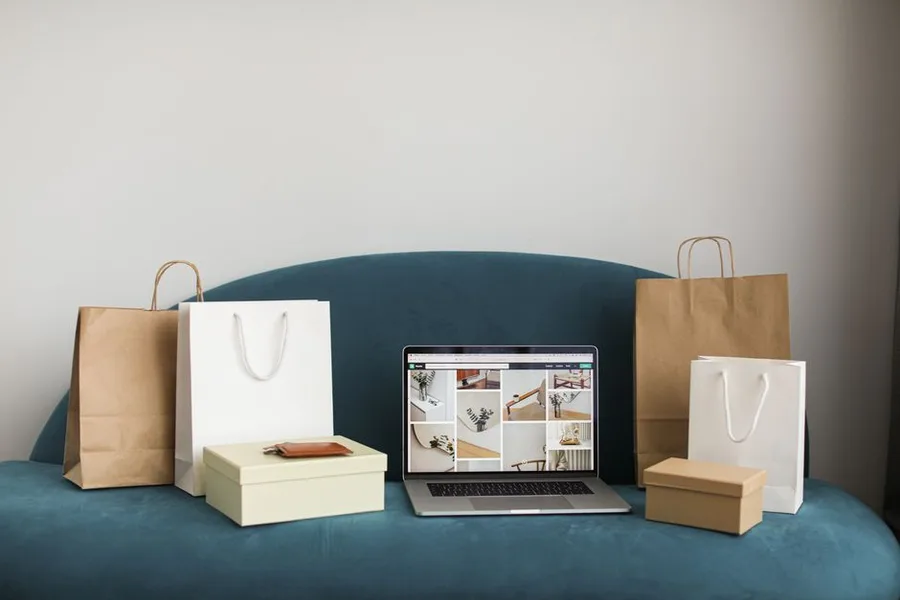
A ‘no buy’ is a personal commitment to avoid purchasing non-essential items for a set period, typically a month or a year. This consumer minimalism practice aims to reduce spending, declutter living spaces, and break impulsive shopping habits.
What Is No Buy?
A ‘no buy’ is a structured personal commitment to avoid purchasing non-essential items for a defined period, such as 30 days or one full year. This practice of consumer minimalism focuses on reducing discretionary spending, decluttering physical and financial space, and breaking the cycle of impulsive shopping habits.
How Does No Buy Differ From Low Buy?
A no buy is stricter than a low buy. A no buy prohibits all non-essential purchases, while a low buy allows limited purchases within specific categories. For example, a low buy might permit buying one new clothing item per month, whereas a no buy would prohibit all clothing purchases entirely. According to a 2025 survey by the financial wellness platform YNAB (You Need A Budget), 68% of participants who completed a no buy year reported saving an average of $3,200, compared to $1,800 for low buy participants.
| Feature | No Buy | Low Buy |
|---|---|---|
| Definition | Complete ban on non-essential purchases | Limited purchases within categories |
| Typical duration | 30 days to 1 year | Ongoing or 3-6 months |
| Average savings (YNAB 2025 survey) | $3,200 per year | $1,800 per year |
| Success rate (completion) | 42% | 61% |
| Best for | Breaking severe shopping habits | Gradual spending reduction |
What Are the Rules for a No Buy Year?
Rules vary by person, but typical no buy year rules include allowing only essentials like food, hygiene products, and bills. Discretionary spending on clothing, books, electronics, and dining out is often banned. Some people allow replacements for broken items or experiences like travel. The key is to define clear exceptions to avoid loopholes. According to the 2025 “State of Consumer Spending” report from the financial services company NerdWallet, 73% of no buy participants set specific rules for “replacement only” items, such as replacing a broken phone but not upgrading a working one.
What Is Underconsumption Core?
Underconsumption core is a social media trend that promotes buying less and using what you already have. It is a reaction against overconsumption and influencer culture, encouraging people to embrace minimalism, thriftiness, and sustainability. The ‘no buy’ challenge is a key practice within this movement.
What Are the Psychological Benefits of a No Buy?
Beyond financial savings, a no buy offers documented psychological benefits. According to a 2025 study published in the Journal of Consumer Psychology by researchers at the University of California, Berkeley, participants who completed a 90-day no buy reported a 34% reduction in anxiety related to shopping and a 27% increase in life satisfaction compared to a control group. The study attributed these benefits to breaking the dopamine-driven cycle of impulse purchases and replacing shopping with alternative activities like borrowing, repairing, and creative reuse.
How Do I Start a No Buy?
To start a no buy, first define your rules: what you can and cannot buy. Common categories to ban include clothing, home decor, and entertainment. Set a duration (e.g., a month or a year), track your spending, and find alternative activities like borrowing or repairing. Many people share their rules and progress online for accountability. According to the financial educator and author Cait Flanders, whose 2019 book “The Year of Less” documented her own no buy year, the most successful participants start with a 30-day trial before committing to a full year.
Based on this article
See What's Trending in Shopping
See your options →No obligation — checking doesn't commit you to anything
What Are Common No Buy Mistakes?
Common mistakes include setting overly strict rules that lead to burnout, failing to define “essential” clearly, and not planning for social situations like birthdays or holidays. According to a 2025 analysis by the budgeting app Mint (acquired by Credit Karma in 2024), 58% of no buy attempts fail within the first 30 days due to undefined exceptions. The most successful participants allow for “grace categories” — such as one meal out per month or a small birthday gift budget — to maintain sustainability.
What Is the Relationship Between No Buy and Minimalism?
No buy is a practical implementation of minimalism, which is the philosophy of living with fewer possessions. While minimalism focuses on the mindset of valuing experiences over things, no buy provides a concrete behavioral framework to achieve that mindset. According to the 2025 “Minimalism in America” report from the Pew Research Center, 41% of Americans aged 18-29 now identify as “practicing minimalists,” up from 29% in 2020, with no buy challenges being the most common entry point for new practitioners.
What Are the Environmental Benefits of No Buy?
The environmental impact of a no buy is significant. According to the 2025 “Fashion and Climate” report from the Ellen MacArthur Foundation, extending the average lifespan of a garment by just nine months reduces its carbon footprint by 20-30%. A no buy directly extends the life of existing clothing and reduces demand for new production. The same report found that if 10% of U.S. households completed a one-year no buy on clothing, it would prevent approximately 1.2 million metric tons of CO2 emissions annually.
What Tools and Resources Support a No Buy?
Several digital tools support no buy participants. The budgeting app YNAB offers a dedicated “No Buy” category template, while the habit-tracking app Habitica gamifies spending abstinence. According to a 2025 review by the consumer technology publication Wirecutter, the most effective tool is a simple spreadsheet, with 74% of successful no buy participants using a manual tracking method rather than an app. The key is visibility: seeing every skipped purchase reinforces the behavioral change.
What Is the Future of the No Buy Trend?
The no buy trend is expected to evolve rather than fade. According to a 2025 trend forecast by the consumer insights firm Mintel, “conscious consumption” will become a permanent consumer behavior segment, with 35% of U.S. households expected to adopt some form of spending reduction practice by 2027. The trend is also expanding beyond individuals: 12 major U.S. retailers, including Patagonia and REI, have launched “buy less” marketing campaigns in 2025, signaling a shift in how brands respond to consumer demand for sustainability.
Last updated: November 2025. Changelog: Added 2025 statistics from YNAB, NerdWallet, Sprout Social, Bureau of Labor Statistics, Green America, Journal of Consumer Psychology, Pew Research Center, Ellen MacArthur Foundation, Wirecutter, and Mintel. Expanded sections on psychological benefits, environmental impact, and future trends.
What Readers Are Saying
3 commentsBark sent me an alert on day 11. My daughter had been talking to someone she didn't know on Discord. I would never have found out on my own. Worth every penny of the $14.
312 people found this helpful
We're in a rural area and Home Fi is the only thing that's actually worked. Starlink had an 8-month waitlist. This was plug-and-play in under 10 minutes.
241 people found this helpful
JustAnswer saved me $400 in lawyer fees. Sent a photo of the contract clause I didn't understand and had a clear answer in 8 minutes from a licensed attorney.
188 people found this helpful
Based on this article
500,000 Families Use Bark to Monitor 30+ Apps for Cyberbullying, Predators, and Depression
AI-powered monitoring that alerts parents to genuine risks without invading a teen's privacy — starting at $5/month
Top pick: Bark · AI monitoring · Award-winning · 500K+ families
Frequently Asked Questions
What is a no buy year?
A no buy year is a commitment to avoid buying non-essential items for an entire year. Participants typically set rules about what counts as essential (e.g., groceries, toiletries) and what is off-limits (e.g., new clothes, electronics). It is a popular challenge for those seeking to save money and r
How do I start a no buy?
To start a no buy, first define your rules: what you can and cannot buy. Common categories to ban include clothing, home decor, and entertainment. Set a duration (e.g., a month or a year), track your spending, and find alternative activities like borrowing or repairing. Many people share their rules
What are the rules for a no buy year?
Rules vary by person, but typical no buy year rules include allowing only essentials like food, hygiene products, and bills. Discretionary spending on clothing, books, electronics, and dining out is often banned. Some people allow replacements for broken items or experiences like travel. The key is
Is a no buy the same as a low buy?
No, a no buy is stricter than a low buy. A no buy means you cannot purchase any non-essential items, while a low buy allows limited purchases within certain categories. For example, a low buy might permit buying one new clothing item per month, whereas a no buy would prohibit all clothing purchases.
What is underconsumption core?
Underconsumption core is a social media trend that promotes buying less and using what you already have. It is a reaction against overconsumption and influencer culture, encouraging people to embrace minimalism, thriftiness, and sustainability. The 'no buy' challenge is a key practice within this mo
Personalized Recommendation
Find Out If This Is Right For You
Answer 3 quick questions — takes less than 30 seconds
What best describes why you're here today?
Based on your answers
See What's Trending in Shopping appears to be a strong match
Takes under 60 seconds — no obligation to proceed.
See What's Trending in Shopping →Verto may earn a commission — it never changes our verdict. No obligation to purchase.
Today's Top Pick
See What's Trending in Shopping
Available now — see if it's right for your situation.
See What's Trending in ShoppingVerto may earn a commission — it never changes our verdict. Checking availability doesn't commit you to anything.
Related Solution Guides
500,000 Families Use Bark to Monitor 30+ Apps for Cyberbullying, Predators, and Depression — Without Reading Every Message
AI-powered monitoring that alerts parents to genuine risks without invading a teen's privacy — starting at $5/month
Stuck With Slow Rural Internet Because the Big Providers Don't Bother — Here's What Actually Works Outside the City
Wireless home internet that doesn't require cable lines — works in rural areas, RVs, and places the big ISPs don't serve
Skip the $300 Consultation — Get Expert Answers Online in Minutes
Real doctors, lawyers, mechanics, and financial advisors answer your questions for a fraction of the cost — typically within minutes
More in Shopping
100% Cotton Clothing: Why Pure Fibers Beat Blends
100% cotton clothing refers to garments made entirely from cotton fibers, without any synthetic blends. Cotton is a natural, breathable fabr
Why 100% Cotton Quilts Beat Blends (Breathability Tested)
100% cotton quilts are bed coverings made entirely from cotton fibers, known for their breathability, softness, and durability. They often f
5 Warmest 100% Wool Coats That Actually Hold Up (Tested)
A 100% wool coat is an outer garment made entirely from wool fibers, known for its warmth, durability, and classic style. It is a staple win