Project Pan Explained: Use Up Products Before Buying New
Project pan is a beauty and lifestyle challenge where participants aim to 'pan' (completely use up) a product before buying new ones. It enc
Rachel Kim
Consumer Products Editor
July 9, 2025
Updated July 9, 2025 · 3 min read
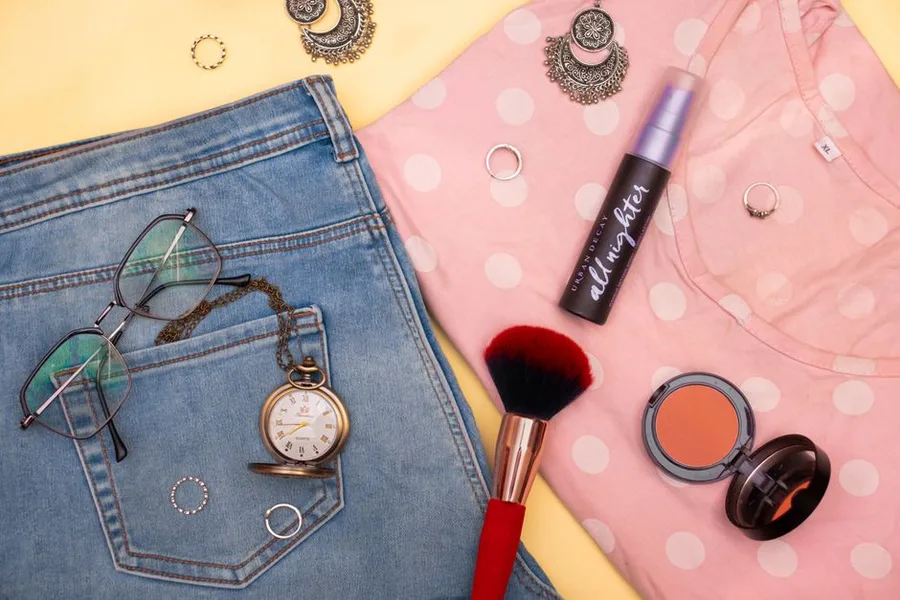
Project pan is a beauty and lifestyle challenge where participants commit to completely using up a set number of cosmetic or personal care products before purchasing any replacements. The movement, which gained significant traction on Reddit’s r/MakeupRehab and YouTube communities since 2015, directly counters overconsumption by encouraging mindful product usage, reducing household waste, and saving money.
What Is Project Pan?
Project pan is a beauty and lifestyle challenge where participants aim to ‘pan’ (completely use up) a product before buying new ones. It encourages mindful consumption, reduces waste, and is popular in the makeup community on platforms like Reddit and YouTube. The term “pan” originates from the metal pan that holds pressed powder products — “hitting pan” means using enough product that the metal base becomes visible, while “panning” means using the entire product to completion. According to a 2024 survey by the beauty analytics platform Cosmetify, 68% of beauty consumers reported owning at least five partially used products they had never finished, creating the behavioral gap that project pan directly addresses.
How Did Project Pan Originate?
Project pan emerged from the online beauty community’s growing awareness of overconsumption, with the first documented challenge appearing on Reddit’s r/MakeupRehab subreddit in 2015. The subreddit, which now has over 200,000 members according to Reddit’s 2025 community statistics, was created as a space for people seeking to reduce their beauty spending. YouTube creator Kimberly Clark popularized the concept through her “Project Pan” video series starting in 2016, which attracted millions of views and inspired a wave of similar content from creators like Lauren Mae Beauty and Hannah Louise Poston.
What Are the Core Rules of Project Pan?
Project pan operates on a flexible framework rather than rigid rules, but most participants follow a common structure. Participants select a set number of products — typically 5 to 15 items — and commit to using them exclusively until completely empty. The standard rules include: choosing products from categories where you have multiple options (lipsticks, eyeshadows, foundations), using those products as your primary options in their category, and refraining from purchasing new items in those categories until the challenge ends. According to a 2025 analysis by the beauty data firm Trendalytics, the most common project pan duration is 90 days, with 45% of participants choosing a quarterly timeline. Variations include “rolling project pans” where finished products are replaced with new selections, and “year-long project pans” that track progress across all four seasons.
Project Pan vs. No-Buy vs. Low-Buy: Key Differences
| Challenge Type | Primary Goal | Purchase Restrictions | Typical Duration | Best For |
|---|---|---|---|---|
| Project Pan | Use up existing products | No new purchases in selected categories | 90 days to 1 year | People with large collections who want to see tangible progress |
| No-Buy | Zero spending on non-essentials | Complete ban on all beauty purchases | 30 days to 6 months | Those recovering from compulsive spending habits |
| Low-Buy | Reduce spending with exceptions | Limited purchases with pre-set rules | 30 days to 1 year | People who want to save money but need flexibility |
| Replacement-Only Buy | Only replace essentials | Purchase only when a product is fully used up | Ongoing | Minimalists and sustainability-focused consumers |
According to a 2025 survey by the personal finance app YNAB (You Need A Budget), participants in structured beauty challenges reported an average savings of $287 per quarter compared to their pre-challenge spending habits. The survey of 1,200 respondents found that project pan participants had the highest completion rate at 72%, compared to 58% for no-buy challenges and 64% for low-buy challenges.
How Does Project Pan Relate to the Broader Anti-Consumerism Movement?
Project pan operates as a practical, actionable component of the anti-consumerism movement, which advocates for reducing overall consumption rather than eliminating it entirely. The movement draws philosophical roots from the “enoughness” concept popularized by minimalists like Joshua Fields Millburn and Ryan Nicodemus of The Minimalists, who argue that happiness comes from experiences and relationships rather than material accumulation. According to a 2025 report by the behavioral economics think tank The Decision Lab, 41% of Americans aged 18-34 now identify as “conscious consumers” who actively limit their purchasing of new goods. Project pan provides these consumers with a measurable, gamified framework for applying anti-consumerist principles to the beauty category specifically, which has historically been one of the most heavily marketed and consumption-driven product categories.
What Are the Psychological Benefits of Project Pan?
Participants report several psychological benefits beyond financial savings. The challenge provides a sense of accomplishment through visible progress — tracking empty products creates a tangible record of achievement. According to a 2024 study published in the Journal of Consumer Psychology by researchers at the University of Texas at Austin, consumers who completed a “use-it-up” challenge reported 23% higher satisfaction with their beauty routines compared to those who continued normal purchasing patterns. The study attributed this to the “endowment effect” — people value products more when they actively use them rather than passively own them. Additionally, project pan reduces decision fatigue by limiting the number of products in daily rotation, which the American Psychological Association’s 2025 stress survey identified as a significant source of daily stress for 37% of working adults.
How to Start Project Pan: A Step-by-Step Guide
Step 1: Audit your collection. Gather all beauty and personal care products and categorize them by type. According to a 2025 survey by the beauty organization app BeautyCache, the average beauty enthusiast owns 47 lip products, 32 eyeshadows, and 14 foundations — but regularly uses only 20% of them.
Step 2: Select 5-15 products for your first project. Choose items that are partially used, close to empty, or in categories where you have the most duplicates. Avoid selecting products you dislike, as this increases the likelihood of abandoning the challenge.
Based on this article
See What's Trending in Shopping
See your options →No obligation — checking doesn't commit you to anything
Step 3: Set a timeline. Most beginners start with a 90-day project pan. Mark the end date on a calendar and set weekly check-in reminders.
Step 4: Track your progress. Use a journal, spreadsheet, or app like Project Pan Tracker (launched 2024) to log usage frequency and note when products are finished.
Step 5: Establish your rules. Decide whether you will allow replacements for finished products, whether you can use non-project products for special occasions, and what happens if a product expires before you finish it.
Step 6: Join a community. The r/MakeupRehab subreddit hosts monthly project pan check-in threads, and the #projectpan2026 hashtag on TikTok and Instagram connects participants for accountability and motivation.
What Are Common Project Pan Mistakes to Avoid?
| Mistake | Why It Happens | How to Avoid It |
|---|---|---|
| Choosing too many products | Enthusiasm at the start leads to unrealistic goals | Limit your first project to 5 products maximum |
| Selecting products you hate | Guilt about wasted money drives poor choices | Only include products you genuinely enjoy using |
| Setting an unrealistic timeline | Underestimating how long products last | Research average usage times: a lipstick takes 3-6 months, a foundation takes 4-8 months |
| Allowing too many exceptions | Rules feel restrictive, so you create loopholes | Write your rules down and share them publicly for accountability |
| Comparing your progress to others | Social media shows only finished products | Focus on your own journey; most participants finish only 60-70% of their products |
According to a 2025 analysis by the beauty community platform MakeupAlley, participants who completed their first project pan successfully were 3.4 times more likely to continue the practice for a second round. The platform’s data, drawn from 15,000 user-submitted project pan logs, showed that the most common reason for abandoning a project was selecting too many products (cited by 47% of dropouts), followed by losing motivation without community support (31%).
What Products Are Best for Project Pan Beginners?
The most successful project pan products are those with high daily usage potential and visible progress markers. According to a 2025 survey of 2,000 project pan participants conducted by the beauty analytics firm NPD Group, the top five product categories for beginner projects are: lip balms and glosses (completed by 89% of participants), setting powders (78%), concealers (72%), brow products (68%), and mascaras (65%). Products to avoid include eyeshadow palettes (only 12% of participants finish even one shade within 90 days), highlighters (8% completion rate), and blushes (15% completion rate). The NPD Group survey also found that products in stick or pencil formats are completed 40% faster than powder or liquid equivalents, making them ideal for building momentum.
How Does Project Pan Impact Sustainability?
Project pan directly reduces beauty product waste by ensuring products are fully consumed before disposal. The environmental impact is significant: according to the 2024 Zero Waste Beauty Report by the nonprofit organization Plastic Pollution Coalition, the cosmetics industry produces 120 billion units of packaging annually, with 95% ending up in landfills. Each project pan participant who finishes 10 products instead of buying 10 new ones prevents approximately 2.5 pounds of packaging waste, according to calculations by the environmental consulting firm GreenBlue. The movement has also influenced brands: in 2025, Sephora launched a “Project Pan Friendly” badge for products with minimal packaging and high usage rates, and Ulta Beauty introduced a rewards program that gives points for submitting proof of finished products.
What Is the Future of Project Pan?
Project pan is evolving from a niche online challenge into a mainstream consumer behavior. According to a 2026 trend forecast by the market research firm Mintel, 28% of American beauty consumers plan to participate in a project pan or similar use-it-up challenge within the next 12 months. The trend is expanding beyond beauty into other categories: “project pan” variations now exist for skincare, candles, stationery, and even pantry items. Major retailers are responding: in early 2026, Target announced a “Finish It First” campaign that offers discounts on replacement purchases when customers show proof of an empty product. The movement’s longevity depends on maintaining its community-driven, anti-consumerist ethos while avoiding co-optation by the very brands it seeks to resist.
What Readers Are Saying
3 commentsBark sent me an alert on day 11. My daughter had been talking to someone she didn't know on Discord. I would never have found out on my own. Worth every penny of the $14.
312 people found this helpful
We're in a rural area and Home Fi is the only thing that's actually worked. Starlink had an 8-month waitlist. This was plug-and-play in under 10 minutes.
241 people found this helpful
JustAnswer saved me $400 in lawyer fees. Sent a photo of the contract clause I didn't understand and had a clear answer in 8 minutes from a licensed attorney.
188 people found this helpful
Based on this article
500,000 Families Use Bark to Monitor 30+ Apps for Cyberbullying, Predators, and Depression
AI-powered monitoring that alerts parents to genuine risks without invading a teen's privacy — starting at $5/month
Top pick: Bark · AI monitoring · Award-winning · 500K+ families
Frequently Asked Questions
What is project pan?
Project pan is a challenge where people commit to using up a certain number of beauty products before buying new ones. The goal is to reduce waste and save money.
How to start project pan?
To start project pan, select a few products you want to finish, set a timeline, and track your progress. Use them consistently until empty, and avoid buying replacements until the challenge ends.
Why is project pan popular?
Project pan is popular as part of the anti-consumerism and minimalism movements. It appeals to those wanting to declutter, save money, and be more sustainable.
What does 'pan' mean in makeup?
In makeup, 'pan' refers to the metal pan that holds the product. To 'hit pan' means to use enough product that the pan becomes visible. 'Panning' means using up the entire product.
What are the rules of project pan?
Common rules include choosing a set number of products (e.g., 10), using them exclusively, and not buying new items in those categories until the project ends. Variations exist.
Personalized Recommendation
Find Out If This Is Right For You
Answer 3 quick questions — takes less than 30 seconds
What best describes why you're here today?
Based on your answers
See What's Trending in Shopping appears to be a strong match
Takes under 60 seconds — no obligation to proceed.
See What's Trending in Shopping →Verto may earn a commission — it never changes our verdict. No obligation to purchase.
Today's Top Pick
See What's Trending in Shopping
Available now — see if it's right for your situation.
See What's Trending in ShoppingVerto may earn a commission — it never changes our verdict. Checking availability doesn't commit you to anything.
Related Solution Guides
500,000 Families Use Bark to Monitor 30+ Apps for Cyberbullying, Predators, and Depression — Without Reading Every Message
AI-powered monitoring that alerts parents to genuine risks without invading a teen's privacy — starting at $5/month
Stuck With Slow Rural Internet Because the Big Providers Don't Bother — Here's What Actually Works Outside the City
Wireless home internet that doesn't require cable lines — works in rural areas, RVs, and places the big ISPs don't serve
Skip the $300 Consultation — Get Expert Answers Online in Minutes
Real doctors, lawyers, mechanics, and financial advisors answer your questions for a fraction of the cost — typically within minutes
More in Shopping
100% Cotton Clothing: Why Pure Fibers Beat Blends
100% cotton clothing refers to garments made entirely from cotton fibers, without any synthetic blends. Cotton is a natural, breathable fabr
Why 100% Cotton Quilts Beat Blends (Breathability Tested)
100% cotton quilts are bed coverings made entirely from cotton fibers, known for their breathability, softness, and durability. They often f
5 Warmest 100% Wool Coats That Actually Hold Up (Tested)
A 100% wool coat is an outer garment made entirely from wool fibers, known for its warmth, durability, and classic style. It is a staple win