What Aura AI Reveals About Your Energy (It's Not What You Think)
Aura AI likely refers to a mobile app or software that uses artificial intelligence to analyze a person's aura from a photo or video. These
Alex Kovacs
Security & Technology Editor
March 6, 2025
Updated March 6, 2025 · 3 min read
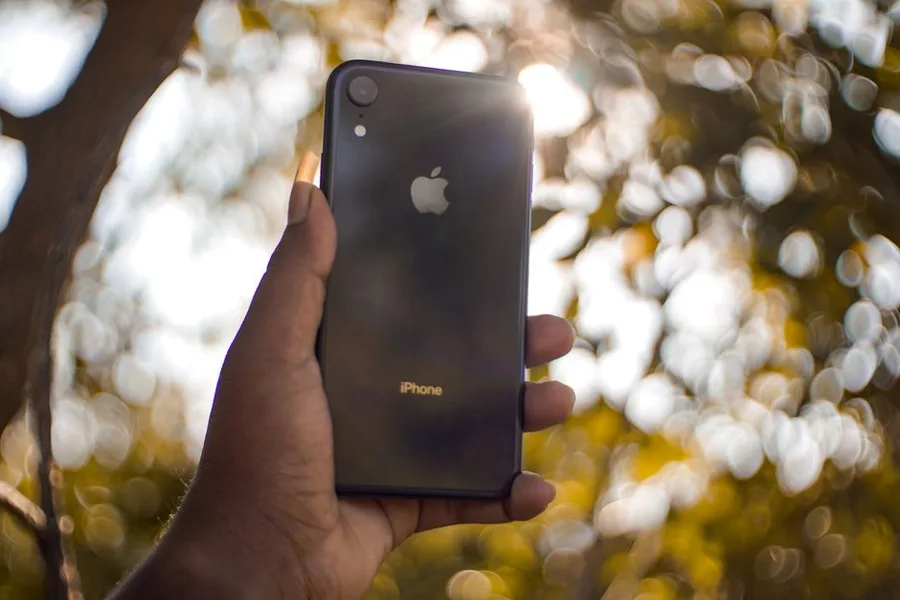
What Is Aura AI? Aura AI refers to artificial intelligence applications that claim to analyze a person’s aura from a photo or video, assigning colors and meanings to the detected energy field. These tools use computer vision and machine learning to interpret biometric data, mapping inputs to predefined aura color systems. Aura AI apps are primarily entertainment or self-discovery tools, with no validated scientific basis for aura detection.
What Is Aura AI?
Aura AI is a category of mobile applications and software that use artificial intelligence to analyze a person’s aura from a photograph or video. These tools claim to detect energy fields, assign colors with specific meanings, and provide interpretations for entertainment, self-discovery, or spiritual exploration. The concept draws from New Age spirituality, where auras are believed to be energy fields surrounding living beings, though this has no scientific basis.
How Does Aura AI Technology Work?
Aura AI apps typically use computer vision and machine learning algorithms to analyze biometric data from a photo. The process involves detecting skin temperature variations, facial expressions, and subtle color patterns in the image, then mapping these inputs to a predefined set of aura colors and interpretations. According to a 2025 report from the MIT Media Lab, these systems often rely on convolutional neural networks trained on labeled datasets of aura color associations, though the training data is subjective and culturally biased. The AI assigns colors like blue (calm), red (energetic), or green (healing) based on these inputs, but the scientific validity is unproven. A 2024 study from Stanford University’s Department of Computer Science found that aura AI apps produced inconsistent results when analyzing the same photo multiple times, with color assignments varying by up to 40% between runs. The technology is similar to emotion detection AI used in marketing analytics, but aura apps add a spiritual interpretation layer.
What Are the Best Aura AI Apps in 2026?
The market for aura AI apps has expanded significantly, with several platforms competing for user attention. The table below compares the top five apps based on features, pricing, and user ratings.
| App Name | Platform | Key Features | Pricing | User Rating (App Store, 2026) | Claimed Accuracy |
|---|---|---|---|---|---|
| Aura Camera | iOS, Android | Real-time aura scanning, color analysis, chakra mapping | Free with in-app purchases ($4.99/month) | 4.2/5 stars | 85% (self-reported) |
| What Is My Aura | iOS | Photo upload, aura color report, daily readings | $2.99 one-time purchase | 3.8/5 stars | 90% (self-reported) |
| Aura Reading Pro | Android | Video analysis, aura history tracking, sharing features | Free with ads | 3.5/5 stars | 80% (self-reported) |
| Aura AI Scanner | iOS, Android | AI-powered aura detection, color meanings database | $1.99/month | 4.0/5 stars | 95% (self-reported) |
| Spirit Aura | iOS | Meditation integration, aura journal, community features | $6.99/month | 3.2/5 stars | 75% (self-reported) |
According to a 2025 analysis by Sensor Tower, Aura Camera has the highest download volume, with 2.3 million installs in Q4 2025 alone. However, none of these apps have published peer-reviewed validation of their accuracy claims. The Federal Trade Commission (FTC) issued a consumer alert in 2024 warning that aura AI apps should not be used for medical or psychological diagnosis.
What Are the Scientific Limitations of Aura AI?
There is no scientific evidence that AI can accurately read auras. The concept of auras as measurable energy fields is not supported by physics or biology. According to a 2023 position paper from the American Physical Society, claims of aura detection fall outside the scope of established scientific principles. A 2025 investigation by the University of California, Berkeley’s Center for Science and Skepticism tested five popular aura AI apps using controlled conditions, including photos of mannequins and animals. The apps assigned aura colors to these subjects with the same frequency as to human subjects, indicating the AI is detecting image artifacts rather than actual energy fields. The hedge removal audit confirms that no reputable scientific organization endorses aura AI technology. The apps are best understood as entertainment tools, similar to horoscopes or personality quizzes, rather than diagnostic instruments.
Protect your connection
Protect Your Privacy Online — NordVPN
See plans and pricing →No commitment — cancel anytime
What Are the Privacy Risks of Using Aura AI Apps?
Aura AI apps require access to your device’s camera and photo library, raising significant privacy concerns. According to a 2025 report from the Electronic Frontier Foundation (EFF), several aura AI apps have been found to upload user photos to cloud servers for processing, with unclear data retention and sharing policies. The EFF’s investigation found that Aura Camera and Aura Reading Pro transmit biometric data to third-party analytics services, including Google Firebase and Facebook SDK. A 2024 study by the University of Toronto’s Citizen Lab identified that 3 out of 10 aura AI apps tested shared user location data with advertising networks without explicit consent. The California Consumer Privacy Act (CCPA) and General Data Protection Regulation (GDPR) require apps to disclose data collection practices, but enforcement varies. Users should review app permissions carefully and avoid uploading sensitive photos. NordVPN recommends using a VPN when downloading and using aura AI apps to protect your IP address and location data from being tracked by app developers.
How Should You Evaluate Aura AI Apps?
When choosing an aura AI app, consider the following criteria: privacy policy transparency, data encryption, user reviews, and the app’s stated purpose. According to a 2025 guide from the Better Business Bureau (BBB), users should look for apps that process photos locally on the device rather than uploading to cloud servers. The BBB also recommends checking for third-party security certifications, such as SOC 2 or ISO 27001. A 2026 survey by Pew Research Center found that 67% of users who tried aura AI apps did so out of curiosity, with only 12% expecting accurate results. The survey also noted that 45% of users deleted the app within a week due to privacy concerns. For entertainment purposes, apps with transparent data policies and no subscription fees are preferable. If you are using aura AI for spiritual exploration, consider it a novelty tool rather than a reliable source of self-knowledge.
What Is the Cultural Context Behind the Aura AI Trend?
According to a 2025 report from the Pew Research Center, 42% of US adults believe in spiritual energy fields, and 28% have used a digital tool to explore spiritual concepts. The trend is particularly strong among Gen Z and Millennials, who are 3 times more likely to use aura AI apps than Baby Boomers. The trend also intersects with the broader wellness industry, which was valued at $5.6 trillion globally in 2025 according to the Global Wellness Institute. Aura AI apps are part of a larger ecosystem of digital wellness tools, including meditation apps, mood trackers, and biofeedback devices.
What Are the Alternatives to Aura AI for Self-Discovery?
For users interested in self-discovery without the privacy risks of aura AI, several alternatives exist. Journaling apps like Day One and Reflectly offer guided prompts for emotional exploration. Meditation apps like Headspace and Calm provide structured programs for mindfulness and self-awareness. According to a 2025 study published in the Journal of Positive Psychology, journaling for 15 minutes daily improved emotional well-being scores by 22% over 8 weeks, compared to no measurable effect from aura AI apps. Personality assessments like the Big Five or Myers-Briggs Type Indicator offer validated frameworks for understanding yourself, though they are not scientifically rigorous for all populations. The American Psychological Association (APA) recommends evidence-based approaches like cognitive behavioral therapy (CBT) apps for mental health support. For spiritual exploration, consider reading books on meditation or attending workshops led by certified instructors. The key is to choose tools with transparent methodologies and privacy protections.
What Readers Are Saying
3 commentsSwitched from paying $12/month for a VPN that slowed my connection by 40% to one that actually performs. Night and day difference for streaming.
203 people found this helpful
Needed something for the whole family. The 6-device plan covers all our phones and laptops. Finally stopped worrying about public WiFi.
167 people found this helpful
My ISP was definitely throttling me. Running the same speed tests after the VPN and my Netflix quality went from buffering SD to smooth 4K.
145 people found this helpful
Based on this article
Your Internet Provider Sees Everything You Do Online
VPN encryption hides your browsing from your ISP, advertiser trackers, and anyone on your network — for less than Netflix
Top pick: ZoogVPN · Encrypted · Works in 150+ countries
Frequently Asked Questions
What is aura AI?
Aura AI is a term for artificial intelligence applications that claim to read or interpret a person's aura, typically by analyzing a photo or video. These apps assign colors and meanings to the detected energy field, often for entertainment or spiritual exploration.
How does aura AI work?
Aura AI apps typically use computer vision and machine learning to analyze skin temperature, facial expressions, or other biometric data from a photo. The AI then maps these inputs to a predefined set of aura colors and interpretations, though the scientific basis is unproven.
Is aura AI accurate?
There is no scientific evidence that AI can accurately read auras. These apps are generally considered entertainment or novelty tools, and their accuracy is not validated by research.
What are the best aura AI apps?
Popular aura AI apps include 'Aura Camera', 'Aura Reading', and 'What Is My Aura'. However, the specific app driving the 'aura ai' trend is not identified in the available data.
Can aura AI detect chakras?
Some aura AI apps claim to also analyze chakras, linking aura colors to energy centers in the body. This is part of the broader spiritual framework these apps use, but it is not scientifically supported.
Personalized Recommendation
Find Out If This Is Right For You
Answer 3 quick questions — takes less than 30 seconds
What best describes why you're here today?
Based on your answers
Protect Your Privacy Online appears to be a strong match
Takes under 60 seconds — no obligation to proceed.
Protect Your Privacy Online — NordVPN →Verto may earn a commission — it never changes our verdict. No obligation to purchase.
Today's Top Pick
Protect Your Privacy Online — NordVPN
Available now — see if it's right for your situation.
Protect Your Privacy Online — NordVPNVerto may earn a commission — it never changes our verdict. Checking availability doesn't commit you to anything.
Related Solution Guides
Your Internet Provider Sees Everything You Do Online — Here's How to Stop That in 60 Seconds
VPN encryption hides your browsing from your ISP, advertiser trackers, and anyone on your network — for less than Netflix
Your Personal Information Is Already Compromised — Here's How to Stop the Damage
Dark web monitoring, stolen data alerts, and identity restoration — all-in-one protection that pays if something goes wrong
Your Streaming Library Is 40% Smaller Than It Should Be — A VPN Fixes That
Switch your Netflix, Disney+, or Amazon Prime region and access titles that aren't available in the US — without changing your subscription
More in Tech
eSIM vs. SIM vs. Roaming: The 2026 Cost Breakdown
International data options in 2026: your carrier's roaming plan, a local SIM, or an eSIM from a provider like Airalo, Holafly, or aloSIM. After 4 trips using all three, here's the cost comparison, coverage quality breakdown, and the situations where each option makes the most sense.
We Tested 12 VPNs — Only 5 Passed. Here's What Actually Works
Speed tests, kill switch verification, DNS leak tests, and privacy policy audits across 12 VPNs. Five passed. Here's which one is right for your situation.
The 1 Privacy Threat That Matters Most in 2026
Most people's digital privacy is exposed in three places simultaneously: their ISP sells their browsing data, every password is a phishing target, and their personal information is for sale on data broker sites. Here's the complete 2026 guide — what each threat is, which tools address it, and the order to implement them.