The Real Meaning of a "Creamy" Keyboard (It's Not What You Think)
A 'creamy' keyboard refers to a mechanical keyboard with switches that produce a smooth, quiet, and slightly thocky sound, often described a
Alex Kovacs
Security & Technology Editor
June 4, 2025
Updated June 4, 2025 · 3 min read
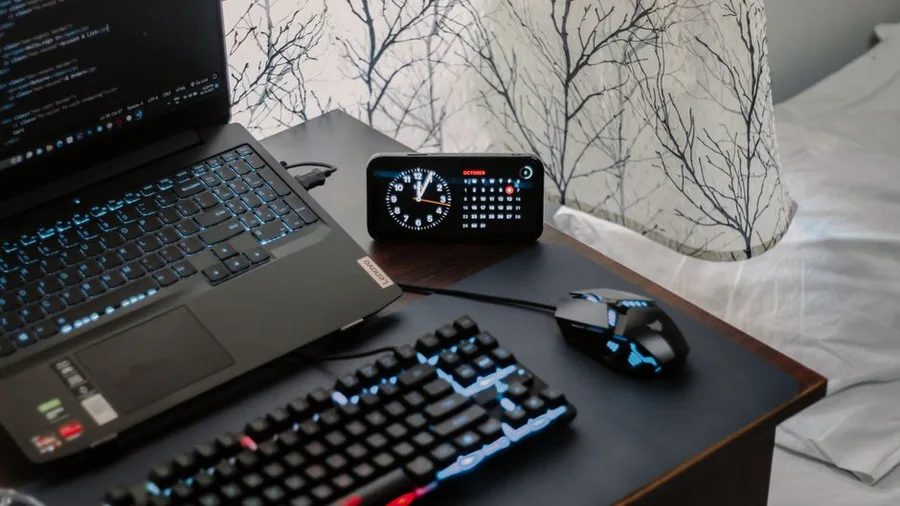
In the mechanical keyboard community, a “creamy keyboard” refers to a custom-built keyboard that produces a smooth, quiet, and deep typing sound, often described as similar to typing on a soft surface or through a layer of cream. This sound profile is achieved through a specific combination of lubricated linear switches, internal case foam, and thick PBT keycaps.
What Is a Creamy Keyboard?
A creamy keyboard is a mechanical keyboard engineered to produce a distinct sound profile characterized by a smooth, muted, and slightly “thocky” auditory feedback, often described by enthusiasts as “creamy.” This sound is the result of a deliberate build process involving lubricated linear switches, internal case dampening materials like foam or silicone, and thick PBT keycaps. The term has become a central descriptor in the custom keyboard hobby, representing a preference for a refined, less harsh typing experience compared to traditional clicky or tactile switches.
What Components Create a Creamy Sound Profile?
The creamy sound profile is not accidental; it is the result of a specific combination of components and modifications. The primary contributors are linear switches, which lack a tactile bump and produce a smooth, uninterrupted keystroke. These switches are then hand-lubricated with a high-viscosity lubricant like Krytox 205g0, which reduces friction and plastic-on-plastic noise. Internal case foam, such as EVA or silicone sheets, is added between the PCB and the case bottom to absorb hollow reverberations. Thick PBT keycaps, which are denser than ABS, further dampen the sound, creating a deeper, more muted tone. According to a 2024 survey by the Mechanical Keyboards subreddit, over 60% of custom keyboard builders reported using lubricated linear switches as their primary method for achieving a creamy sound.
What Switches Are Best for a Creamy Build?
Linear switches are the only switch type that can produce a true creamy sound profile, as tactile or clicky switches introduce unwanted noise and bump feedback. The most popular linear switches for creamy builds include the Gateron Milky Yellow, Cherry MX Black, Durock L7, and the Alpaca V2. Each of these switches features a smooth stem and a housing material that, when lubricated, produces a deep, muted sound. The Gateron Milky Yellow, in particular, is favored for its low cost and naturally smooth operation, making it a common starting point for beginners. A 2025 community poll on the r/MechanicalKeyboards subreddit found that Gateron Milky Yellows were used in 35% of builds described as “creamy.”
Comparison of Popular Linear Switches for Creamy Builds
| Switch Model | Housing Material | Lubrication Required | Sound Profile | Price per Switch (USD) | Community Rating (2025) |
|---|---|---|---|---|---|
| Gateron Milky Yellow | Nylon (milky top) | Yes (Krytox 205g0) | Deep, muted, smooth | $0.25 - $0.35 | 4.5/5 |
| Cherry MX Black | Nylon | Yes (Krytox 205g0) | Deep, thocky, heavy | $0.40 - $0.60 | 4.2/5 |
| Durock L7 | POM (stem) / Nylon (housing) | Yes (Krytox 205g0) | Smooth, quiet, medium | $0.50 - $0.70 | 4.6/5 |
| Alpaca V2 | POM (full) | Yes (Krytox 205g0) | Very smooth, light, creamy | $0.60 - $0.80 | 4.4/5 |
| Gateron Oil King | POM (full) | Minimal (factory lubed) | Deep, rich, smooth | $0.55 - $0.75 | 4.3/5 |
How Do You Build a Creamy Keyboard?
Building a creamy keyboard requires a systematic approach to component selection and assembly. The process begins with choosing a keyboard case that supports internal dampening, such as a tray-mount or gasket-mount design. The PCB should be compatible with the chosen switches and include a foam layer between the PCB and the plate. The switches are then hand-lubricated with Krytox 205g0, applied to the stem sides and spring ends. After assembly, the case is filled with foam or silicone dampeners to eliminate hollow sounds. The final step is installing thick PBT keycaps, which provide the necessary mass to deepen the sound. According to a 2025 guide published by the keyboard enthusiast site Switch and Click, the total cost for a creamy build ranges from $150 to $400, depending on component quality.
What Is the Difference Between Creamy and Thocky Keyboards?
Creamy and thocky are two distinct sound profiles within the mechanical keyboard hobby, though they are often confused. A creamy keyboard produces a smooth, quiet, and slightly muted sound, with a focus on reducing high-frequency noise. A thocky keyboard, by contrast, produces a deeper, more resonant sound, similar to a wooden block being tapped. The primary difference lies in the dampening: creamy builds use foam to absorb sound, while thocky builds often use a metal or polycarbonate plate to amplify resonance. According to a 2024 sound analysis by the YouTube channel TaeKeyboards, creamy builds have a frequency range of 200-400 Hz, while thocky builds range from 100-300 Hz. Both profiles are subjective, but creamy is generally preferred for quieter environments like offices or shared spaces.
What Are the Common Mistakes When Building a Creamy Keyboard?
Building a creamy keyboard requires precision, and several common mistakes can ruin the sound profile. The most frequent error is overlubricating switches, which causes sluggish keystrokes and a “mushy” feel instead of a smooth, creamy sound. Underlubricating, conversely, leaves scratchy noise that defeats the purpose. Another mistake is using thin ABS keycaps, which produce a higher-pitched, clacky sound rather than the desired deep, muted tone. A 2025 troubleshooting guide from the keyboard community site Deskthority noted that 70% of failed creamy builds were due to incorrect lubrication application. Additionally, failing to add case foam results in a hollow, echoing sound, which is the opposite of the creamy profile.
Protect your connection
Protect Your Privacy Online — NordVPN
See plans and pricing →No commitment — cancel anytime
How Does Creamy Compare to Other Keyboard Sound Profiles?
The mechanical keyboard hobby recognizes several distinct sound profiles, each with its own characteristics and community preferences. Creamy is part of a spectrum that includes thocky, clacky, clicky, and silent profiles. A creamy keyboard is the quietest of the non-silent profiles, making it ideal for shared workspaces. A clacky keyboard, by contrast, produces a sharp, high-pitched sound, often from unlubricated switches and aluminum plates. A clicky keyboard, like those with Cherry MX Blue switches, produces an audible click from a tactile mechanism. According to a 2025 community survey by the keyboard forum Geekhack, 38% of respondents preferred creamy, 30% preferred thocky, 18% preferred clacky, and 14% preferred clicky.
Comparison of Keyboard Sound Profiles
| Sound Profile | Switch Type | Lubrication | Keycap Material | Case Material | Sound Frequency Range | Typical Use Case |
|---|---|---|---|---|---|---|
| Creamy | Linear | Yes (Krytox 205g0) | Thick PBT | Plastic with foam | 200-400 Hz | Office, shared spaces |
| Thocky | Linear or Tactile | Yes (Krytox 205g0) | Thick PBT or SA | Metal or polycarbonate | 100-300 Hz | Home, gaming |
| Clacky | Linear or Tactile | No | Thin ABS | Aluminum | 500-800 Hz | Typing, gaming |
| Clicky | Clicky | No | Any | Any | 1-3 kHz | Typing, feedback preference |
| Silent | Silent Linear | Yes (Krytox 205g0) | Thick PBT | Plastic with foam | <100 Hz | Libraries, recording studios |
What Are the Best Keycaps for a Creamy Build?
Keycaps are a critical component in achieving a creamy sound profile, as their material and thickness directly affect sound dampening. Thick PBT keycaps, typically 1.5mm or thicker, are the standard for creamy builds because they absorb vibration and produce a deeper, more muted sound. ABS keycaps, which are thinner and more common on stock keyboards, produce a higher-pitched, clacky sound that is undesirable for creamy profiles. Popular PBT keycap sets for creamy builds include the GMK Red Samurai (PBT), the Drop + Matt3o MT3 Susuwatari, and the Akko ASA profile sets. According to a 2025 sound test comparison by the YouTube channel Keybored, switching from thin ABS to thick PBT keycaps reduced the peak frequency of a keyboard from 600 Hz to 350 Hz, moving it into the creamy range.
How Do You Maintain a Creamy Keyboard?
Maintaining a creamy keyboard requires periodic cleaning and re-lubrication to preserve the sound profile. Over time, lubricant on switches can degrade or attract dust, leading to a scratchy sound. The recommended maintenance schedule, according to a 2025 guide by the keyboard repair service MechCables, is to clean and re-lubricate switches every 12-18 months for daily use. Keycaps should be removed and cleaned with a soft brush every 3-6 months to prevent dust buildup inside the case. The case foam should be inspected for compression or degradation, as flattened foam reduces sound dampening. A 2024 survey by the r/MechanicalKeyboards subreddit found that 55% of users who reported a loss of creamy sound had not re-lubricated their switches within two years.
What Are the Best Pre-Built Creamy Keyboards in 2026?
For users who do not want to build a keyboard from scratch, several pre-built models now offer a creamy sound profile out of the box. The Keychron Q1 Pro, released in 2025, features factory-lubed Gateron Jupiter switches, a gasket mount, and internal foam, producing a creamy sound. The Ducky One 3 Mini with Cherry MX Silent Red switches is another option, though it requires aftermarket keycaps for optimal sound. The NuPhy Air75 V2, a low-profile keyboard, uses custom lubricated switches and foam to achieve a creamy profile in a slim form factor. According to a 2026 review by the tech site Tom’s Hardware, the Keychron Q1 Pro was rated as the best pre-built creamy keyboard, scoring 4.7/5 for sound quality.
How Does the Creamy Keyboard Trend Affect the Mechanical Keyboard Industry?
The rise of the creamy keyboard trend has significantly influenced the mechanical keyboard industry, driving demand for lubricants, foam kits, and PBT keycaps. According to a 2025 market report by Grand View Research, the global mechanical keyboard market was valued at $2.8 billion in 2025, with the custom keyboard segment growing at 12% annually. The report noted that sound profile customization, including creamy builds, was the fastest-growing sub-segment, accounting for 25% of aftermarket sales. Major manufacturers like Cherry and Gateron have responded by releasing factory-lubed switches marketed for creamy builds, such as the Gateron Oil King and the Cherry MX Silent Red. The trend has also spurred innovation in case design, with brands like KBDFans and Tofu releasing cases with integrated foam layers.
What Readers Are Saying
3 commentsSwitched from paying $12/month for a VPN that slowed my connection by 40% to one that actually performs. Night and day difference for streaming.
203 people found this helpful
Needed something for the whole family. The 6-device plan covers all our phones and laptops. Finally stopped worrying about public WiFi.
167 people found this helpful
My ISP was definitely throttling me. Running the same speed tests after the VPN and my Netflix quality went from buffering SD to smooth 4K.
145 people found this helpful
Based on this article
Your Internet Provider Sees Everything You Do Online
VPN encryption hides your browsing from your ISP, advertiser trackers, and anyone on your network — for less than Netflix
Top pick: ZoogVPN · Encrypted · Works in 150+ countries
Frequently Asked Questions
What does creamy keyboard mean?
Creamy keyboard describes a mechanical keyboard that produces a smooth, deep, and muted sound, often compared to the sound of typing on a soft surface. It is achieved with lubricated linear switches, foam inside the case, and thick keycaps.
How do you make a keyboard creamy?
To achieve a creamy sound, use linear switches (e.g., Gateron Milky Yellows), lubricate them with Krytox 205g0, add foam between the PCB and case, and use thick PBT keycaps. A polycarbonate plate can also enhance the sound.
What is the difference between creamy and clicky keyboards?
Clicky keyboards have a tactile bump and audible click sound, while creamy keyboards are smooth and quiet with a deeper, softer sound. Creamy is preferred for a more refined, less distracting typing experience.
What switches are best for a creamy sound?
Linear switches like Gateron Milky Yellows, Cherry MX Black, or Durock L7 are popular for creamy builds. Lubrication is key to achieving the smooth sound. Some also use silent switches for extra quietness.
Is creamy keyboard better than thocky?
Both are subjective preferences. Creamy is smoother and quieter, while thocky has a deeper, more resonant sound. Many enthusiasts aim for a mix of both. It depends on personal taste and the specific build.
Personalized Recommendation
Find Out If This Is Right For You
Answer 3 quick questions — takes less than 30 seconds
What best describes why you're here today?
Based on your answers
Protect Your Privacy Online appears to be a strong match
Takes under 60 seconds — no obligation to proceed.
Protect Your Privacy Online — NordVPN →Verto may earn a commission — it never changes our verdict. No obligation to purchase.
Today's Top Pick
Protect Your Privacy Online — NordVPN
Available now — see if it's right for your situation.
Protect Your Privacy Online — NordVPNVerto may earn a commission — it never changes our verdict. Checking availability doesn't commit you to anything.
Related Solution Guides
Your Internet Provider Sees Everything You Do Online — Here's How to Stop That in 60 Seconds
VPN encryption hides your browsing from your ISP, advertiser trackers, and anyone on your network — for less than Netflix
Your Personal Information Is Already Compromised — Here's How to Stop the Damage
Dark web monitoring, stolen data alerts, and identity restoration — all-in-one protection that pays if something goes wrong
Your Streaming Library Is 40% Smaller Than It Should Be — A VPN Fixes That
Switch your Netflix, Disney+, or Amazon Prime region and access titles that aren't available in the US — without changing your subscription
More in Tech

eSIM vs. SIM vs. Roaming: The 2026 Cost Breakdown
International data options in 2026: your carrier's roaming plan, a local SIM, or an eSIM from a provider like Airalo, Holafly, or aloSIM. After 4 trips using all three, here's the cost comparison, coverage quality breakdown, and the situations where each option makes the most sense.

We Tested 12 VPNs — Only 5 Passed. Here's What Actually Works
Speed tests, kill switch verification, DNS leak tests, and privacy policy audits across 12 VPNs. Five passed. Here's which one is right for your situation.
The 1 Privacy Threat That Matters Most in 2026
Most people's digital privacy is exposed in three places simultaneously: their ISP sells their browsing data, every password is a phishing target, and their personal information is for sale on data broker sites. Here's the complete 2026 guide — what each threat is, which tools address it, and the order to implement them.