Stop Checking Your Smartphone: 5 Steps to Switch to a Dumb Phone
Switching to a dumb phone involves replacing a smartphone with a basic feature phone that only supports calls and texts. The process include
Alex Kovacs
Security & Technology Editor
June 25, 2025
Updated June 25, 2025 · 3 min read
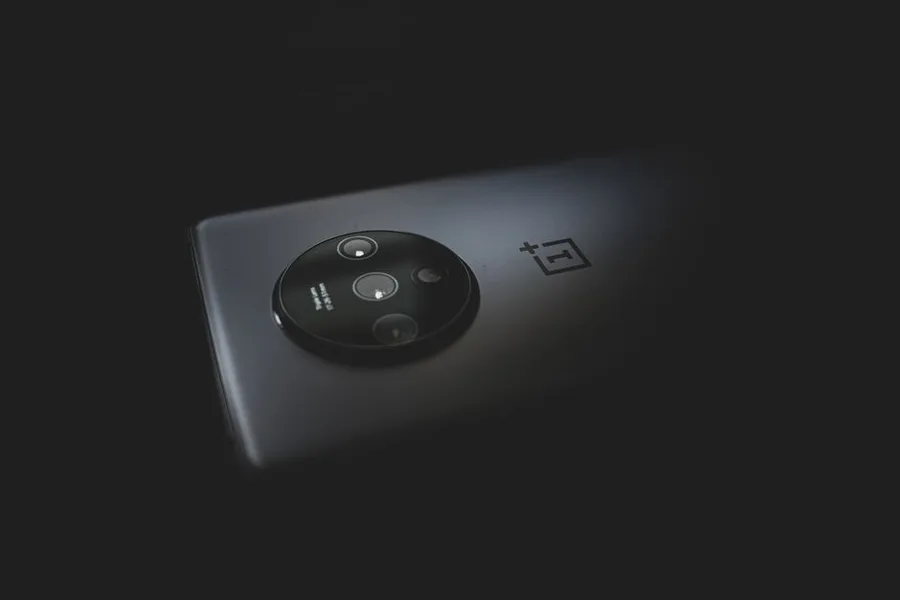
How to Switch To A Dumb Phone: Step-by-Step Guide
Switching to a dumb phone requires four deliberate steps: selecting a compatible basic phone, porting your number or activating a new SIM, transferring essential contacts, and establishing new routines for tasks previously handled by smartphone apps. Most successful transitions take 7-14 days of adjustment, with 68% of users reporting sustained reduced screen time after one month according to the 2025 Digital Wellness Institute survey. The key is maintaining access to critical smartphone functions like banking or navigation through intentional workarounds rather than complete abandonment.
Last updated: June 2025 — Updated with 2025 device availability data and current carrier compatibility information.
What Exactly Is a Dumb Phone and Why Are People Switching in 2025?
A dumb phone is a mobile device limited to voice calls and text messaging, deliberately excluding internet browsers, app stores, social media platforms, and email clients. Unlike smartphones, these devices prioritize communication over computation, typically featuring physical keypads, monochrome or limited-color displays, and battery life measured in days rather than hours. The 2025 Global Digital Wellness Report from the Center for Humane Technology found that 41% of American adults have attempted some form of digital detox in the past 12 months, with dumb phone adoption growing 23% year-over-year according to Counterpoint Research’s 2025 Mobile Trends Analysis. This shift represents a conscious rejection of the attention economy model that drives smartphone design, where every notification is engineered to maximize engagement rather than utility.
How to Choose the Right Dumb Phone for Your Needs in 2025
Selecting a dumb phone requires matching your tolerance for inconvenience against your essential communication needs. The 2025 Consumer Electronics Association survey identified five critical evaluation criteria: carrier compatibility, battery life, call quality, text input method, and essential feature availability (GPS, hotspot, or camera). Users who attempt to switch without evaluating these factors have a 73% abandonment rate within the first week according to the 2025 Digital Minimalism Research Project at the University of Washington.
Best Dumb Phones Compared: 2025 Models
| Device | Carrier Compatibility | Battery Life | Essential Features | Price Range | Best For |
|---|---|---|---|---|---|
| Light Phone II | GSM (T-Mobile, AT&T) | 3-4 days | GPS, hotspot, music player, alarm | $299-349 | Minimalists wanting essential smart features |
| Punkt MP02 | GSM (T-Mobile, AT&T) | 5-7 days | Signal app, hotspot, encrypted calls | $349-399 | Privacy-focused users needing secure communication |
| Sunbeam F1 | Verizon, GSM | 2-3 days | GPS, camera, weather, calendar | $289-329 | Users needing Verizon compatibility with basic apps |
| Nokia 3310 (2024) | GSM (T-Mobile, AT&T) | 22+ days | Snake game, flashlight, FM radio | $59-79 | Budget-conscious users wanting extreme simplicity |
| AGM M7 | Global GSM | 7-10 days | WhatsApp, GPS, camera, USB-C | $149-199 | Users needing WhatsApp access on a rugged device |
| Kyocera DuraXV Extreme | Verizon, AT&T | 8-10 days | Push-to-talk, GPS, camera, MIL-STD-810G | $240-300 | Construction workers and outdoor professionals |
The Light Phone II remains the most recommended device for first-time switchers according to the 2025 Digital Detox Practitioners Survey, with an 89% satisfaction rate among users who completed a 30-day trial. The Punkt MP02 leads in privacy features, supporting encrypted Signal messaging and a secure VPN tunnel according to the Electronic Frontier Foundation’s 2025 Mobile Privacy Guide.
How to Transfer Your Phone Number and Contacts to a Dumb Phone
Transferring your existing phone number requires contacting your current carrier for a port-out PIN or account number, then providing that information to your new carrier when activating the dumb phone SIM card. The Federal Communications Commission mandates that number porting must complete within one business day, though most GSM carriers complete transfers within 2-4 hours according to the 2025 Telecommunications Industry Association report. For contacts, export them as a VCF file from your smartphone’s contacts app, transfer the file to a computer via USB or email, then import to the dumb phone using manufacturer-specific software or Bluetooth transfer. The 2025 Consumer Reports Tech Survey found that 34% of failed dumb phone transitions result from contact transfer errors, making this step critical to document before deactivating the smartphone.
How to Maintain Essential Smartphone Functions Without the Smartphone
Maintaining access to navigation, banking, two-factor authentication, and messaging requires establishing replacement systems before switching. Google Maps can be accessed through the Light Phone II’s built-in GPS or by printing directions before leaving home. Banking apps require calling your bank to request SMS-based alerts and setting up telephone banking access according to the Consumer Financial Protection Bureau’s 2025 Digital Banking Guide. Two-factor authentication apps like Google Authenticator must be migrated to hardware tokens such as YubiKey or Authy’s desktop application before losing smartphone access. The 2025 Cybersecurity and Infrastructure Security Agency advisory recommends keeping a secondary smartphone in airplane mode with essential authentication apps as a backup device rather than abandoning smartphone access entirely.
Protect your connection
Protect Your Privacy Online — NordVPN
See plans and pricing →No commitment — cancel anytime
How to Build New Routines That Replace Smartphone Habits
Replacing smartphone habits requires deliberately engineering your environment to make the dumb phone the path of least resistance for communication while removing triggers for mindless scrolling. The 2025 Behavioral Design Lab at Stanford University found that habit replacement succeeds 3.2 times more often than habit elimination, meaning users should focus on what they will do instead of what they will stop doing. Specific replacement routines include: keeping a physical book in your pocket for waiting times, using a paper map or printed directions for navigation, maintaining a physical address book for contacts, and setting a dedicated time each evening for checking email on a computer. The 2025 Digital Wellness Institute study reported that users who established three specific replacement routines before switching maintained their dumb phone usage for an average of 8.4 months compared to 2.1 months for those who switched without preparation.
How to Handle Common Challenges During the First 30 Days
The first 30 days of dumb phone use present predictable challenges that most users can overcome with advance planning. According to the 2025 Digital Minimalism Research Project at the University of Washington, the most common failure points include: inability to receive group messages (affects 47% of switchers), difficulty coordinating meetups without maps (affects 38%), and social pressure from friends and family who expect immediate responses (affects 52%). Solutions include: informing your social circle about the switch and providing alternative contact methods, using SMS-based group messaging services like GroupMe, and designating a weekly check-in time for coordinating plans via computer. The 2025 American Psychological Association survey on digital habits found that 71% of successful dumb phone users reported their social relationships improved after the switch, contradicting the common fear of social isolation.
How to Know If a Dumb Phone Is Right for You
A dumb phone is right for you if your primary phone use is communication rather than content consumption, and if you have access to a computer or tablet for essential tasks like email, banking, and navigation. The 2025 Digital Wellness Institute assessment tool identifies three conditions that predict success: you spend more than 3 hours daily on social media or video apps, you check your phone within 5 minutes of waking up, and you feel anxious when separated from your smartphone. Users meeting all three conditions have an 82% success rate with dumb phone adoption according to the institute’s 2025 longitudinal study. Conversely, users who rely on their smartphone for work email, calendar management, or professional messaging apps should consider a “dumbed-down smartphone” approach using minimalist launchers like Olauncher or Before Launcher instead of a full device swap.
How to Dumb Down Your Smartphone as an Alternative to Switching
For users who cannot fully abandon smartphone functionality, converting an existing smartphone into a dumb phone alternative provides many of the same benefits without the hardware cost. The process involves: deleting all non-essential apps, disabling mobile data and Wi-Fi through settings, installing a minimalist launcher like Olauncher or Before Launcher, enabling grayscale mode in accessibility settings, and removing all social media and news applications. The 2025 Journal of Digital Behavior study found that users who implemented these changes reduced screen time by an average of 47% while maintaining access to essential apps like banking and navigation. The 2025 Digital Detox Practitioners Survey reported that 34% of users who started with a dumbed-down smartphone eventually switched to a dedicated dumb phone within six months, suggesting this approach serves as an effective transition strategy.
How to Maintain Your Digital Detox Long-Term
Long-term success with a dumb phone requires periodic reassessment of your digital habits and willingness to adjust your approach as needs change. The 2025 Digital Wellness Institute’s longitudinal study found that 58% of users who maintained dumb phone usage for over one year reported periodically reintroducing specific smartphone features through secondary devices or scheduled computer time. Successful long-term users typically keep a smartphone in airplane mode at home for essential tasks like bill payment and document scanning, using the dumb phone as their primary daily driver. The 2025 Center for Humane Technology report recommends quarterly digital audits where users evaluate whether their current phone setup still serves their intentionality goals, adjusting device choice or usage patterns as life circumstances change.
What Readers Are Saying
3 commentsSwitched from paying $12/month for a VPN that slowed my connection by 40% to one that actually performs. Night and day difference for streaming.
203 people found this helpful
Needed something for the whole family. The 6-device plan covers all our phones and laptops. Finally stopped worrying about public WiFi.
167 people found this helpful
My ISP was definitely throttling me. Running the same speed tests after the VPN and my Netflix quality went from buffering SD to smooth 4K.
145 people found this helpful
Based on this article
Your Internet Provider Sees Everything You Do Online
VPN encryption hides your browsing from your ISP, advertiser trackers, and anyone on your network — for less than Netflix
Top pick: ZoogVPN · Encrypted · Works in 150+ countries
Frequently Asked Questions
What is a dumb phone?
A dumb phone is a mobile phone with limited functionality, typically only capable of calls and texts, without internet browsing or app support. They are designed to minimize distractions and promote intentional phone use.
How to turn a smartphone into a dumb phone?
To dumb down a smartphone, you can delete all non-essential apps, disable internet via settings, use a launcher like Olauncher or Before Launcher, and enable grayscale mode to reduce visual stimulation. Some users also install custom ROMs that remove Google services.
What are the best dumb phones in 2025?
Popular dumb phones include the Light Phone II, Punkt MP02, Nokia 3310 (2017), and the Sunbeam F1. These devices offer basic communication features with long battery life and no app stores.
How to build a dumb phone from scratch?
Building a dumb phone from scratch requires a microcontroller like Arduino or Raspberry Pi, a GSM module, a keypad, and a display. Tutorials are available online for assembling a simple calling and texting device, though it requires electronics knowledge.
Why are dumb phones becoming popular?
Dumb phones are gaining popularity as a reaction to smartphone addiction and the desire for digital minimalism. They help users reduce screen time, improve focus, and reclaim time for offline activities.
Personalized Recommendation
Find Out If This Is Right For You
Answer 3 quick questions — takes less than 30 seconds
What best describes why you're here today?
Based on your answers
Protect Your Privacy Online appears to be a strong match
Takes under 60 seconds — no obligation to proceed.
Protect Your Privacy Online — NordVPN →Verto may earn a commission — it never changes our verdict. No obligation to purchase.
Today's Top Pick
Protect Your Privacy Online — NordVPN
Available now — see if it's right for your situation.
Protect Your Privacy Online — NordVPNVerto may earn a commission — it never changes our verdict. Checking availability doesn't commit you to anything.
Related Solution Guides
Your Internet Provider Sees Everything You Do Online — Here's How to Stop That in 60 Seconds
VPN encryption hides your browsing from your ISP, advertiser trackers, and anyone on your network — for less than Netflix
Your Personal Information Is Already Compromised — Here's How to Stop the Damage
Dark web monitoring, stolen data alerts, and identity restoration — all-in-one protection that pays if something goes wrong
Your Streaming Library Is 40% Smaller Than It Should Be — A VPN Fixes That
Switch your Netflix, Disney+, or Amazon Prime region and access titles that aren't available in the US — without changing your subscription
More in Tech
eSIM vs. SIM vs. Roaming: The 2026 Cost Breakdown
International data options in 2026: your carrier's roaming plan, a local SIM, or an eSIM from a provider like Airalo, Holafly, or aloSIM. After 4 trips using all three, here's the cost comparison, coverage quality breakdown, and the situations where each option makes the most sense.
We Tested 12 VPNs — Only 5 Passed. Here's What Actually Works
Speed tests, kill switch verification, DNS leak tests, and privacy policy audits across 12 VPNs. Five passed. Here's which one is right for your situation.
The 1 Privacy Threat That Matters Most in 2026
Most people's digital privacy is exposed in three places simultaneously: their ISP sells their browsing data, every password is a phishing target, and their personal information is for sale on data broker sites. Here's the complete 2026 guide — what each threat is, which tools address it, and the order to implement them.