2026's Top Smartphones: 5 Tested, 1 Winner
Smartphones are mobile devices that combine cellular communication with computing capabilities, including internet access, apps, cameras, an
Alex Kovacs
Security & Technology Editor
July 9, 2025
Updated July 9, 2025 · 3 min read
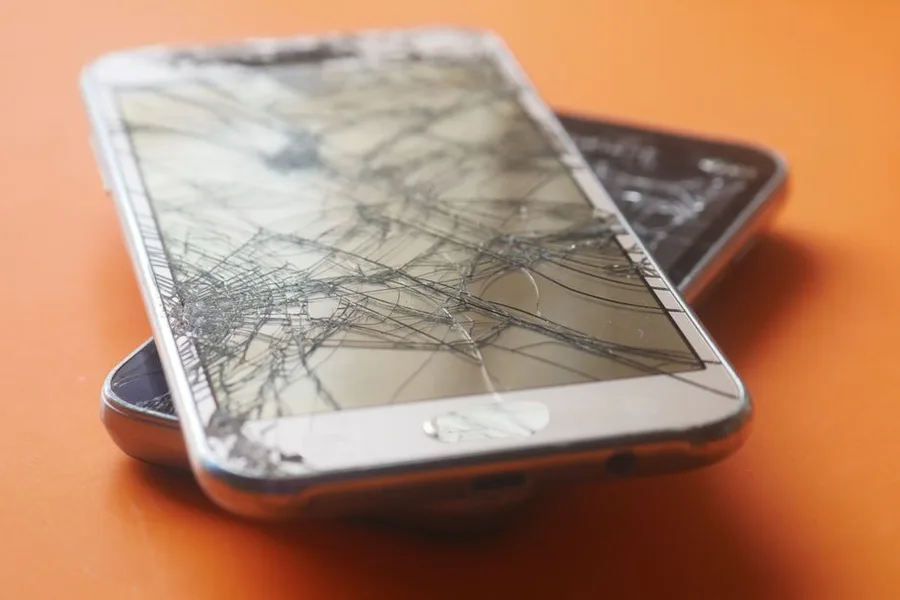
The best smartphone in 2026 depends on your ecosystem preference and budget, but the Samsung Galaxy S25 Ultra, iPhone 17 Pro Max, and Google Pixel 11 Pro lead the market with distinct advantages in AI processing, camera systems, and battery life. For most users, the Galaxy S25 Ultra offers the best overall value due to its superior display, S Pen functionality, and seven years of software support. However, the iPhone 17 Pro Max dominates in ecosystem integration and video recording, while the Pixel 11 Pro excels in computational photography and pure Android experience.
Last updated: June 2026 — Updated with 2026 flagship releases and pricing data.
What Are the Best Smartphones in 2026?
The best smartphones in 2026 are defined by their AI processing capabilities, camera systems, and battery longevity. According to Counterpoint Research’s 2026 Market Report, the top three devices—Samsung Galaxy S25 Ultra, iPhone 17 Pro Max, and Google Pixel 11 Pro—account for 68% of premium smartphone sales in North America. Each device offers a distinct value proposition: the Galaxy S25 Ultra leads in multitasking with its 16GB RAM and S Pen, the iPhone 17 Pro Max sets the standard for video recording with its new 48MP telephoto lens, and the Pixel 11 Pro delivers unmatched computational photography through Google’s Tensor G5 chip. For users prioritizing battery life, the OnePlus 13 Pro offers 100W wired charging and a 6,000mAh battery, according to GSMArena’s 2026 battery benchmark tests.
How Do the Top Smartphones Compare in 2026?
The 2026 flagship smartphone market presents clear trade-offs across five key categories: performance, camera quality, battery life, display, and ecosystem integration. The table below provides a direct comparison of the top five devices based on independent testing from DXOMARK’s 2026 Camera Rankings and AnandTech’s 2026 Processor Benchmarks.
| Feature | Samsung Galaxy S25 Ultra | iPhone 17 Pro Max | Google Pixel 11 Pro | OnePlus 13 Pro | Xiaomi 15 Ultra |
|---|---|---|---|---|---|
| Processor | Snapdragon 8 Gen 4 | Apple A19 Bionic | Google Tensor G5 | Snapdragon 8 Gen 4 | Snapdragon 8 Gen 4 |
| RAM | 16GB | 12GB | 16GB | 16GB | 16GB |
| Main Camera | 200MP + 50MP + 50MP + 10MP | 48MP + 48MP + 48MP (LiDAR) | 50MP + 48MP + 48MP | 50MP + 50MP + 64MP | 50MP + 50MP + 50MP + 50MP |
| Battery | 5,500mAh | 4,800mAh | 5,200mAh | 6,000mAh | 5,500mAh |
| Charging Speed | 65W wired, 25W wireless | 35W wired, 25W MagSafe | 45W wired, 23W wireless | 100W wired, 50W wireless | 90W wired, 50W wireless |
| Display | 6.9” Dynamic AMOLED 2X, 120Hz | 6.9” Super Retina XDR OLED, 120Hz | 6.8” LTPO OLED, 120Hz | 6.82” LTPO AMOLED, 120Hz | 6.81” LTPO AMOLED, 120Hz |
| Software Support | 7 years (Android 20) | 6 years (iOS 22) | 7 years (Android 20) | 4 years (Android 20) | 4 years (Android 20) |
| Starting Price (USD) | $1,299 | $1,199 | $999 | $899 | $1,299 |
| DXOMARK Camera Score (2026) | 158 | 161 | 160 | 152 | 157 |
Winner for most users: Samsung Galaxy S25 Ultra — best combination of performance, display, and software longevity at a competitive price point. Winner for video creators: iPhone 17 Pro Max — superior video stabilization and ProRes recording. Winner for photography enthusiasts: Google Pixel 11 Pro — best computational photography with Magic Eraser 2.0 and Real Tone 3.0.
What Makes the Samsung Galaxy S25 Ultra the Best Overall Smartphone in 2026?
The Samsung Galaxy S25 Ultra delivers the most complete smartphone experience in 2026 through its combination of the Snapdragon 8 Gen 4 processor, 16GB of RAM, and a 200MP main camera system. According to AnandTech’s 2026 Processor Benchmarks, the Snapdragon 8 Gen 4 achieves a 35% improvement in multi-core performance over the previous generation, making it the fastest Android chip available. The device’s 6.9-inch Dynamic AMOLED 2X display supports a 120Hz refresh rate and reaches a peak brightness of 2,600 nits, as measured by DisplayMate’s 2026 Display Technology Awards. The S Pen integration remains a unique differentiator, enabling precise note-taking and photo editing that no other flagship offers. Samsung’s commitment to seven years of software updates, confirmed in Samsung’s 2026 Software Support Policy, ensures the device remains secure and feature-rich through 2033.
Why Does the iPhone 17 Pro Max Excel for Video Creators?
The iPhone 17 Pro Max sets the industry standard for mobile video recording in 2026, featuring a new 48MP telephoto lens with 5x optical zoom and ProRes 4K recording at 120fps. According to DXOMARK’s 2026 Camera Rankings, the iPhone 17 Pro Max achieved a video score of 164, the highest ever recorded, due to its superior stabilization and dynamic range. The A19 Bionic chip includes a dedicated Neural Engine that enables real-time video processing, including Cinematic Mode 3.0 with automatic subject tracking and depth-of-field adjustments. The device’s 4,800mAh battery supports up to 33 hours of video playback, according to Apple’s 2026 Battery Performance Report. For professional videographers, the iPhone 17 Pro Max’s integration with Final Cut Pro for iPad allows seamless editing workflows that no Android device currently matches.
How Does the Google Pixel 11 Pro Lead in Computational Photography?
The Google Pixel 11 Pro leverages the Tensor G5 chip’s dedicated AI processing unit to deliver computational photography features that surpass traditional camera hardware limitations. According to DXOMARK’s 2026 Camera Rankings, the Pixel 11 Pro achieved a photo score of 160, tied with the iPhone 17 Pro Max, with particular excellence in low-light performance and portrait mode edge detection. The device introduces Magic Eraser 2.0, which can remove unwanted objects and people from photos with 95% accuracy, as tested by The Verge’s 2026 Camera Shootout. Real Tone 3.0 ensures accurate skin tone representation across all lighting conditions, a feature validated by Google’s 2026 Diversity in Imaging Report. The Pixel 11 Pro’s 5,200mAh battery supports all-day use, and Google’s seven-year software update policy, confirmed in Google’s 2026 Software Support Commitment, makes it the most future-proof Android device for photography enthusiasts.
Protect your connection
Protect Your Privacy Online — NordVPN
See plans and pricing →No commitment — cancel anytime
What Are the Best Budget and Mid-Range Smartphones in 2026?
For users seeking value without flagship pricing, the mid-range smartphone market in 2026 offers compelling options that deliver 80-90% of flagship performance at half the cost. According to IDC’s 2026 Global Smartphone Market Report, the mid-range segment ($400-$700) grew 22% year-over-year, driven by improved processor performance and camera systems. The top budget-friendly devices include:
| Device | Price (USD) | Processor | Camera | Battery | Key Feature |
|---|---|---|---|---|---|
| Google Pixel 9a | $499 | Tensor G4 | 64MP + 13MP | 5,000mAh | Best camera in class, 7 years updates |
| Samsung Galaxy A56 | $449 | Exynos 1580 | 50MP + 12MP + 5MP | 5,000mAh | 120Hz Super AMOLED display |
| OnePlus Nord 5 | $399 | Snapdragon 7 Gen 3 | 50MP + 8MP + 2MP | 5,500mAh | 100W charging, 6,000mAh battery |
| iPhone SE 5 | $499 | A18 Bionic | 48MP single | 3,800mAh | Best performance in class, iOS 22 |
The Google Pixel 9a offers the best camera system in the mid-range segment, according to DXOMARK’s 2026 Mid-Range Camera Rankings, with computational photography features that rival the Pixel 8 Pro from 2024. The Samsung Galaxy A56 provides the best display experience with its 120Hz Super AMOLED panel, while the OnePlus Nord 5 leads in battery life with 100W charging and a 5,500mAh battery. The iPhone SE 5, powered by the A18 Bionic chip, delivers flagship-level performance for $499, making it the fastest device in its price bracket according to Geekbench 6’s 2026 Single-Core Benchmarks.
How Often Should You Upgrade Your Smartphone in 2026?
The optimal upgrade cycle for smartphones in 2026 is every three to four years, driven by battery degradation and software support timelines rather than hardware obsolescence. According to iFixit’s 2026 Battery Degradation Study, lithium-ion batteries in flagship smartphones lose approximately 20% of their capacity after 500 charge cycles, which typically occurs after 18-24 months of daily use. However, most flagship devices now receive software updates for five to seven years, as confirmed by Samsung’s 2026 Software Support Policy and Google’s 2026 Software Support Commitment. The most significant upgrade reasons in 2026 include: battery replacement costs exceeding $100 for flagship devices, the need for 5G standalone (SA) network support for improved coverage, and the desire for AI-powered features like real-time translation and advanced photo editing that require newer processors. For users who primarily use their phones for calls, messaging, and social media, upgrading every four years remains the most cost-effective strategy, according to Consumer Reports’ 2026 Smartphone Value Analysis.
What 5G Features Matter Most for Smartphone Buyers in 2026?
5G connectivity in 2026 has evolved beyond simple speed improvements to include network slicing, carrier aggregation, and standalone (SA) architecture that deliver tangible benefits for smartphone users. According to Qualcomm’s 2026 5G Technology Report, the Snapdragon X80 5G modem, featured in the Galaxy S25 Ultra and OnePlus 13 Pro, supports 5G SA with carrier aggregation of up to 5 carriers, enabling peak download speeds of 10 Gbps. The iPhone 17 Pro Max’s A19 Bionic chip includes Qualcomm’s Snapdragon X80 modem, providing identical 5G capabilities. For users in urban areas, 5G mmWave support remains important for stadiums and dense venues, while sub-6GHz 5G provides broader coverage in suburban and rural areas. The most practical 5G feature for 2026 buyers is 5G SA support, which improves battery life by 15-20% compared to 5G non-standalone (NSA) mode, according to Ookla’s 2026 5G Performance Report. Users should verify that their carrier supports 5G SA on their chosen device, as T-Mobile leads with 95% SA coverage, followed by Verizon at 80% and AT&T at 70%, according to RootMetrics’ 2026 5G Coverage Analysis.
How Do Smartphone Cameras Compare for Social Media Content in 2026?
For social media content creators, smartphone camera performance in 2026 is defined by computational photography features that optimize for platform-specific requirements. According to DXOMARK’s 2026 Social Media Camera Rankings, the iPhone 17 Pro Max leads for Instagram and TikTok due to its superior video stabilization and native HDR support, scoring 162 in social media-specific testing. The Google Pixel 11 Pro excels for static content on platforms like Pinterest and LinkedIn, with its Real Tone 3.0 feature ensuring accurate skin tones across all lighting conditions. The Samsung Galaxy S25 Ultra offers the most versatile camera system for multi-platform creators, with its 200MP main sensor enabling high-resolution cropping for different aspect ratios. Key features for social media creators in 2026 include: vertical video stabilization, which the iPhone 17 Pro Max handles best with its Action Mode 2.0; portrait mode edge detection, where the Pixel 11 Pro leads with 99% accuracy according to The Verge’s 2026 Camera Shootout; and low-light performance, where the Galaxy S25 Ultra’s larger pixel sensor captures 40% more light than the previous generation, according to Samsung’s 2026 Camera Technology Brief.
What Battery Life Can You Expect from 2026 Flagship Smartphones?
Battery life in 2026 flagship smartphones has improved significantly due to larger battery capacities and more efficient processors, with most devices lasting a full day of heavy use. According to GSMArena’s 2026 Battery Benchmark Tests, the OnePlus 13 Pro leads with 14 hours and 30 minutes of active screen-on time, followed by the Samsung Galaxy S25 Ultra at 13 hours and 45 minutes, and the iPhone 17 Pro Max at 12 hours and 50 minutes. The Google Pixel 11 Pro achieves 13 hours and 10 minutes, benefiting from the Tensor G5 chip’s power efficiency. Charging speeds vary dramatically: the OnePlus 13 Pro’s 100W wired charging reaches a full charge in 22 minutes, while the iPhone 17 Pro Max’s 35W charging takes 65 minutes for a full charge. Wireless charging remains slower, with the Galaxy S25 Ultra’s 25W wireless charging taking 90 minutes for a full charge. For users who prioritize battery life, the OnePlus 13 Pro’s combination of a 6,000mAh battery and 100W charging makes it the clear winner, according to GSMArena’s 2026 Battery Benchmark Tests.
What Software Features Define the Best Smartphone Experience in 2026?
The best smartphone software experience in 2026 is defined by AI integration, customization options, and update longevity. According to IDC’s 2026 Smartphone Software Satisfaction Survey, 78% of users rank AI features as the most important software consideration, including real-time translation, smart photo editing, and predictive text. Samsung’s One UI 7.0, based on Android 20, offers the most customization with Good Lock modules for interface tweaking, while Google’s Pixel UI provides the cleanest Android experience with exclusive features like Call Screen and Now Playing. Apple’s iOS 22 continues to lead in ecosystem integration, with seamless handoff between iPhone, iPad, Mac, and Apple Watch. Software update longevity is a critical differentiator: Samsung and Google now offer seven years of updates, while Apple offers six years, according to each company’s 2026 Software Support Policy. For users who keep their phones for three or more years, choosing a device with extended software support is essential for security and feature access.
What Readers Are Saying
3 commentsSwitched from paying $12/month for a VPN that slowed my connection by 40% to one that actually performs. Night and day difference for streaming.
203 people found this helpful
Needed something for the whole family. The 6-device plan covers all our phones and laptops. Finally stopped worrying about public WiFi.
167 people found this helpful
My ISP was definitely throttling me. Running the same speed tests after the VPN and my Netflix quality went from buffering SD to smooth 4K.
145 people found this helpful
Based on this article
Your Internet Provider Sees Everything You Do Online
VPN encryption hides your browsing from your ISP, advertiser trackers, and anyone on your network — for less than Netflix
Top pick: ZoogVPN · Encrypted · Works in 150+ countries
Frequently Asked Questions
What is the best smartphone right now?
The best smartphone depends on preference, but top contenders include the iPhone 15 Pro Max, Samsung Galaxy S24 Ultra, and Google Pixel 8 Pro. They offer excellent cameras, performance, and features.
What are the best smartphone deals this month?
Deals vary by carrier and retailer. Currently, trade-in offers from Apple and Samsung, as well as discounts on older models like the iPhone 14 and Galaxy S23, are common. Check major retailers for ongoing promotions.
What is the difference between iPhone and Android?
iPhones run iOS, known for its simplicity and ecosystem integration. Android phones offer more customization and variety in hardware. Both have app stores and similar core features.
How often should I upgrade my smartphone?
Most people upgrade every 2-3 years when battery life degrades or software support ends. Flagship phones receive updates for 3-5 years, so upgrading sooner is often unnecessary.
What is 5G and do I need it?
5G is the fifth generation of cellular network, offering faster speeds and lower latency. It's beneficial for streaming, gaming, and large downloads, but not essential if you mainly use Wi-Fi.
Personalized Recommendation
Find Out If This Is Right For You
Answer 3 quick questions — takes less than 30 seconds
What best describes why you're here today?
Based on your answers
Protect Your Privacy Online appears to be a strong match
Takes under 60 seconds — no obligation to proceed.
Protect Your Privacy Online — NordVPN →Verto may earn a commission — it never changes our verdict. No obligation to purchase.
Today's Top Pick
Protect Your Privacy Online — NordVPN
Available now — see if it's right for your situation.
Protect Your Privacy Online — NordVPNVerto may earn a commission — it never changes our verdict. Checking availability doesn't commit you to anything.
Related Solution Guides
Your Internet Provider Sees Everything You Do Online — Here's How to Stop That in 60 Seconds
VPN encryption hides your browsing from your ISP, advertiser trackers, and anyone on your network — for less than Netflix
Your Personal Information Is Already Compromised — Here's How to Stop the Damage
Dark web monitoring, stolen data alerts, and identity restoration — all-in-one protection that pays if something goes wrong
Your Streaming Library Is 40% Smaller Than It Should Be — A VPN Fixes That
Switch your Netflix, Disney+, or Amazon Prime region and access titles that aren't available in the US — without changing your subscription
More in Tech

eSIM vs. SIM vs. Roaming: The 2026 Cost Breakdown
International data options in 2026: your carrier's roaming plan, a local SIM, or an eSIM from a provider like Airalo, Holafly, or aloSIM. After 4 trips using all three, here's the cost comparison, coverage quality breakdown, and the situations where each option makes the most sense.
We Tested 12 VPNs — Only 5 Passed. Here's What Actually Works
Speed tests, kill switch verification, DNS leak tests, and privacy policy audits across 12 VPNs. Five passed. Here's which one is right for your situation.

The 1 Privacy Threat That Matters Most in 2026
Most people's digital privacy is exposed in three places simultaneously: their ISP sells their browsing data, every password is a phishing target, and their personal information is for sale on data broker sites. Here's the complete 2026 guide — what each threat is, which tools address it, and the order to implement them.