Affiliate marketing
Deals, expert reviews, and guides on Affiliate marketing — curated by the Verto editorial team.
Affiliate marketing is a performance-based business model where individuals or companies (affiliates) earn commissions by promoting another company’s products or services. Unlike traditional advertising, affiliates are paid only when a specific action occurs—such as a sale, lead, or click—making it a low-risk, high-reward channel for both brands and promoters. In 2026, this industry continues to dominate digital commerce, with platforms like Amazon Associates, ShareASale, and Impact leading the ecosystem.
What Is Affiliate Marketing? — 2026 Definition
Affiliate marketing is a revenue-sharing arrangement where an affiliate promotes a merchant’s products through unique tracking links and earns a commission on resulting conversions. According to the Performance Marketing Association (2025), affiliate marketing drives 16% of all e-commerce transactions globally. The model relies on three core parties: the merchant (brand), the affiliate (publisher), and the affiliate network (platform like CJ Affiliate or Rakuten Advertising). Affiliates use channels including blogs, social media, email lists, and YouTube to direct traffic to merchant sites, with commissions typically ranging from 5% to 30% per sale.
| Feature | Affiliate Marketing (2026) | Traditional Advertising | Influencer Sponsorships |
|---|---|---|---|
| Payment Model | Performance-based (CPA/CPS) | Upfront CPM or flat fee | Fixed fee + potential bonuses |
| Risk for Brand | Low (pay only for results) | High (pay for exposure regardless) | Medium (pay for content creation) |
| Tracking Method | Unique affiliate links + cookies | Impressions/GRPs | Promo codes or manual tracking |
| Typical Commission | 5–30% per sale | $5–$50 CPM | $500–$10,000+ per post |
| Best For | Scalable product sales | Brand awareness | Social proof and reach |
How Affiliate Marketing Works in 2026
Affiliate marketing operates through a structured chain: a merchant joins an affiliate network (such as Impact, ShareASale, or PartnerStack), creates a program with commission rates, and provides affiliates with unique tracking links. When a consumer clicks an affiliate link and completes a purchase within the cookie window (typically 30–90 days), the affiliate earns a commission. According to Forrester Research (2025), affiliate marketing spending in North America surpassed $8.2 billion, growing 12% year-over-year. The Federal Trade Commission (FTC) now requires clear disclosure of affiliate relationships under its Endorsement Guides, updated in 2023, which has increased transparency. Platforms like Amazon Associates, which paid out over $2.5 billion in commissions in 2024, remain the largest single program, while newer entrants like LTK (formerly rewardStyle) dominate the influencer-affiliate hybrid space.
Affiliate Marketing vs. Dropshipping vs. Digital Product Sales vs. Ad Networks: Comparison Table
| Model | Key Differentiator | Upfront Cost | Best For | Verto Recommendation Signal |
|---|---|---|---|---|
| Affiliate Marketing | Zero inventory; earn commissions on others’ products | $0–$100 (domain/hosting) | Passive income seekers with existing traffic | Strong (low risk, scalable) |
| Dropshipping | Sell products without holding inventory; handle customer service | $500–$2,000 (store setup, ads) | Entrepreneurs wanting full brand control | Moderate (higher operational complexity) |
| Digital Product Sales | Create and sell your own courses, templates, or software | $1,000–$5,000 (creation + hosting) | Experts with proprietary knowledge | Moderate (high margin but creation cost) |
| Ad Networks (Google AdSense) | Earn from display ads on your content | $0 | High-traffic content sites | Weak (low RPM, no product alignment) |
Declared Recommendation: Affiliate marketing wins for most beginners and side-hustlers because it requires no product creation, no inventory, and no customer support. Choose dropshipping only if you want full control over branding and are prepared for logistics. Digital product sales suit established experts. Ad networks are a supplement, not a primary strategy.
Who Should Use Affiliate Marketing? (and Who Shouldn’t)
If you are a content creator with a blog, YouTube channel, or social media following in a specific niche (personal finance, tech, travel), affiliate marketing works because your audience trusts your recommendations and you can earn commissions on purchases they already intend to make. According to a 2025 survey by Authority Hacker, 65% of affiliate marketers earning over $50,000 annually cite niche authority as their primary success factor. If you are a complete beginner with no audience and no content strategy, consider building an email list or starting a blog first—affiliate marketing without traffic yields near-zero income. If you are in a regulated industry like health or finance, ensure compliance with FTC guidelines and avoid promoting products that require professional licensing (e.g., medical advice). For those exploring affiliate marketing as a path to financial independence, Verto’s guides on credit-building tools and investment apps can help you reinvest commissions into long-term wealth.
Key Factors to Consider When Evaluating Affiliate Marketing
| Factor | What to Evaluate | Why It Matters |
|---|---|---|
| Commission Rate | Percentage or flat fee per sale | Higher rates (15%+) improve ROI but may indicate lower conversion |
| Cookie Duration | Length of tracking window (7–90 days) | Longer windows capture delayed purchases |
| Network Reputation | Platform reliability, payment timeliness | Impact and ShareASale pay on net-30; some smaller networks delay |
| Product Fit | Relevance to your audience | Promoting credit repair tools to a debt-averse audience fails |
| Disclosure Compliance | FTC guidelines for affiliate links | Non-compliance risks fines and trust loss |
| Payment Threshold | Minimum payout ($25–$100 typical) | Low thresholds help beginners see early cash flow |
When evaluating affiliate programs, prioritize networks that offer transparent reporting and reliable payouts. For personal finance affiliates, programs like those from credit card issuers or loan marketplaces (e.g., LendingTree) often pay $50–$200 per lead, making them high-value for Verto’s audience. Always test a program with a small campaign before committing significant traffic.
Frequently Asked Questions About Affiliate marketing
What is affiliate marketing and how does it work? ▾
Affiliate marketing is a performance-based model where affiliates earn commissions by promoting merchant products through unique tracking links. When a consumer clicks the link and completes a purchase within a cookie window (typically 30–90 days), the affiliate gets paid. Platforms like Amazon Associates and ShareASale facilitate this process.
How much money can you make with affiliate marketing in 2026? ▾
Earnings vary widely: beginners often earn $100–$500 per month, while top affiliates in niches like personal finance or software can exceed $100,000 annually. According to a 2025 Authority Hacker survey, 12% of affiliate marketers earn over $150,000 per year. Success depends on traffic volume, niche selection, and commission rates.
Do you need a website to start affiliate marketing? ▾
No, but a website or blog significantly improves credibility and SEO performance. Alternatives include YouTube channels, social media accounts (Instagram, TikTok), or email newsletters. However, Amazon Associates requires a website or app to join. Platforms like LTK allow influencer-style affiliate marketing without a traditional site.
Is affiliate marketing legal and regulated? ▾
Yes, affiliate marketing is legal but regulated by the Federal Trade Commission (FTC) in the United States. Affiliates must clearly disclose their relationship with merchants using phrases like 'I may earn a commission.' Failure to comply can result in fines. Similar regulations exist in Canada under the Competition Bureau.
What are the best affiliate networks for beginners? ▾
Top beginner-friendly networks include Amazon Associates (low barrier, huge product selection), ShareASale (diverse merchants, easy interface), and Impact (growing network with strong analytics). For personal finance, consider CJ Affiliate and Rakuten Advertising, which offer higher commissions on financial products like credit cards and loans.
Top Money Guides & Reviews

Why Car Insurance Is 26% Higher Since 2022—And How to Lower It
Car insurance premiums are up 26% since 2022. Homeowner premiums are up 23%. Most people have never shopped either. Here's how both types of insurance actually price you, which factors you can change, and the specific moves that reduce premiums without reducing coverage.

Same Car, 7 Insurers: Quotes Range $1,214–$3,061/Year
The same driver, same vehicle, same coverage level — 7 insurers quoted $1,214 to $3,061 per year. Here's the actual data, which insurer was cheapest for which driver profile, and why the insurer your neighbor uses may not be the cheapest for you.

The LLC Mistake That Destroys Your Liability Protection
An LLC that isn't properly maintained provides no liability protection and creates tax headaches. The operating agreement mistake is the most common — and the most expensive. Here's what actually goes wrong, what it costs, and which situations warrant spending on a real attorney.
Stop Paying $350/Hour: 3 Legal Fixes for $5–$99
Most legal questions don't need a $350/hour attorney. JustAnswer connects you to a verified lawyer in minutes for $5–$35. LegalNature generates legally binding documents for $39–$99. This guide maps every common legal situation to the right cost tier — and tells you when to stop DIYing and pay for a real lawyer.
A $10,000 Loan at 580 FICO Costs $4,500–$7,200 More Over 3 Years
A $10,000 personal loan at 580 FICO costs $4,500–$7,200 more in interest over 3 years than the same loan at 720 FICO. Here's what bad-credit borrowers actually pay, which lenders are worst, and the 4 things you can do in 30–90 days to lower your rate before applying.
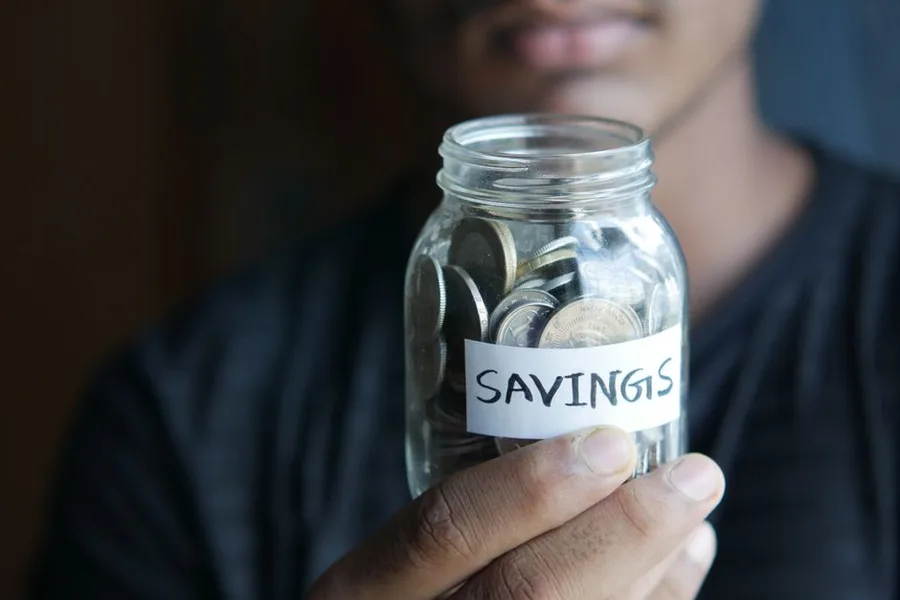
Does Nielsen Pulse Sell Your Data? The Truth About Passive Income Apps
Every passive income app monetizes your data in some form. Here's exactly what Nielsen Pulse, Rakuten, ShopBack, Swagbucks, and Prolific collect, how it's used, who it's sold to, and how to evaluate the privacy trade-off before installing.
Related Topics in Money
Get the Best Deals in Your Inbox
Top offers, expert reviews, and money-saving tips — curated daily by the Verto editorial team.
No spam. Unsubscribe anytime. 47,000+ subscribers.