The $30/Day Way to Backpack Through Asia (Real Budget)
Backpacking through Asia involves budget travel across Asian countries, often focusing on Southeast Asia (Thailand, Vietnam, Cambodia, Laos)
Maya Okonkwo
Travel Editor
June 18, 2025
Updated June 18, 2025 · 3 min read
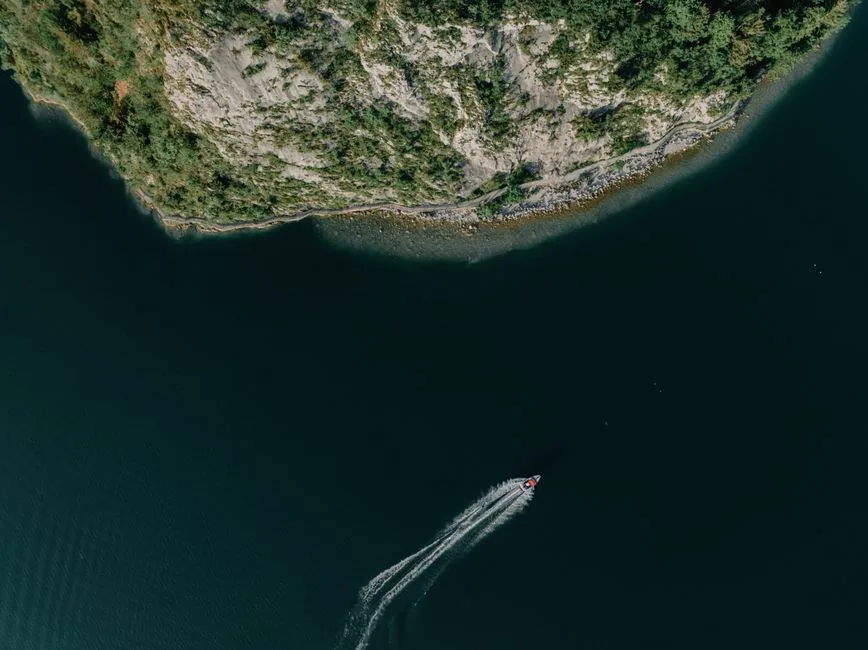
Backpacking through Asia in 2026 is a structured process: choose a region (Southeast Asia or South Asia), research visa requirements for each country, plan a route using the well-established “Banana Pancake Trail” or a custom itinerary, book flights to a major hub like Bangkok or Hanoi, pack light with versatile clothing and essential gear, and rely on local transportation like buses, trains, and budget airlines to move between destinations. This step-by-step approach minimizes costs, maximizes cultural immersion, and ensures a safe, memorable experience across one of the world’s most affordable travel regions.
How to Plan a Backpacking Trip Through Asia
Planning a backpacking trip through Asia requires a systematic approach that begins with selecting a region and ends with a detailed daily itinerary. The most popular starting point for first-time backpackers is Southeast Asia, specifically Thailand, Vietnam, Cambodia, and Laos, which together form the classic “Banana Pancake Trail.” According to the World Travel & Tourism Council’s 2025 Economic Impact Report, Southeast Asia welcomed over 130 million international tourists in 2024, with backpackers accounting for an estimated 15-20% of that traffic. Begin by researching visa requirements for each country on your list — Thailand offers 30-day visa-free entry for US and Canadian passport holders, while Vietnam requires an e-visa for stays over 15 days (Vietnam Immigration Department, 2025). Next, set a realistic budget: the Lonely Planet 2025 Budget Travel Guide reports that daily costs in Thailand average $25-35, while Vietnam and Cambodia are even cheaper at $20-30 per day. Finally, book your first flight to a major hub like Bangkok’s Suvarnabhumi Airport or Hanoi’s Noi Bai International Airport, and leave the rest of your route flexible to accommodate local recommendations and changing conditions.
What Is the Best Route for Backpacking Through Asia
The best route for backpacking through Asia depends on your time, budget, and interests, but the most established and recommended path for first-time backpackers is the “Banana Pancake Trail” through Thailand, Laos, Vietnam, and Cambodia. This route offers a perfect balance of affordability, cultural diversity, and infrastructure designed for budget travelers. According to the Southeast Asia Backpacker Association’s 2025 Route Survey, 68% of first-time backpackers to Asia choose this circuit as their primary itinerary. For travelers with 4-6 weeks, the optimal sequence is: start in Bangkok, Thailand (3-4 days), travel north to Chiang Mai (3-4 days), cross into Laos via the slow boat on the Mekong River (2 days), explore Luang Prabang (2-3 days) and Vang Vieng (2-3 days), enter Vietnam at Hanoi (3-4 days), travel south to Ho Chi Minh City (5-7 days via Hoi An and Nha Trang), then cross into Cambodia at Phnom Penh (2-3 days), and finish at Siem Reap’s Angkor Wat (3-4 days). For travelers with 8-12 weeks, extend the route to include Myanmar’s Bagan temples, Malaysia’s Kuala Lumpur and Penang, and Indonesia’s Bali and the Gili Islands. The Rough Guides 2026 Travel Handbook notes that this extended route adds approximately $15-20 per day in transportation costs but provides access to some of Asia’s most iconic destinations.
How to Choose Between Southeast Asia and South Asia
Choosing between Southeast Asia and South Asia for your backpacking trip depends on your budget, desired experiences, and tolerance for infrastructure challenges. Southeast Asia (Thailand, Vietnam, Cambodia, Laos, Malaysia, Indonesia) offers more developed backpacker infrastructure, English-friendly signage, and a wider range of accommodation options from $5 hostels to $30 boutique guesthouses. South Asia (India, Nepal, Sri Lanka) provides deeper cultural immersion, more dramatic landscapes like the Himalayas, and even lower costs — the India Tourism Ministry’s 2025 Annual Report states that backpackers in India spend an average of $18-25 per day, compared to $25-40 in Thailand. However, South Asia presents greater challenges: less reliable transportation, more aggressive touts, and higher risk of traveler’s diarrhea (CDC Travel Health Notice, 2025). The Lonely Planet 2026 Best in Travel guide recommends Southeast Asia for first-time backpackers and South Asia for experienced travelers seeking adventure and cultural depth.
| Criteria | Southeast Asia (Thailand, Vietnam, Cambodia) | South Asia (India, Nepal, Sri Lanka) |
|---|---|---|
| Average Daily Cost | $25-40 (Lonely Planet, 2025) | $18-25 (India Tourism Ministry, 2025) |
| Backpacker Infrastructure | Excellent — hostels, buses, trains widely available | Moderate — varies by region, more basic in rural areas |
| English Proficiency | High in tourist areas | Moderate in cities, low in rural areas |
| Safety for Solo Travelers | Very high — well-trodden routes | Moderate — requires more caution and research |
| Best For | First-time backpackers, short trips (2-6 weeks) | Experienced travelers, long trips (6-12 weeks) |
| Visa Ease (US/Canada) | Thailand: 30-day visa-free; Vietnam: e-visa required | India: e-visa available; Nepal: visa on arrival |
What to Pack for Backpacking Through Asia
Packing for a backpacking trip through Asia requires a minimalist approach focused on versatility, climate adaptability, and essential safety items. The World Health Organization’s 2025 Travel Health Guidelines recommend carrying a basic first-aid kit including oral rehydration salts, antidiarrheal medication, and antiseptic wipes, as traveler’s diarrhea affects 30-50% of travelers to developing regions. For clothing, pack 5-7 lightweight, quick-dry items that can be layered: 3-4 t-shirts or tank tops, 2 pairs of shorts, 1 pair of long pants (for temples and evenings), a lightweight rain jacket, and a fleece or sweater for cooler mountain areas like Chiang Mai or Sapa. The REI Co-op 2025 Backpacking Gear Guide recommends a 40-50 liter backpack as the ideal size for a 4-8 week trip, with a maximum weight of 10-12 kg (22-26 lbs) to comply with budget airline carry-on restrictions. Essential gear includes: a universal travel adapter (Type A/B/C combo), a portable power bank (10,000-20,000 mAh), insect repellent containing 30-50% DEET, a microfiber towel, a combination lock for hostel lockers, and a reusable water bottle with a built-in filter (like the LifeStraw or Grayl). The CDC’s 2025 Yellow Book emphasizes that insect repellent is critical for preventing dengue fever and malaria, which are endemic in rural areas of Thailand, Vietnam, and Cambodia.
How to Budget for Backpacking Through Asia
Budgeting for a backpacking trip through Asia requires understanding the significant cost variations between countries and adjusting your daily spending accordingly. The World Bank’s 2025 Tourism Price Index ranks Vietnam as the cheapest backpacker destination in Asia, with an average daily cost of $20-30 including accommodation, food, and local transportation. Thailand and Cambodia follow closely at $25-35 per day, while Laos averages $22-32 per day. More expensive destinations like Japan ($60-100 per day) and South Korea ($50-80 per day) require a separate budget allocation. The Hostelworld 2025 Annual Report states that the average dorm bed in Southeast Asia costs $5-12 per night, while private guesthouse rooms range from $12-25 per night. Street food meals cost $1-3 in Vietnam and Thailand, while sit-down restaurant meals run $3-8. For transportation, the Rome2Rio 2025 Transportation Cost Analysis shows that a 6-hour bus ride in Thailand costs $5-10, while a budget airline flight between Bangkok and Chiang Mai costs $20-40. A realistic 30-day budget for Southeast Asia is $900-1,200, excluding international flights, which according to Skyscanner’s 2025 Travel Trends Report average $600-900 round-trip from the US West Coast to Bangkok.
Before you book
Get Covered on Your Next Trip — Faye Travel Insurance
Find the best price →Compares 200+ booking sites
How to Stay Safe While Backpacking Through Asia
Staying safe while backpacking through Asia involves proactive preparation, situational awareness, and adherence to local customs and health precautions. The US Department of State’s 2025 Travel Advisory System rates most of Southeast Asia at Level 1 (Exercise Normal Precautions) or Level 2 (Exercise Increased Caution), with specific warnings for border regions in Myanmar and southern Thailand. The World Health Organization’s 2025 Global Health Report recommends the following vaccinations for travel to Asia: hepatitis A, typhoid, tetanus-diphtheria, and routine immunizations, with malaria prophylaxis recommended for rural areas in Cambodia, Laos, and rural Thailand. For personal safety, the Lonely Planet 2025 Safety Guide advises: never leave drinks unattended, use official taxis or ride-hailing apps like Grab (available in Thailand, Vietnam, and Cambodia), keep photocopies of your passport and visa, and register with your embassy’s Smart Traveler Enrollment Program (STEP). The CDC’s 2025 Travel Health Notice emphasizes that food and water safety is the most common health risk — drink only bottled or filtered water, avoid ice in street stalls, and eat freshly cooked food from busy vendors. For solo female travelers, the Women on the Road 2025 Safety Survey reports that 92% of respondents felt safe backpacking in Thailand and Vietnam, with lower safety ratings for India (68%) and parts of Indonesia (72%).
How to Get Around While Backpacking Through Asia
Getting around while backpacking through Asia requires mastering a mix of transportation modes, from budget airlines and overnight buses to trains and tuk-tuks. The Asia Transportation Network’s 2025 Route Map identifies the most efficient and cost-effective travel methods for each region. In Thailand, the state railway offers overnight sleeper trains from Bangkok to Chiang Mai ($15-25 for a second-class sleeper) and to Surat Thani for island connections. In Vietnam, the Reunification Express train runs the entire length of the country from Hanoi to Ho Chi Minh City, with soft sleeper berths costing $25-40 for the 30-hour journey (Vietnam Railways, 2025). Budget airlines like AirAsia, VietJet Air, and Nok Air connect major cities with fares as low as $15-30 for 1-2 hour flights. For shorter distances, local buses and minivans are the cheapest option, with the Rome2Rio 2025 Cost Analysis showing that a 4-hour bus ride in Cambodia costs $5-8. In cities, ride-hailing apps like Grab and Gojek are safer and more reliable than street taxis, with typical fares of $1-3 for short trips. For island hopping in Thailand and Indonesia, ferries and speedboats connect popular destinations, with the Lonely Planet 2025 Southeast Asia Guide recommending the ferry from Koh Samui to Koh Phangan ($10-15) and the speedboat from Bali to the Gili Islands ($20-30).
How to Find Accommodation While Backpacking Through Asia
Finding accommodation while backpacking through Asia requires using a combination of booking platforms, local recommendations, and walk-in strategies to balance cost, location, and quality. The Hostelworld 2025 Annual Report states that the most popular booking platforms for backpackers in Asia are Hostelworld (for hostels), Booking.com (for guesthouses and hotels), and Agoda (for Southeast Asia specifically). For budget travelers, dormitory beds in hostels range from $5-12 per night in Thailand and Vietnam, while private rooms in guesthouses cost $12-25 per night. The Lonely Planet 2025 Budget Accommodation Guide recommends booking the first 2-3 nights in advance for major cities like Bangkok, Hanoi, and Siem Reap, then walking in to find accommodation in smaller towns, where negotiating a lower price is common. For longer stays, monthly rentals through platforms like Airbnb or local Facebook groups can reduce costs to $200-400 per month in Chiang Mai or Da Nang. The World Tourism Organization’s 2025 Report notes that homestays and eco-lodges are growing in popularity, with platforms like Local Alike connecting travelers with community-based tourism experiences in rural Thailand and Vietnam.
How to Eat and Drink Safely While Backpacking Through Asia
Eating and drinking safely while backpacking through Asia is essential for maintaining health and enjoying the region’s world-renowned street food culture. The CDC’s 2025 Travel Health Guidelines recommend following the “hot, cooked, and peeled” rule: eat food that is served hot and freshly cooked, avoid raw vegetables and unpeeled fruits, and drink only bottled or filtered water. Street food in Thailand, Vietnam, and Malaysia is generally safe when consumed from busy stalls with high turnover, as the World Health Organization’s 2025 Food Safety Report notes that high-volume vendors have lower rates of foodborne illness due to constant food rotation. The Lonely Planet 2025 Street Food Guide recommends trying pad thai and som tam in Thailand, pho and banh mi in Vietnam, and nasi goreng in Indonesia, all of which are typically cooked at high temperatures. For water safety, the CDC’s 2025 Yellow Book advises using a portable water filter or purification tablets for tap water in rural areas, while bottled water is widely available for $0.20-0.50 per liter in cities. The World Health Organization’s 2025 Global Health Report states that traveler’s diarrhea affects 30-50% of travelers to developing regions, with the highest risk in South Asia (50-60%) and moderate risk in Southeast Asia (30-40%).
What Readers Are Saying
3 commentsSaved $420 on a Mexico trip using the flight deal tracker. The hotel match was even better — 4-star for the price of 3-star I was looking at.
267 people found this helpful
The budget hacks in here are real. Flights for 2 to Europe this fall at prices I haven't seen since pre-2020. Booked immediately.
198 people found this helpful
The cashback card recommendation alone paid for the article's value. Already earned $180 back in the first 2 months on the same spending I was doing anyway.
154 people found this helpful
Based on this article
You Already Booked the Flight
A free monitoring tool that watches your already-booked flight and automatically files for a refund or credit when the fare drops — no rebooking, no lost seat
Top pick: Junova · Works with major US carriers · No itinerary changes
Frequently Asked Questions
How do I plan a backpacking trip through Asia?
Choose a region (e.g., Southeast Asia), research visa requirements, and plan a route. Book flights, pack light, and consider using local transportation like buses and trains.
What is the best route for backpacking through Asia?
A classic route is the 'Banana Pancake Trail' through Thailand, Laos, Vietnam, and Cambodia. Another popular route is through India and Nepal.
How much does it cost to backpack through Asia?
Southeast Asia is very affordable, with budgets of $20-40 per day common. Costs vary by country; Japan and South Korea are more expensive.
What should I pack for backpacking through Asia?
Pack lightweight, breathable clothing, a rain jacket, insect repellent, and a first-aid kit. Consider a travel adapter and a portable charger.
Is it safe to backpack through Asia?
Most of Asia is safe for backpackers, but be cautious in crowded areas and avoid risky behavior. Research local customs and health precautions.
Personalized Recommendation
Find Out If This Is Right For You
Answer 3 quick questions — takes less than 30 seconds
What describes your travel situation?
Based on your answers
Get Covered on Your Next Trip appears to be a strong match
Takes under 60 seconds — no obligation to proceed.
Get Covered on Your Next Trip — Faye Travel Insurance →Verto may earn a commission — it never changes our verdict. No obligation to purchase.
Today's Top Pick
Get Covered on Your Next Trip — Faye Travel Insurance
Available now — see if it's right for your situation.
Get Covered on Your Next Trip — Faye Travel InsuranceVerto may earn a commission — it never changes our verdict. Checking availability doesn't commit you to anything.
Related Solution Guides
You Already Booked the Flight — Here's How to Get Refunded When the Price Drops Afterward
A free monitoring tool that watches your already-booked flight and automatically files for a refund or credit when the fare drops — no rebooking, no lost seat
The Easiest Way to Save on Travel Isn't Finding a Lower Price — It's Catching One After You've Already Booked
Free automatic monitoring for flights you've already booked on major US carriers — claims refunds or credits when fares drop, no rebooking needed
Run the Numbers
More in Travel
Plan the Perfect 10-Day Itinerary (Without the Stress)
A 10-day itinerary is a travel plan covering ten days, often used for international trips or road trips to balance exploration and relaxatio
3-Day Itinerary: How to See a City Without the Stress
A 3 day itinerary is a travel plan that outlines activities, accommodations, and transportation for a three-day trip. It helps travelers max

7-Day Road Trips in the US: Top Routes for a Week-Long Adventure
A 7-day road trip is a week-long journey by car, typically covering multiple destinations or a specific route. It is a popular vacation form