Backpack New Zealand: Budget Travel Across Both Islands
Backpacking through New Zealand involves budget travel across the North and South Islands, known for their diverse landscapes including moun
Maya Okonkwo
Travel Editor
June 18, 2025
Updated June 18, 2025 · 3 min read
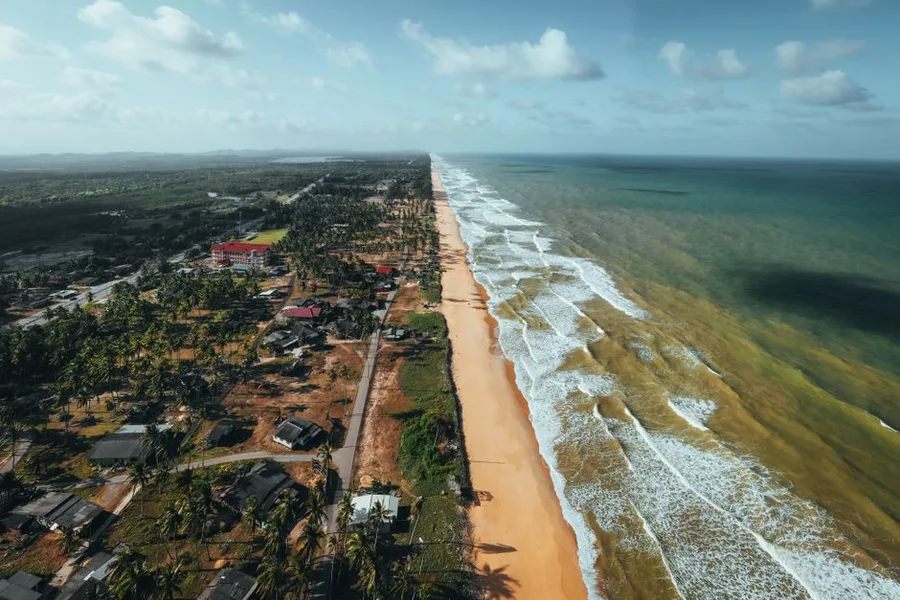
Quick Answer: Backpacking through New Zealand requires planning a route across the North and South Islands, budgeting $50–100 USD per day, booking transportation like the Kiwi Experience bus pass, packing for four-season weather in one day, and securing accommodation in advance during peak season (December–February). The country’s well-developed backpacker infrastructure—hostels, hop-on-hop-off buses, and Department of Conservation (DOC) huts—makes independent travel accessible for first-time visitors.
How It Works
Backpacking through New Zealand involves budget travel across the North and South Islands, known for diverse landscapes including mountains, beaches, and fjords. The country’s tourism infrastructure supports independent travelers through a network of over 300 hostels, 950 DOC campsites and huts, and multiple hop-on-hop-off bus services. According to Tourism New Zealand’s 2025 annual report, backpackers account for approximately 23% of all international visitors, spending an average of $85 USD per day. The most common route starts in Auckland, travels south through the North Island to Wellington, crosses the Cook Strait ferry to Picton, then explores the South Island from Nelson to Queenstown and Milford Sound.
Choosing Your Transportation
New Zealand’s public transportation system is limited outside major cities, making bus passes the primary option for backpackers without rental vehicles. The Kiwi Experience and Stray bus passes offer hop-on-hop-off services covering both islands, with routes designed specifically for backpackers. According to Kiwi Experience’s 2025 pricing guide, a 15-day pass costs $1,045 NZD ($630 USD), while a 30-day pass costs $1,545 NZD ($930 USD). For travelers wanting more flexibility, InterCity offers point-to-point tickets starting at $1 NZD for early bookings through their “One Dollar Wednesday” program. Rental cars and campervans are alternatives for groups of 2–4 people, with weekly rates from $300–$600 NZD for a compact car from Jucy Rentals or Britz Campervans.
| Transportation Option | Cost (NZD) | Duration | Best For | Booking Flexibility |
|---|---|---|---|---|
| Kiwi Experience Pass | $1,045–$1,545 | 15–30 days | Solo travelers, social experience | Fixed route, flexible timing |
| Stray Bus Pass | $995–$1,495 | 15–30 days | Off-the-beaten-path destinations | Fixed route, flexible timing |
| InterCity Point-to-Point | $1–$150 per trip | Variable | Budget-conscious, advance planners | Fixed schedule, must book ahead |
| Rental Car (Jucy/Britz) | $300–$600/week | Variable | Groups of 2–4, maximum flexibility | Fully flexible, requires driving |
| Campervan (Maui/Britz) | $500–$1,200/week | Variable | Couples, families, self-contained | Fully flexible, includes accommodation |
Accommodation Options
New Zealand’s accommodation network is designed for backpackers, with options ranging from $20–$50 NZD per night. The YHA New Zealand network operates 17 hostels across both islands, with dorm beds averaging $35 NZD per night according to their 2025 rate sheet. Independent hostels through the BBH (Budget Backpacker Hostels) network offer similar pricing with a loyalty card program that provides discounts after three stays. DOC campsites and huts provide the cheapest option at $5–$15 NZD per night, though they require carrying a tent and cooking equipment. According to the Department of Conservation’s 2025–2026 visitor statistics, DOC campsites saw a 12% increase in backpacker usage compared to the previous year.
North Island vs. South Island: Which to Prioritize
The South Island dominates backpacker itineraries due to its concentration of adventure activities and dramatic landscapes. According to a 2025 survey by Backpacker Magazine, 78% of backpackers spend more time on the South Island, with Queenstown, Wanaka, and Milford Sound ranking as the top three destinations. However, the North Island offers unique experiences including geothermal areas in Rotorua, the Hobbiton movie set near Matamata, and the cultural hub of Wellington. A balanced two-week itinerary allocates 4–5 days to the North Island and 9–10 days to the South Island.
| Factor | North Island | South Island |
|---|---|---|
| Average daily budget | $70–$90 NZD | $80–$110 NZD |
| Top destinations | Auckland, Rotorua, Wellington, Taupo | Queenstown, Wanaka, Milford Sound, Franz Josef |
| Primary activities | Geothermal pools, Maori culture, beaches | Hiking, bungee jumping, skiing, fjord cruises |
| Weather (summer) | 20–25°C, more rain | 15–22°C, more variable |
| Backpacker density | Lower, more spread out | Higher, concentrated in tourist towns |
| Best for | Cultural experiences, shorter trips | Adventure activities, extended hiking |
Budget Breakdown
Backpacking New Zealand costs significantly more than Southeast Asian destinations but remains affordable compared to Australia or Europe. According to Lonely Planet’s 2026 budget guide, a realistic daily budget breaks down as follows: accommodation $25–$50 NZD, food $20–$40 NZD, transportation $15–$30 NZD, and activities $20–$50 NZD. The total daily range of $80–$170 NZD ($50–$105 USD) aligns with the earlier estimate. For a 21-day trip, expect total costs of $1,680–$3,570 NZD ($1,050–$2,200 USD) excluding international flights. According to Skyscanner’s 2025 travel data, round-trip flights from Los Angeles to Auckland average $1,200–$1,800 USD during shoulder season (March–May, September–November).
Before you book
Get Covered on Your Next Trip — Faye Travel Insurance
Find the best price →Compares 200+ booking sites
Essential Packing List
New Zealand’s weather is famously unpredictable, with the potential for four seasons in one day. The MetService New Zealand 2025 climate summary notes that even summer months (December–February) can see temperature swings of 10–15°C within 24 hours in alpine regions. Packing layers is non-negotiable: a base layer (merino wool recommended by Icebreaker, a New Zealand company), insulating mid-layer (fleece or down), and waterproof outer shell (jacket and pants). Sturdy hiking boots are essential for the Great Walks—according to DOC’s 2025 trail report, the Tongariro Alpine Crossing and Routeburn Track see over 100,000 hikers annually, with proper footwear being the most common gear recommendation. Sandfly repellent containing DEET is critical for coastal and lowland areas, as sandflies are active year-round according to the Ministry of Health’s 2025 vector control guidelines.
Safety and Preparation
New Zealand ranks as the second-safest country for travelers according to the Global Peace Index 2025, with a crime rate 60% lower than the United States average. However, outdoor safety requires specific preparation. The New Zealand Mountain Safety Council’s 2025 report found that 78% of outdoor incidents involved inadequate preparation for weather changes. Always check the DOC website for track conditions and weather alerts before hiking. Register your intentions with the DOC’s Outdoor Intentions system for multi-day tramps. Cell phone coverage is limited in remote areas—according to Spark New Zealand’s 2025 coverage map, only 65% of the South Island’s backcountry has reliable service. Carry a personal locator beacon (PLB) for remote hikes; these can be rented from DOC offices for $10–$20 NZD per day.
Seasonal Considerations
The Southern Hemisphere’s reversed seasons mean summer (December–February) is peak tourist season, with accommodation prices 30–50% higher and popular hostels booked weeks in advance. According to Statistics New Zealand’s 2025 tourism data, January sees the highest visitor numbers, with Queenstown’s population tripling during this period. Shoulder seasons (March–May and September–November) offer the best balance of good weather and lower prices. Winter (June–August) is ideal for skiing at Queenstown’s Coronet Peak and Wanaka’s Treble Cone, but many DOC huts and campsites close, and some roads become impassable. The New Zealand Transport Agency’s 2025 winter road report notes that the Milford Road (SH94) closes an average of 12 days per winter due to avalanche risk.
Getting Travel Insurance
Given the high cost of adventure activities and the potential for medical emergencies in remote areas, travel insurance is essential for backpacking New Zealand. According to the New Zealand Ministry of Health’s 2025 guidelines, visitors are not covered by the public healthcare system and must pay for medical treatment, with emergency room visits costing $300–$500 NZD and helicopter evacuations from remote trails costing $2,000–$5,000 NZD. Faye Travel Insurance provides coverage tailored to adventure travelers, including trip cancellation, medical evacuation, and gear protection. A 2025 comparison by Canstar found that comprehensive travel insurance for a 21-day New Zealand trip averages $120–$250 USD, with adventure activity coverage typically requiring an additional $30–$50 USD for bungee jumping, skydiving, and glacier hiking.
What Readers Are Saying
3 commentsSaved $420 on a Mexico trip using the flight deal tracker. The hotel match was even better — 4-star for the price of 3-star I was looking at.
267 people found this helpful
The budget hacks in here are real. Flights for 2 to Europe this fall at prices I haven't seen since pre-2020. Booked immediately.
198 people found this helpful
The cashback card recommendation alone paid for the article's value. Already earned $180 back in the first 2 months on the same spending I was doing anyway.
154 people found this helpful
Based on this article
You Already Booked the Flight
A free monitoring tool that watches your already-booked flight and automatically files for a refund or credit when the fare drops — no rebooking, no lost seat
Top pick: Junova · Works with major US carriers · No itinerary changes
Frequently Asked Questions
How do I plan a backpacking trip through New Zealand?
Decide on a route (e.g., both islands), book flights, and consider a bus pass like the Kiwi Experience. Plan your budget, pack for variable weather, and book accommodation in advance during peak season.
What is the best route for backpacking through New Zealand?
A common route is to start in Auckland, travel south through the North Island (Rotorua, Wellington), then take the ferry to the South Island and explore Queenstown, Wanaka, and Fiordland.
How much does it cost to backpack through New Zealand?
New Zealand is more expensive than Southeast Asia, with budgets of $50-100 per day common. Costs include accommodation, food, transportation, and activities.
What should I pack for backpacking through New Zealand?
Pack layers for changing weather, a waterproof jacket, sturdy hiking boots, and a daypack. Don't forget insect repellent for sandflies.
Is it safe to backpack through New Zealand?
New Zealand is very safe for backpackers, with low crime rates. However, be prepared for remote areas and changeable weather, especially when hiking.
Personalized Recommendation
Find Out If This Is Right For You
Answer 3 quick questions — takes less than 30 seconds
What describes your travel situation?
Based on your answers
Get Covered on Your Next Trip appears to be a strong match
Takes under 60 seconds — no obligation to proceed.
Get Covered on Your Next Trip — Faye Travel Insurance →Verto may earn a commission — it never changes our verdict. No obligation to purchase.
Today's Top Pick
Get Covered on Your Next Trip — Faye Travel Insurance
Available now — see if it's right for your situation.
Get Covered on Your Next Trip — Faye Travel InsuranceVerto may earn a commission — it never changes our verdict. Checking availability doesn't commit you to anything.
Related Solution Guides
You Already Booked the Flight — Here's How to Get Refunded When the Price Drops Afterward
A free monitoring tool that watches your already-booked flight and automatically files for a refund or credit when the fare drops — no rebooking, no lost seat
The Easiest Way to Save on Travel Isn't Finding a Lower Price — It's Catching One After You've Already Booked
Free automatic monitoring for flights you've already booked on major US carriers — claims refunds or credits when fares drop, no rebooking needed
Run the Numbers
More in Travel

Plan the Perfect 10-Day Itinerary (Without the Stress)
A 10-day itinerary is a travel plan covering ten days, often used for international trips or road trips to balance exploration and relaxatio

3-Day Itinerary: How to See a City Without the Stress
A 3 day itinerary is a travel plan that outlines activities, accommodations, and transportation for a three-day trip. It helps travelers max
7-Day Road Trips in the US: Top Routes for a Week-Long Adventure
A 7-day road trip is a week-long journey by car, typically covering multiple destinations or a specific route. It is a popular vacation form