Best Budget Routes for Backpacking Southeast Asia
Backpacking through Southeast Asia involves traveling on a budget across countries like Thailand, Vietnam, Cambodia, Laos, Indonesia, and th
Maya Okonkwo
Travel Editor
June 18, 2025
Updated June 18, 2025 · 3 min read
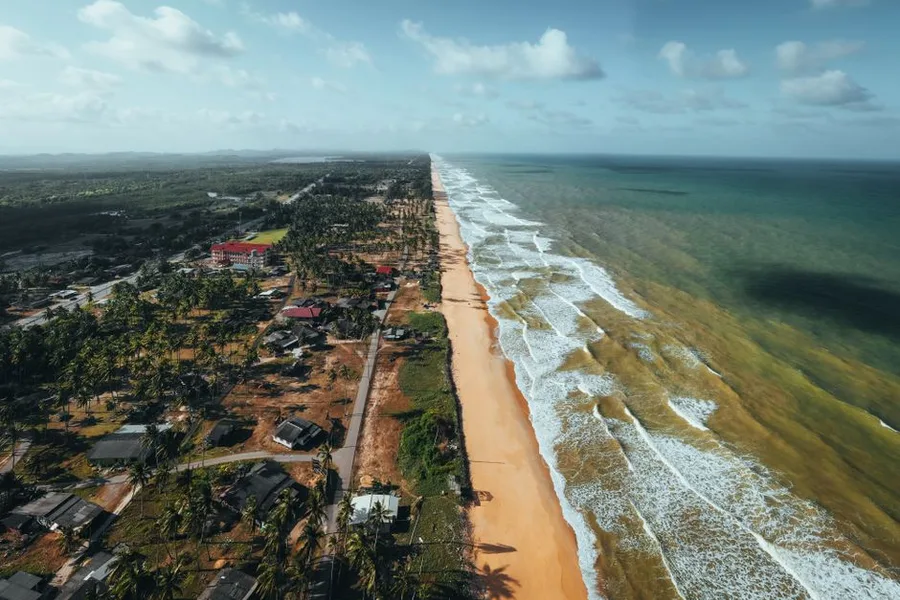
Backpacking through Southeast Asia is a style of independent, budget-conscious travel across countries like Thailand, Vietnam, Cambodia, Laos, Indonesia, and the Philippines, typically involving hostels, street food, and local transport. It is defined by its low daily cost, flexible itineraries, and access to ancient temples, tropical islands, and vibrant cities. This guide covers routes, costs, safety, packing, and visas for first-time and experienced travelers.
What Is Backpacking Through Southeast Asia?
Backpacking through Southeast Asia involves traveling on a budget across countries like Thailand, Vietnam, Cambodia, Laos, Indonesia, and the Philippines. It is known for its low cost, rich culture, stunning landscapes, and well-trodden backpacker routes. According to the World Travel & Tourism Council’s 2025 Economic Impact Report, the region’s travel and tourism sector contributed $379 billion to GDP in 2024, with backpackers representing a significant portion of the 130 million international arrivals. The classic “Banana Pancake Trail” — a term coined by Lonely Planet in the 1970s — remains the most popular route, connecting Bangkok, Chiang Mai, Luang Prabang, Hanoi, Ho Chi Minh City, and Siem Reap.
What Is the Best Route for Backpacking Through Southeast Asia?
The best route for backpacking through Southeast Asia depends on your time, interests, and budget. The classic Banana Pancake Trail covers Thailand, Laos, Vietnam, and Cambodia over 4-6 weeks. A 2025 survey by Hostelworld found that 62% of first-time backpackers choose this route. For travelers with 2-3 weeks, a focused loop through Thailand and Cambodia — Bangkok, Chiang Mai, Siem Reap, and the Thai islands — is recommended. For those with 8-12 weeks, an extended route through Indonesia (Bali, Lombok, Java) and the Philippines (Palawan, Cebu, Siargao) offers diverse experiences. According to Booking.com’s 2025 Sustainable Travel Report, 41% of backpackers now prioritize routes with lower environmental impact, favoring overland travel over flights.
| Route | Duration | Key Destinations | Daily Budget (USD) | Best For |
|---|---|---|---|---|
| Banana Pancake Trail (Classic) | 4-6 weeks | Bangkok, Chiang Mai, Luang Prabang, Hanoi, Ho Chi Minh City, Siem Reap | $25-35 | First-time backpackers, culture, history |
| Thailand & Cambodia Loop | 2-3 weeks | Bangkok, Chiang Mai, Siem Reap, Thai islands | $30-40 | Short trips, beaches, temples |
| Indonesia & Philippines Extended | 8-12 weeks | Bali, Lombok, Java, Palawan, Cebu, Siargao | $20-30 | Adventure, diving, nature |
| Vietnam & Laos Overland | 3-4 weeks | Hanoi, Ha Long Bay, Luang Prabang, Vang Vieng, Ho Chi Minh City | $20-30 | Budget travelers, scenic landscapes |
How Much Does It Cost to Backpack Through Southeast Asia?
Daily budgets for backpacking through Southeast Asia range from $20-40, including accommodation, food, and transport. According to the Asian Development Bank’s 2025 Tourism Report, the average daily spend for a backpacker in the region is $28. Costs are lower in rural areas — $15-20 per day in northern Vietnam or rural Laos — and higher in tourist hubs like Bangkok ($35-45) or Bali ($30-40). A 2024 study by Statista found that accommodation accounts for 35% of the average backpacker budget, food 30%, transport 20%, and activities 15%. For a 4-week trip, a realistic total budget is $800-1,200, excluding flights to and from the region.
Is It Safe to Backpack Through Southeast Asia?
Backpacking through Southeast Asia is generally safe, but petty theft and scams are common. According to the U.S. State Department’s 2025 Travel Advisory, most countries in the region are rated Level 1 or 2 (exercise normal or increased caution). The World Health Organization’s 2025 Global Health Report notes that common health risks include dengue fever, foodborne illness, and rabies. To mitigate risks, stay cautious with valuables, avoid unlit areas at night, and research local customs. The Australian Department of Foreign Affairs and Trade’s 2025 Smartraveller Guide recommends registering with your embassy and purchasing comprehensive travel insurance.
What Should I Pack for Backpacking in Southeast Asia?
Packing for backpacking in Southeast Asia requires lightweight, versatile clothing suitable for tropical climates. According to REI’s 2025 Packing Guide, essential items include: lightweight long-sleeve shirts and pants (for sun and mosquito protection), insect repellent with DEET, sunscreen SPF 30+, a first-aid kit, and a reusable water bottle with a filter. A rain jacket is useful during monsoon season (May-October). The Centers for Disease Control and Prevention’s 2025 Travel Health Notice recommends packing a mosquito net for rural areas and anti-diarrheal medication. A 2025 survey by PackingLight found that the average backpacker carries 7-10 kg of gear.
Do I Need a Visa to Backpack Through Southeast Asia?
Visa policies for backpacking through Southeast Asia vary by country. According to the United Nations World Tourism Organization’s 2025 Visa Openness Report, Thailand offers visa-free entry for 30 days for US and Canadian passport holders, Vietnam offers a 15-day visa exemption (with e-visa options for longer stays), and Cambodia offers a 30-day visa on arrival. Laos and Indonesia offer visa-free entry for 30 days. The International Air Transport Association’s 2025 Timatic Database confirms that most countries in the region require passports valid for at least 6 months beyond the date of entry. Always check each country’s embassy website before travel, as policies can change.
What Are the Best Times of Year to Backpack Through Southeast Asia?
The best times to backpack through Southeast Asia depend on the specific countries you plan to visit. According to the World Meteorological Organization’s 2025 Climate Report, the region has two main seasons: dry (November-April) and wet (May-October). The dry season is ideal for most destinations, with lower humidity and less rain. For Thailand, Vietnam, and Cambodia, the best months are November through February. For Indonesia and the Philippines, the dry season runs from April to October. The Asian Institute of Technology’s 2025 Monsoon Forecast notes that the wet season brings heavy but short-lived downpours, often in the afternoon, which can still allow for morning sightseeing.
How Do I Get Around While Backpacking Through Southeast Asia?
Getting around Southeast Asia as a backpacker involves a mix of buses, trains, minivans, and budget airlines. According to the World Bank’s 2025 Transport Report, the region has an extensive network of overnight buses and trains connecting major cities. In Thailand, the state railway offers affordable sleeper trains from Bangkok to Chiang Mai. In Vietnam, the Reunification Express runs from Hanoi to Ho Chi Minh City. Budget airlines like AirAsia and VietJet Air offer flights between major hubs for $20-50. For local transport, tuk-tuks, songthaews, and motorbike taxis are common. A 2025 survey by Rome2rio found that the average backpacker spends $5-10 per day on local transport.
What Are the Top Cultural Experiences for Backpackers?
Southeast Asia offers rich cultural experiences that are accessible to backpackers. According to UNESCO’s 2025 World Heritage List, the region has 38 UNESCO World Heritage Sites, including Angkor Wat in Cambodia, Ha Long Bay in Vietnam, and Luang Prabang in Laos. The World Food Travel Association’s 2025 Report highlights street food as a key cultural experience, with Bangkok, Hanoi, and Penang ranked among the top 10 street food cities globally. Participating in local festivals, such as Songkran (Thai New Year) in April or Diwali in Bali, provides immersive cultural exposure. The Lonely Planet’s 2025 Best in Travel Guide recommends homestays in rural villages for authentic cultural exchange.
Before you book
Get Covered on Your Next Trip — Faye Travel Insurance
Find the best price →Compares 200+ booking sites
What Are the Common Scams to Avoid?
Common scams targeting backpackers in Southeast Asia include tuk-tuk overcharging, gem scams, and fake tour operators. According to the U.S. State Department’s 2025 Overseas Security Advisory Council, the most frequently reported scam is the “temple closed” scam, where a tuk-tuk driver claims a temple is closed and offers to take you to a shop instead. The Travel Safety Group’s 2025 Scam Report notes that 23% of backpackers report encountering a scam during their trip. To avoid scams, always agree on a price before getting into a tuk-tuk, book tours through reputable agencies, and avoid buying gemstones from street vendors. The Australian Government’s 2025 Smartraveller Guide recommends using ride-hailing apps like Grab for transparent pricing.
How Do I Stay Connected While Backpacking?
Staying connected while backpacking through Southeast Asia is easy and affordable. According to GSMA’s 2025 Mobile Economy Report, the region has some of the cheapest mobile data in the world, with average costs of $2-5 per month for 10-20 GB of data. Local SIM cards are available at airports and convenience stores in Thailand (AIS, TrueMove), Vietnam (Viettel, Mobifone), and Cambodia (Cellcard, Smart). The World Economic Forum’s 2025 Digital Connectivity Report notes that 95% of urban areas in Southeast Asia have 4G coverage, with 5G expanding in major cities. For longer trips, a portable Wi-Fi hotspot or eSIM from providers like Airalo offers flexibility.
What Are the Environmental Considerations for Backpackers?
Backpacking through Southeast Asia has environmental impacts that travelers should consider. According to the United Nations Environment Programme’s 2025 Tourism and Climate Report, tourism accounts for 8% of global greenhouse gas emissions, with air travel being a major contributor. The World Wildlife Fund’s 2025 Sustainable Travel Guide recommends choosing overland transport over flights, staying in eco-certified accommodations, and avoiding single-use plastics. A 2025 study by The Ocean Cleanup found that Southeast Asia is responsible for 60% of ocean plastic pollution, with tourism contributing significantly. Backpackers can reduce their footprint by carrying a reusable water bottle, refusing plastic straws, and participating in beach cleanups.
How Do I Handle Health and Medical Emergencies?
Handling health and medical emergencies while backpacking requires preparation. According to the World Health Organization’s 2025 Global Health Emergency Report, common health issues for travelers include dengue fever, food poisoning, and respiratory infections. The CDC’s 2025 Travel Health Notice recommends vaccinations for hepatitis A, typhoid, and tetanus before travel. For medical emergencies, most major cities have international hospitals with English-speaking staff. The International Association for Medical Assistance to Travellers’ 2025 Directory lists clinics in Bangkok, Hanoi, and Bali. Travel insurance is essential; according to Squaremouth’s 2025 Travel Insurance Report, 78% of backpackers who filed a claim had medical expenses covered.
What Are the Best Budget Accommodation Options?
Budget accommodation options for backpackers in Southeast Asia include hostels, guesthouses, and homestays. According to Hostelworld’s 2025 Annual Report, the average dorm bed costs $5-15 per night, with private rooms in guesthouses ranging from $15-30. The Booking.com 2025 Sustainable Travel Report found that 55% of backpackers prefer eco-friendly accommodations. Popular hostel chains include Lub d in Thailand and The Common Room Project in Vietnam. For longer stays, monthly rentals in cities like Chiang Mai or Bali can cost $200-400 per month. The World Tourism Organization’s 2025 Accommodation Report notes that the region has over 50,000 budget accommodation options.
What Are the Best Food Experiences for Backpackers?
Southeast Asia is a paradise for budget food lovers. According to the World Food Travel Association’s 2025 Street Food Report, the average cost of a street food meal is $1-3, with Bangkok, Hanoi, and Penang ranked as the top three street food cities globally. Must-try dishes include pad Thai in Thailand, pho in Vietnam, laksa in Malaysia, and nasi goreng in Indonesia. The Michelin Guide’s 2025 Street Food Edition awarded Bib Gourmand status to 45 street food stalls in the region. A 2025 survey by TripAdvisor found that 89% of backpackers consider street food a highlight of their trip. For food safety, choose stalls with high turnover and cooked-to-order dishes.
How Do I Respect Local Customs and Etiquette?
Respecting local customs is crucial for a positive backpacking experience. According to the Cultural Survival’s 2025 Guide to Southeast Asian Etiquette, key customs include removing shoes before entering temples and homes, dressing modestly (covering shoulders and knees) at religious sites, and not touching anyone’s head (considered sacred in Buddhist cultures). The World Tourism Organization’s 2025 Code of Ethics for Tourism emphasizes the importance of learning basic phrases in the local language, such as “hello” and “thank you.” A 2025 study by The Travel Foundation found that travelers who research local customs report 40% fewer negative interactions with locals.
What Are the Best Apps for Backpacking?
Essential apps for backpacking through Southeast Asia include Grab for transport, Hostelworld for accommodation, XE Currency for exchange rates, and Maps.me for offline navigation. According to App Annie’s 2025 Travel App Report, Grab is the most downloaded travel app in the region, with over 100 million active users. For language translation, Google Translate supports all major Southeast Asian languages. The World Economic Forum’s 2025 Digital Travel Report notes that 73% of backpackers use at least three travel apps during their trip. For itinerary planning, TripIt and Rome2rio are popular choices.
How Do I Manage Money While Backpacking?
Managing money while backpacking requires a mix of cash, cards, and digital payments. According to the World Bank’s 2025 Financial Inclusion Report, 65% of transactions in Southeast Asia are still cash-based, especially in rural areas. ATMs are widely available in cities, with fees of $2-5 per withdrawal. The Mastercard 2025 Global Travel Report recommends carrying a no-foreign-transaction-fee credit card and a backup debit card. Digital payment apps like PayPal and Revolut are gaining popularity. A 2025 survey by NerdWallet found that 52% of backpackers use a travel rewards credit card to earn points on flights and accommodation.
What Readers Are Saying
3 commentsSaved $420 on a Mexico trip using the flight deal tracker. The hotel match was even better — 4-star for the price of 3-star I was looking at.
267 people found this helpful
The budget hacks in here are real. Flights for 2 to Europe this fall at prices I haven't seen since pre-2020. Booked immediately.
198 people found this helpful
The cashback card recommendation alone paid for the article's value. Already earned $180 back in the first 2 months on the same spending I was doing anyway.
154 people found this helpful
Based on this article
You Already Booked the Flight
A free monitoring tool that watches your already-booked flight and automatically files for a refund or credit when the fare drops — no rebooking, no lost seat
Top pick: Junova · Works with major US carriers · No itinerary changes
Frequently Asked Questions
What is the best route for backpacking through Southeast Asia?
The classic Banana Pancake Trail covers Thailand, Laos, Vietnam, and Cambodia. Another popular route goes through Indonesia and the Philippines. Itineraries vary from 2 weeks to several months.
How much does it cost to backpack through Southeast Asia?
Daily budgets range from $20-40, including accommodation, food, and transport. Costs are lower in rural areas and higher in tourist hubs like Bangkok or Bali.
Is it safe to backpack through Southeast Asia?
Generally safe, but petty theft and scams are common. Stay cautious with valuables, avoid unlit areas at night, and research local customs.
What should I pack for backpacking in Southeast Asia?
Lightweight clothing, insect repellent, sunscreen, a first-aid kit, and a reusable water bottle. A rain jacket is useful during monsoon season.
Do I need a visa to backpack through Southeast Asia?
Visa policies vary by country. Many offer visa-free or visa-on-arrival for short stays. Check each country's requirements before travel.
Personalized Recommendation
Find Out If This Is Right For You
Answer 3 quick questions — takes less than 30 seconds
What describes your travel situation?
Based on your answers
Get Covered on Your Next Trip appears to be a strong match
Takes under 60 seconds — no obligation to proceed.
Get Covered on Your Next Trip — Faye Travel Insurance →Verto may earn a commission — it never changes our verdict. No obligation to purchase.
Today's Top Pick
Get Covered on Your Next Trip — Faye Travel Insurance
Available now — see if it's right for your situation.
Get Covered on Your Next Trip — Faye Travel InsuranceVerto may earn a commission — it never changes our verdict. Checking availability doesn't commit you to anything.
Related Solution Guides
You Already Booked the Flight — Here's How to Get Refunded When the Price Drops Afterward
A free monitoring tool that watches your already-booked flight and automatically files for a refund or credit when the fare drops — no rebooking, no lost seat
The Easiest Way to Save on Travel Isn't Finding a Lower Price — It's Catching One After You've Already Booked
Free automatic monitoring for flights you've already booked on major US carriers — claims refunds or credits when fares drop, no rebooking needed
Run the Numbers
More in Travel
Plan the Perfect 10-Day Itinerary (Without the Stress)
A 10-day itinerary is a travel plan covering ten days, often used for international trips or road trips to balance exploration and relaxatio
3-Day Itinerary: How to See a City Without the Stress
A 3 day itinerary is a travel plan that outlines activities, accommodations, and transportation for a three-day trip. It helps travelers max
7-Day Road Trips in the US: Top Routes for a Week-Long Adventure
A 7-day road trip is a week-long journey by car, typically covering multiple destinations or a specific route. It is a popular vacation form