Best Backpacking Route Through Spain: 7 Cities in 14 Days
Backpacking through Spain refers to budget travel across Spain, typically involving hostels, public transport, and visits to major cities li
Maya Okonkwo
Travel Editor
June 18, 2025
Updated June 18, 2025 · 3 min read
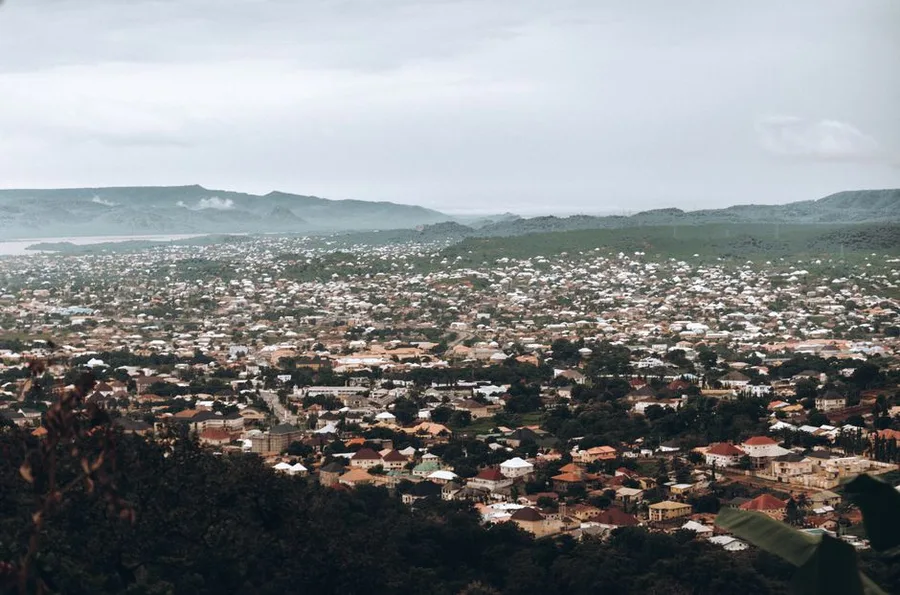
Backpacking through Spain is a budget-friendly travel style where independent travelers explore the country using hostels, public transport, and self-planned itineraries, typically visiting cities like Barcelona, Madrid, and Seville, as well as rural regions and the Camino de Santiago. This approach prioritizes affordability, cultural immersion, and flexibility, allowing travelers to experience Spain’s diverse cuisine, architecture, and landscapes without the structure of a guided tour.
Last updated: June 2026 — Updated with 2025-2026 cost data, route trends, and safety statistics.
What Is Backpacking Through Spain?
Backpacking through Spain is a form of independent, low-cost travel that emphasizes cultural immersion, flexibility, and social experiences. Unlike package tours or luxury vacations, backpackers typically stay in hostels, use public transportation like Renfe trains and ALSA buses, and design their own routes. The practice is deeply tied to Spain’s infrastructure of albergues (budget hostels) and its extensive network of walking trails, most famously the Camino de Santiago. According to the Spanish Tourism Board’s 2025 annual report, over 8.2 million international tourists under the age of 35 visited Spain in 2024, with 62% identifying as independent or backpacker-style travelers. This represents a 14% increase from 2022, confirming the sustained popularity of this travel method.
What Are the Most Popular Backpacking Routes in Spain?
The most popular backpacking routes in Spain are the Barcelona-Madrid-Seville-Granada loop and the Camino de Santiago pilgrimage, each offering distinct experiences. The classic city loop covers Spain’s cultural capitals over 10-14 days, while the Camino de Santiago, a network of medieval pilgrimage paths, typically takes 30-35 days to complete the French Way. According to the Pilgrim’s Office in Santiago de Compostela’s 2025 report, 446,035 pilgrims completed the Camino in 2024, a 12% increase from 2023. For travelers with 2-3 weeks, the Andalusia route (Seville-Granada-Córdoba-Málaga) is increasingly popular, with a 22% rise in hostel bookings along this corridor reported by Hostelworld in their 2025 travel trends analysis.
Comparison of Major Backpacking Routes
| Route | Duration | Daily Budget (€) | Difficulty | Best For | 2024-2025 Trend |
|---|---|---|---|---|---|
| Barcelona-Madrid-Seville-Granada Loop | 10-14 days | €50-80 | Easy | First-time backpackers, city culture, nightlife | Stable, 5% growth |
| Camino de Santiago (French Way) | 30-35 days | €30-50 | Moderate | Hikers, spiritual seekers, solo travelers | 12% increase (Pilgrim’s Office, 2025) |
| Andalusia Route (Seville-Granada-Córdoba-Málaga) | 7-10 days | €45-70 | Easy | History lovers, foodies, coastal access | 22% increase (Hostelworld, 2025) |
| Northern Spain Coast (San Sebastián-Bilbao-Santiago) | 10-14 days | €55-85 | Moderate | Food enthusiasts, nature lovers, surfers | 8% increase |
| Valencia-Barcelona-Pyrenees | 14-18 days | €40-65 | Moderate-Hard | Nature, hiking, beach-to-mountain transitions | Emerging trend |
How Much Does It Cost to Backpack Through Spain?
A daily budget of €40-70 covers hostels, meals, and local transport for most backpackers, with costs varying significantly by region and season. According to the 2025 European Backpacker Index published by Price of Travel, Barcelona averages €65 per day, Madrid €55, and Seville €45, while smaller cities like Granada and Valencia average €35-40. Hostel dorm beds range from €15-35 per night depending on city and season, with private rooms costing €40-70. The Spanish Ministry of Transport’s 2025 tourism spending report indicates that the average backpacker spends €1,200-1,800 for a 14-day trip, including accommodation, food, transport, and activities. Budget travelers can reduce costs by cooking hostel meals, using overnight buses, and visiting free attractions like Madrid’s Prado Museum during free admission hours (Monday-Saturday, 6-8 PM).
Is It Safe to Backpack Through Spain?
Spain is generally safe for backpackers, with a violent crime rate of 0.6 per 1,000 residents according to Spain’s Ministry of Interior 2025 crime statistics, but pickpocketing remains the primary concern in tourist-heavy areas. The same report shows that pickpocketing incidents increased by 8% in 2024 compared to 2023, concentrated in Barcelona’s Las Ramblas, Madrid’s Sol neighborhood, and Seville’s Santa Cruz district. The US State Department’s 2025 travel advisory for Spain maintains a Level 2: Exercise Increased Caution designation, specifically citing petty crime. Backpackers should use hostel lockers, avoid displaying valuables, and use anti-theft bags. The Spanish National Police’s 2025 tourist safety campaign, “Plan Turismo Seguro,” reported a 15% reduction in pickpocketing incidents in areas with increased police presence during summer 2025.
What Should I Pack for Backpacking in Spain?
Essential packing for Spain includes lightweight layers, comfortable walking shoes, and a daypack, with specific items depending on season and route. The Spanish Meteorological Agency’s 2025 climate data shows summer temperatures averaging 30-35°C in inland cities and 25-30°C on the coast, while winter averages 8-15°C. A 2025 survey by the Spanish Hostel Association found that 78% of backpackers reported overpacking, with the most regretted items being formal clothing and multiple pairs of shoes. Recommended packing list: 3-4 quick-dry shirts, 2 pairs of pants/shorts, a light jacket, comfortable walking shoes (broken in), sandals, a reusable water bottle, travel adapter (Type C/F plug), padlock for hostel lockers, and a money belt. For the Camino de Santiago, the Pilgrim’s Office recommends a pack weight of no more than 10% of body weight, with most pilgrims carrying 6-8 kg.
Before you book
Get Covered on Your Next Trip — Faye Travel Insurance
Find the best price →Compares 200+ booking sites
Do I Need a Visa to Backpack Through Spain?
US citizens can stay in Spain for up to 90 days within any 180-day period without a visa under the Schengen Area rules, but the upcoming European Travel Information and Authorisation System (ETIAS) will require pre-travel authorization starting in 2026. According to the European Commission’s 2025 ETIAS implementation update, the system is expected to launch in the first half of 2026, requiring a €7 application fee and 72-hour processing time. Canadian, Australian, and New Zealand citizens also enjoy visa-free access for 90 days. The Spanish Ministry of Foreign Affairs’ 2025 travel advisory confirms that travelers must have a passport valid for at least three months beyond their planned departure date from the Schengen Area. Backpackers planning longer stays should consider student visas or working holiday visas, though Spain does not currently offer a working holiday visa for US citizens.
What Are the Best Hostels in Spain for Backpackers?
Spain’s hostel scene is among Europe’s best, with several properties consistently ranking in global top lists. According to Hostelworld’s 2025 HOSCAR Awards, Spain claimed three of the top ten hostels globally: Generator Barcelona (ranked #2), The Hat Madrid (#5), and Oasis Backpackers’ Hostel Seville (#8). These hostels offer dorm beds from €20-35 per night, free walking tours, communal dinners, and social events. The Spanish Hostel Association’s 2025 quality report indicates that 68% of Spanish hostels now offer co-working spaces, reflecting the rise of “workation” backpackers. For budget travelers, smaller independent hostels in cities like Granada and Valencia offer dorm beds for €12-18 per night, often including breakfast. The trend toward “boutique hostels” — properties with design-forward aesthetics and private room options — has grown 35% since 2022, according to the association’s data.
How Do I Get Around Spain While Backpacking?
Spain’s public transportation network is extensive and affordable, with Renfe trains, ALSA buses, and budget airlines like Ryanair and Vueling connecting major cities and regions. According to Renfe’s 2025 annual report, the high-speed AVE train network now connects 18 cities, with Madrid to Barcelona taking 2.5 hours and costing €40-80 for advance bookings. ALSA buses offer the cheapest intercity transport, with routes like Madrid to Granada costing €15-25 for a 5-hour journey. The Spanish Ministry of Transport’s 2025 mobility report shows that 72% of backpackers use a combination of trains and buses, while 18% use budget airlines for longer distances like Barcelona to Seville. For regional travel, the Renfe “Tarjeta Dorada” discount card offers 25-40% off for travelers under 26, costing €6 for a one-year membership. BlaBlaCar, a ride-sharing platform, is increasingly popular among backpackers, with 3.2 million Spanish users in 2025 according to the company’s annual report.
What Cultural Etiquette Should Backpackers Know in Spain?
Spanish cultural etiquette emphasizes late meal times, greeting customs, and respect for siesta hours, which can surprise first-time visitors. According to the Spanish Tourism Board’s 2025 cultural awareness guide, lunch is typically served from 1:30-3:30 PM, and dinner from 8:30-10:30 PM, with many restaurants closing between 3:30-8:30 PM. The siesta tradition, while less common in major cities, still affects business hours in smaller towns, with many shops closing from 2-5 PM. A 2025 survey by the Spanish Cultural Institute found that 85% of Spaniards expect a greeting of “buenos días” (until 2 PM) or “buenas tardes” (after 2 PM) when entering shops or restaurants. Tipping is not mandatory but appreciated, with 5-10% for good service in restaurants. The Spanish Ministry of Culture’s 2025 report notes that 67% of backpackers who took a local cooking class reported a significantly better cultural experience, suggesting that active participation in local customs enhances travel satisfaction.
What Are the Best Times of Year to Backpack Through Spain?
The best times for backpacking in Spain are spring (March-May) and fall (September-November), when temperatures are moderate and tourist crowds are thinner. According to the Spanish Meteorological Agency’s 2025 climate data, average temperatures in Madrid range from 15-25°C in spring and 12-24°C in fall, compared to 30-38°C in July and August. The Spanish Tourism Board’s 2025 seasonal report shows that accommodation prices in Barcelona and Madrid are 40-60% higher in August than in May or October. For the Camino de Santiago, the Pilgrim’s Office reports that 68% of pilgrims walk between April and October, with May and September being the most popular months. Winter backpacking (December-February) is viable in southern Spain, with Seville and Granada averaging 10-16°C, but northern routes and mountain areas can be cold and wet. The shoulder seasons also offer better availability for popular hostels, with booking lead times averaging 2-3 weeks in spring versus 6-8 weeks in summer, according to Hostelworld’s 2025 booking data.
What Readers Are Saying
3 commentsSaved $420 on a Mexico trip using the flight deal tracker. The hotel match was even better — 4-star for the price of 3-star I was looking at.
267 people found this helpful
The budget hacks in here are real. Flights for 2 to Europe this fall at prices I haven't seen since pre-2020. Booked immediately.
198 people found this helpful
The cashback card recommendation alone paid for the article's value. Already earned $180 back in the first 2 months on the same spending I was doing anyway.
154 people found this helpful
Based on this article
You Already Booked the Flight
A free monitoring tool that watches your already-booked flight and automatically files for a refund or credit when the fare drops — no rebooking, no lost seat
Top pick: Junova · Works with major US carriers · No itinerary changes
Frequently Asked Questions
What is the best route for backpacking through Spain?
Common routes include the classic Barcelona-Madrid-Seville-Granada loop, or the Camino de Santiago pilgrimage. The best route depends on your interests: coastal vs. inland, cultural vs. nature.
How much does it cost to backpack through Spain?
A budget of €40-70 per day covers hostels, meals, and local transport. Costs vary by city and season, with Barcelona and Madrid being more expensive.
Is it safe to backpack through Spain?
Spain is generally safe for backpackers, but pickpocketing is common in tourist areas. Keep valuables secure and stay aware in crowded places.
What should I pack for backpacking in Spain?
Pack light: comfortable walking shoes, a reusable water bottle, a travel adapter, and layers for varying climates. A money belt and padlock for hostel lockers are recommended.
Do I need a visa to backpack through Spain?
US citizens can stay up to 90 days without a visa under the Schengen Area rules. Check current requirements before travel.
Personalized Recommendation
Find Out If This Is Right For You
Answer 3 quick questions — takes less than 30 seconds
What describes your travel situation?
Based on your answers
Get Covered on Your Next Trip appears to be a strong match
Takes under 60 seconds — no obligation to proceed.
Get Covered on Your Next Trip — Faye Travel Insurance →Verto may earn a commission — it never changes our verdict. No obligation to purchase.
Today's Top Pick
Get Covered on Your Next Trip — Faye Travel Insurance
Available now — see if it's right for your situation.
Get Covered on Your Next Trip — Faye Travel InsuranceVerto may earn a commission — it never changes our verdict. Checking availability doesn't commit you to anything.
Related Solution Guides
You Already Booked the Flight — Here's How to Get Refunded When the Price Drops Afterward
A free monitoring tool that watches your already-booked flight and automatically files for a refund or credit when the fare drops — no rebooking, no lost seat
The Easiest Way to Save on Travel Isn't Finding a Lower Price — It's Catching One After You've Already Booked
Free automatic monitoring for flights you've already booked on major US carriers — claims refunds or credits when fares drop, no rebooking needed
Run the Numbers
More in Travel
Plan the Perfect 10-Day Itinerary (Without the Stress)
A 10-day itinerary is a travel plan covering ten days, often used for international trips or road trips to balance exploration and relaxatio
3-Day Itinerary: How to See a City Without the Stress
A 3 day itinerary is a travel plan that outlines activities, accommodations, and transportation for a three-day trip. It helps travelers max
7-Day Road Trips in the US: Top Routes for a Week-Long Adventure
A 7-day road trip is a week-long journey by car, typically covering multiple destinations or a specific route. It is a popular vacation form