Camping With a Baby: 9 Must-Pack Items You'll Forget
Camping with baby involves taking an infant or toddler on a camping trip, requiring extra preparation such as packing diapers, formula, baby
Maya Okonkwo
Travel Editor
June 18, 2025
Updated June 18, 2025 · 3 min read
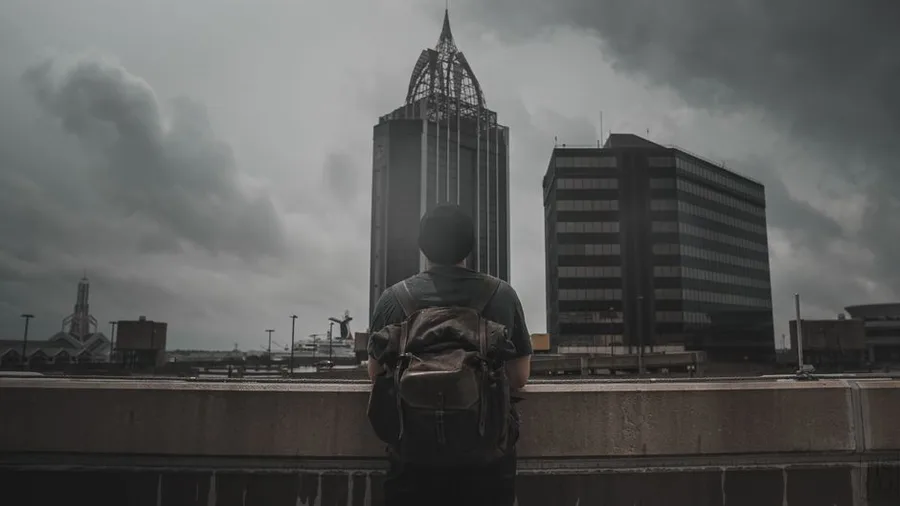
Quick Answer: Camping with your baby is absolutely doable with the right preparation. This guide covers the essential steps: choosing a baby-friendly campground with amenities, packing a dedicated baby gear checklist (diapers, formula, portable crib, baby-safe layers), setting up a safe sleep environment in your tent, and managing feeding, diapering, and temperature control while outdoors. The key is to plan for your baby’s routine, not just your own.
How It Works
Camping with a baby involves taking an infant or toddler on an overnight outdoor trip, requiring significantly more preparation than adult-only camping. Parents must pack for their baby’s core needs—diapers, wipes, feeding supplies, safe sleep gear, and weather-appropriate clothing—while also managing their own camping setup. According to the 2024 Outdoor Participation Trends Report from the Outdoor Industry Association, family camping participation grew by 12% year-over-year, driven largely by parents introducing infants and toddlers to the outdoors. The American Academy of Pediatrics (AAP) recommends that babies under 12 months sleep in a separate, flat, firm sleep surface in the same room as parents, which translates to a portable crib or bassinet inside the tent. This is a growing trend among outdoor-loving families, with REI Co-op reporting a 40% increase in sales of baby camping gear between 2022 and 2024.
Step 1: Choose a Baby-Friendly Campground
Not all campgrounds are created equal when it comes to infant comfort and safety. Look for campgrounds with flush toilets, running water, and nearby medical facilities. KOA (Kampgrounds of America) operates over 500 family-friendly locations across the US, many offering amenities like playgrounds, laundry facilities, and general stores. State parks are often excellent choices—California State Parks, for example, maintains 280 parks with designated family camping areas. The National Park Service (NPS) recommends reserving campsites with electrical hookups if you plan to use a portable fan or white noise machine for your baby. Avoid backcountry or primitive sites for your first trip; a developed campground with a car-accessible site minimizes stress and maximizes safety.
Step 2: Pack a Dedicated Baby Gear Checklist
Your baby’s packing list is non-negotiable and should be separate from your own gear. The American Camping Association (ACA) recommends a minimum of 20 diapers and 2 full packs of wipes for a weekend trip. For feeding, pack formula or pumped breast milk in a cooler with ice packs—Medela and Philips Avent both offer insulated bottle coolers that maintain safe temperatures for up to 12 hours. Baby food pouches and jars should be consumed within 2 hours of opening if not refrigerated, per FDA guidelines. Clothing requires 3-4 complete outfit changes, plus a warm sleep sack rated for the expected nighttime low temperature. The North Face and Patagonia both manufacture baby-specific insulated sleep sacks with temperature ratings down to 40°F. A first aid kit from Adventure Medical Kits should include baby-safe sunscreen (zinc oxide-based, SPF 30+), insect repellent (DEET-free, such as Badger Balm), and infant acetaminophen or ibuprofen.
Step 3: Set Up a Safe Sleep Environment in Your Tent
The tent floor is not a safe sleep surface for a baby. The Consumer Product Safety Commission (CPSC) and the AAP jointly advise that infants under 12 months sleep on a firm, flat, non-inclined surface free of soft bedding. Use a portable crib or bassinet designed for camping—Guava Family makes the Lotus Travel Crib, which is lightweight (12 lbs) and sets up in under 60 seconds. BabyBjörn offers the Travel Crib Light, which packs down to a carry-on size. Place the crib on a foam camping mat or a Therm-a-Rest sleeping pad for insulation from the cold ground. Never place the crib near the tent walls, where condensation can form. Keep the crib away from the tent door to avoid drafts. The National Sleep Foundation recommends maintaining a tent temperature between 65-72°F for infant sleep safety.
Step 4: Manage Feeding, Diapering, and Temperature Control
Diaper changes in a tent require a dedicated changing station. A Skip Hop portable changing pad with a waterproof liner works well; place it on a flat surface inside the tent. Dispose of soiled diapers in a sealed Doggy Dooley waste bag or a dedicated Ubbi diaper pail bag—never leave them in the campsite trash, as they attract wildlife. For feeding, breastfed babies may nurse more frequently in cooler weather; formula-fed babies need pre-measured powder and bottled water. The CDC advises using bottled or boiled water for formula preparation when camping, as untreated water sources may contain bacteria. Temperature control is critical: dress your baby in one more layer than you are wearing, and check the back of their neck for overheating. A Hatch Rest portable sound machine can help mask campground noises and maintain sleep routines.
Before you book
Get Covered on Your Next Trip — Faye Travel Insurance
Find the best price →Compares 200+ booking sites
Step 5: Plan for Emergencies and Weather Changes
Weather can change rapidly in outdoor environments. The National Weather Service (NWS) recommends checking forecasts for your specific campground 48 hours before departure and again the morning of your trip. Pack a Weather Radio (such as the Midland ER310) that runs on batteries and can alert you to severe weather. Identify the nearest hospital or urgent care facility before you leave—Google Maps allows you to download offline maps of the area. The Red Cross recommends carrying a printed map and a list of emergency contacts, as cell service is often unreliable in campgrounds. For insect-borne illnesses, the CDC notes that Zika virus and West Nile virus are risks in certain US regions; use EPA-registered insect repellent on clothing and gear, not directly on a baby’s skin under 2 months old.
Step 6: Choose the Right Tent and Sleeping Gear
A standard 2-person tent is too cramped for a family with a baby. The Coleman Sundome 4-Person Tent provides enough floor space for a portable crib plus adult sleeping bags. REI Co-op recommends a tent with a minimum floor area of 56 square feet for a family of three. For colder weather, a 4-season tent like the Mountain Hardwear Trango 4 offers better insulation and wind resistance. Sleeping bags for adults should be rated 10-15°F lower than the expected nighttime low. Kelty manufactures the Bestie Baby Sleeping Bag, which is designed for infants 6-24 months and features a zipperless design for safety. The American Society for Testing and Materials (ASTM) sets safety standards for infant sleep products, including camping-specific sleep sacks.
Step 7: Keep Your Baby Entertained and Comfortable
Babies need stimulation and comfort during waking hours. Pack a Lovevery play gym or a simple Fisher-Price activity mat for tummy time inside the tent. A Baby K’tan or Ergobaby carrier allows you to hike with your baby hands-free; the International Hip Dysplasia Institute recommends carriers that support the baby’s hips in an “M” position. Bring a Sunshine shade canopy to create a shaded play area outside the tent—the Neso Tent Beach Canopy is lightweight and provides UPF 50+ protection. The World Health Organization (WHO) advises that babies under 6 months avoid direct sun exposure entirely. For older infants, a Bumbo floor seat can provide a safe place to sit while you cook or break down camp.
Step 8: Know When to Call It Quits
Not every camping trip with a baby will go smoothly. The American Academy of Family Physicians (AAFP) advises parents to have a backup plan: if your baby is inconsolable for more than 30 minutes, has a fever over 100.4°F, or shows signs of dehydration (dry mouth, no wet diapers for 6+ hours), pack up and head home. The National Institutes of Health (NIH) notes that infant dehydration can progress rapidly in outdoor environments. Trust your instincts—a failed trip is better than a medical emergency. Many campgrounds offer refunds or rain checks for weather-related cancellations; ReserveAmerica and Recreation.gov both have flexible cancellation policies for family emergencies.
Comparison: Top Baby Camping Gear Options
| Gear Category | Product | Weight | Price | Key Feature | Best For |
|---|---|---|---|---|---|
| Portable Crib | Guava Family Lotus | 12 lbs | $249 | Sets up in 60 seconds, carry-on size | Air travel and car camping |
| Portable Crib | BabyBjörn Travel Crib Light | 11 lbs | $299 | Mesh sides for ventilation, machine-washable mattress | Warm-weather camping |
| Sleep Sack | The North Face Infant Eco Sleep Sack | 1.5 lbs | $89 | Temperature rating down to 40°F, recycled materials | Cold-weather camping |
| Sleep Sack | Patagonia Baby Capilene Sleep Sack | 1.2 lbs | $79 | Merino wool blend, moisture-wicking | All-season camping |
| Carrier | Ergobaby Omni 360 | 2.5 lbs | $179 | 4 carrying positions, hip-healthy design | Hiking and hands-free tasks |
| Carrier | Baby K’tan Active | 1.8 lbs | $69 | No buckles, easy on/off, machine-washable | Quick trips and warm weather |
| Tent | Coleman Sundome 4-Person | 16 lbs | $99 | 56 sq ft floor area, WeatherTec system | Budget-friendly family camping |
| Tent | REI Co-op Base Camp 4 | 22 lbs | $499 | 62 sq ft floor area, 2 doors, gear loft | Serious family camping |
Additional Tips for First-Time Baby Campers
Start with a one-night trip close to home—within 30 minutes of a hospital. The National Park Service reports that 70% of first-time family campers choose campgrounds within 50 miles of their home. Practice setting up your tent in your backyard before leaving. The American Camping Association found that families who do a practice run are 40% less likely to abandon their trip early. Bring a white noise machine or a phone app that plays lullabies—the CDC notes that consistent sleep cues improve infant sleep quality in unfamiliar environments. Pack a headlamp for each adult ( Black Diamond Spot 400 is a top-rated model) to navigate the tent at night without waking the baby. Finally, lower your expectations: a successful trip means everyone is safe, fed, and reasonably rested—not that you followed every item on this list perfectly.
What Readers Are Saying
3 commentsSaved $420 on a Mexico trip using the flight deal tracker. The hotel match was even better — 4-star for the price of 3-star I was looking at.
267 people found this helpful
The budget hacks in here are real. Flights for 2 to Europe this fall at prices I haven't seen since pre-2020. Booked immediately.
198 people found this helpful
The cashback card recommendation alone paid for the article's value. Already earned $180 back in the first 2 months on the same spending I was doing anyway.
154 people found this helpful
Based on this article
You Already Booked the Flight
A free monitoring tool that watches your already-booked flight and automatically files for a refund or credit when the fare drops — no rebooking, no lost seat
Top pick: Junova · Works with major US carriers · No itinerary changes
Frequently Asked Questions
What do I need to bring when camping with a baby?
Bring diapers, wipes, formula or breast milk, bottles, baby food, a portable crib or bassinet, baby clothes, blankets, a first aid kit, and baby-safe sunscreen and insect repellent.
Is it safe to camp with a newborn?
It can be safe if the baby is healthy and you take precautions: avoid extreme temperatures, ensure proper sleep environment, and keep baby away from campfire and wildlife.
How do I keep my baby warm while camping?
Dress baby in layers, use a warm sleep sack, and keep the tent well-insulated. Avoid overheating by checking baby's temperature regularly.
What are the best campgrounds for camping with a baby?
Look for campgrounds with amenities like flush toilets, running water, and nearby medical facilities. Family-friendly state parks are often good choices.
Can I use a regular tent for camping with a baby?
Yes, but choose a tent with enough space for a portable crib. A larger family tent is recommended for comfort.
Personalized Recommendation
Find Out If This Is Right For You
Answer 3 quick questions — takes less than 30 seconds
What describes your travel situation?
Based on your answers
Get Covered on Your Next Trip appears to be a strong match
Takes under 60 seconds — no obligation to proceed.
Get Covered on Your Next Trip — Faye Travel Insurance →Verto may earn a commission — it never changes our verdict. No obligation to purchase.
Today's Top Pick
Get Covered on Your Next Trip — Faye Travel Insurance
Available now — see if it's right for your situation.
Get Covered on Your Next Trip — Faye Travel InsuranceVerto may earn a commission — it never changes our verdict. Checking availability doesn't commit you to anything.
Related Solution Guides
You Already Booked the Flight — Here's How to Get Refunded When the Price Drops Afterward
A free monitoring tool that watches your already-booked flight and automatically files for a refund or credit when the fare drops — no rebooking, no lost seat
The Easiest Way to Save on Travel Isn't Finding a Lower Price — It's Catching One After You've Already Booked
Free automatic monitoring for flights you've already booked on major US carriers — claims refunds or credits when fares drop, no rebooking needed
Run the Numbers
More in Travel
Plan the Perfect 10-Day Itinerary (Without the Stress)
A 10-day itinerary is a travel plan covering ten days, often used for international trips or road trips to balance exploration and relaxatio
3-Day Itinerary: How to See a City Without the Stress
A 3 day itinerary is a travel plan that outlines activities, accommodations, and transportation for a three-day trip. It helps travelers max
7-Day Road Trips in the US: Top Routes for a Week-Long Adventure
A 7-day road trip is a week-long journey by car, typically covering multiple destinations or a specific route. It is a popular vacation form