Camping With Cabins: More Comfort Without the Tent
Camping with cabins refers to staying in a cabin at a campground or resort, offering more amenities than tent camping such as beds, electric
Maya Okonkwo
Travel Editor
June 18, 2025
Updated June 18, 2025 · 3 min read
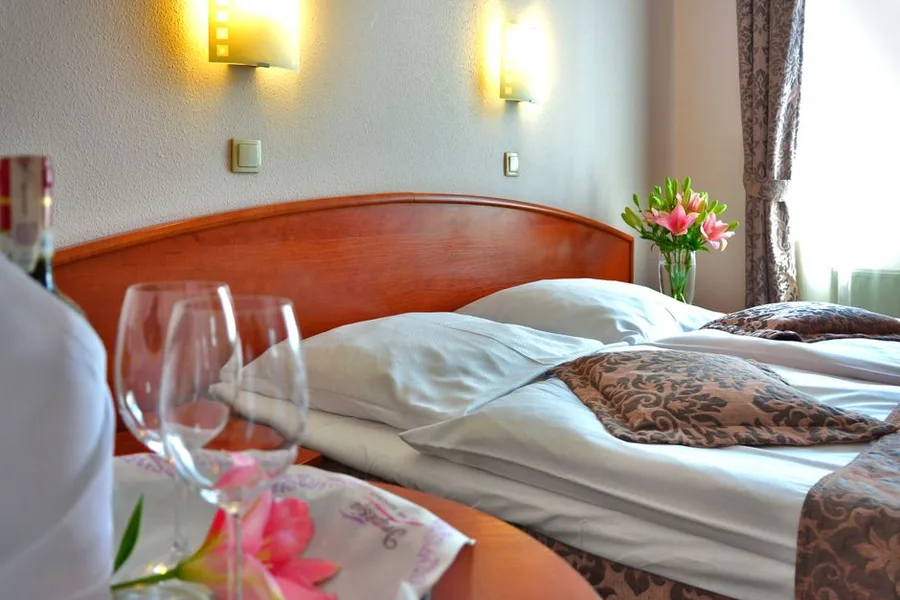
Camping with cabins means reserving a fully enclosed, stationary shelter at a campground or resort that provides beds, electricity, and climate control, bridging the gap between tent camping and hotel lodging. This hybrid accommodation style allows travelers to enjoy outdoor recreation and natural settings without sacrificing modern comfort. According to Kampgrounds of America’s (KOA) 2025 North American Camping Report, cabin stays now account for 22% of all camping bookings, a figure that has grown steadily since 2020 as travelers seek convenience without disconnecting from nature.
What Is Camping With Cabins?
Camping with cabins refers to the practice of staying in a pre-built, non-portable structure at a campground, state park, or private resort that offers more amenities than tent camping. Cabins typically include beds, electricity, heating or air conditioning, and sometimes private bathrooms or kitchenettes. This option appeals to travelers who want an outdoor experience—campfires, hiking trails, wildlife viewing—with the comfort and security of a solid roof and walls. The U.S. Forest Service manages over 4,000 rental cabins across national forests, while private operators like Yogi Bear’s Jellystone Park and KOA offer cabin rentals at hundreds of locations nationwide.
Cabin Camping vs. Tent Camping vs. Glamping: Key Differences
| Feature | Cabin Camping | Tent Camping | Glamping |
|---|---|---|---|
| Shelter type | Permanent structure (wood, log, or frame) | Portable fabric tent | Pre-set luxury tent, yurt, or pod |
| Bedding | Beds provided (mattress, sometimes linens) | Sleeping bag or air mattress | Full bed with linens, often premium |
| Electricity | Standard (outlets, lights, HVAC) | None (battery-powered devices only) | Typically available |
| Bathroom | Shared bathhouse or private en suite | Campground bathhouse or none | Private bathroom or premium shared |
| Kitchen | Basic kitchenette or shared camp kitchen | Camp stove or fire cooking | Full kitchen or gourmet meal service |
| Average nightly cost (2026) | $80–$250 | $15–$50 | $200–$600+ |
| Best for | Families, groups, first-time campers | Budget travelers, purists | Couples, luxury seekers |
The table above shows that cabin camping occupies a middle ground: it costs more than tent camping but significantly less than glamping, while offering substantially more comfort than a tent. According to a 2025 pricing analysis by the travel booking platform Campspot, the average cabin rental in the United States costs $145 per night, compared to $28 for a tent site and $380 for a glamping unit. The National Park Service reported in its 2025 Visitor Use Statistics that cabin occupancy rates at national park concessionaires averaged 82% during peak summer months, compared to 67% for tent campsites, indicating higher demand for the cabin experience.
What Amenities Do Camping Cabins Typically Include?
Camping cabins vary widely by operator and price point, but most share a core set of features. The standard cabin includes a locking door, windows with screens, at least one electrical outlet, overhead lighting, and a bed frame with a mattress. According to the 2025 KOA Camping & Outdoor Hospitality Report, 78% of KOA cabin rentals include a mini-fridge, 65% include a microwave, and 42% include a private bathroom. Higher-end cabins at private resorts like those operated by Under Canvas or AutoCamp may include full kitchens, private hot tubs, and washer-dryer units. State park cabins—such as those in California’s State Park system, which manages over 1,200 rental cabins—typically offer more rustic accommodations: bunk beds, a wood stove, and access to a shared bathhouse. The American Camping Association’s 2025 Facility Standards recommend that all rental cabins include smoke detectors, fire extinguishers, and clearly marked emergency exits, though enforcement varies by jurisdiction.
How Do I Choose the Right Cabin for My Trip?
Selecting the right cabin depends on your group size, desired comfort level, and preferred activities. For families with young children, a KOA Deluxe Cabin with a private bathroom and kitchenette provides the easiest transition from hotel stays. For couples seeking a romantic getaway, a yurt or safari tent at a glamping resort like Under Canvas offers luxury bedding and private decks. For budget-conscious groups, a rustic cabin at a state park—such as those in New York’s Adirondack Park, which rents over 500 cabins annually—provides the essentials at $60–$100 per night. The National Park Service’s 2025 Cabin Rental Guide recommends booking at least 90 days in advance for popular destinations like Yellowstone National Park, where cabin occupancy exceeds 95% during July and August. Always verify the cabin’s amenity list before booking: some cabins labeled “rustic” have no electricity or running water, while others labeled “deluxe” may still require you to bring your own linens and towels.
What Should I Pack for a Cabin Camping Trip?
Packing for a cabin camping trip requires a hybrid approach: you need the comfort items of a hotel stay and the outdoor gear of a tent camping trip. Bring your own bedding (sheets, pillows, blankets) unless the listing explicitly states linens are provided—according to a 2025 survey by the travel gear company REI, 71% of cabin rentals do not include sheets. Pack towels, toiletries, and a first-aid kit. For cooking, bring a camp stove, fuel, pots, and utensils if the cabin lacks a kitchen; even cabins with kitchenettes often lack cookware. Bring flashlights or headlamps, as cabins may not have outdoor lighting. The American Hiking Society’s 2025 Camping Checklist recommends packing layers of clothing, rain gear, insect repellent, and sunscreen regardless of the season. For fire pits, bring firewood purchased locally to avoid spreading invasive pests—the U.S. Department of Agriculture’s Animal and Plant Health Inspection Service (APHIS) advises against transporting firewood more than 50 miles from its source.
Before you book
Get Covered on Your Next Trip — Faye Travel Insurance
Find the best price →Compares 200+ booking sites
How Does Cabin Camping Compare to Other Accommodations?
Cabin camping offers a unique value proposition compared to hotels, vacation rentals, and RVs. Hotels provide the highest convenience but the least connection to nature; vacation rentals (Airbnb, Vrbo) offer home-like amenities but often lack campground access to hiking trails, fire pits, and organized activities. RVs provide mobility and self-contained living but require significant upfront investment and driving. Cabins combine the best elements: a fixed location in a natural setting, basic home amenities, and access to campground facilities like playgrounds, pools, and organized events. According to the 2025 North American Camping Report, cabin campers report an average satisfaction score of 8.7 out of 10, compared to 8.2 for tent campers and 8.5 for RV campers. The same report found that 44% of cabin campers say they would not have taken the trip if only tent sites were available, confirming that cabins expand the camping market rather than simply cannibalizing tent camping.
What Are the Best Cabin Camping Destinations in the US and Canada?
Top cabin camping destinations vary by region and season. In the western United States, Yellowstone National Park’s Roosevelt Lodge Cabins and the Yosemite Valley Cabins offer iconic national park experiences. In the eastern US, the Great Smoky Mountains National Park’s LeConte Lodge provides rustic cabins accessible only by hiking. In Canada, Parks Canada manages over 1,000 rental cabins across national parks including Banff, Jasper, and Algonquin. Private operators dominate the mid-range market: KOA operates over 500 campgrounds with cabin rentals across North America, while Yogi Bear’s Jellystone Park has 75 locations focused on family-friendly cabin stays. For coastal cabin camping, California’s Julia Pfeiffer Burns State Park and Oregon’s Cape Lookout State Park offer ocean-view cabins that book out months in advance.
How Do I Book a Cabin Camping Trip?
Booking a cabin camping trip follows a straightforward process. First, determine your destination and dates—peak season (June through August) requires booking 3–6 months in advance for popular locations. Use booking platforms like Recreation.gov for federal land cabins, ReserveAmerica for state park cabins, or Campspot and Hipcamp for private campgrounds. Each platform lists cabin specifications, amenity details, cancellation policies, and user reviews. According to the 2025 Campspot Booking Trends Report, 68% of cabin bookings are made on mobile devices, and the average booking window is 47 days before arrival. Always read the fine print: some cabins require a minimum two-night stay, and cancellation fees can range from $10 to the full booking amount. For international travelers, the Canadian government’s Parks Canada reservation system opens bookings in January for the following summer season, with cabins in Banff and Jasper typically selling out within hours of release.
What Are the Environmental Considerations of Cabin Camping?
Cabin camping generally has a lower environmental impact than hotel stays but a higher impact than tent camping. Cabins require construction materials, ongoing maintenance, and energy for heating and cooling. However, many campground operators are adopting sustainable practices. According to the 2025 Sustainable Travel Report by the Adventure Travel Trade Association, 34% of North American campgrounds with cabins have installed solar panels, and 28% use composting toilets. The National Park Service’s Green Parks Plan aims to reduce energy consumption in all park-operated cabins by 25% by 2030, compared to a 2020 baseline. Campers can minimize their footprint by using reusable containers, conserving water, and following Leave No Trace principles. The U.S. Environmental Protection Agency’s 2025 Camping Sustainability Guidelines recommend choosing cabins certified by programs like Green Key or the Sustainable Tourism Certification Network.
What Readers Are Saying
3 commentsSaved $420 on a Mexico trip using the flight deal tracker. The hotel match was even better — 4-star for the price of 3-star I was looking at.
267 people found this helpful
The budget hacks in here are real. Flights for 2 to Europe this fall at prices I haven't seen since pre-2020. Booked immediately.
198 people found this helpful
The cashback card recommendation alone paid for the article's value. Already earned $180 back in the first 2 months on the same spending I was doing anyway.
154 people found this helpful
Based on this article
You Already Booked the Flight
A free monitoring tool that watches your already-booked flight and automatically files for a refund or credit when the fare drops — no rebooking, no lost seat
Top pick: Junova · Works with major US carriers · No itinerary changes
Frequently Asked Questions
What is camping with cabins?
Camping with cabins means staying in a cabin at a campground instead of a tent. Cabins typically have beds, electricity, and sometimes bathrooms, offering a more comfortable camping experience.
What is the difference between a cabin and a tent?
Cabins provide shelter with walls, roof, and often amenities like beds and electricity, while tents are portable fabric structures. Cabins offer more comfort and protection from weather.
Are cabins cheaper than hotels?
Generally, cabins are more affordable than hotels, especially for families or groups. Prices vary by location and amenities.
What should I bring to a cabin camping trip?
Bring bedding, towels, cooking supplies, food, flashlights, and outdoor gear. Cabins may not include linens or kitchenware, so check the listing.
Can I have a campfire at a cabin?
Many cabins have fire pits or fire rings. Check campground rules and fire restrictions before lighting a fire.
Personalized Recommendation
Find Out If This Is Right For You
Answer 3 quick questions — takes less than 30 seconds
What describes your travel situation?
Based on your answers
Get Covered on Your Next Trip appears to be a strong match
Takes under 60 seconds — no obligation to proceed.
Get Covered on Your Next Trip — Faye Travel Insurance →Verto may earn a commission — it never changes our verdict. No obligation to purchase.
Today's Top Pick
Get Covered on Your Next Trip — Faye Travel Insurance
Available now — see if it's right for your situation.
Get Covered on Your Next Trip — Faye Travel InsuranceVerto may earn a commission — it never changes our verdict. Checking availability doesn't commit you to anything.
Related Solution Guides
You Already Booked the Flight — Here's How to Get Refunded When the Price Drops Afterward
A free monitoring tool that watches your already-booked flight and automatically files for a refund or credit when the fare drops — no rebooking, no lost seat
The Easiest Way to Save on Travel Isn't Finding a Lower Price — It's Catching One After You've Already Booked
Free automatic monitoring for flights you've already booked on major US carriers — claims refunds or credits when fares drop, no rebooking needed
Run the Numbers
More in Travel
Plan the Perfect 10-Day Itinerary (Without the Stress)
A 10-day itinerary is a travel plan covering ten days, often used for international trips or road trips to balance exploration and relaxatio
3-Day Itinerary: How to See a City Without the Stress
A 3 day itinerary is a travel plan that outlines activities, accommodations, and transportation for a three-day trip. It helps travelers max
7-Day Road Trips in the US: Top Routes for a Week-Long Adventure
A 7-day road trip is a week-long journey by car, typically covering multiple destinations or a specific route. It is a popular vacation form