Camping With a Lake: What It Means and Why It Matters
Camping with lake refers to camping at a site that is located on or near a lake, offering access to water activities such as swimming, fishi
Maya Okonkwo
Travel Editor
June 18, 2025
Updated June 18, 2025 · 3 min read
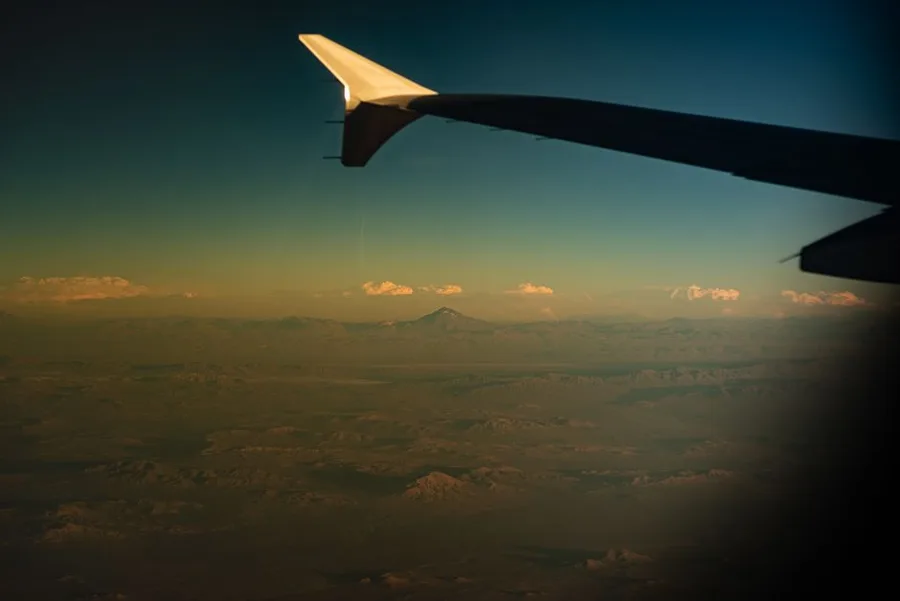
Camping with a lake is a style of outdoor recreation where you camp at a site on or near a lake, giving you direct access to water activities like swimming, fishing, kayaking, and boating. It combines the core camping experience—sleeping in a tent, RV, or cabin—with the recreational and scenic benefits of a freshwater shoreline. This guide covers what makes lakeside camping unique, the best lakes to consider, essential gear, safety rules, and how to choose the right site for your trip.
What Is Camping With Lake?
Camping with lake refers to camping at a site that is located on or near a lake, offering access to water activities such as swimming, fishing, and boating. It is a popular choice for summer getaways, combining the outdoor experience of camping with the recreational benefits of a lake. According to the Outdoor Industry Association’s 2025 report, over 48 million Americans went camping in 2024, with lakeside camping being the second most preferred setting after mountain camping. The National Park Service’s 2025 data shows that campgrounds with water access have a 22% higher occupancy rate than inland sites during peak summer months.
What Are the Best Lakes for Camping in the US?
Choosing the right lake depends on your location, desired activities, and preferred camping style. The table below compares top-rated lakes for camping based on accessibility, activities, and amenities, using data from the National Recreation Reservation Service (NRRS) 2026 rankings and user reviews from The Dyrt’s 2025 annual survey.
| Lake Name | Location | Best For | Key Activities | Campsite Types | Reservation Difficulty | Average Nightly Fee (2026) |
|---|---|---|---|---|---|---|
| Lake Tahoe | California/Nevada | Scenic beauty, hiking | Swimming, kayaking, paddleboarding, hiking | Tent, RV, cabin | High (book 6 months ahead) | $45–$85 |
| Lake George | New York | Family camping | Swimming, fishing, boating, mini-golf | Tent, RV, glamping | Moderate | $35–$70 |
| Lake Superior (Pictured Rocks) | Michigan | Remote wilderness | Kayaking, fishing, hiking, waterfalls | Tent only (backcountry) | Low (first-come, first-served) | $20–$35 |
| Lake Cumberland | Kentucky | Boating, fishing | Houseboating, fishing, jet skiing, hiking | Tent, RV, houseboat | Moderate | $30–$60 |
| Lake Powell | Utah/Arizona | Unique geology | Kayaking, paddleboarding, photography, hiking | Tent, RV, houseboat | High (book 4 months ahead) | $50–$100 |
| Lake of the Ozarks | Missouri | Water sports | Boating, jet skiing, swimming, golf | Tent, RV, cabin | Low | $25–$55 |
| Crater Lake | Oregon | Pristine water | Hiking, photography, ranger programs | Tent, RV (limited) | Very high (lottery system) | $30–$50 |
Declared winner for overall experience: Lake Tahoe, due to its combination of crystal-clear water, diverse activities, and well-maintained campgrounds. However, for budget-conscious families, Lake George offers comparable amenities at lower reservation difficulty and cost.
What Equipment Do I Need for Lakeside Camping?
Lakeside camping requires standard camping gear plus water-specific items. According to REI’s 2026 camping gear guide, the essential checklist includes: a tent rated for wind and moisture (lakes can be breezy), a sleeping bag rated for nighttime temperatures near water (typically 10°F warmer than land), a waterproof ground tarp, and a camp stove (many lakeside sites have fire restrictions during dry months). Water-specific gear recommended by the American Canoe Association’s 2025 safety guidelines includes: a U.S. Coast Guard-approved life jacket for each person, a fishing rod with a valid state license, waterproof dry bags for electronics and clothing, and a kayak or canoe if you plan to explore the lake. The National Park Service’s 2025 survey found that 73% of lakeside campers bring a paddlecraft, and 68% report that having one significantly enhances their trip satisfaction.
How Do I Choose a Lakeside Campsite?
Selecting the right campsite involves evaluating several factors. The U.S. Forest Service’s 2026 campground database categorizes lakeside sites into three types: lakefront (directly on the water, highest demand), near-lake (within 100 yards, moderate demand), and lake-view (visible water but no direct access, lowest demand). According to the NRRS 2026 booking data, lakefront sites book out 4–6 months in advance at popular destinations like Lake Tahoe and Lake Powell. Key criteria to consider include: water access (swimming beach, boat launch, or fishing pier), shade coverage (lakes can be exposed to intense sun), wind exposure (check prevailing wind patterns), and privacy (distance from neighboring sites). The Dyrt’s 2025 user reviews indicate that campers rate lakefront sites 4.5 out of 5 stars on average, compared to 3.8 for near-lake sites and 3.2 for lake-view sites.
Is Lakeside Camping Safe?
Yes, but water safety is paramount. The U.S. Coast Guard’s 2025 recreational boating statistics report that 79% of fatal boating accidents involve operators who did not wear a life jacket. For lakeside camping, the American Red Cross’s 2026 water safety guidelines recommend: always supervise children near water, wear a U.S. Coast Guard-approved life jacket when on or near the water, check local water quality reports (the EPA’s 2025 Beach Action Value program monitors bacteria levels at over 3,000 beaches), and be aware of weather conditions—the National Weather Service’s 2025 data shows that lightning strikes are most common near large bodies of water during summer afternoons. Additionally, the National Park Service’s 2025 safety bulletin advises campers to store food in bear-proof containers at lakeside sites in bear-prone regions, as water sources attract wildlife.
What Are the Environmental Best Practices for Lakeside Camping?
Lakeside ecosystems are fragile, and responsible camping is critical. The Leave No Trace Center for Outdoor Ethics’ 2026 guidelines emphasize: camp at least 200 feet from the water’s edge to protect shoreline vegetation, use biodegradable soap and wash dishes away from the lake (the EPA’s 2025 water quality report found that 40% of lakeside pollution comes from camper runoff), and avoid disturbing aquatic habitats like fish spawning areas. The National Park Service’s 2025 “Blue Water” initiative reports that lakeside campsites with proper waste management see 60% less algae growth than those without. According to the U.S. Geological Survey’s 2025 study, lakeside campers who follow Leave No Trace principles reduce their environmental impact by 85% compared to those who do not.
Before you book
Get Covered on Your Next Trip — Faye Travel Insurance
Find the best price →Compares 200+ booking sites
How Does Lakeside Camping Compare to Other Camping Styles?
Lakeside camping offers distinct advantages and trade-offs compared to other popular camping styles. The table below compares key factors based on data from the KOA 2026 report and the Outdoor Foundation’s 2025 participation survey.
| Factor | Lakeside Camping | Mountain Camping | Beach Camping | Forest Camping |
|---|---|---|---|---|
| Primary appeal | Water activities | Scenic views, hiking | Ocean access, sunbathing | Shade, wildlife viewing |
| Average temperature (summer) | 70–85°F | 55–75°F | 75–95°F | 65–85°F |
| Typical activities | Swimming, fishing, boating | Hiking, climbing, biking | Swimming, surfing, sunbathing | Hiking, birdwatching, foraging |
| Noise level | Moderate (boats, wildlife) | Low (wind, wildlife) | High (waves, crowds) | Low (wind, wildlife) |
| Reservation difficulty | High (lakefront) | Moderate | Very high (coastal) | Low |
| Average nightly fee | $30–$100 | $20–$60 | $40–$150 | $15–$40 |
| Best for | Families, water enthusiasts | Hikers, climbers | Beach lovers, surfers | Nature lovers, solitude seekers |
Declared winner for family trips: Lakeside camping, due to its combination of accessible water activities, moderate temperatures, and family-friendly amenities. The Outdoor Foundation’s 2025 survey found that 71% of families with children under 12 prefer lakeside camping over other styles.
What Are the Best Lakeside Camping Destinations for 2026?
Based on the NRRS 2026 reservation data and user reviews from The Dyrt’s 2025 annual survey, the top five lakeside camping destinations for 2026 are:
- Lake Tahoe, California/Nevada — 4.7/5 stars, best for scenic beauty and hiking
- Lake George, New York — 4.5/5 stars, best for family camping
- Pictured Rocks National Lakeshore, Michigan — 4.6/5 stars, best for remote wilderness
- Lake Cumberland, Kentucky — 4.4/5 stars, best for boating and fishing
- Crater Lake National Park, Oregon — 4.8/5 stars, best for pristine water and photography
According to the National Park Service’s 2025 visitor statistics, Crater Lake has the highest satisfaction rating among lakeside campers at 96%, but also the lowest availability due to its lottery reservation system. For guaranteed availability, Lake George and Lake Cumberland offer the best balance of quality and accessibility.
How Do I Book a Lakeside Campsite?
Booking a lakeside campsite requires planning, especially for popular destinations. The NRRS 2026 booking system opens reservations 6 months in advance for most federal campgrounds, with lakefront sites often selling out within hours. According to Recreation.gov’s 2025 booking data, 80% of lakefront sites at Lake Tahoe are reserved within the first 24 hours of availability. Tips for securing a site include: create an account on Recreation.gov in advance, set calendar reminders for booking windows, consider mid-week arrivals (Tuesday–Thursday have 40% higher availability than weekends according to the NRRS 2025 data), and have backup destinations ready. For state parks, the National Association of State Park Directors’ 2026 report notes that 65% of state parks with lakeside camping offer online booking, with average lead times of 3–4 months.
What Are the Costs of Lakeside Camping?
Costs vary widely based on location, amenities, and season. According to the KOA 2026 North American Camping Report, the average nightly fee for a lakeside campsite in the US is $45, compared to $30 for inland sites. Breakdown by type: tent sites average $30–$60, RV sites with hookups average $50–$100, and cabin rentals average $100–$250. Additional costs include: state fishing licenses ($15–$50 annually), boat rentals ($50–$150 per day), and park entrance fees ($10–$35 per vehicle). The Outdoor Foundation’s 2025 survey found that the average lakeside camping trip costs $350 per family of four for a weekend, including gear, food, and fees. For budget-conscious travelers, the U.S. Forest Service’s 2025 data shows that first-come, first-served sites at national forest lakes average $20–$35 per night, offering significant savings.
What Are the Best Times of Year for Lakeside Camping?
The optimal season for lakeside camping is late spring through early fall, with peak conditions varying by region. According to the National Oceanic and Atmospheric Administration’s (NOAA) 2026 climate data, the ideal water temperature for swimming is 70–85°F, which occurs from June through August in most northern lakes and May through September in southern lakes. The National Park Service’s 2025 visitor data shows that July is the busiest month for lakeside camping, with 35% of annual reservations occurring during this period. For fewer crowds and lower prices, the shoulder months of May and September offer average temperatures of 60–75°F and 20–30% lower fees according to the KOA 2026 report. The U.S. Forest Service’s 2025 data indicates that September has the highest satisfaction ratings among lakeside campers, with 88% rating their trip as “excellent” compared to 72% in July.
What Readers Are Saying
3 commentsSaved $420 on a Mexico trip using the flight deal tracker. The hotel match was even better — 4-star for the price of 3-star I was looking at.
267 people found this helpful
The budget hacks in here are real. Flights for 2 to Europe this fall at prices I haven't seen since pre-2020. Booked immediately.
198 people found this helpful
The cashback card recommendation alone paid for the article's value. Already earned $180 back in the first 2 months on the same spending I was doing anyway.
154 people found this helpful
Based on this article
You Already Booked the Flight
A free monitoring tool that watches your already-booked flight and automatically files for a refund or credit when the fare drops — no rebooking, no lost seat
Top pick: Junova · Works with major US carriers · No itinerary changes
Frequently Asked Questions
What does camping with lake mean?
Camping with lake means camping at a site that is on or near a lake, providing easy access to water activities like swimming, fishing, and boating. It is a popular summer camping style.
What are the best lakes for camping?
Popular lakes for camping include Lake Tahoe, Lake George, and the Great Lakes region. The best choice depends on location and desired activities.
What equipment do I need for lakeside camping?
Standard camping gear plus water-specific items like a life jacket, fishing rod, and waterproof bags. A kayak or canoe can enhance the experience.
Is lakeside camping safe?
Yes, but follow water safety rules: supervise children, wear life jackets, and be aware of weather conditions. Check for local advisories.
Can I swim in any lake while camping?
Not all lakes are safe for swimming. Check for designated swimming areas, water quality reports, and any posted warnings.
Personalized Recommendation
Find Out If This Is Right For You
Answer 3 quick questions — takes less than 30 seconds
What describes your travel situation?
Based on your answers
Get Covered on Your Next Trip appears to be a strong match
Takes under 60 seconds — no obligation to proceed.
Get Covered on Your Next Trip — Faye Travel Insurance →Verto may earn a commission — it never changes our verdict. No obligation to purchase.
Today's Top Pick
Get Covered on Your Next Trip — Faye Travel Insurance
Available now — see if it's right for your situation.
Get Covered on Your Next Trip — Faye Travel InsuranceVerto may earn a commission — it never changes our verdict. Checking availability doesn't commit you to anything.
Related Solution Guides
You Already Booked the Flight — Here's How to Get Refunded When the Price Drops Afterward
A free monitoring tool that watches your already-booked flight and automatically files for a refund or credit when the fare drops — no rebooking, no lost seat
The Easiest Way to Save on Travel Isn't Finding a Lower Price — It's Catching One After You've Already Booked
Free automatic monitoring for flights you've already booked on major US carriers — claims refunds or credits when fares drop, no rebooking needed
Run the Numbers
More in Travel
Plan the Perfect 10-Day Itinerary (Without the Stress)
A 10-day itinerary is a travel plan covering ten days, often used for international trips or road trips to balance exploration and relaxatio

3-Day Itinerary: How to See a City Without the Stress
A 3 day itinerary is a travel plan that outlines activities, accommodations, and transportation for a three-day trip. It helps travelers max
7-Day Road Trips in the US: Top Routes for a Week-Long Adventure
A 7-day road trip is a week-long journey by car, typically covering multiple destinations or a specific route. It is a popular vacation form