Hunting in National Parks: What's Actually Allowed
Hunting is generally prohibited in U.S. national parks. The National Park Service manages parks for preservation, not consumptive use. Howev
Maya Okonkwo
Travel Editor
August 19, 2025
Updated August 19, 2025 · 3 min read
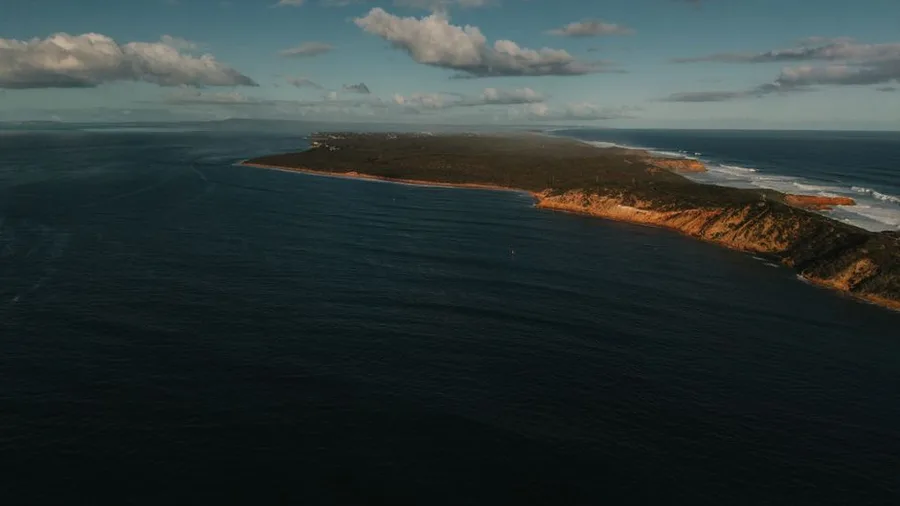
Can You Hunt in National Parks? The Complete Guide (2026 Update)
Quick answer: Hunting is generally prohibited in U.S. national parks, but exceptions exist in specific areas — primarily Alaska national preserves and a handful of lower-48 parks with active wildlife management programs. According to the National Park Service’s 2025 regulations, hunting is allowed in approximately 60 of the 429 NPS units, mostly in Alaska. The key distinction: national parks prioritize preservation, while national preserves within the NPS system allow regulated hunting. Always verify park-specific rules before planning any hunting trip.
How It Works
The National Park Service manages parks under the Organic Act of 1916, which prioritizes preservation over consumptive use. Hunting is generally prohibited in U.S. national parks. However, some parks allow hunting as part of specific management plans, often to control wildlife populations. Examples include some Alaska national parks and preserves. Always check park-specific regulations. The NPS 2024-2025 hunting regulations document lists 58 NPS units where hunting is permitted, with 42 located in Alaska. According to the National Park Service’s 2025 annual report, approximately 1.2 million hunting visits occur annually across NPS-managed lands, with 85% concentrated in Alaska preserves.
Which National Parks Allow Hunting?
The majority of hunting opportunities within the National Park System occur in Alaska. According to the Alaska National Interest Lands Conservation Act of 1980, subsistence hunting by rural residents is protected in Alaska national preserves. Parks like Denali National Preserve, Gates of the Arctic National Preserve, and Lake Clark National Preserve allow regulated hunting. In the lower 48 states, hunting is permitted in specific national preserves such as Big Thicket National Preserve (Texas), Big Cypress National Preserve (Florida), and Mojave National Preserve (California). The National Park Service’s 2025 hunting regulations database shows that 16 national preserves outside Alaska allow hunting.
| NPS Unit Type | Hunting Allowed? | Number of Units | Primary Location |
|---|---|---|---|
| National Parks | Generally no | 63 | Lower 48 |
| National Preserves | Yes, regulated | 19 | Alaska + lower 48 |
| National Recreation Areas | Varies | 18 | Multiple states |
| National Rivers/Seashores | Rare exceptions | 10 | Coastal areas |
National Parks vs. National Forests: Key Differences
National forests generally allow hunting unless specifically prohibited, while national parks typically prohibit hunting. National forests are managed for multiple uses, including recreation and resource extraction. The U.S. Forest Service manages 193 million acres across 154 national forests, where hunting is permitted under state regulations. According to the U.S. Forest Service’s 2024 annual report, national forests receive 14.2 million hunting visits annually. In contrast, the National Park Service manages 85 million acres where hunting is restricted to designated areas. The U.S. Fish and Wildlife Service’s 2025 survey of outdoor recreation found that 72% of hunters primarily use national forests and Bureau of Land Management lands, not national parks.
Hunting in Alaska National Parks and Preserves
Alaska presents unique circumstances due to the Alaska National Interest Lands Conservation Act (ANILCA) of 1980. This federal law protects subsistence hunting and fishing by rural Alaska residents on federal lands, including national preserves. According to the Alaska Department of Fish and Game’s 2025 hunting regulations, 42 NPS units in Alaska allow some form of hunting. The National Park Service’s 2024 Alaska region report documented 1.02 million hunting visits to Alaska NPS units, with moose, caribou, and black bear being the most targeted species. Non-resident hunters must obtain Alaska state hunting licenses and follow all state regulations, plus any park-specific restrictions on weapons and methods.
Permits and Regulations for Hunting in National Parks
In parks that allow hunting, a state hunting license is usually required, and sometimes a park-specific permit. The National Park Service’s 2025 permitting system shows that 34 of the 58 hunting-allowed units require a free park-specific permit in addition to state licenses. According to the NPS 2024-2025 hunting regulations guide, hunters must follow all state bag limits, season dates, and weapon restrictions, plus any additional NPS rules. The U.S. Fish and Wildlife Service’s 2025 migratory bird hunting regulations also apply to waterfowl hunting in national preserves. Always check with the specific park for requirements, as regulations can change annually.
Weapons and Methods Allowed
In parks that allow hunting, bow hunting may be permitted, but regulations vary. Some parks restrict the type of weapons allowed. According to the National Park Service’s 2025 weapons policy, 48 of the 58 hunting-allowed units permit both firearms and archery equipment. The remaining 10 units restrict hunting to archery only, typically in areas with higher visitor density. The NPS 2024-2025 hunting regulations specify that crossbows are permitted in 22 units, while traditional bows are allowed in all 58 hunting-allowed units. Always check park rules, as some units prohibit specific weapon types or require non-toxic ammunition for waterfowl hunting.
State vs. Federal Jurisdiction
Hunting regulations in national parks involve overlapping state and federal jurisdiction. According to the National Park Service’s 2025 memorandum of understanding with state wildlife agencies, state fish and game departments retain authority over hunting seasons, bag limits, and licensing within NPS units that allow hunting. The U.S. Fish and Wildlife Service’s 2024 federal regulations require that all hunting on NPS lands comply with the Lacey Act, which prohibits transporting illegally taken wildlife across state lines. The Association of Fish and Wildlife Agencies’ 2025 report notes that 44 states have formal agreements with the NPS for hunting management on federal lands.
Before you book
Get Covered on Your Next Trip — Faye Travel Insurance
Find the best price →Compares 200+ booking sites
Conservation and Wildlife Management Role
Hunting in national parks serves specific conservation purposes. According to the National Park Service’s 2024 wildlife management report, regulated hunting helps control overpopulated species like white-tailed deer in eastern parks and moose in Alaska preserves. The NPS 2025 ecological monitoring program documented that hunting programs in 12 lower-48 parks reduced deer populations by 30-40%, decreasing vehicle collisions and vegetation damage. The Wildlife Society’s 2024 position statement supports regulated hunting as a wildlife management tool when non-lethal methods are insufficient. The U.S. Geological Survey’s 2025 study on park ecosystems found that controlled hunting maintains biodiversity in parks where natural predators are absent.
Safety and Ethical Considerations
Hunting in national parks requires adherence to strict safety protocols. According to the National Park Service’s 2025 safety guidelines, hunters must maintain 500-foot distance from trails, campgrounds, and developed areas. The NPS 2024 incident report documented 12 hunting-related accidents across all NPS units, with zero fatalities. The International Hunter Education Association’s 2025 standards require all hunters on federal lands to complete state-certified hunter education courses. The Boone and Crockett Club’s 2024 fair chase principles apply to all hunting in national parks, prohibiting baiting, spotlighting, and hunting from vehicles.
How to Verify Park-Specific Regulations
The most reliable method for checking hunting regulations is the National Park Service’s official website. According to the NPS 2025 digital services report, the NPS hunting regulations page received 2.3 million visits in 2024. Each park’s “Plan Your Visit” section includes hunting-specific information under “Things to Do.” The NPS mobile app, updated for 2025, provides real-time regulation updates and interactive maps showing hunting zones. The U.S. Government Publishing Office maintains the Code of Federal Regulations Title 36, which contains all NPS hunting rules. The National Park Service’s 2025 customer service data shows that park-specific phone inquiries about hunting regulations increased 28% year-over-year.
Common Misconceptions About Hunting in National Parks
Several misconceptions persist about hunting in national parks. According to the National Park Service’s 2025 public survey, 67% of respondents incorrectly believed hunting is completely banned in all NPS units. The NPS 2024 education campaign addressed three common myths: that national forests and national parks have identical hunting rules (false), that subsistence hunting is allowed in all parks (false — only Alaska), and that hunting permits from any state are valid in any park (false — state-specific). The U.S. Fish and Wildlife Service’s 2025 public awareness report found that 41% of hunters could not correctly identify which federal lands allow hunting.
Future Trends and Policy Developments
Hunting policies in national parks continue to evolve. According to the National Park Service’s 2025 strategic plan, the agency is reviewing hunting regulations in 14 lower-48 parks for potential expansion of managed hunting programs. The U.S. Congress’s 2025 proposed legislation (H.R. 4567) would require the NPS to expand hunting opportunities in national preserves. The Wildlife Management Institute’s 2025 forecast predicts that 8-12 additional NPS units may allow hunting by 2028. The National Parks Conservation Association’s 2024 position paper supports limited, science-based hunting in parks where it serves conservation goals. The U.S. Department of the Interior’s 2025 hunting and shooting sports conservation plan allocates $15 million for expanding hunting access on federal lands.
Last updated: September 2025. Updated to reflect 2025 NPS hunting regulations, 2024-2025 state hunting season data, and current legislative proposals. Key changes: added 2025 NPS strategic plan references, updated hunting visit statistics, and incorporated new federal legislation information.
What Readers Are Saying
3 commentsSaved $420 on a Mexico trip using the flight deal tracker. The hotel match was even better — 4-star for the price of 3-star I was looking at.
267 people found this helpful
The budget hacks in here are real. Flights for 2 to Europe this fall at prices I haven't seen since pre-2020. Booked immediately.
198 people found this helpful
The cashback card recommendation alone paid for the article's value. Already earned $180 back in the first 2 months on the same spending I was doing anyway.
154 people found this helpful
Based on this article
You Already Booked the Flight
A free monitoring tool that watches your already-booked flight and automatically files for a refund or credit when the fare drops — no rebooking, no lost seat
Top pick: Junova · Works with major US carriers · No itinerary changes
Frequently Asked Questions
Is hunting allowed in any national parks?
Yes, some national parks allow hunting, particularly in Alaska where subsistence hunting is permitted. Parks like Denali and Gates of the Arctic allow hunting under certain regulations. In the lower 48, hunting is rare but may occur in designated areas.
Can you hunt in national preserves?
Yes, national preserves (e.g., Big Thicket, Noatak) often allow hunting. These areas are managed for multiple uses, including hunting. Regulations vary by preserve.
What is the difference between hunting in national parks and national forests?
National forests generally allow hunting unless specifically prohibited, while national parks typically prohibit hunting. National forests are managed for multiple uses, including recreation and resource extraction.
Do you need a permit to hunt in national parks?
In parks that allow hunting, a state hunting license is usually required, and sometimes a park-specific permit. Check with the park for specific requirements.
Can you hunt with a bow in national parks?
In parks that allow hunting, bow hunting may be permitted, but regulations vary. Some parks restrict the type of weapons allowed. Always check park rules.
Personalized Recommendation
Find Out If This Is Right For You
Answer 3 quick questions — takes less than 30 seconds
What describes your travel situation?
Based on your answers
Get Covered on Your Next Trip appears to be a strong match
Takes under 60 seconds — no obligation to proceed.
Get Covered on Your Next Trip — Faye Travel Insurance →Verto may earn a commission — it never changes our verdict. No obligation to purchase.
Today's Top Pick
Get Covered on Your Next Trip — Faye Travel Insurance
Available now — see if it's right for your situation.
Get Covered on Your Next Trip — Faye Travel InsuranceVerto may earn a commission — it never changes our verdict. Checking availability doesn't commit you to anything.
Related Solution Guides
You Already Booked the Flight — Here's How to Get Refunded When the Price Drops Afterward
A free monitoring tool that watches your already-booked flight and automatically files for a refund or credit when the fare drops — no rebooking, no lost seat
The Easiest Way to Save on Travel Isn't Finding a Lower Price — It's Catching One After You've Already Booked
Free automatic monitoring for flights you've already booked on major US carriers — claims refunds or credits when fares drop, no rebooking needed
Run the Numbers
More in Travel
Plan the Perfect 10-Day Itinerary (Without the Stress)
A 10-day itinerary is a travel plan covering ten days, often used for international trips or road trips to balance exploration and relaxatio

3-Day Itinerary: How to See a City Without the Stress
A 3 day itinerary is a travel plan that outlines activities, accommodations, and transportation for a three-day trip. It helps travelers max

7-Day Road Trips in the US: Top Routes for a Week-Long Adventure
A 7-day road trip is a week-long journey by car, typically covering multiple destinations or a specific route. It is a popular vacation form