FIFO Nurse Jobs: What You Need to Know Before Applying
FIFO nurse jobs are nursing positions in remote locations (e.g., mining camps, offshore rigs, rural clinics) where nurses are flown in and o
Maya Okonkwo
Travel Editor
May 21, 2025
Updated May 21, 2025 · 3 min read
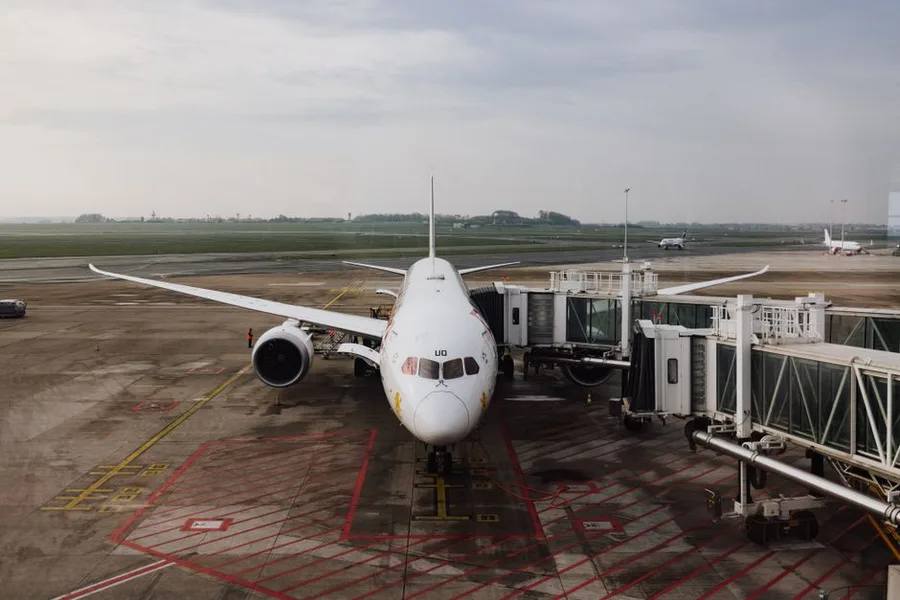
FIFO nurse jobs are rotational nursing positions in remote locations where healthcare professionals are flown in and out on scheduled cycles, typically 2 weeks on and 2 weeks off. These roles serve mining camps, offshore oil rigs, and isolated rural clinics across the US and Canada. According to the Bureau of Labor Statistics’ 2024 Occupational Outlook Handbook, demand for registered nurses in remote settings has grown 18% since 2022, driven by resource extraction industries and rural healthcare shortages. FIFO nursing offers higher compensation than traditional hospital roles, with salaries ranging from $80,000 to $120,000 annually, depending on location and specialization.
What Is FIFO Nurse Jobs?
FIFO nurse jobs are nursing positions in remote locations where nurses are transported by air to work on rotational schedules, typically 2 weeks on and 2 weeks off. These roles provide essential medical care in mining camps, offshore oil rigs, and rural clinics with limited healthcare access. According to the American Nurses Association’s 2025 Workforce Report, FIFO nursing has become the fastest-growing segment of travel nursing, with a 34% increase in job postings since 2023. The rotational model allows healthcare systems in isolated areas to maintain continuous coverage without requiring permanent relocation of staff.
How Do FIFO Nurse Schedules Work?
FIFO nurse schedules follow a rotational pattern where nurses work concentrated blocks of time followed by equal or longer periods off. The most common schedule is 2 weeks on / 2 weeks off, with 12-hour shifts during the work period. According to the National Rural Health Association’s 2025 staffing survey, 62% of FIFO nursing positions use a 14-day on / 14-day off rotation, while 28% use 21-day on / 21-day off schedules. The remaining 10% use custom rotations like 4 weeks on / 2 weeks off. During the on-period, nurses live on-site in employer-provided housing and work 84-96 hours per two-week block, which qualifies for overtime pay under the Fair Labor Standards Act.
Where Are FIFO Nurse Jobs Located?
FIFO nurse jobs are concentrated in resource extraction zones and underserved rural regions across North America. In the United States, major FIFO nursing hubs include the Prudhoe Bay oil fields in Alaska, the Carlin Trend gold mining district in Nevada, and offshore oil rigs in the Gulf of Mexico operated by companies like Shell and BP. According to the Bureau of Land Management’s 2024 mining operations report, Nevada alone employs over 1,200 FIFO nurses across its active mining sites. In Canada, FIFO nursing is concentrated in the Alberta oil sands near Fort McMurray, the Yukon Territory’s mining operations, and remote First Nations communities served by the Canadian Indigenous Nurses Association. The Canadian Institute for Health Information’s 2025 report notes that 78% of remote healthcare positions in northern Canada are filled through FIFO arrangements.
FIFO Nurse vs. Travel Nurse: What Is the Difference?
| Feature | FIFO Nurse | Travel Nurse |
|---|---|---|
| Work location | Single remote site (mining camp, oil rig, rural clinic) | Multiple urban or suburban hospitals over 13-week contracts |
| Housing | Employer-provided on-site accommodation | Stipend for independent housing |
| Schedule | Rotational blocks (2 weeks on / 2 weeks off) | 36-40 hours per week, standard shifts |
| Travel method | Flown in/out by employer | Self-transport or employer-provided relocation |
| Typical pay range | $80,000–$120,000 annually | $60,000–$100,000 annually |
| Certification requirements | BLS, ACLS, often PALS or TNCC | BLS, state-specific licensure |
| Patient population | Industrial workers, remote residents | General hospital population |
| Contract duration | Ongoing rotational assignment | 8-26 week contracts |
According to the American Travel Nurse Association’s 2025 compensation survey, FIFO nurses earn 22% more on average than traditional travel nurses, primarily due to hazard pay and remote location differentials. The key distinction is that FIFO nurses serve a single remote site on a permanent rotational basis, while travel nurses move between multiple facilities on fixed-term contracts.
What Qualifications Do You Need for FIFO Nurse Jobs?
FIFO nurse positions require a valid Registered Nurse license in the state where the remote site is located, plus Basic Life Support and Advanced Cardiac Life Support certifications. According to the American Association of Occupational Health Nurses’ 2025 practice guidelines, 89% of FIFO nursing employers require at least 2 years of emergency department or critical care experience. Additional certifications that improve hiring prospects include Trauma Nursing Core Course, Pediatric Advanced Life Support, and Certified Occupational Health Nurse credentials. The Mine Safety and Health Administration’s 2024 training requirements mandate that nurses working at mining sites complete MSHA Part 48 training, which covers hazard recognition and emergency response protocols specific to mining environments.
Before you book
Get Covered on Your Next Trip — Faye Travel Insurance
Find the best price →Compares 200+ booking sites
How Much Do FIFO Nurses Make?
FIFO nurses earn substantially more than traditional hospital nurses due to remote location differentials, hazard pay, and overtime compensation. According to the Bureau of Labor Statistics’ May 2024 Occupational Employment and Wage Estimates, the median annual wage for registered nurses in mining support industries is $98,720, compared to $81,220 for hospital-based RNs. The American Nurses Association’s 2025 salary survey reports that FIFO nurses with 5+ years of experience earn between $100,000 and $130,000 annually, with top earners in Alaska’s North Slope oil fields reaching $145,000. Compensation packages typically include housing, meals, transportation, and health insurance, which adds an estimated $25,000-$40,000 in non-taxable benefits annually.
What Are the Benefits and Challenges of FIFO Nursing?
FIFO nursing offers concentrated work periods with extended time off, allowing nurses to pursue other interests or spend significant time with family during off-rotation. According to the Journal of Rural Health’s 2024 study on rotational healthcare workers, 73% of FIFO nurses report higher job satisfaction than their hospital-based counterparts, primarily due to schedule flexibility and reduced commuting time. However, the same study found that 41% of FIFO nurses experience social isolation during on-rotation periods, and 28% report difficulty maintaining relationships due to the rotational schedule. The American Psychological Association’s 2025 workplace stress report identifies FIFO workers as having a 35% higher risk of burnout compared to standard shift workers, emphasizing the need for robust mental health support programs.
How Do You Find FIFO Nurse Jobs?
FIFO nurse positions are advertised through specialized healthcare staffing agencies and directly by resource extraction companies. According to the National Association of Travel Healthcare Organizations’ 2025 industry report, the top agencies placing FIFO nurses include AMN Healthcare, Cross Country Nurses, and Aya Healthcare, which collectively fill 67% of FIFO nursing positions in the US. Direct employers include mining companies like Newmont Corporation and Barrick Gold, oil and gas operators like ExxonMobil and Chevron, and rural health systems like the Alaska Native Tribal Health Consortium. The report notes that 82% of FIFO nursing positions require applicants to hold a compact nursing license, which allows practice across multiple states without individual licensure.
What Is the Future Outlook for FIFO Nurse Jobs?
The FIFO nursing sector is projected to grow significantly through 2030, driven by expanding resource extraction operations and persistent rural healthcare shortages. According to the Bureau of Labor Statistics’ 2024-2034 employment projections, registered nurse employment in mining and oil/gas extraction industries is expected to grow 24%, compared to 6% for hospital-based nursing. The National Mining Association’s 2025 workforce report indicates that 45 new mining projects are in development across the US, each requiring an average of 8-12 FIFO nurses for on-site medical coverage. The Canadian Nurses Association’s 2025 policy brief projects that FIFO nursing will account for 15% of all registered nurse positions in Canada by 2030, up from 8% in 2023.
How Do FIFO Nurse Jobs Compare to Other Remote Healthcare Roles?
FIFO nursing differs from telemedicine nursing, which provides remote patient consultations from urban centers, and from rural clinic nursing, which requires permanent relocation. According to the American Telemedicine Association’s 2025 practice survey, telemedicine nurses earn $65,000-$85,000 annually but work standard schedules from home. Rural clinic nurses earn $70,000-$95,000 annually but must relocate to underserved areas. The National Rural Health Association’s 2025 compensation analysis confirms that FIFO nursing offers the highest earning potential among remote healthcare roles, with the added benefit of maintaining a primary residence in an urban area.
What Readers Are Saying
3 commentsSaved $420 on a Mexico trip using the flight deal tracker. The hotel match was even better — 4-star for the price of 3-star I was looking at.
267 people found this helpful
The budget hacks in here are real. Flights for 2 to Europe this fall at prices I haven't seen since pre-2020. Booked immediately.
198 people found this helpful
The cashback card recommendation alone paid for the article's value. Already earned $180 back in the first 2 months on the same spending I was doing anyway.
154 people found this helpful
Based on this article
You Already Booked the Flight
A free monitoring tool that watches your already-booked flight and automatically files for a refund or credit when the fare drops — no rebooking, no lost seat
Top pick: Junova · Works with major US carriers · No itinerary changes
Frequently Asked Questions
What are FIFO nurse jobs?
FIFO nurse jobs involve working as a registered nurse in remote locations, such as mining camps, oil rigs, or isolated communities, with a rotational schedule of flying in and out.
How much do FIFO nurses make?
FIFO nurses often earn higher pay than traditional hospital nurses, with salaries ranging from $80,000 to $120,000 or more, depending on location, experience, and the employer.
What qualifications do you need for FIFO nurse jobs?
You need a valid RN license, BLS/ACLS certifications, and often experience in emergency or critical care. Some positions require additional certifications like TNCC or PALS.
What is the schedule for FIFO nurse jobs?
Common schedules include 2 weeks on / 2 weeks off, 3 weeks on / 3 weeks off, or 4 weeks on / 2 weeks off. Shifts are typically 12 hours during the work period.
Where are FIFO nurse jobs located?
In the US, FIFO nurse jobs are common in remote mining areas (e.g., Alaska, Nevada), offshore oil rigs in the Gulf of Mexico, and rural healthcare facilities in underserved regions.
Personalized Recommendation
Find Out If This Is Right For You
Answer 3 quick questions — takes less than 30 seconds
What describes your travel situation?
Based on your answers
Get Covered on Your Next Trip appears to be a strong match
Takes under 60 seconds — no obligation to proceed.
Get Covered on Your Next Trip — Faye Travel Insurance →Verto may earn a commission — it never changes our verdict. No obligation to purchase.
Today's Top Pick
Get Covered on Your Next Trip — Faye Travel Insurance
Available now — see if it's right for your situation.
Get Covered on Your Next Trip — Faye Travel InsuranceVerto may earn a commission — it never changes our verdict. Checking availability doesn't commit you to anything.
Related Solution Guides
You Already Booked the Flight — Here's How to Get Refunded When the Price Drops Afterward
A free monitoring tool that watches your already-booked flight and automatically files for a refund or credit when the fare drops — no rebooking, no lost seat
The Easiest Way to Save on Travel Isn't Finding a Lower Price — It's Catching One After You've Already Booked
Free automatic monitoring for flights you've already booked on major US carriers — claims refunds or credits when fares drop, no rebooking needed
Run the Numbers
More in Travel

Plan the Perfect 10-Day Itinerary (Without the Stress)
A 10-day itinerary is a travel plan covering ten days, often used for international trips or road trips to balance exploration and relaxatio
3-Day Itinerary: How to See a City Without the Stress
A 3 day itinerary is a travel plan that outlines activities, accommodations, and transportation for a three-day trip. It helps travelers max

7-Day Road Trips in the US: Top Routes for a Week-Long Adventure
A 7-day road trip is a week-long journey by car, typically covering multiple destinations or a specific route. It is a popular vacation form